










Machinery for professional turfcare and grounds maintenance
Machinery sits at the centre of any solid turfcare operation. On football pitches, rugby surfaces, cricket grounds, golf areas and wider amenity sites, the right machinery helps us work cleaner, faster and with better consistency. Good kit does more than save labour. It improves presentation quality, supports grass health and helps us keep surfaces safe and playable through a busy grounds management programme.
For most of us, machinery is not bought for the sake of it. It is chosen to solve a practical problem on site. That might mean relieving compaction, standing a surface back up after play, removing organic matter, preparing a seedbed or managing routine in-season maintenance. In that sense, machinery is a key part of integrated turf management. It links directly with aeration, surface renovation, overseeding, topdressing, irrigation and line marking.
The main point is simple: better machinery usually means more accurate work. That matters when you are trying to protect wear tolerance, improve recovery and keep a surface consistent from touchline to touchline. Whether you are managing a stadium pitch, school sports ground, golf approach, training area or paddock, the right turf machinery helps you stay on top of timing, finish and workload.
How turf machinery supports performance on real surfaces
Different surfaces ask for different jobs, so the best machinery choice depends on what you are trying to achieve. On natural grass pitches, compaction relief is one of the biggest tasks through the season. That is where Aerators play a big role. By creating air space in the rootzone, they help with drainage, rooting depth, oxygen movement and water infiltration. That can make a real difference to surface firmness and recovery after heavy use.
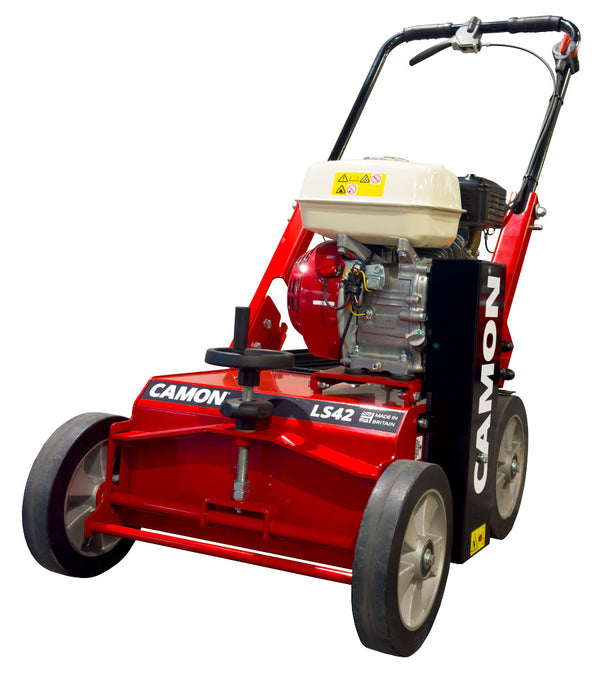
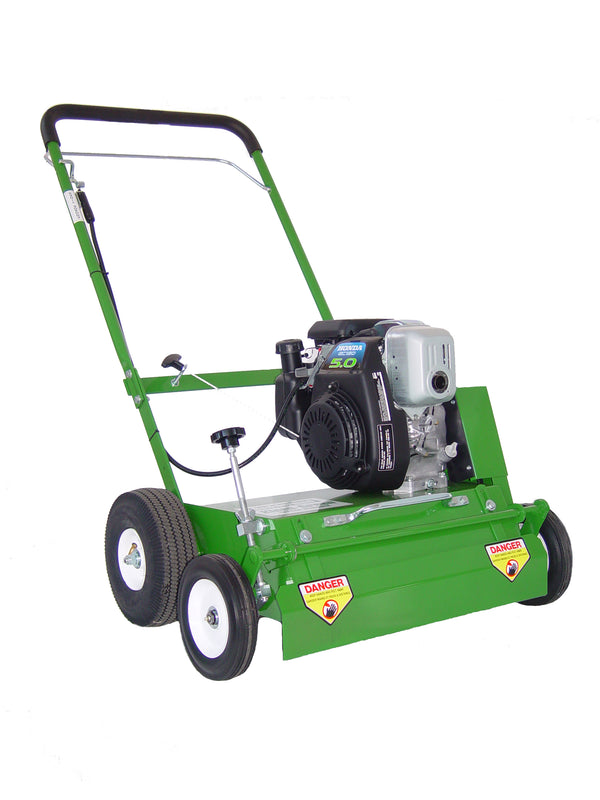
Organic matter control is another major area. As thatch builds up, water movement, firmness and plant health can all suffer. Scarifiers help thin out lateral growth, remove surface debris and clean the upper profile. Used at the right intensity, they support cleaner presentation and stronger sward density. They also fit neatly into renovation planning, especially when paired with overseeding and dressing work.
Surface consolidation matters too, particularly on cricket and where a firmer finish is needed. Rollers are used to firm and smooth surfaces, improve presentation and support preparation work where pace, trueness or finish are important. The key is always balance. Overdo rolling on the wrong surface or at the wrong moisture level and you can create more problems than you solve. Used well, though, rollers are a very useful part of a professional maintenance set-up.
There is also a growing place for automation in turfcare. Robotics is now part of the conversation for sites that want labour efficiency, repeatability and tighter day-to-day presentation. Robotic mowing and robotic line marking are especially relevant where regular light maintenance delivers better surface consistency than fewer heavy passes.
Choosing the right machinery for the job
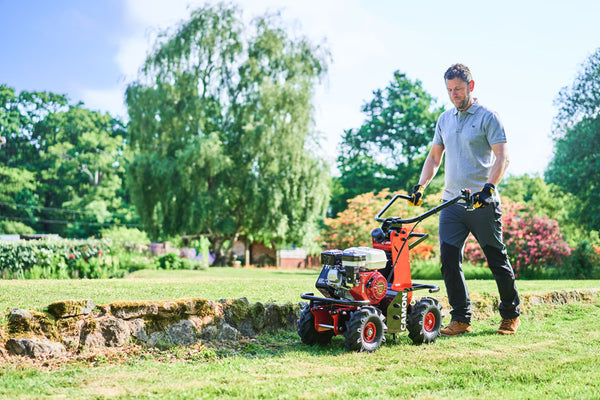
When you are buying machinery, look at the task before the badge. Working width, transport, power source, access, operator comfort and servicing all matter. So does the nature of the site. A compact training ground, golf practice area or school pitch may need pedestrian machinery that is easy to move and store. A larger venue may need mounted or more heavy-duty options that can cover ground quickly.
It is also worth thinking about how machinery fits with the rest of your programme. Aeration is often followed by nutrition or moisture management. Scarifying may sit alongside overseeding and dressing. Surface brushing and clean-up may come before marking or match preparation. That is why machinery choices often connect naturally with categories such as Seed & Fertiliser Spreaders, Top Dressing and Line Marking Machines.
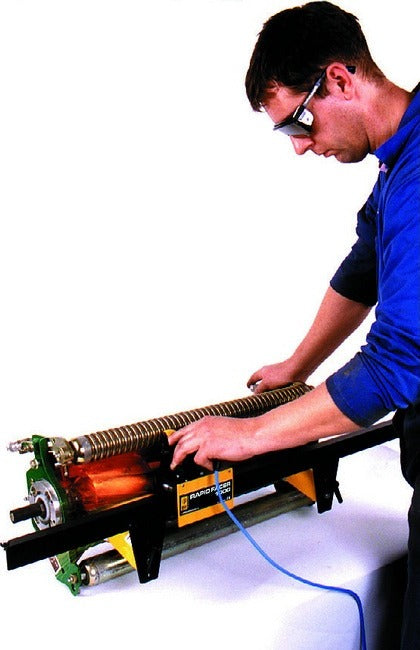
Maintenance support is another big factor. A machine is only useful if it is reliable when you need it. Belts, bearings, blades, tines, chains, guards and general wear parts all need attention. If you are investing in equipment for regular use, it makes sense to keep an eye on Maintenance & Protection as part of the wider ownership picture. Sharp set-up, good cleaning routines and sensible storage all help protect performance and service life.
Where machinery fits in the seasons
Seasonality matters with turf machinery. In spring, we often use machinery to wake surfaces up, relieve winter compaction and prepare for active growth. Through late spring and summer, mowing support, brushing, aeration, spraying and irrigation-related tasks tend to increase as growth rises and presentation standards tighten. Autumn is a key machinery window for renovation work, with scarifying, aeration, topdressing and overseeding all coming to the fore. In winter, the focus usually shifts towards careful use, cleaning, servicing and choosing working windows that do not damage wet or vulnerable surfaces.
That seasonal shift is important because the same machine can behave very differently depending on soil moisture, plant growth and surface strength. Good grounds teams do not just ask what a machine can do. We ask whether the surface is ready for it.
Machinery across football, rugby, cricket, golf and amenity turf
On football and rugby pitches, machinery is often chosen around wear recovery, decompaction, surface cleanliness and match presentation. Cricket grounds need a different balance, with close attention to consolidation, smoothness and preparation detail. Golf teams may focus more on precision, clipping quality, presentation and surface consistency across multiple playing areas. On lawns, estates and paddocks, machinery often needs to be robust, practical and easy to use across changing conditions.
That is why turf machinery is rarely one-size-fits-all. The best set-up depends on rootzone type, sward species, usage level, storage space and labour resource. Pedestrian machines can be ideal for smaller or tighter sites. Larger machines may suit clubs or contractors managing multiple areas and longer work runs. Either way, the aim stays the same: better work quality, better timing and less stress on the surface.
Practical advice before you buy machinery
Before choosing machinery, think about the main problems on your site. Is compaction the issue; is surface organic matter building up; do you need more accuracy in renovation; or is labour efficiency the biggest driver? Then match the machine to that priority. Check build quality, ease of adjustment, transport needs, servicing access and parts support. Look carefully at working depth, operating speed, hopper size, tine pattern, brush design or roller weight, depending on the machine type.
Most importantly, buy machinery that fits your real programme rather than your ideal one. A reliable machine that gets used properly is far more valuable than a bigger unit that is awkward to store, hard to service or too aggressive for the surface. Good machinery helps us protect grass health, improve presentation quality and keep work moving through the season. On a busy site, that makes all the difference.


Recently viewed