




Static Sprinklers for Accurate Watering on Sports Turf and Managed Grounds
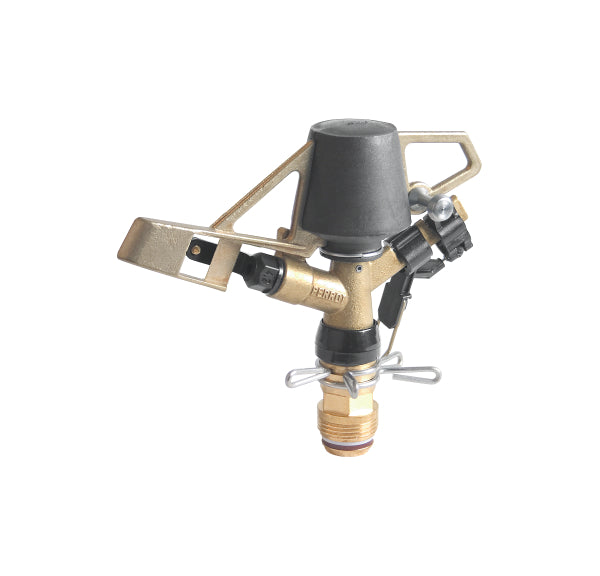
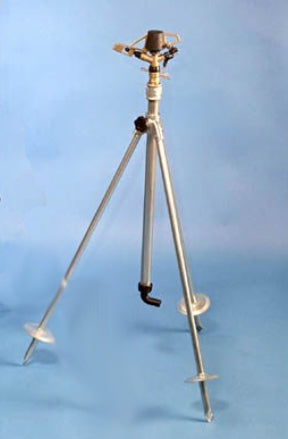
Static Sprinklers are a key part of practical turf irrigation where we need steady, controlled water application across natural grass surfaces. On football and rugby pitches, cricket outfields, golf approaches, school playing fields and amenity turf, there are plenty of times when hand watering alone is not enough, but a full pop-up system is either not available or not needed. That is where static sprinklers come into their own. They give us a flexible way to apply water to targeted areas, manage dry conditions and support recovery without making the irrigation programme overly complicated.
Although many groundspersons still refer to them as impact sprinklers, the wider value is the same: reliable distribution, repeatable coverage and a simple set-up that fits into day-to-day turfcare. When surfaces are under pressure from heat, wind, shallow rooting or intensive wear, we need irrigation that is easy to position and dependable in operation. Static sprinklers help us respond quickly. They can be moved to where the stress is showing and used to keep moisture levels more even across the profile, which supports grass health, presentation quality and recovery.
Why Static Sprinklers matter in a grounds management programme
Water management sits at the heart of surface performance. If the top of the profile dries too quickly, seedling establishment suffers, wear scars stay open for longer and the sward loses density. If water is applied unevenly, some areas remain dry while others soften up too much. Static sprinklers help reduce that problem by delivering a measured pattern over a defined area. On sports turf, that matters because the goal is not simply to wet the ground; it is to apply water evenly enough to support rooting, plant recovery and consistent playing quality.
On football and rugby pitches, Static Sprinklers are useful for localised dry patch, hand-managed irrigation zones, goalmouth repairs and touchline recovery work. On cricket sites, they can support outfield watering and general moisture management around the square surrounds. On golf and amenity sites, they are handy where smaller turf areas need regular watering without investing in more complex infrastructure. In each case, they offer flexibility and control, which is often exactly what we need during dry spells or renovation periods.
They also fit well into a wider Irrigation set-up. Many grounds teams use Static Sprinklers as a practical middle ground between hand watering with a hose and the broader reach of Travelling Sprinklers. That makes them especially useful on multi-pitch venues, school grounds and training sites where irrigation needs can change from one area to the next.
How Static Sprinklers work in practice
The principle is straightforward: water is supplied under pressure and distributed in a controlled spray pattern over the target area. The quality of that pattern depends on several factors: nozzle design, pressure, spacing, wind exposure and the water supply itself. In practice, that means a good sprinkler is only one part of the picture. Hose quality, connector security and sensible positioning all influence the final result. That is why it makes sense to use them alongside Hose Pipes and Hose Fittings, Connectors & Nozzles that match the system properly.
Pressure is one of the main technical factors. Too little pressure and the pattern can collapse, leaving poor coverage and heavier deposition close to the head. Too much pressure can increase misting and drift, especially on exposed sites. Wind also needs thinking about. Even a good impact-style sprinkler will struggle to deliver uniform coverage if it is fighting constant crosswind. That is why irrigation timing matters. Early morning or calmer evening periods usually give better results than the middle of a hot, breezy day.
Spacing and overlap matter too. Turf managers often get the best results when sprinklers are positioned so the distribution pattern overlaps sensibly, rather than trying to stretch one unit too far. That is especially important during overseeding and surface renovation, when even moisture in the upper profile can make a real difference to germination speed and early recovery. Where a narrow strip or smaller repair area needs gentler coverage, Sprinkler Hoses can also play a useful supporting role.
Part of integrated turf management
Static Sprinklers are most effective when they sit within a joined-up turfcare programme. They support water delivery, but they also support the success of other operations. If we are trying to establish a repaired wear area, moisture control usually goes hand in hand with Hardwearing Grass Seed and a suitable Rootzone to create the right growing environment. If water is applied unevenly, even good seed and sound preparation can struggle to deliver the result we want.
This is where Static Sprinklers earn their place. They help maintain soil moisture balance, reduce plant stress and improve consistency through key recovery periods. On working sports grounds, that can mean quicker establishment after renovation, better wear tolerance in high-use zones and stronger presentation when conditions turn dry. Pitchcare is used by people who manage real surfaces under real pressure, so practical irrigation tools like these need to be judged by reliability, ease of use and the quality of water delivery they provide.
Seasonal use through the year
Static Sprinklers are most heavily used from spring through early autumn, when seed is being established, temperatures rise and evapotranspiration starts to pull moisture from the surface more quickly. In spring, they help settle renovations and support early growth. In summer, they are vital for managing dry areas, maintaining grass vigour and protecting presentation quality on exposed sites. In early autumn, they remain important for overseeding and post-renovation recovery, especially if conditions stay warm and breezy. Their role is usually lighter in winter, but they can still be useful during mild dry spells or where local watering is needed to support repairs.
Choosing the right Static Sprinklers for your site
When choosing Static Sprinklers, think about coverage area, operating pressure, portability and how they fit into the rest of your irrigation kit. A smaller site may need a simple, easily moved set-up; a larger venue may want sprinklers that can work alongside longer hose runs and a more structured watering plan. Durability matters as well, especially on sports sites where kit is moved regularly and used hard through the season. Good storage also helps, which is why many teams pair their system with Hose Reels to keep everything tidy and ready to deploy.
For turf professionals, Static Sprinklers are a practical and proven choice. They give us controlled irrigation, flexible coverage and a straightforward way to support grass health across a wide range of surfaces. Used properly within a broader grounds management programme, they help deliver stronger recovery, better establishment and more consistent turf performance when water management really matters.


Recently viewed