




Rock Salt & Ice Melt for safer winter surfaces
When frost lands and temperatures stay low, reliable rock salt and ice melt becomes part of the daily routine. For grounds teams, facility managers and contractors, winter surface safety is not a side job. It is essential. Slippery paths, steps, access roads, spectator routes and service areas can quickly become a risk to staff, players and visitors. A good rock salt and ice melt programme helps you stay ahead of snow, black ice and repeated freeze-thaw cycles, while keeping sites open and usable.
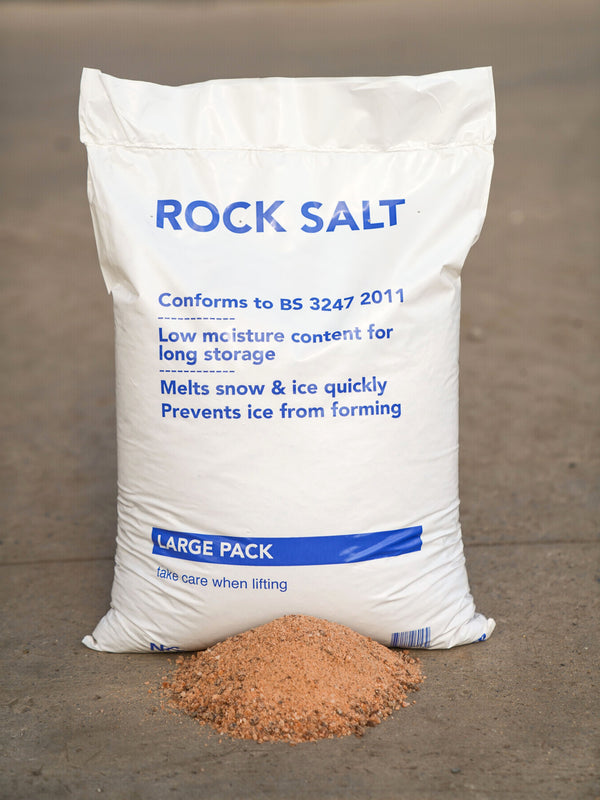
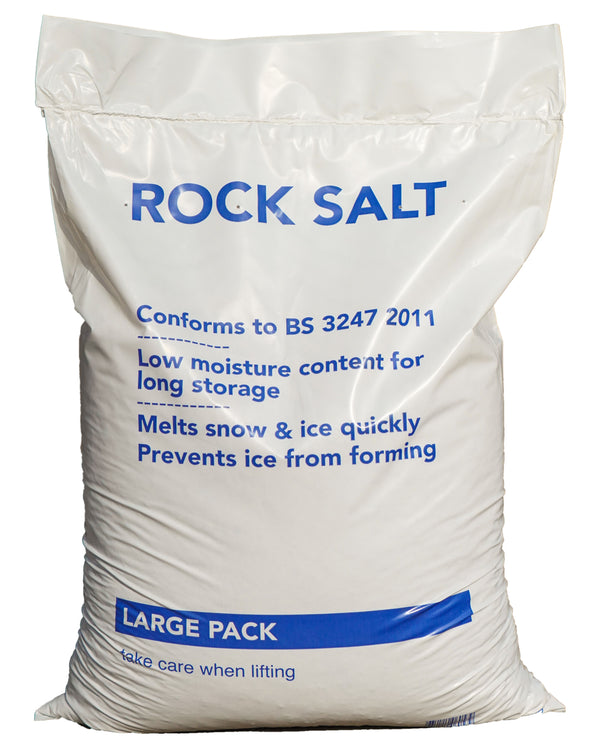
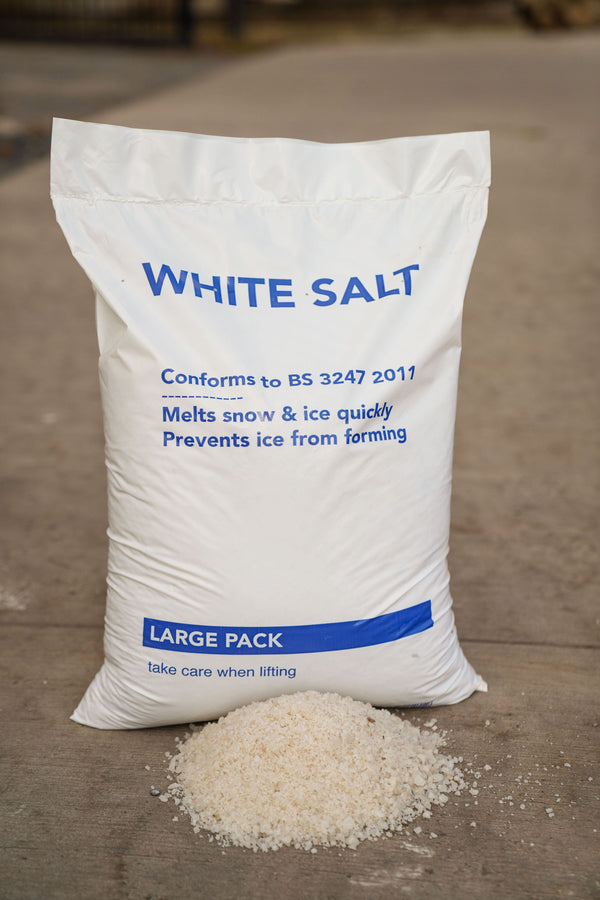
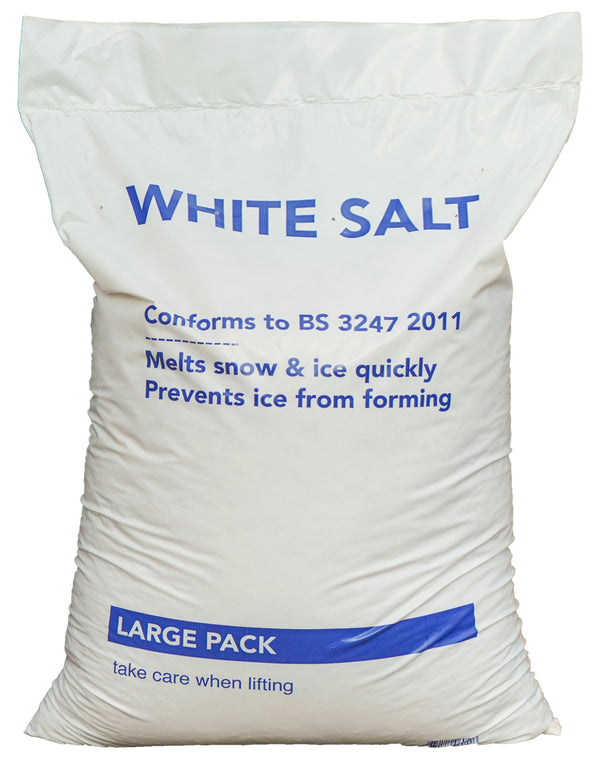
This collection covers the main de-icing options you are likely to need through winter: brown rock salt, white rock salt, PDV salt, liquid de-icer and fast-acting ice melt products. Each has a place. Traditional brown rock salt is widely used for general gritting on roads, yards and larger hard surfaces. White salt is often preferred where presentation matters, such as school entrances, stadium concourses and higher-profile sites. Ice melt granules and exothermic de-icers can offer quicker action in colder snaps, while liquid de-icer suits targeted treatment and controlled application on steps, walkways and awkward edges.
Choosing the right de-icer for the job
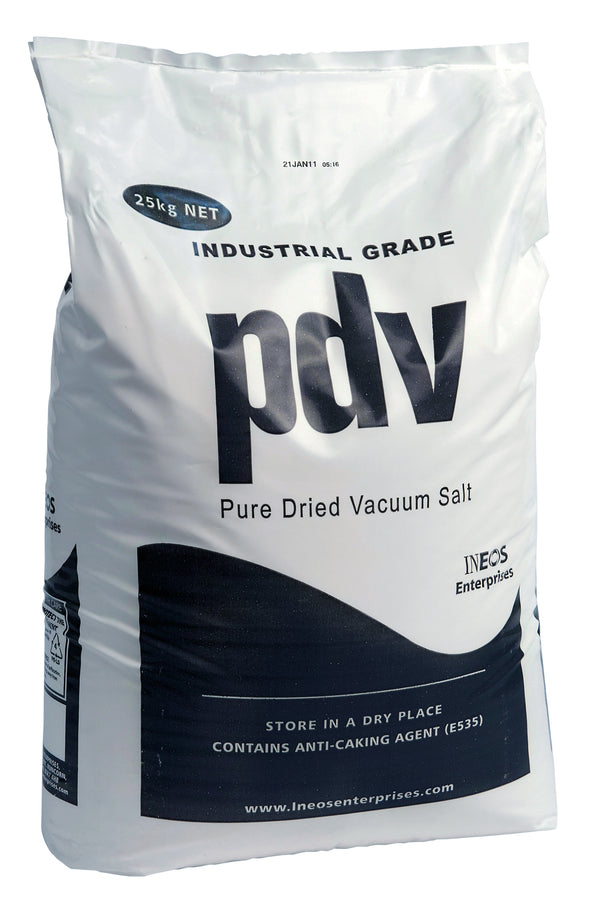
The best product depends on surface type, temperature, traffic and how quickly you need a result. Brown rock salt is practical and cost-effective for broad coverage. White de-icing salt is cleaner to handle and usually leaves a tidier finish. PDV salt is more refined and consistent, which can help with predictable spread patterns. Ice melt blends are useful when you want rapid action on compacted frost or stubborn icy patches. Liquid ice melt works well where precise placement matters and where overspread on surrounding areas would be a problem.
In professional grounds maintenance, it pays to think about particle size, moisture content and spread rate. Dry, evenly graded material flows better through a spreader and gives more consistent coverage. That matters on busy sites, especially when you are treating long pedestrian routes before first light. Over-application wastes product and can leave unnecessary residue. Under-application leaves dangerous patches behind. A measured approach is always the better one.
How professionals use rock salt and ice melt around sports sites
Although these products are not applied to the playing surface itself, they are still important within a complete winter grounds management plan. Football, rugby and cricket sites all rely on safe access around the pitch. That includes car parks, turnstiles, perimeter footpaths, changing room approaches, machinery stores and emergency routes. On training grounds and multi-sport venues, safe movement between buildings and surfaces matters just as much as pitch presentation.
We usually advise groundspersons to treat priority areas first: slopes, shaded paths, entrances, steps, loading areas and known cold spots. Hard surfaces that stay damp or receive little sun are often the first to freeze. Timing is also key. Applying de-icer before a forecast frost is usually more effective than reacting once thick ice has formed. That is why winter prep often sits alongside Grounds Management Tools for day-to-day site checks and PPE & Safety for safe handling, storage and application.
Equipment choice makes a big difference too. Hand spreading may be fine for short runs and small entrances, but larger schools, clubs and local authority sites will save time with purpose-built Ice Melt & Rock Salt Spreaders. For broader winter operations, it also makes sense to look at Winter Tools & Spreaders so your team can clear snow and then apply material efficiently while surface temperatures are still low.
Good practice on mixed-use sites
Many venues combine hard landscaping with natural turf, reinforced grass access routes and service tracks. That means product choice and placement matter. You want enough de-icer to keep people safe, but not so much that excess material is carried onto fine turf, into planted areas or across thresholds. Sweep surplus granules back onto the treated hard surface where possible. Keep storage covered and dry. Check spreaders regularly for blockages, corrosion and calibration drift. These small routines help maintain standards across the whole grounds management programme.
On sites that suffer winter wear from vehicles, footfall and temporary routing, de-icing often sits alongside surface protection work. Areas near gates, compounds and overflow routes may also benefit from Ground Reinforcement & Mesh Fencing to reduce churn and keep traffic moving when conditions are poor.
Seasonal use and winter planning
Rock salt and ice melt is strongly seasonal, but the smartest use starts before the first freeze. In late autumn, it is worth checking stock levels, spreaders, shovels, bins and storage areas so you are not caught short when temperatures drop. Through winter, applications are usually driven by forecast frost, snowfall, overnight lows, shaded areas and site traffic. During prolonged cold spells, repeat treatments may be needed after heavy use, wash-off or fresh snowfall. By late winter and early spring, the focus shifts to clearing residual material, checking edges and drains, and reviewing where product was used most heavily.
On bigger sites, winter surface management is rarely one product in isolation. It connects naturally with Snow & Ice Control as part of a wider response plan. In wetter periods, you may also need Water Removal equipment for standing water once thaw sets in and traffic starts moving again.
Practical buying advice for rock salt and ice melt
If you are choosing between products, start with the site rather than the label. Ask yourself: how large is the area; is it pedestrian or vehicle use; how visible is residue likely to be; do you need fast action; and how will it be applied? Bulk bags and standard salt grades suit large areas and routine gritting. Buckets and smaller bags are handy for satellite buildings, schools, pavilions and quick-response teams. Liquid de-icer is useful when neat, directed application matters. Exothermic products are worth considering for severe conditions or stubborn compacted ice.
Good winter safety is built on consistency. Keep products dry, train staff on application rates, treat priority routes first and review weather forecasts daily. That way, your rock salt and ice melt works as part of a sensible, efficient winter plan rather than a last-minute fix. Pitchcare is here to help you choose the right de-icing salt, ice melt products and support equipment for safer, more workable sites all season long.


Recently viewed