


Iron Turf Hardeners for stronger, greener sports turf
Iron Turf Hardeners play a very practical role in modern turfcare. When you want colour, definition and a firmer finish without pushing soft, leafy growth, this is the part of the programme we often reach for. On football and rugby pitches, golf surfaces, cricket outfields and managed amenity turf, iron-based products help sharpen presentation while supporting a tighter, tougher sward.
That matters because colour on its own is not enough. A good sports surface needs wear tolerance, recovery and day-to-day consistency. Iron turf hardeners are popular because they can improve visual quality quickly, yet still fit into a wider grounds management programme. Used properly, they help produce a richer green colour, cleaner striping and a more professional finish before training, fixtures or routine site inspections.
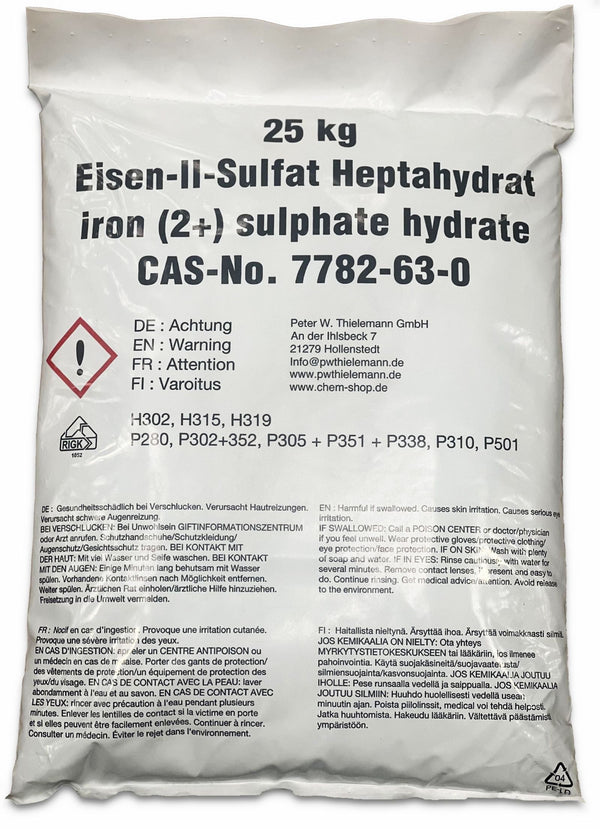
You will see both iron turf hardeners and turf hardener products used across the season. Some are built around iron, often as ferrous sulphate or chelated iron. Others bring in calcium, phosphite, magnesium, manganese or biostimulant support. The aim is similar: improve colour, help the plant stay more resilient and avoid the flush of top growth that can come from a high-nitrogen feed.
How iron and turf hardeners work in practice
Colour, firmness and controlled growth
The big appeal with Iron Turf Hardeners is control. Iron supports chlorophyll production, so turf can take on a darker, cleaner colour very quickly. That is useful when you need presentation quality ahead of play. At the same time, turf hardener formulations are often chosen because they help the plant stay more upright and less lush. For a groundsperson, that can mean a neater cut, less smear and a surface that feels tighter underfoot.
Formulation matters. Liquid iron products are usually the first choice where fast foliar response is needed. They suit sprayer application, give even coverage and are useful when you want a quick green-up on sports turf. Granular products are often better where you want a steadier response, a little more longevity or where the treatment is tied into a broader nutrient plan. Some blends also include potassium, trace elements or seaweed extracts to support grass health and soil nutrient balance.
It is worth remembering that iron turf hardeners are not a replacement for a full nutrition plan. They are best used alongside core inputs such as Fertiliser, especially where plant demand, clipping yield and recovery from play are high. Iron gives visual response and can help harden the look and feel of the plant; it does not remove the need for balanced nitrogen, phosphate and potassium where those are required.
Choosing the right product
When you are comparing products, think about surface type, application method and your reason for using it. Fine turf and golf areas may need a gentler, lower-rate foliar approach. Winter sports turf may suit a stronger sports turf iron treatment where presentation and firmness are the priorities. Liquid turf hardeners are useful where spray accuracy and tank-mixing flexibility matter. Granular iron feeds can be a better fit where you are working with spreaders and want a simple, robust routine.
It also pays to look at the supporting ingredients. Calcium-based hardeners can help with cell wall strength. Chelated iron can improve nutrient availability. Magnesium supports colour. Phosphite products are often used where root activity and plant response are under pressure. This is where wider plant support lines such as Plant and Soil Health and Seaweed & Biostimulants can complement an iron programme very nicely.
Where Iron Turf Hardeners fit in a maintenance programme
Professionals rarely use Iron Turf Hardeners in isolation. On a typical football or rugby site, we might start with Soil Testing to understand pH, nutrient status and any imbalance that could be limiting response. From there, the base nutrition comes from Fertiliser. Iron and turf hardener applications then sit on top of that plan to improve colour, stress tolerance and presentation without forcing excess growth.
If moisture is uneven, hydrophobic patches or local dry spot can reduce uptake and make results patchy. In that situation, Wetting Agents can help by improving infiltration and moisture distribution through the rootzone. Where spray accuracy, calibration and even coverage are important, the right kit from Equipment makes a real difference. That is not just about convenience; it is about getting application rate, water volume and nozzle choice right so the turf receives a consistent treatment.
From a practical grounds management point of view, this joined-up approach is what separates professional turfcare from quick cosmetic fixes. A darker sward looks great, but it has more value when it is backed by sound moisture management, sensible nutrition and realistic renovation planning. That is how iron applications support integrated turf management rather than becoming a stand-alone shortcut.
Seasonal use and day-to-day advice
Seasonality matters with iron turf hardeners. In spring, they are often used to tidy colour and strengthen the sward as growth begins, especially where you want response without a big flush. In summer, they can help maintain colour and presentation quality, but rates and timing need care during heat or drought stress. In autumn and winter, Iron Turf Hardeners are especially popular because they fit well with lower-nitrogen programmes and help maintain a firmer, more professional look when disease pressure, wear and fixture congestion all start to build.
Timing around play is important. Many groundspersons use a turf hardener or professional iron feed several days before a fixture so colour has time to come through and any wheel marks or overlaps can be checked. Avoid applying to severely stressed turf, and always watch leaf moisture, temperature and label guidance. Excessive rates can mark surfaces, exaggerate scorch risk or create an overly blackened finish, which is not what you want on high-visibility sports turf.
For lawns and ornamental areas, the same principles apply, though the programme is usually less intensive. A lawn iron treatment can improve colour and give a smart finish, but the professional sports-turf lesson still holds true: match the product to the site, the season and the growth objective. That way, Iron Turf Hardeners become a reliable tool for firmness, colour and resilient grass health rather than just a quick visual boost.
If you are building or refining a turf programme, this collection gives you practical options for controlled colour, harder growth and stronger presentation across the playing season. Used with the right supporting products and sensible application practice, iron turf hardeners remain one of the most effective ways to sharpen up a surface and keep it looking fit for purpose.
Iron Turf Hardeners for stronger, greener sports turf
Iron Turf Hardeners play a very practical role in modern turfcare. When you want colour, definition and a firmer finish without pushing soft, leafy growth, this is the part of the programme we often reach for. On football and rugby pitches, golf surfaces, cricket outfields and managed amenity turf, iron-based products help sharpen presentation while supporting a tighter, tougher sward.
That matters because colour on its own is not enough. A good sports surface needs wear tolerance, recovery and day-to-day consistency. Iron turf hardeners are popular because they can improve visual quality quickly, yet still fit into a wider grounds management programme. Used properly, they help produce a richer green colour, cleaner striping and a more professional finish before training, fixtures or routine site inspections.
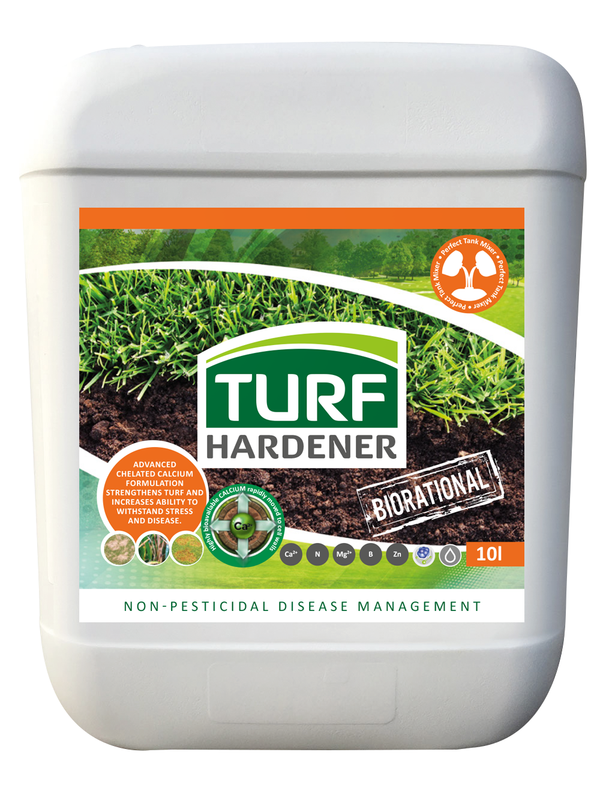
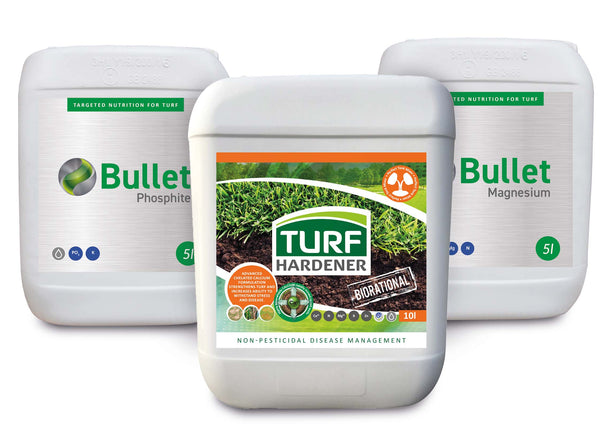
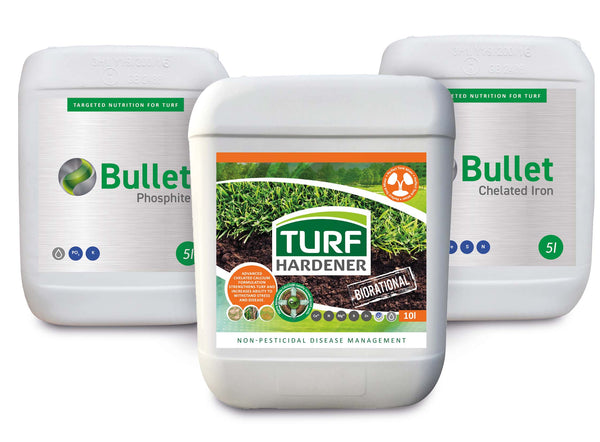
You will see both iron turf hardeners and turf hardener products used across the season. Some are built around iron, often as ferrous sulphate or chelated iron. Others bring in calcium, phosphite, magnesium, manganese or biostimulant support. The aim is similar: improve colour, help the plant stay more resilient and avoid the flush of top growth that can come from a high-nitrogen feed.
How iron and turf hardeners work in practice
Colour, firmness and controlled growth
The big appeal with Iron Turf Hardeners is control. Iron supports chlorophyll production, so turf can take on a darker, cleaner colour very quickly. That is useful when you need presentation quality ahead of play. At the same time, turf hardener formulations are often chosen because they help the plant stay more upright and less lush. For a groundsperson, that can mean a neater cut, less smear and a surface that feels tighter underfoot.
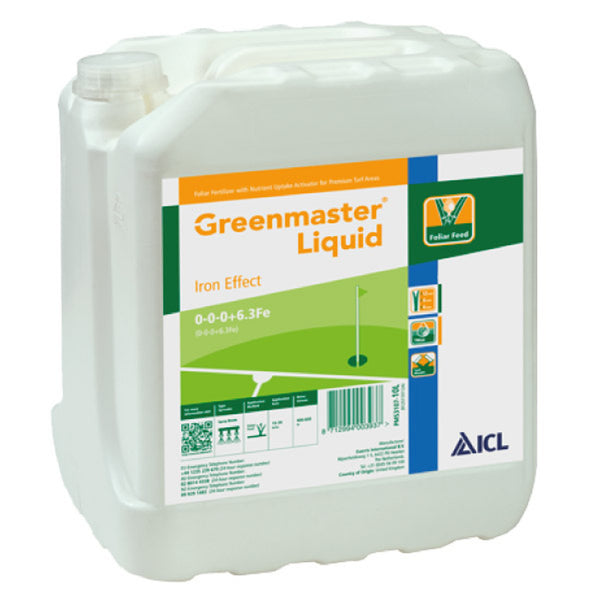
Formulation matters. Liquid iron products are usually the first choice where fast foliar response is needed. They suit sprayer application, give even coverage and are useful when you want a quick green-up on sports turf. Granular products are often better where you want a steadier response, a little more longevity or where the treatment is tied into a broader nutrient plan. Some blends also include potassium, trace elements or seaweed extracts to support grass health and soil nutrient balance.
It is worth remembering that iron turf hardeners are not a replacement for a full nutrition plan. They are best used alongside core inputs such as Fertiliser, especially where plant demand, clipping yield and recovery from play are high. Iron gives visual response and can help harden the look and feel of the plant; it does not remove the need for balanced nitrogen, phosphate and potassium where those are required.
Choosing the right product
When you are comparing products, think about surface type, application method and your reason for using it. Fine turf and golf areas may need a gentler, lower-rate foliar approach. Winter sports turf may suit a stronger sports turf iron treatment where presentation and firmness are the priorities. Liquid turf hardeners are useful where spray accuracy and tank-mixing flexibility matter. Granular iron feeds can be a better fit where you are working with spreaders and want a simple, robust routine.
It also pays to look at the supporting ingredients. Calcium-based hardeners can help with cell wall strength. Chelated iron can improve nutrient availability. Magnesium supports colour. Phosphite products are often used where root activity and plant response are under pressure. This is where wider plant support lines such as Plant and Soil Health and Seaweed & Biostimulants can complement an iron programme very nicely.
Where Iron Turf Hardeners fit in a maintenance programme
Professionals rarely use Iron Turf Hardeners in isolation. On a typical football or rugby site, we might start with Soil Testing to understand pH, nutrient status and any imbalance that could be limiting response. From there, the base nutrition comes from Fertiliser. Iron and turf hardener applications then sit on top of that plan to improve colour, stress tolerance and presentation without forcing excess growth.
If moisture is uneven, hydrophobic patches or local dry spot can reduce uptake and make results patchy. In that situation, Wetting Agents can help by improving infiltration and moisture distribution through the rootzone. Where spray accuracy, calibration and even coverage are important, the right kit from Equipment makes a real difference. That is not just about convenience; it is about getting application rate, water volume and nozzle choice right so the turf receives a consistent treatment.
From a practical grounds management point of view, this joined-up approach is what separates professional turfcare from quick cosmetic fixes. A darker sward looks great, but it has more value when it is backed by sound moisture management, sensible nutrition and realistic renovation planning. That is how iron applications support integrated turf management rather than becoming a stand-alone shortcut.
Seasonal use and day-to-day advice
Seasonality matters with iron turf hardeners. In spring, they are often used to tidy colour and strengthen the sward as growth begins, especially where you want response without a big flush. In summer, they can help maintain colour and presentation quality, but rates and timing need care during heat or drought stress. In autumn and winter, Iron Turf Hardeners are especially popular because they fit well with lower-nitrogen programmes and help maintain a firmer, more professional look when disease pressure, wear and fixture congestion all start to build.
Timing around play is important. Many groundspersons use a turf hardener or professional iron feed several days before a fixture so colour has time to come through and any wheel marks or overlaps can be checked. Avoid applying to severely stressed turf, and always watch leaf moisture, temperature and label guidance. Excessive rates can mark surfaces, exaggerate scorch risk or create an overly blackened finish, which is not what you want on high-visibility sports turf.
For lawns and ornamental areas, the same principles apply, though the programme is usually less intensive. A lawn iron treatment can improve colour and give a smart finish, but the professional sports-turf lesson still holds true: match the product to the site, the season and the growth objective. That way, Iron Turf Hardeners become a reliable tool for firmness, colour and resilient grass health rather than just a quick visual boost.
If you are building or refining a turf programme, this collection gives you practical options for controlled colour, harder growth and stronger presentation across the playing season. Used with the right supporting products and sensible application practice, iron turf hardeners remain one of the most effective ways to sharpen up a surface and keep it looking fit for purpose.


Recently viewed