


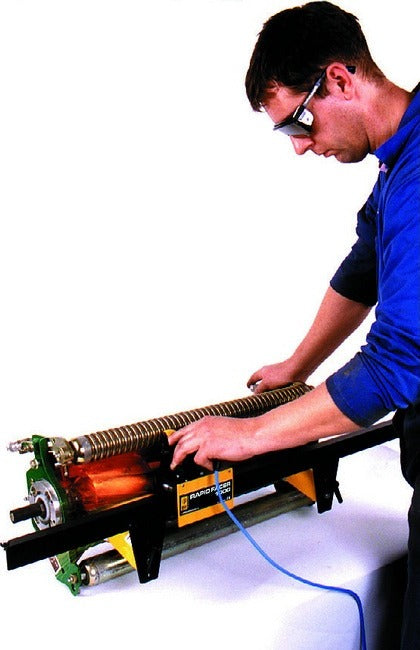
Mower Maintenance for Better Cut Quality and More Reliable Turfcare
On a working site, mowing is one of the most repeated operations in the calendar. That means even small issues soon add up. A dull cylinder, poorly set bedknife, damaged roller, worn belt or neglected bearing can all affect performance before the machine breaks down completely. The result is usually visible on the turf: bruised leaf, ragged tips, inconsistent height of cut, poor striping, missed growth and extra stress on the sward. Good mower maintenance helps prevent those problems before they begin and gives the machine a better chance of delivering a clean, accurate finish every time it goes out.
From a practical point of view, mower maintenance is not only about repairs. It is about routine inspection, correct setup, lubrication, cleaning, adjustment and timely replacement of wearing parts. That includes reels and bedknives, filters, oils, grease points, hydraulic lines, tyres, rollers, drive systems and cutting units. On fine turf in particular, small setup errors can show immediately. On winter sports turf, the same issues may appear more gradually, but they still affect surface quality, plant recovery and the standard of presentation through the season.
Why mower maintenance matters in real turfcare
The quality of cut has a direct effect on grass health. A sharp, well-set machine cuts the leaf cleanly and helps the plant recover more efficiently. A poorly maintained mower tears rather than cuts, which creates frayed leaf tips, weakens appearance and can increase plant stress in demanding conditions. That is especially important on closely mown surfaces where visual quality, ball roll and consistency matter. Golf greens, cricket squares and ornamental fine turf will all show poor maintenance quickly, but sports pitches suffer too, particularly when the surface is already under pressure from fixtures, weather or recovery work.
Professional teams usually treat maintenance as part of the mowing operation rather than something separate from it. We check quality of cut, listen for changes in the machine, inspect after use and deal with wear before it becomes a bigger issue. That practical habit saves time in the long run. It also protects the wider maintenance plan, because poor mowing makes every other input look less effective. A pitch can be well fed and well seeded, but if it is being cut badly, the finish and plant response will still disappoint.
That is why mower maintenance often links naturally with recovery work using Grass Seed and surface refinement through Loam and Dressing. Once damaged or worn areas are being repaired, the last thing you want is a poorly prepared mower knocking those gains back with weak cut quality or inconsistent presentation.
Choosing mower maintenance products for the job
When selecting items for mower maintenance, it helps to think in terms of routine servicing, wear parts and workshop essentials. Routine servicing usually covers oils, greases, filters and cleaning products. Wear parts may include bedknives, blades, belts, rollers and other items that gradually lose performance through use. Workshop essentials cover the practical kit that helps staff inspect, clean and maintain machines safely and consistently. The right mix depends on the type of mowers on site, how intensively they are used and how much maintenance is handled in-house.
Fine turf sites often need closer attention because reel mowers, cassette units and precision cutting setups are less forgiving of poor adjustment. Winter sports venues may place heavier emphasis on reliability, cleaning and wear control because machinery is working in wetter, dirtier conditions for long stretches. In both cases, the goal is the same: keep the mower delivering an even, clean cut with as little avoidable downtime as possible. It is usually better to replace or service at the right moment than to chase problems after cut quality has already fallen away.
Safe workshop practice matters here as well. Cleaning down machinery, handling oils, changing parts and working around sharp or heavy components all need sensible preparation. That is where Personal Protective Equipment becomes part of the routine, alongside practical clothing from Workwear Outdoor Clothing when staff are moving between workshop and site.
Seasonal use through the maintenance year
Mower maintenance has year-round relevance, but the pressure points change with the season. In spring, machines need to be sharp, clean and properly set as growth increases and mowing frequency rises. Through summer, fine-turf sites often rely on high presentation standards and tighter cutting windows, so regular checks become even more important. In autumn, wear from sustained use and wetter conditions can begin to show, making cleaning, lubrication and inspection especially valuable. Winter often becomes the main servicing window for deeper maintenance, overhauls and planned replacement of worn parts, particularly where fixture pressure or weather has limited the chance to do more than essentials in season.
That seasonal rhythm matters because preventative work is nearly always better than reactive repair. A mower that is serviced before the pressure builds is far more useful than one that fails mid-programme when the surface still has to be prepared. On sites where washdown and moisture management form part of the machinery routine, this work may also sit alongside Irrigation and Water Management checks around hoses, water points and cleaning areas.
How mower maintenance fits into a wider grounds programme
No maintenance team works on mowing alone. The strongest results come when machinery care supports the rest of the turf programme. A groundsperson may mow, inspect quality of cut, clean the unit down, then move into pitch repairs, overseeding, surface dressing or line preparation in the same shift. If the rootzone is under pressure and growth response is uneven, the next stage may involve Soil Testing to get a clearer picture before further inputs are planned. If presentation work around matches is part of the same schedule, clean surface finish and setup may also connect with Line Marking Paint where sharp lines and a tidy cut need to work together.
Workshop discipline matters just as much as turf technique. Fuel, oil and cleaning materials all need to be handled carefully, and the work area needs to stay safe and organised. That is why many teams sensibly keep Spill Kits close to mower servicing areas, especially where fuels, lubricants and washdown products are being used regularly. The best mower maintenance routines are calm, repeatable and practical: check the machine, clean it properly, deal with wear early and keep the workshop ready for the next job.
Getting better value from mower maintenance
Before buying into a mower maintenance routine, think about the fleet you run, the surfaces you manage and how often each machine is relied on through the year. The strongest approach is usually the one that matches your real mowing programme, keeps critical parts on hand and builds servicing into the normal working week rather than leaving it until something fails. When mower maintenance is planned well, cut quality improves, downtime drops and the whole grounds operation becomes more consistent from one pass to the next.


Recently viewed