






Rugby Equipment for Matchday Standards and Daily Ground Management
Rugby equipment does far more than complete the look of a pitch. It helps a venue run safely, efficiently and professionally from the first training session of the week to the final whistle on matchday. Posts, post protectors, corner flags, technical-area kit, barriers, storage and transport accessories all have a direct effect on how a rugby site functions. On busy club grounds, schools and training venues, that practical detail matters. Well-chosen rugby pitch equipment supports presentation, improves organisation and helps reduce avoidable wear around key access and play areas.
For groundspersons, rugby ground equipment sits alongside turfcare rather than apart from it. If posts are awkward to move, if protectors are damaged, or if storage is poor, the whole set-up becomes slower and less safe. That can affect the surface as much as the fixture routine. Repeated traffic around in-goal areas, touchlines and player access points soon adds up, especially in wet weather. Good rugby equipment helps you manage those pressure points with more control and consistency.
That is why this category matters across natural turf venues of every size. A community rugby club may need durable, hardwearing kit that can be handled by a small team. A school may need flexible rugby field equipment that is easy to store and quick to install. A higher-level venue may prioritise presentation quality, robust post protection and equipment that stands up to repeated use across league matches, cup ties and training. In every case, the aim is the same: safe set-up, tidy appearance and smooth operation around the pitch.
Why rugby pitch equipment matters beyond the posts
Rugby is hard on surfaces and equally demanding on infrastructure. In-goal areas, conversion spots, touchline entries and warm-up zones all take wear through the season. That means rugby pitch equipment has to work with the maintenance plan, not against it. Stable posts, well-fitted protectors and sensible equipment storage help reduce unnecessary movement and keep the venue easier to manage. They also support a stronger visual finish, which is important for players, coaches, officials and spectators alike.
It is easy to think of rugby sports equipment as separate from agronomy, but that is not how most grounds teams work in practice. We tend to look at the whole site as one system: turf performance, player safety, access, presentation and recovery all link together. A pitch can be well fed and well seeded, but if matchday equipment is poorly managed, you still create friction around the edges of the surface. Good site discipline starts with reliable kit and repeatable routines.
Choosing rugby equipment for heavy-use venues
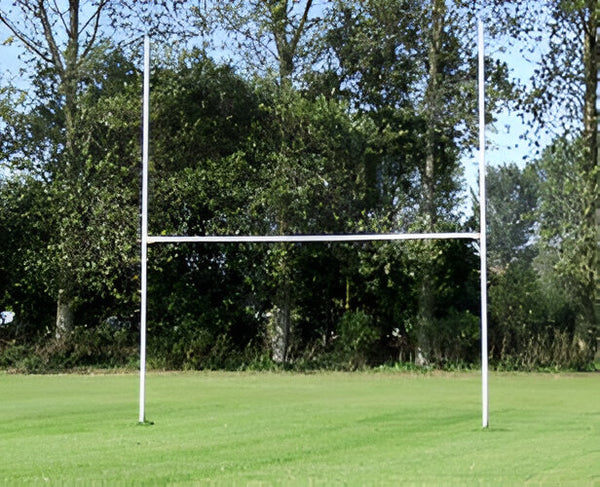
The best rugby equipment is built for repeated handling and tough conditions. Materials matter. Aluminium posts offer a strong balance of rigidity, durability and manageable weight. Post protectors need decent foam density, weather resistance and secure fastening so they stay in place through use. Corner flags and sockets should be robust enough for windy, wet conditions and regular pitch preparation. If equipment is being moved often, transport and storage become just as important as the item itself.
That is especially true on shared-use grounds. A site may switch between rugby, football training and general school sport across the week. In those cases, rugby ground equipment needs to be straightforward to install, remove and store without damaging the surface. Equipment that saves a few minutes every changeover soon proves its value across a long season. It also reduces the temptation to drag or handle items poorly when labour is tight and weather closes in.
From a practical point of view, groundspersons should think about durability, fixing method, ease of cleaning, visibility and how the kit fits the venue layout. It is also worth considering how often equipment is inspected and who is responsible for it. A smart buying choice is not just about price; it is about how reliably the product performs through fixture congestion, wet spells and constant setup work.
Seasonal use through the rugby calendar
Rugby equipment has clear seasonal relevance because the game places so much strain on surfaces during the wetter months. In pre-season, the focus is on setup, checking posts, replacing worn protectors and making sure the venue is ready for traffic. Through autumn and winter, reliable rugby field equipment becomes even more important because heavier ground conditions increase wear, especially around in-goals and access points. In spring, equipment still matters for late fixtures and training, but it also becomes part of planning for repair work and end-of-season tidying. During summer, many venues use the quieter period to clean, inspect, repair or replace key items ahead of the next campaign.
This seasonal cycle ties directly into the wider grounds management programme. When weather breaks and usage stays high, the right equipment helps you keep standards up without adding unnecessary stress to the pitch. That is particularly important on natural turf rugby surfaces, where recovery windows are often short and damage builds quickly.
How rugby equipment fits into a full maintenance programme
No rugby venue works on equipment alone. After a match, the real workflow usually starts with moving kit safely, clearing the immediate area and assessing wear in the in-goals, touchlines and high-traffic zones. From there, recovery may lead into Grass Seed where cover has thinned, followed by Loam and Dressing to restore levels and improve surface finish. If growth and colour are slipping under fixture pressure, planned feeding with Turf Fertilisers supports recovery and helps the sward respond more strongly.
Presentation is part of the same process. Once equipment is in place and the pitch is prepared, clean boundaries from Line Marking Paint give the surface a sharper, more professional look. Where performance issues are less obvious, one round of Soil Testing can help you separate wear-related problems from deeper rootzone imbalance. On free-draining or sand-dominant constructions, this equipment-and-recovery cycle may also sit alongside Irrigation and Water Management to support establishment and moisture consistency after repairs.
This is where experienced rugby grounds teams stand out. They do not treat equipment as a last-minute add-on. They build it into the weekly plan: setup, inspection, movement, recovery, presentation and storage all working together. That approach saves time, reduces disruption and gives the surface a better chance of holding up through the season.
Getting better value from rugby ground equipment
When you are choosing rugby equipment, it helps to think beyond the individual product. Ask how often it will be moved, who will handle it, where it will be stored and what condition the site is usually in during peak use. Strong rugby pitch equipment should improve workflow, not complicate it. It should support safe handling, tidy presentation and efficient matchday preparation while fitting naturally into the wider maintenance routine.
Pitchcare is a useful place to source this kit because rugby equipment only delivers full value when it connects with the rest of the grounds programme. The strongest results come when setup hardware, surface recovery, nutrition, line marking and moisture management all pull in the same direction. Get that right and your rugby venue will look better, operate more smoothly and cope more effectively with the demands of training and fixtures right through the season.


Recently viewed