







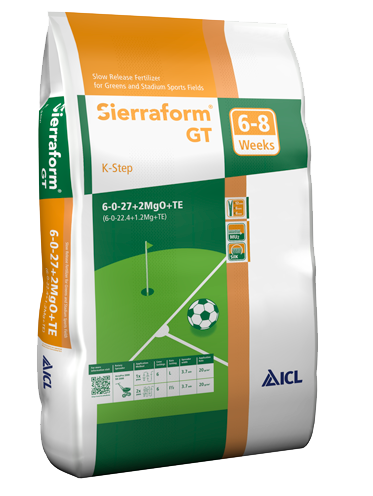
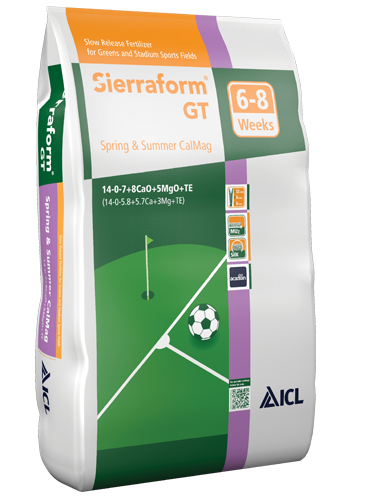
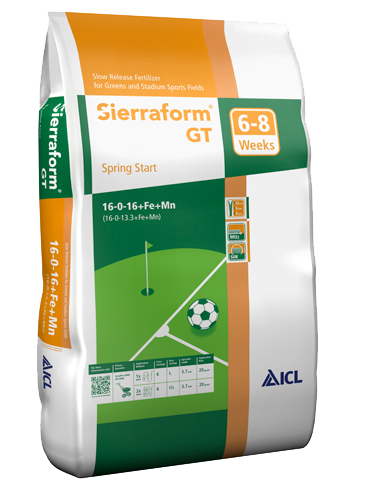
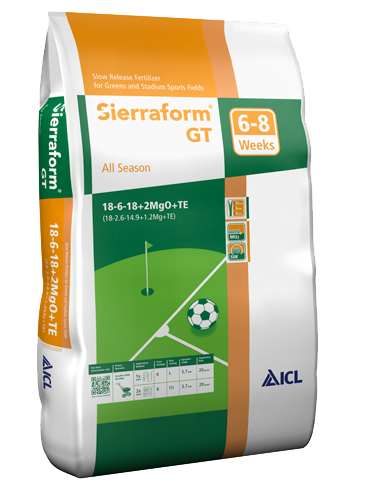
Spring fertiliser for stronger growth and better recovery
Spring fertiliser is one of the first big inputs in a successful grounds management programme. After winter, turf often looks hungry, pale and slow to move. Soil temperatures are rising, root activity is improving and the plant is ready to use nutrition again. That is why the right spring fertiliser can make such a difference to football pitches, rugby surfaces, cricket outfields, golf areas and hard-wearing amenity turf.
In simple terms, spring fertiliser helps wake the sward up. It supports colour, density, tillering and early recovery from wear. It also helps the plant compete better with moss and broadleaf weeds by pushing steady, healthy grass growth. For most sports surfaces, the aim is not just to make turf look greener; it is to build a surface that can cope with training, fixtures and maintenance work.
Professional spring fertiliser products are usually built around nitrogen, phosphate and potash; often shown as an NPK ratio. Nitrogen drives leaf growth and presentation, phosphate supports rooting and early establishment, and potassium helps stress tolerance and plant health. Some spring turf fertiliser products also include magnesium, iron, sulphur or trace elements to improve chlorophyll production, nutrient uptake and overall grass health. That matters when you are trying to move from winter survival into spring performance.
Granular or liquid: choosing the right approach
There is no single answer for every site. A granular turf fertiliser is often the go-to choice where you want even coverage, a measured release pattern and good efficiency across larger areas. Granules suit football, rugby and golf turf well, especially when applied with calibrated seed and fertiliser spreaders. A liquid turf fertiliser can be a smart option where you want a quicker visual response, tighter nutrient control or easy tank-mixing with compatible inputs.
It also helps to think about release pattern. Conventional nutrition can give a quicker response when turf is actively growing, while controlled-release fertiliser is useful when you want steadier feeding and less flush. On fine turf and high-pressure sports turf, matching release to growth rate is a big part of integrated turf management. Too much early nitrogen can create soft leaf, surge growth and extra mowing pressure; too little can leave the surface thin, weak and slow to recover.
How spring fertiliser fits into real turfcare programmes
On professional surfaces, spring fertiliser is rarely used in isolation. It sits alongside aeration, brushing, overseeding, irrigation planning and presentation work. A good starting point is to check what the soil actually needs. Using soil testing kits helps you understand pH, nutrient availability, organic matter and soil nutrient balance before you commit to an application. That is especially useful on older pitches, cricket outfields and mixed-use school sites where past feeding programmes may have been inconsistent.
Once nutrition is in place, many groundspersons will link it with moisture management and recovery planning. Where dry patch or uneven moisture is a concern, wetting agents can help improve water movement and make spring inputs work more efficiently. If winter wear has left thin areas, spring feeding often pairs naturally with fast establishment grass seed to speed recovery and improve wear tolerance before the busiest run of fixtures.
This is where experienced turf managers gain an edge: they feed for performance, not just colour. We want enough growth to recover scars, anchor new seed and tighten the sward; we do not want excessive top growth that weakens presentation quality or creates extra stress on labour and machinery. On football and rugby pitches, that balance is critical in spring because play is still heavy, renovation windows are short and surfaces must stay safe under load.
Surface type and usage still matter
A spring lawn fertiliser for domestic turf may focus on neat colour and tidy growth, but sports turf fertiliser has to do more. It needs to support divot recovery, rooting depth, traction, ball roll and surface resilience. Cricket outfields may benefit from steady growth and clean mowing quality; golf approaches and tees often need controlled response and strong density; paddocks and amenity areas may need a more durable, practical programme with cost per hectare in mind.
Application rate, spread pattern, moisture availability and clipping yield should all be watched closely. Calibration matters. So does timing. Applying a spring fertiliser too early, before the plant is properly active, can waste input. Applying too late can mean you miss the best recovery window.
Seasonal timing and spring performance
Spring is the key season for this category, but timing within spring still matters. Early spring applications are usually about gentle encouragement as soil temperatures begin to rise and the plant starts to move. Mid spring is often the strongest window for a professional spring fertiliser, because growth is active enough to use the nutrition properly. Late spring feeding may be adjusted to reflect fixture pressure, mowing frequency, irrigation access and whether a site is moving towards a summer fertiliser programme.
On irrigated sites, nutrition can be used more assertively because moisture is easier to manage. On drought-prone areas, it pays to be more careful, especially with higher nitrogen inputs. Good irrigation support can make spring fertiliser work harder by helping nutrients move into the rootzone and reducing unnecessary plant stress.
Building a complete maintenance workflow
In practice, spring feeding is part of a wider maintenance sequence: assess the soil, choose the right spring fertiliser, apply accurately, support moisture movement, encourage recovery and keep presentation standards high. As the season progresses, many sites will combine nutrition with overseeding, divot repair and regular presentation work such as line marking materials for match-ready finish. Where surfaces need levelling or a light renovation touch, top-up work with compatible dressing can also support smoother recovery.
The best choice comes down to surface type, expected use, nutrient demand and how quickly you want a response. Whether you need a granular spring fertiliser for broad-acre feeding or a liquid spring fertiliser for targeted input, the goal is the same: stronger grass, better recovery and a surface that performs properly when the season starts to gather pace.


Recently viewed