







Cricket Equipment for Better Match Preparation and Ground Presentation
Cricket equipment plays a big part in how a ground performs through the season. It is not just about the square and the outfield. It is also about the practical kit that helps you prepare, protect and present the venue properly: covers, sheets, sightscreens, boundary markers, scoreboards, trolleys, brushes, mops, frames and storage solutions. On a busy cricket ground, that detail matters. Good cricket ground equipment helps you protect surfaces from weather, improve presentation quality and run matchdays with less stress.
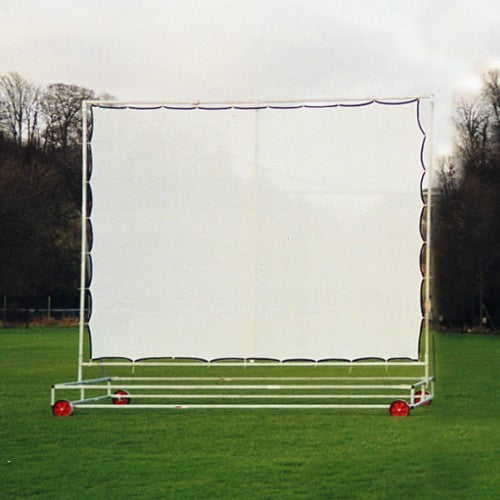
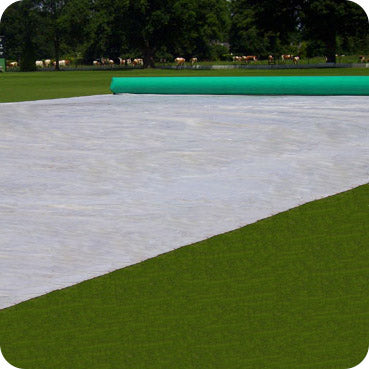
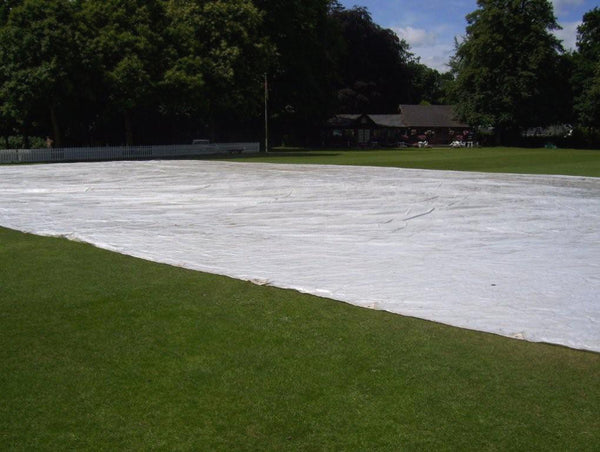
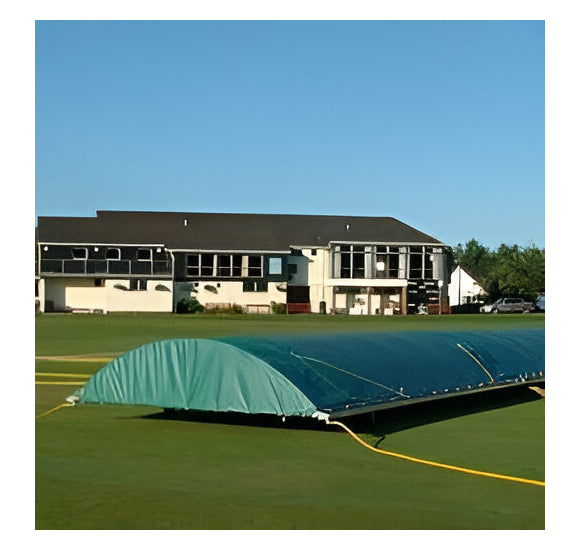
For grounds teams, cricket pitch equipment sits alongside turfcare rather than outside it. Covers protect prepared ends from rain and help control moisture ahead of play. Boundary equipment shapes the matchday finish and keeps the outfield looking smart. Sightscreens affect visibility and player experience. Storage and transport kit help a small team move quickly when weather changes. When these basics work well, the groundsperson has more time to focus on the square, the outfield and the playing characteristics of the surface.
That matters at every level: village clubs, schools, universities and professional venues all rely on dependable cricket equipment. The scale may change, but the priorities stay familiar. You need kit that is durable, easy to handle and suited to your site. If covers are awkward to move or frames are flimsy, preparation becomes slower and less consistent. If sightscreens are poorly positioned or hard to maintain, presentation and playability both suffer. Good cricket field equipment helps the whole ground work more smoothly.
Why cricket equipment matters beyond matchday
Cricket is a sport of fine margins, and the venue setup reflects that. A well-managed ground depends on more than mowing and rolling. You also need dependable kit around the square and outfield to protect surfaces, support preparation and keep the site presentable. Covers and flat sheets help manage rainfall and dew. Boundary rope and markers define the playing area cleanly. Brushes, drag tools and small accessories help tidy surfaces and maintain standards between games. None of it is glamorous, but all of it affects how the ground performs.
That is why experienced groundspersons treat cricket equipment as part of a wider grounds management programme. Moisture control, rolling, brushing, cutting heights, presentation and pitch protection all connect. If your protection and support equipment is poor, the turf team spends more time firefighting and less time refining the square. On cricket sites, that lost time soon shows in surface consistency, recovery and appearance.
Choosing cricket pitch equipment for practical use
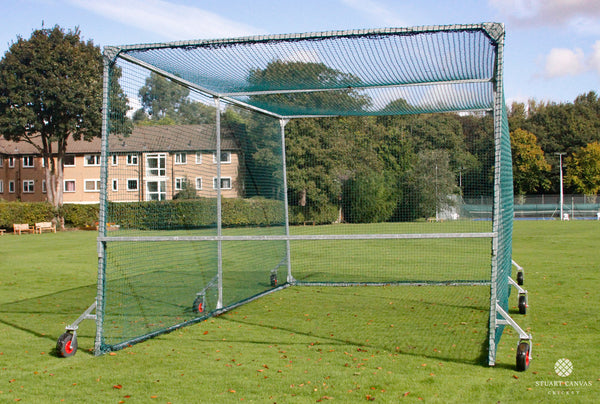
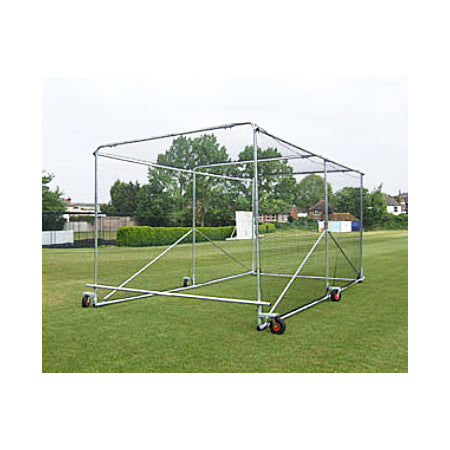
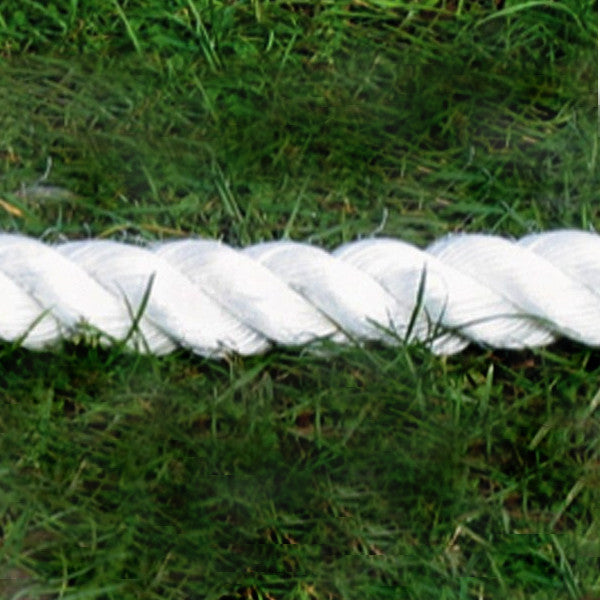
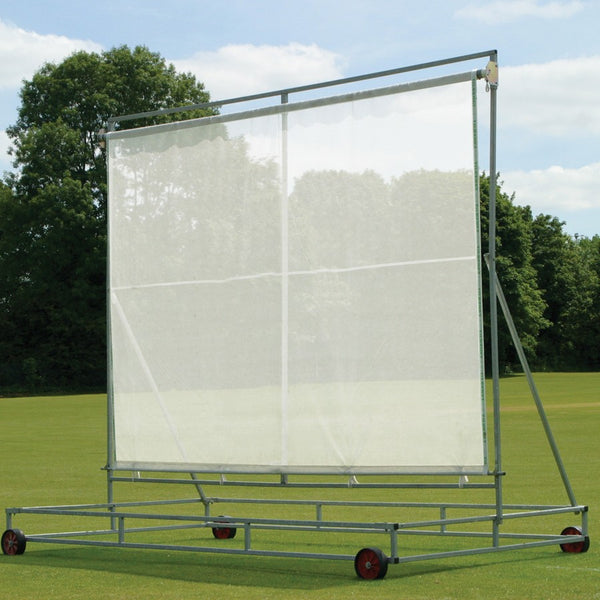
The best cricket equipment is the kit that fits your site and the way your team works. Covers need to be strong, weather-resistant and simple to deploy quickly when conditions turn. Frames and wheels need to move safely without causing unnecessary wear around the square. Sightscreens need enough stability for exposed locations and enough manoeuvrability for routine repositioning. Boundary markers should be visible, durable and easy to store between fixtures. The same thinking applies to smaller tools and accessories: if the kit is awkward to move or maintain, it soon becomes a burden.
Material choice matters too. Aluminium frames can offer a good balance of strength and manageable weight. Heavy-duty fabrics and reinforced seams matter on covers because they take repeated folding, dragging and exposure. Wheel quality matters where equipment is moved over natural turf and compacted pathways. For clubs with limited labour, handling efficiency is a real buying factor. Saving a few minutes on setup and removal soon adds up across a full summer.
Good cricket ground equipment should also support surface protection rather than fight against it. That means looking at wheel width, contact points, storage location and how equipment travels across the outfield. A smart purchase is not just about the item itself; it is about how safely and efficiently it fits into daily use around the ground.
Seasonal use through the cricket year
Cricket equipment has clear seasonal value. In late winter and early spring, the focus is on getting covers, sightscreens and boundary kit ready before square preparation gathers pace. Through spring and summer, the pressure is constant because weather changes quickly and fixtures leave little room for delay. Covers may be used at short notice to protect prepared pitches; sightscreens and boundary equipment are moved repeatedly as part of matchday setup. In late summer and early autumn, the same equipment supports final fixtures and protects surfaces during changeable conditions before renovation begins. During the off-season, most clubs use the quieter period for cleaning, repairs and replacement planning.
This seasonal pattern makes cricket sports equipment more important than it first appears. On natural turf squares, moisture management and pitch protection can alter preparation quality from one day to the next. Reliable equipment helps you respond quickly and gives the square a better chance of performing as intended.
How cricket equipment fits into a full maintenance programme
No cricket venue runs on support kit alone. The strongest results come when cricket pitch equipment works with the wider maintenance plan. After a period of use, worn or thin areas in the outfield may need Grass Seed to restore density and improve recovery. Where levels need refining after play or renovation, Loam and Dressing helps groundstaff maintain a smoother, more even finish. If the square or outfield needs nutritional support through the season, Turf Fertilisers can be used to maintain colour, growth response and plant strength.
Moisture control is another obvious link. Covers protect surfaces from rainfall, but longer-term water management often sits alongside Irrigation and Water Management when clubs need better control over pitch preparation and outfield consistency. Where surface behaviour becomes less predictable, one round of Soil Testing can help identify profile issues that are affecting grass health, water movement or plant response. Around the wider ground, clean setup and presentation standards may also connect with Line Marking Paint for practice areas, access zones and other managed sports spaces linked to the site.
This is where practical insight matters. The best groundspersons do not separate equipment from turf work. They build equipment checks, movement, cleaning and storage into the same routine as mowing, brushing, rolling, feeding and repair. That joined-up approach saves time, protects the surface and makes the whole venue easier to manage under pressure.
Getting better value from cricket ground equipment
When you are comparing cricket equipment, think about the real job it has to do. How often will it be moved? Who will handle it? How exposed is the site? How quickly does your team need to react when rain arrives? Reliable cricket field equipment saves time, protects prepared surfaces and lifts presentation across the whole ground. That is valuable whether you manage a single-square club site or a larger multi-pitch venue.
Pitchcare is a strong place to source this kind of kit because cricket equipment only delivers full value when it fits a wider grounds programme. The best results come when covers, sightscreens and support equipment are backed by sound moisture management, sensible nutrition, planned recovery work and strong attention to detail. Get those pieces working together and your cricket ground will look sharper, function more smoothly and cope better with the demands of the season.
Recently viewed