




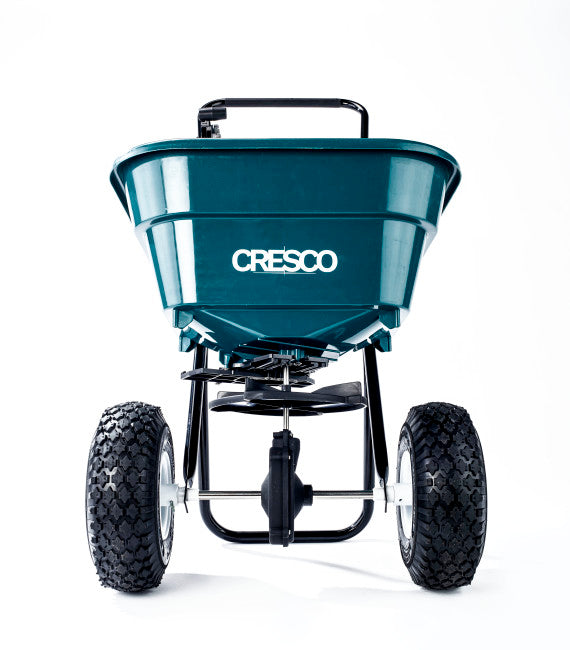
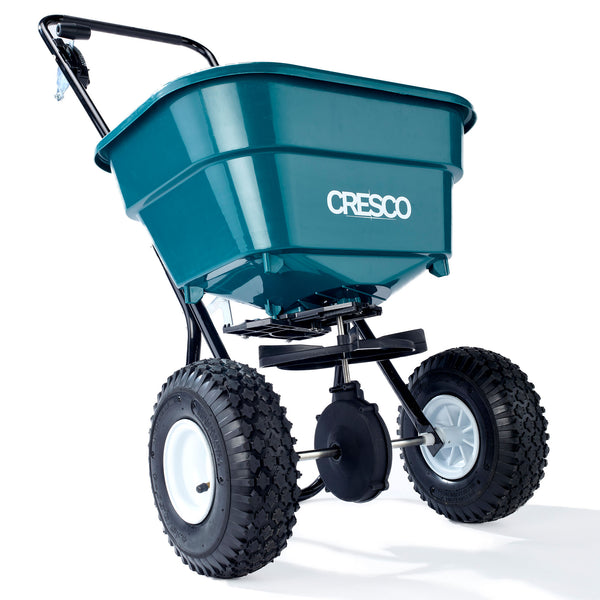
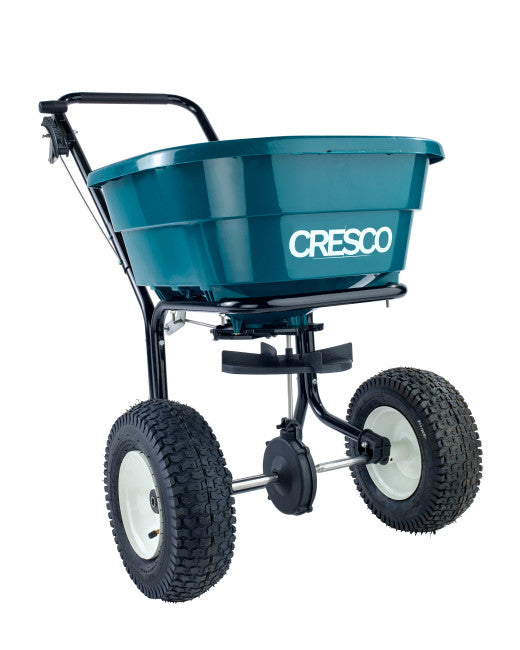
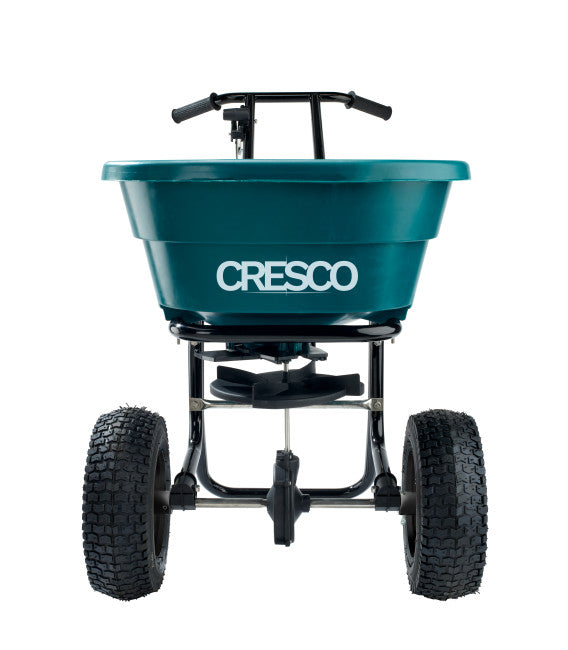




Seed and Fertiliser Spreaders for Accurate Turf Application
Getting product onto the surface evenly is half the job in modern turfcare. A good seed and fertiliser spreader helps you apply seed or granular feed at the right rate, in the right place, and with less waste. That matters on football pitches, rugby surfaces, cricket outfields, golf roughs, amenity grass and larger lawns. Miss the rate or spread pattern and you soon see it in patchy germination, striping, weak colour or uneven growth. Pitchcare’s range of seed and fertiliser spreaders covers handheld, rotary and drop options, so you can match the machine to the site, the product and the level of finish you need.
Choosing the right spreader type
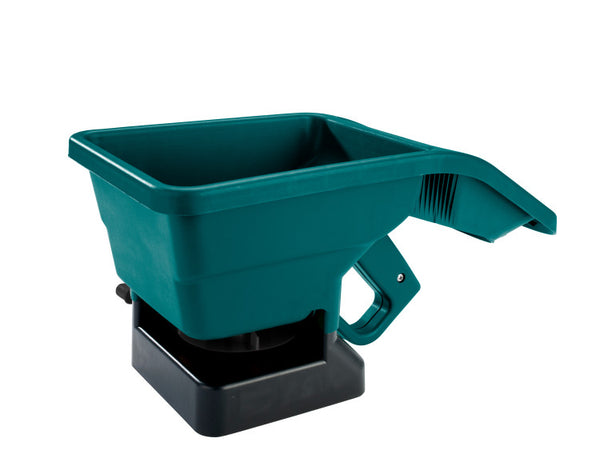
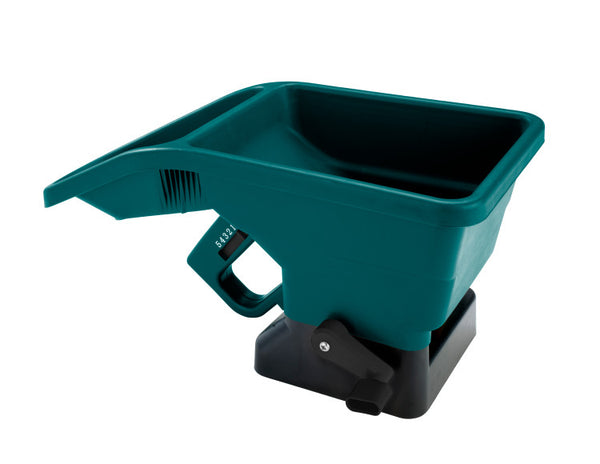
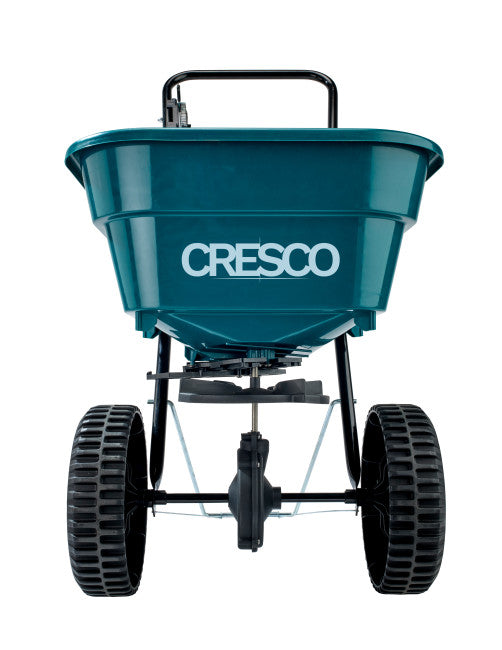
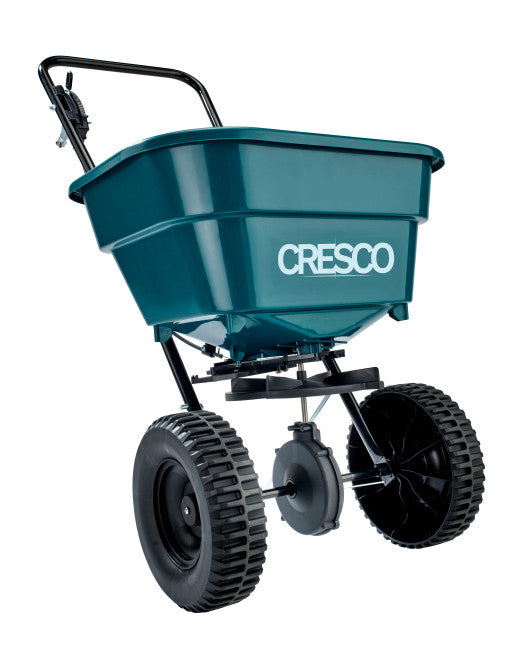
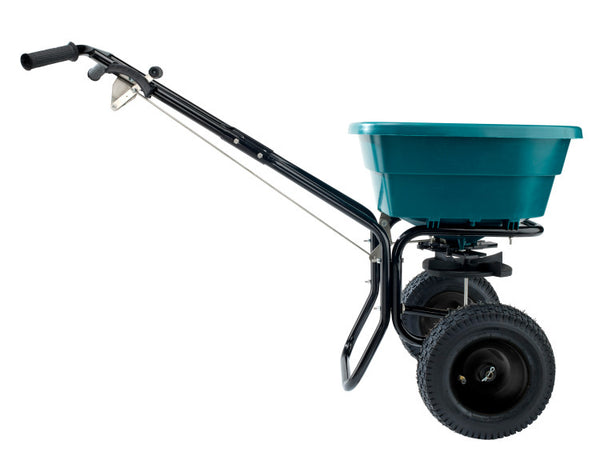
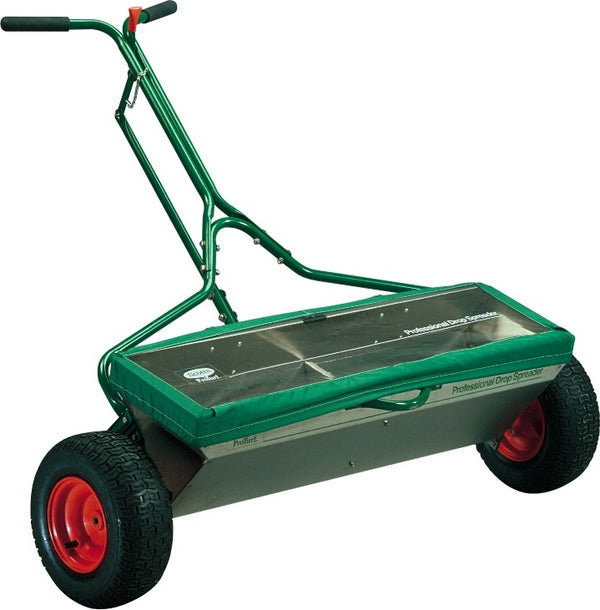
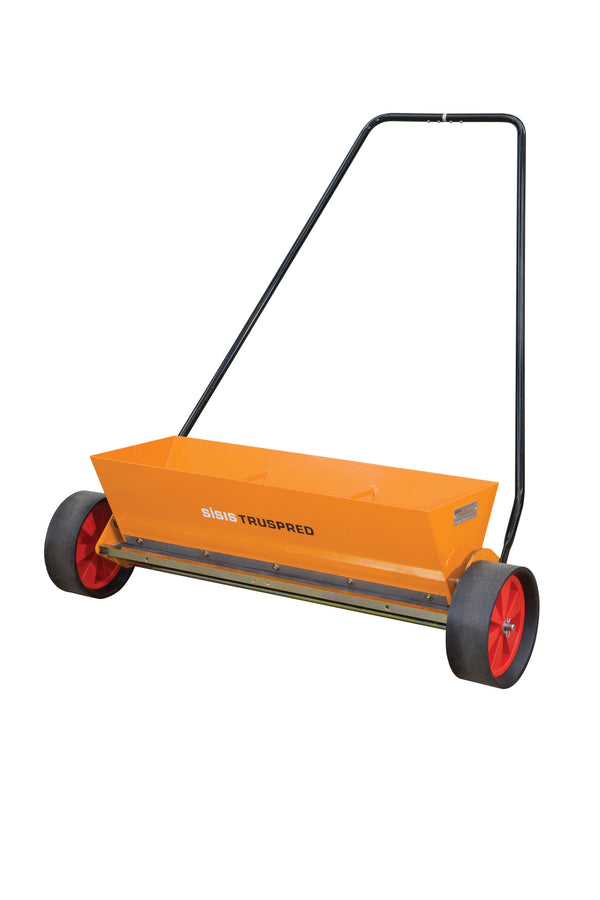
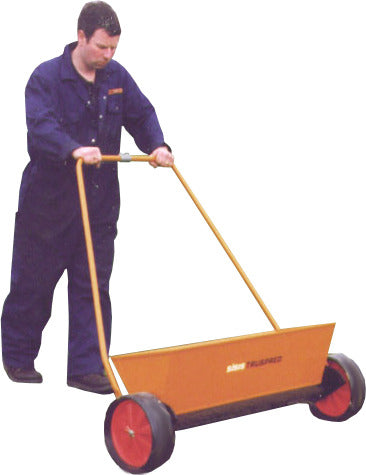
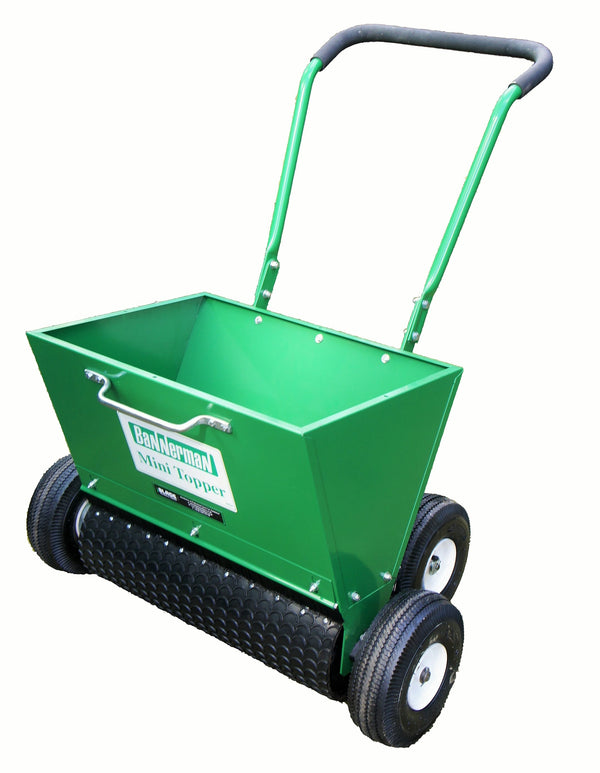
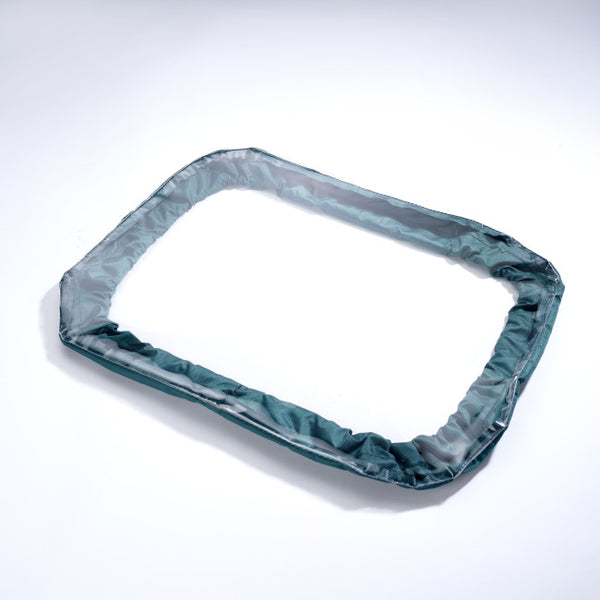
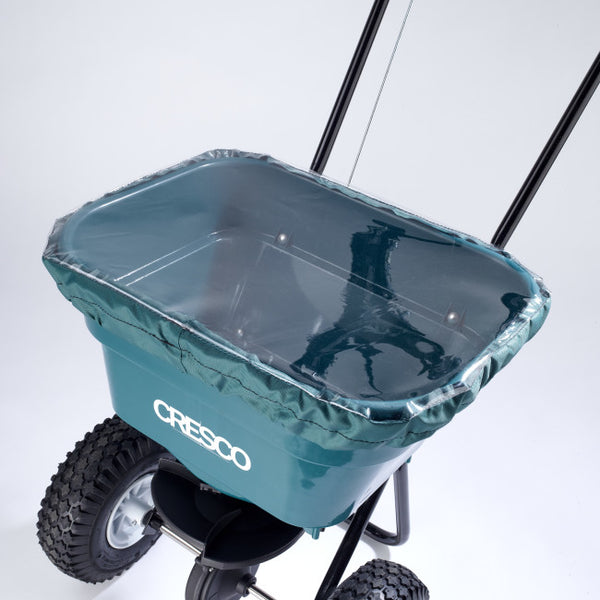
A rotary spreader, sometimes called a broadcast spreader, is the usual choice when you want speed and broad coverage. It suits larger areas and open ground where you can work in a steady pattern and control overlap. A drop spreader is more precise. It places material directly beneath the hopper, which makes it useful near edges, goalmouth surrounds, cricket squares, pathways and ornamental areas where tidy application counts. A handheld spreader or small lawn spreader is handy for touch-up work, smaller domestic spaces and awkward corners where a larger pedestrian machine is overkill. The collection also includes spreader accessories, which helps with day-to-day upkeep and protecting equipment between jobs.
When you compare a grass seed spreader or fertiliser spreader, the important points are simple: hopper capacity, spread width, calibration settings, shut-off control, build quality and wheel stability. A larger hopper saves refill time on bigger sites; a more precise shut-off reduces spills at headlands and hard edges. Calibration matters because application rate drives performance. Too little seed can leave thin areas; too much can create competition and uneven establishment. Too much granular fertiliser can scorch growth or create flushes you do not want before play.
Why spread accuracy matters in sports turf
On sports surfaces, consistency is everything. Groundspersons are not just feeding grass; they are managing recovery, presentation and wear tolerance. A professional fertiliser spreader helps maintain even turf density and more balanced colour across the profile. A reliable seed and fertiliser spreader also supports clean overseeding after play, especially where traffic has thinned the sward in lines of play, centre circles, scrummage zones or wicket surrounds. In practical terms, even distribution supports grass health, steadier recovery and a more professional finish through the season.
Calibration, application rate and overlap
The technical side need not be complicated. Most problems come back to three things: poor calibration, inconsistent walking speed and incorrect overlap. With a rotary spreader, overlap is especially important because the spread pattern is wider and feathered at the edges. With a drop spreader, line discipline matters more because you are laying product in a controlled band. Before applying any granular fertiliser or grass seed, check the manufacturer’s application rate, carry out a simple calibration test and keep your pace steady. This is standard integrated turf management. It reduces waste, improves results and helps protect the budget over a full grounds management programme.
Material choice also affects performance. Dry, free-flowing granules usually run more cleanly than damp product. Seed size and weight can alter how a spreader throws material, so settings for ryegrass seed may differ from settings for a heavier fertiliser granule. Stainless steel or corrosion-resistant parts are worth considering where products are used regularly and stored in working sheds through wet months. Good tyres and a stable frame also help on uneven ground, especially across larger amenity turf and sports sites.
How seed and fertiliser spreaders fit into a full maintenance programme
These machines sit right in the middle of a proper turfcare workflow. You might start by checking rootzone condition and soil nutrient balance through Soil Testing, then choose the right Granular Turf Fertiliser or Pre-Seed Fertiliser for the job. After that, a dependable seed and fertiliser spreader helps you apply product accurately before following with Grass Seed during overseeding or surface renovation. As the sward develops, many teams support growth with Biostimulants & Micronutrients and manage moisture with Wetting Agents & Penetrants or Irrigation. Once surfaces are established and playing well, presentation comes back into focus with Line Marking, while Top Dressing, Sand & Soils helps maintain levels and surface performance. That is how spreaders fit into real sports surface maintenance, not as a stand-alone purchase, but as part of a joined-up programme.
Professional and domestic use
Most buyers in this category will be maintaining sports turf, golf or larger managed landscapes, but the same thinking applies on serious domestic lawns. A lawn spreader gives home users better control than hand casting, especially with seed or granular feed where missed strips show up quickly. The difference is scale, not principle. Professionals may be covering several hectares and working around play schedules; domestic users usually want accuracy, simplicity and a neat finish. In both cases, the right spreader saves time and improves consistency.
Seasonal use and buying advice
Seed and fertiliser spreaders are useful through most of the year. In spring, they come into their own for early nutrition, pre-seed work and overseeding as soil temperatures rise. In summer, a rotary spreader or drop spreader helps with in-season feeding on pitches, golf areas and landscaped sites, provided applications are timed around moisture levels and fixture pressure. Autumn is a key window for renovation programme work, with heavy overseeding and granular products often applied after aeration and topdressing. Winter use is lighter, but spreaders still earn their keep for selected nutritional inputs, tidy-up work and site preparation when conditions allow. Timing always needs to reflect weather, surface condition and play demands.
If you are choosing between models, think first about area size and the finish you need. For broad open areas, a broadcast spreader or rotary spreader usually gives the best output. For accuracy around edges and finer turf areas, a drop spreader is often the safer choice. For small spaces, touch-up seeding or domestic lawns, a handheld spreader can be all you need. Also think about hopper size, frame material, storage conditions and how often the machine will be used. A seed and fertiliser spreader is one of those bits of kit that repays the extra care. Get the right machine, calibrate it properly and your seed, feed and renovation work will be cleaner, quicker and more consistent across every surface you manage.


Recently viewed