






Weather and Moisture Monitoring for Smarter Turf Decisions
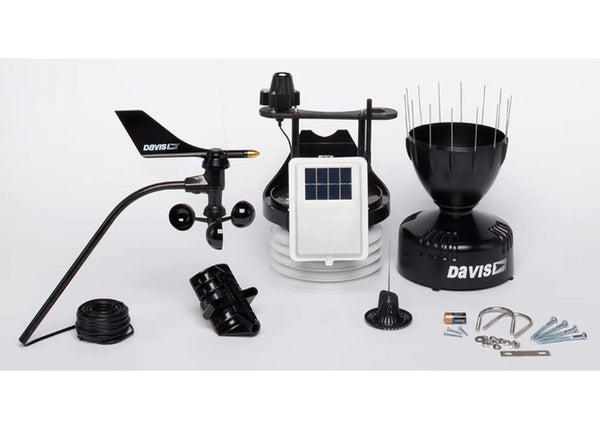
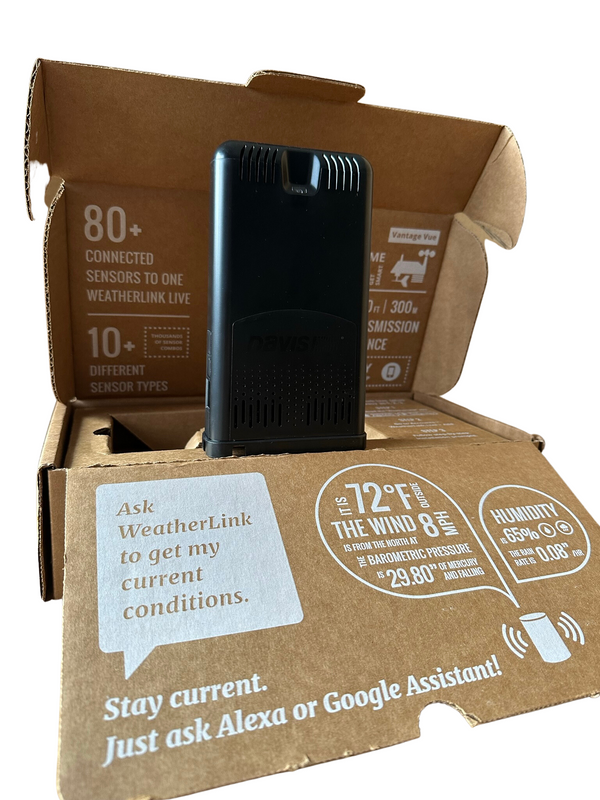
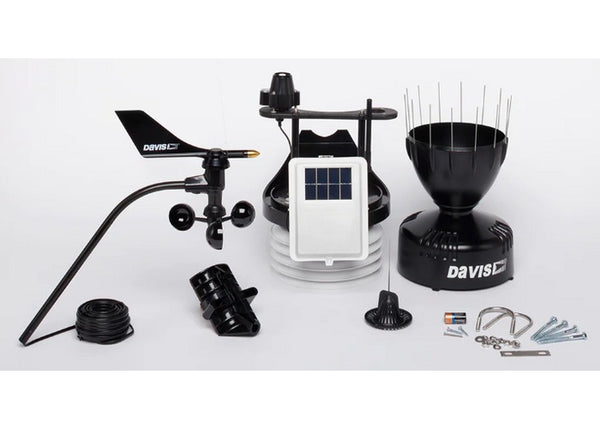
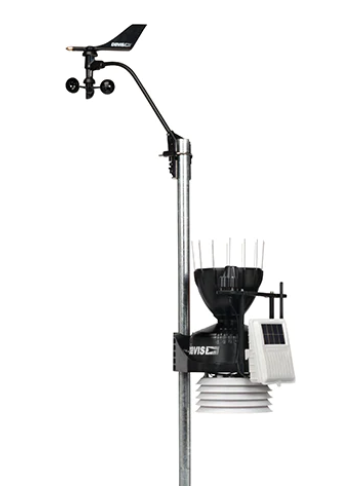
Weather and moisture monitoring gives grounds teams better timing, better consistency and fewer costly guesses. On sports turf, that matters. A pitch can look fine on the surface and still be too dry in the rootzone, too wet lower down or heading towards stress after wind, sun and fixture pressure. This collection brings together weather stations, moisture meters, leaf wetness sensors, temperature probes and soil moisture, temperature and electrical conductivity sensors, so you can turn site data into practical action. The live collection currently includes 13 products, with examples such as the ThetaKit Moisture Meter and ProData weather and sensor packages.
For football, rugby, cricket and golf, weather and moisture monitoring is not just about irrigation. It supports surface firmness, grass health, recovery, disease forecasting and presentation quality. It also helps you explain decisions to managers, coaches and clients. When you can see volumetric water content, soil temperature, leaf wetness duration, solar radiation and local weather trends, you are in a much stronger position to plan feeding, watering and renovation work.
Why measured data beats guesswork
A good weather and moisture monitoring routine helps you avoid two common problems: overwatering and reacting too late. Overwatering softens surfaces, reduces air in the profile and can increase disease pressure. Underwatering slows recovery, weakens wear tolerance and makes even the best grass seed blend struggle. A sports turf moisture meter or turf weather station gives you a clearer picture of what is happening in the profile and above ground; that means better irrigation scheduling and more confident day-to-day decisions.
This is especially useful on heavily used winter pitches, cricket squares under covers, golf approaches in dry spells and fine turf areas where uniformity matters. It also supports integrated turf management. Rather than treating symptoms after they appear, you can spot drying patterns, monitor infiltration and respond before turf quality drops.
How weather and moisture monitoring tools work in practice
Weather and moisture monitoring equipment covers a few different jobs. A soil moisture meter measures water content in the rootzone. That helps you judge whether water is reaching the active rooting depth or sitting too near the surface. Soil moisture monitoring sensors that also read temperature and electrical conductivity can add more context, especially where nutrient movement, salinity or wetting agent performance matter. Leaf wetness monitoring gives a useful indication of disease risk periods, while a professional weather station can log rainfall, air temperature, humidity, wind and solar input for a fuller turf management picture.
For many grounds teams, the key benefit is trend data. One reading is useful; regular readings are far better. If one goalmouth dries faster, one cricket table stays cooler or one golf green holds more water after rainfall, weather and moisture monitoring helps you see it early. That can guide hand watering, sprinkler run times, aeration timing and product choice. It also links naturally with Irrigation, especially when you want to match water application to demand rather than run fixed programmes.
On finer surfaces, moisture management also works best when it sits alongside profile knowledge. That is where Soil Testing becomes useful. Moisture readings make more sense when you understand texture, organic matter, nutrient status and rootzone behaviour. In the same way, Wetting Agents can help correct dry patch and improve even water movement, but only when they are matched to real site conditions.
Choosing the right setup
If you want quick spot checks, a handheld turf moisture meter is often the place to start. It suits clubs and contractors who need fast readings across several areas. If you need more detail, fixed soil moisture monitoring and weather monitoring equipment can build a stronger picture over time. A turf weather station with data logging or remote access is useful where irrigation decisions need to be made across multiple sites or where you want records to support agronomy discussions. Leaf wetness and soil temperature monitoring are worth considering if disease pressure and seasonal transitions are big parts of your programme.
Think about depth as well. Surface readings can be useful for immediate playability and presentation, but deeper profile readings often tell you more about rooting, resilience and recovery. Sensor placement, calibration, data interval and ease of reporting all matter. The best setup is the one your team will use consistently.
Using weather and moisture monitoring through the seasons
Seasonality matters with weather and moisture monitoring because turf demand changes quickly through the year. In spring, soil temperature monitoring helps you judge when growth is truly starting and when recovery work will respond. In summer, soil moisture monitoring and evapotranspiration trends are vital for irrigation planning, dry patch management and keeping surface performance steady during heat and wind. In autumn, weather and moisture monitoring helps you manage dew, leaf wetness and disease pressure as nights lengthen and surfaces stay damp for longer. In winter, it supports decisions on playability, waterlogging risk and whether conditions justify aeration, brushing or a light maintenance window.
The value is not just seasonal, though. It is cumulative. The more site data you build, the easier it becomes to spot patterns from one month or season to the next. That is where weather and moisture monitoring moves from being a gadget to becoming part of your normal grounds management programme.
Where it fits in a complete grounds programme
In real terms, weather and moisture monitoring sits at the centre of several linked jobs. You might monitor moisture first, then adjust Irrigation, follow with Aerators if the profile is tight, apply Liquid Turf Fertiliser when plant uptake conditions are right and support recovery with Seaweed & Biostimulants. On natural grass pitches, that same process may lead into overseeding with Football Pitch Grass Seed or drought planning with Drought Tolerant Grass Seed. Once the surface is growing evenly and playing as it should, presentation still matters, so many teams then tie the programme back to Line Marking Paint.
That is the real strength of weather and moisture monitoring. It helps every other decision make more sense. You are not feeding by calendar alone, not watering by habit and not renovating on hope. You are working from evidence. For sports turf professionals, that usually means fewer weak areas, stronger recovery after play and more consistent surfaces across the season.
If you are choosing between systems, start with the information gap that causes the biggest problem on your site. That may be rootzone moisture, leaf wetness, soil temperature or broader weather data. Build from there. Pitchcare is well placed to support that process with practical products that fit real turfcare work, whether you manage a stadium pitch, a school field, a cricket square, a golf surface or a high-use amenity lawn.


Recently viewed