


Topsoil for turf establishment, repairs and practical groundworks
Good topsoil does far more than fill a hole. On sports pitches, golf features, lawns, paddocks and landscaped areas, it helps create the base that roots grow into and surfaces recover from. When you are building up low spots, preparing a seedbed or improving planting areas, the right topsoil supports drainage, moisture retention and steady early growth. That is why we look at topsoil as part of the whole profile, not just a loose material delivered to site.
For turf managers, the big question is suitability. A lawn topsoil that works well in a domestic border is not always the best fit for a football goalmouth, a rugby touchline or a high-traffic school pitch. Sports turf topsoil needs to be judged on texture, screening, stone content, organic matter and how it will sit with the existing soil beneath. Sand, silt and clay all influence workability and performance; get that balance wrong and you can create a layer that holds water, seals over or roots poorly.
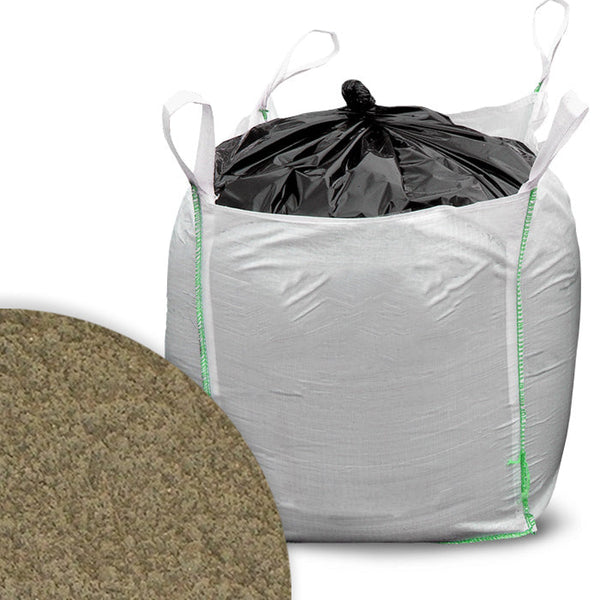
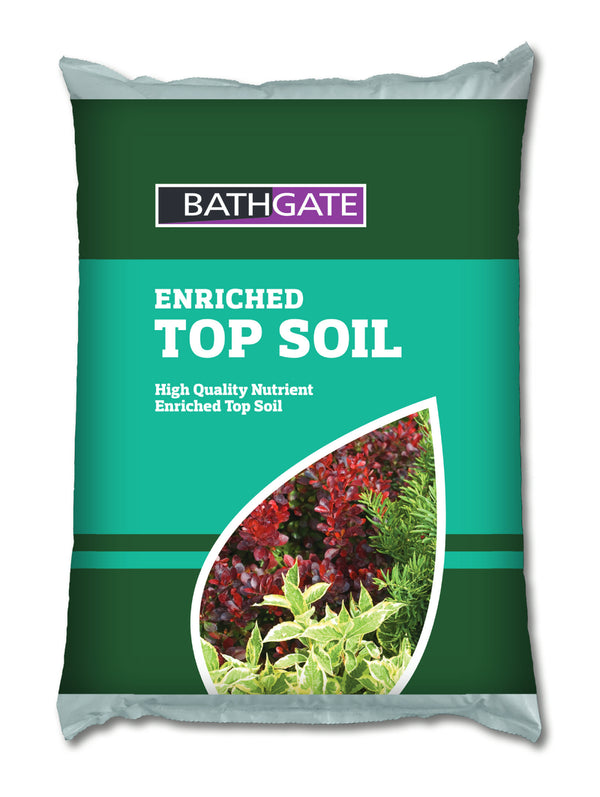
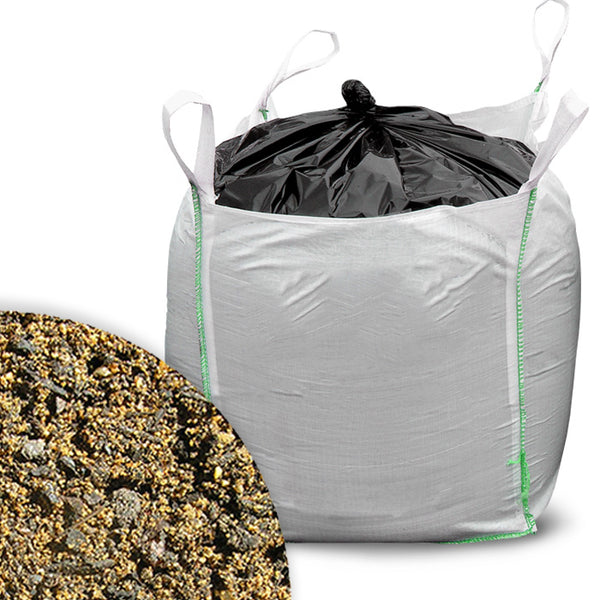
That is why screened topsoil, blended topsoil and enriched topsoil each have their place. A screened topsoil is useful where you want a cleaner, more uniform material for levelling and general establishment. A richer blend can suit planting and amenity work where nutrient holding and early vigour matter more. For finer turf or repaired wear areas, you may need something closer to a sports renovation material than a general garden soil. In simple terms: choose topsoil for the job in front of you, not just by price per bag or bulk load.
What professionals look for in topsoil
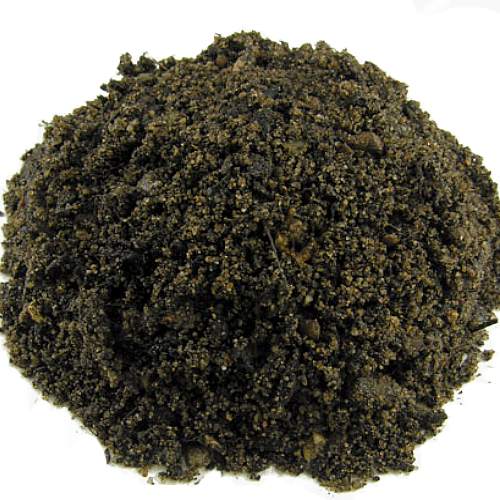
In practice, we start with compatibility. If your native soil is heavy and moisture retentive, bringing in a very light material can create layering and inconsistent drainage. If the site is free-draining and hungry, an overly fine or organic top soil can soften the surface and reduce wear tolerance. Particle size, friability, pH and the level of undecomposed organic matter all matter. So does how the material handles when moist. A product that looks fine in a dry heap can smear badly once worked into a wet seedbed.
For that reason, topsoil often sits alongside more specific profile products. If you are comparing materials for surface preparation, it is worth looking across Loam & Dressing, especially where presentation quality and profile consistency are important. For surface refinement and lighter corrections, Top Dressing gives you a more controlled option. Where drainage and stability need to be built into the profile, Rootzone may be the better fit than a general turf topsoil.
Testing matters too. Before major renovation or repeated dressing work, Soil Testing helps you understand pH, nutrient status and the broader soil condition. That gives you a better handle on how a new material will behave once it is introduced. It also supports more accurate decisions around soil nutrient balance, grass health and the wider grounds management programme.
How topsoil fits into sports turf maintenance
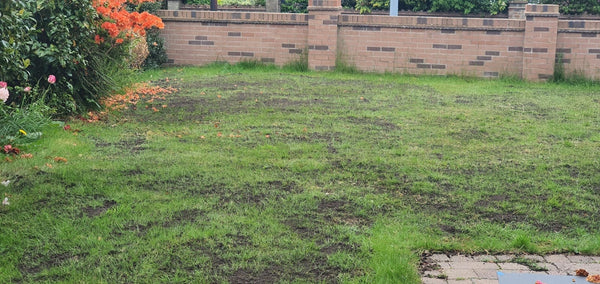
On football and rugby pitches, topsoil is commonly used in worn ends, touchline repairs, divot recovery areas and general establishment work around the shoulder months. On cricket outfields, it can support localised repairs and peripheral works; on cricket squares, though, generic topsoil should not be treated as a substitute for specialist square loam. On golf and amenity turf, it can help with shaping, turf establishment and landscaping around new features. For estates, lawns and paddocks, it is also a useful option where a reliable lawn topsoil is needed to restore levels or improve surface finish.
The best results usually come when topsoil is built into an integrated turf management approach. After levels are corrected and the seedbed is prepared, you are normally moving on to Grass Seed for establishment, then planning follow-up nutrition with Fertiliser. Moisture management is just as important. Freshly placed topsoil can dry quickly on the surface, especially in windy spring conditions, so reliable watering from Irrigation is often central to even germination and recovery. On hydrophobic or unevenly wetting sites, Wetting Agents can help water move through the profile more evenly, while Seaweed & Biostimulants are often used to support rooting and post-renovation recovery.
This is where experience counts. Adding more material is not always the answer. If the underlying issue is compaction, poor infiltration or weak grass cover, simply spreading topsoil over the problem can hide it for a few weeks rather than solve it. We would usually look at aeration, surface preparation, moisture control and establishment timing together. That is the difference between a quick cosmetic patch and a repair that stands up to traffic.
Choosing the right product for the job
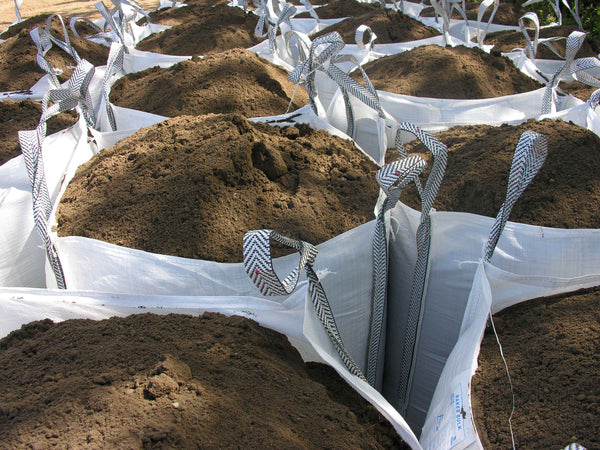
Bagged topsoil suits smaller repairs, patching and domestic-scale work where handling and storage matter. Bulk materials make more sense for larger renovation areas, construction projects or repeated use across a site. Screened blends are useful when you need a cleaner finish and easier raking. Enriched products can be handy for planting and early establishment. Mixed sports renovation materials offer a middle ground where you want topsoil with a more turf-focused profile.
Think about the end use first: a lawn topsoil for a new grassed area, a sports turf topsoil for renovation patches, or a blended soil for landscaping and planting. Then think about the season, machinery access, available labour and how quickly the area must return to use. Those practical details often decide whether a product is genuinely right for the job.
Using topsoil through the seasons
Spring and early autumn are usually the best windows for topsoil work linked to seeding and turf establishment; soil temperatures, moisture and recovery potential are generally on your side. In summer, topsoil can still be used for repairs and landscaping, but drying out becomes the main risk, so irrigation planning is essential. Through autumn and into winter, topsoil remains useful for construction, planting and selected renovation tasks, although saturated ground can smear and compact if you work it at the wrong time. As ever in turfcare, timing matters just as much as product choice.
Whether you are repairing a sports surface, preparing a new lawn or supporting wider landscaping work, the right topsoil helps create a more stable, healthier growing environment. Used well, it supports recovery, root development and a cleaner finish; used carelessly, it can introduce inconsistency into the profile. Pitchcare has topsoil options for practical site work, along with the linked products that help turn bare ground into established, hardwearing turf.


Recently viewed