


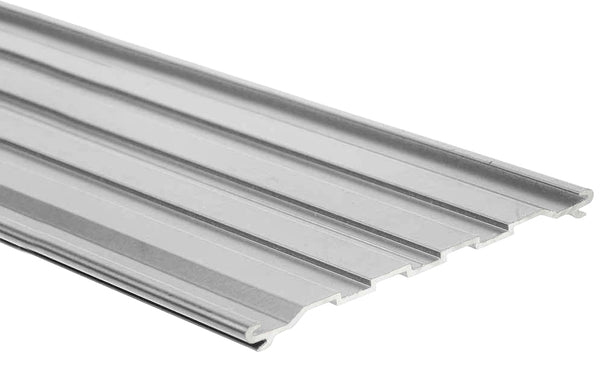


Lawn edging for cleaner borders and easier grounds maintenance
Lawn edging does a simple job, but it makes a big difference. A good lawn edging system creates a clear break between turf, paths, beds and hard landscaping, so every area looks sharper and is easier to manage. On the Pitchcare collection page, this category focuses on flexible metal lawn edging systems, edging packs and fixing components designed for neat, long-lasting borders. That makes it relevant for landscapers, estates, sports venues, contractors and serious home users alike.
From a turfcare point of view, lawn edging is about more than appearance. Defined edges help stop grass creep into borders, reduce trimming time and protect the shape of the site. On lawns around clubhouses, training grounds, schools, cricket pavilions and ornamental areas near pitches, metal garden edging helps create a professional finish that stands up to repeated maintenance. It also supports better workflow for mowing, strimming and leaf clearance because the edge is visible, consistent and durable.
Why metal edging suits professional and domestic sites
Metal lawn edging is popular because it offers strength without looking heavy. Flexible steel edging can follow curves, straight runs and tighter design details, which is useful where lawns meet flower beds, gravel, resin-bound paths or block paving. Materials and finishes matter here: galvanised steel helps resist corrosion, while CorTen-style finishes are often chosen for a more natural, weathered look. Fixing pins, sleeves and connection systems also matter because they keep the border stable in changing ground conditions. Those details are important whether you manage a smart entrance lawn or a wider landscape around a football or rugby facility.
Pitchcare’s current range includes EverEdge and Rite-Edge options, along with a pin and sleeve system for installation and fixing. That tells you this collection is built around durable border edging rather than lightweight plastic strips. For customers, the choice often comes down to finish, flexibility, project length, soil type and the level of edge definition you want to achieve.
Choosing the right lawn edging for the job
When you are selecting lawn edging, start with the site itself. A formal lawn beside a path usually needs a crisp, uniform border. A landscaped bed with curves may need flexible edging that bends cleanly without kinking. A larger estate or school site may prioritise speed of installation and easy replacement of sections. In practice, the key entities are material grade, steel thickness, finish, flexibility, fixing method, joint stability, installation depth and long-term resistance to movement. Those are the features that decide whether garden edging stays tidy after mowing, foot traffic, rain and seasonal ground movement.
For professionals, the technical benefit is control. Well-installed border edging helps retain mulch, gravel or bark in the right place. It also reduces edge breakdown where pedestrian traffic nips corners or where mower wheels repeatedly run the same line. On sports and amenity sites, that can be useful around spectator areas, pathways, landscaped surrounds and transition zones where presentation matters. For domestic users, the same principle applies: a clean lawn border makes routine maintenance quicker and gives the garden a more finished look.
How lawn edging fits into a full maintenance programme
Lawn edging sits neatly within a wider grounds management programme. You might first build grass strength with the right products from Granular Turf Fertiliser or Liquid Turf Fertiliser, then restore density with Grass Seed after wear or renovation. Around landscaped areas, unwanted growth can be managed with products from Weed Killer & Herbicides, while presentation work on sports areas continues with Line Marking. If levels need refining in adjacent turf areas, Top Dressing, Sand and Soils, and Machinery also play their part. That is how edging supports integrated turf management: it does not replace core agronomy, but it helps protect the finish around the turf you work hard to maintain.
This is also where professional insight matters. Strong surfaces are not built by one product category alone. The best sites are managed as complete systems, where grass health, soil structure, irrigation, wear tolerance and presentation all work together. Lawn edging supports that system by keeping non-turf areas contained, reducing messy interfaces and helping every other maintenance task look more precise. For clubs, schools and contractors, that visual order matters almost as much as the agronomy because first impressions count.
Seasonal use and practical installation advice
Lawn edging is less season-sensitive than fertiliser or seed, but timing still matters. Spring and early summer are popular for new edging projects because soils are workable and landscape tidy-ups often happen alongside renovation. Mid-season installation is common when pathways, beds or clubhouse surrounds are being refreshed. Autumn is also a good window, especially when you want borders in place before winter maintenance begins. In very wet or frozen conditions, installation can be slower because setting a straight, secure edge is harder.
Before fitting any metal lawn edging, mark out the line carefully and check levels against nearby paths or finished turf height. The goal is a defined border that looks clean without creating a trip point or scalping risk for mowers. On curved runs, work gradually so the edging keeps a smooth radius. On straight runs, pay attention to joints and pin spacing so the line stays true. If the area is being rebuilt fully, this is also the right moment to assess Irrigation, surface drainage and any nearby Tools & Equipment you may need for prep and finishing work.
Professional finish, less rework
The best lawn edging saves time after installation. It reduces hand trimming, limits turf encroachment and helps keep mulch, stone or soil where it belongs. That makes it a smart choice for lawn borders in gardens, estates and wider sports landscapes where presentation standards are high. Whether you are sharpening the look around a pavilion, defining ornamental beds near a training ground or upgrading a domestic lawn border, this collection gives you durable options that support tidy, efficient maintenance for the long term.


Recently viewed