


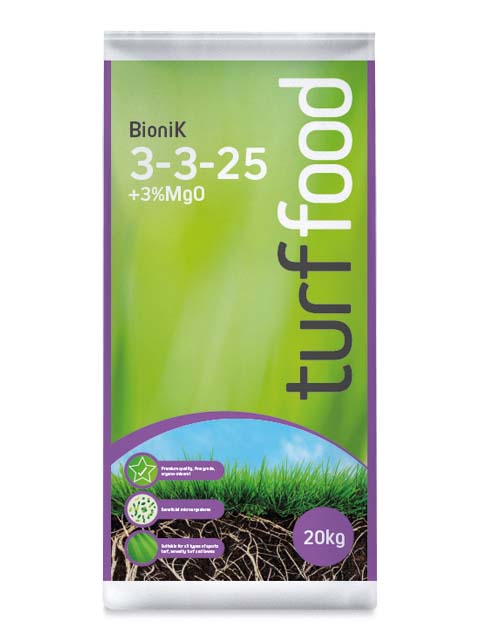




Organic Fertiliser for healthier turf, stronger rooting and steadier growth
Organic Fertiliser plays an important role in modern turfcare because it feeds the plant while also supporting the soil that sits underneath it. On football pitches, rugby surfaces, cricket outfields, golf roughs, paddocks and high-use amenity turf, that matters. We are not just chasing a quick colour response. We want steady growth, stronger rooting, better microbial activity and a sward that can recover from wear.
That is why many groundspersons and turf managers build Organic Fertiliser into a wider nutrition plan. Organic-based fertiliser products can help improve soil biology, stimulate nutrient cycling and support more consistent turf vigour over time. Depending on the formulation, they may include nitrogen, phosphate, potassium, carbon-rich organic matter, amino acids, humic substances, seaweed extracts or trace elements. Those ingredients can help with grass health, wear tolerance and recovery without the sharp flush of growth that sometimes comes with purely conventional feeding.
In practice, Organic Fertiliser is especially useful where you want a more measured response, improved rooting and better long-term soil condition. On winter games pitches, that can mean a surface that stays denser through repeated play. On cricket and golf outfields, it can support balanced growth without encouraging excessive leaf that then drives mowing pressure. On paddocks and estate grassland, it can help build a healthier base for regular use and seasonal recovery.
Why organic-based feeding matters in a turf programme
Professional turf management is always about balance: enough nutrition to maintain cover and presentation, but not so much that the plant becomes soft, lush or difficult to manage. Organic turf fertiliser products are useful here because they often release nutrients in a gentler pattern. That can improve nutrient use efficiency and help maintain more even growth across the surface.
They also fit well with integrated turf management. If your soil structure is under pressure, your root mass is shallow or your surface is struggling to recover after play, feeding the soil food web can be just as important as feeding the leaf. Soil bacteria, fungi, cation exchange capacity, organic matter breakdown and moisture retention all influence how well a pitch performs. That is one reason many turf managers pair Organic Fertiliser with Soil Testing and follow up with products from Seaweed & Biostimulants to support plant response during stress, recovery and renovation windows.
There is also a practical angle. Organic fertiliser for sports turf can suit managers who want to soften the peaks and troughs in growth through the season. That can help with clipping yield, presentation quality and labour planning. It can also reduce the risk of pushing growth too hard before a busy fixture run or before a period of dry weather.
Choosing the right Organic Fertiliser for your surface
Not every organic fertiliser works in the same way. Some products are true organic fertilisers with naturally derived nutrient sources. Others are organic-based fertilisers that combine conventional nutrient inputs with carbon, biology-supporting materials or biostimulant technology. The right choice depends on your surface, your soil profile and what you need the turf to do next.
For established winter sports pitches and general amenity areas, a granular organic fertiliser is often the starting point because it is simple to apply and well suited to larger areas. If you are comparing options, it is worth looking at Granular Turf Fertiliser, Liquid Turf Fertiliser and Slow Release Fertiliser as part of the same decision. Granular products are often ideal for broad, steady coverage; liquid options can be useful where speed, precision or tank-mix flexibility matters; slow-release products help where extended feeding and reduced application frequency are the priority.
You also need to think about surface suitability. A football or rugby pitch that is taking repeated wear may need an organic-based fertiliser that supports recovery and tillering without driving soft growth. A cricket outfield may benefit from a measured nutrient release that protects pace and presentation. A paddock manager may prioritise soil condition, root depth and durable cover, which is where Paddock Fertiliser can also come into the conversation.
Application method matters too. Even the best professional organic fertiliser will underperform if spread unevenly. Accurate calibration, forward speed and particle size all affect results. For that reason, many teams review their Seed & Fertiliser Spreaders before the main feeding periods. Good application discipline supports cleaner coverage, better nutrient distribution and fewer visual stripes across the sward.
Seasonal use through the year
Organic Fertiliser can be used across the season, but timing still matters. In spring, it helps wake the plant up in a controlled way and supports early root activity as soil temperatures rise. In summer, organic-based fertiliser can maintain steady growth without the surge that may stress the plant in dry conditions, especially when moisture management and Wetting Agents are part of the plan. In autumn, it fits well into recovery work after renovation and overseeding. In winter, use tends to be more selective, with rates and analysis chosen carefully to avoid forcing weak growth during cold, low-light periods.
How Organic Fertiliser fits into renovation and recovery
On real sites, Organic Fertiliser rarely works in isolation. It sits within a full grounds management programme that includes aeration, overseeding, irrigation, presentation work and wear recovery. After end-of-season renovation, for example, many turf managers will use Pre-Seed Fertiliser around establishment, then bring Organic Fertiliser back into the programme to support soil function and steady development as the new sward matures. Where the goal is stronger recovery from play, linking nutrition with the right seed is just as important, which is why collections such as Hardwearing Grass Seed are often part of the same workflow.
That joined-up approach is where organic feeding really earns its place. Better rooting, more even growth and improved soil activity can all support recovery after matches, training use and seasonal stress. It also helps you build a programme that is less reactive. Rather than waiting for thin turf, pale colour or poor vigour, you are supporting the plant and the rootzone before problems build.
For turf professionals and serious home users alike, the best organic fertiliser is the one that suits the surface, the season and the management objective. Pitchcare is here to help you compare organic lawn fertiliser, organic-based sports turf fertiliser and broader turf nutrition options so you can build a feeding plan that works in the real world: practical, balanced and focused on lasting surface performance.


Recently viewed