


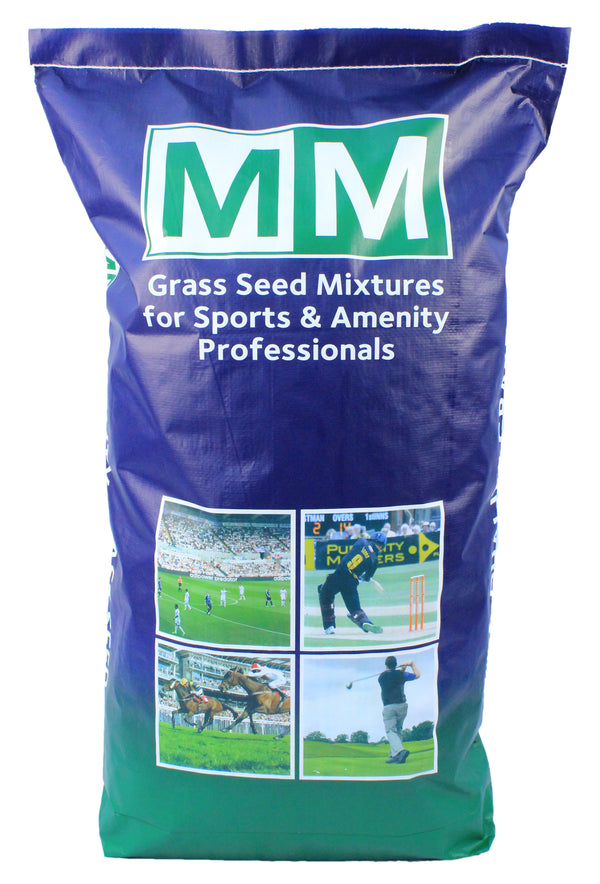
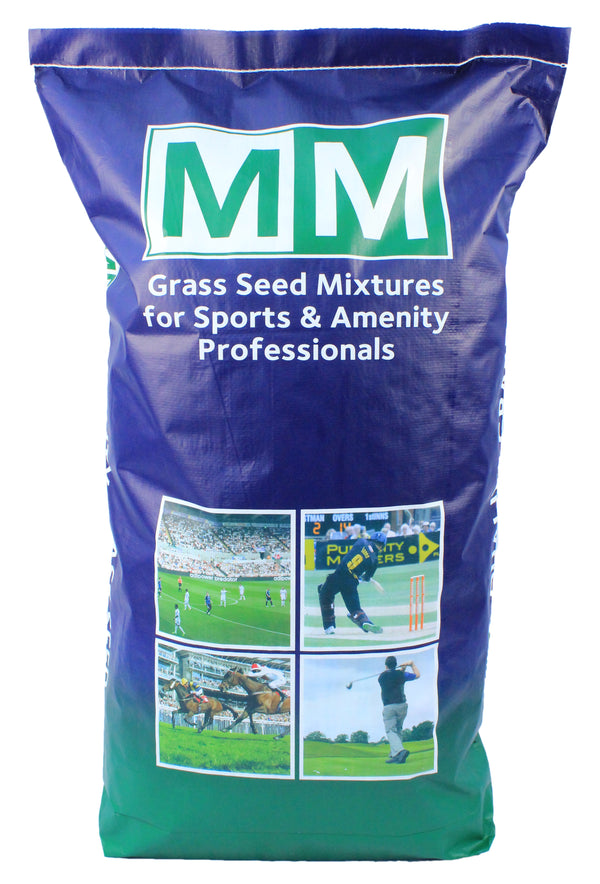
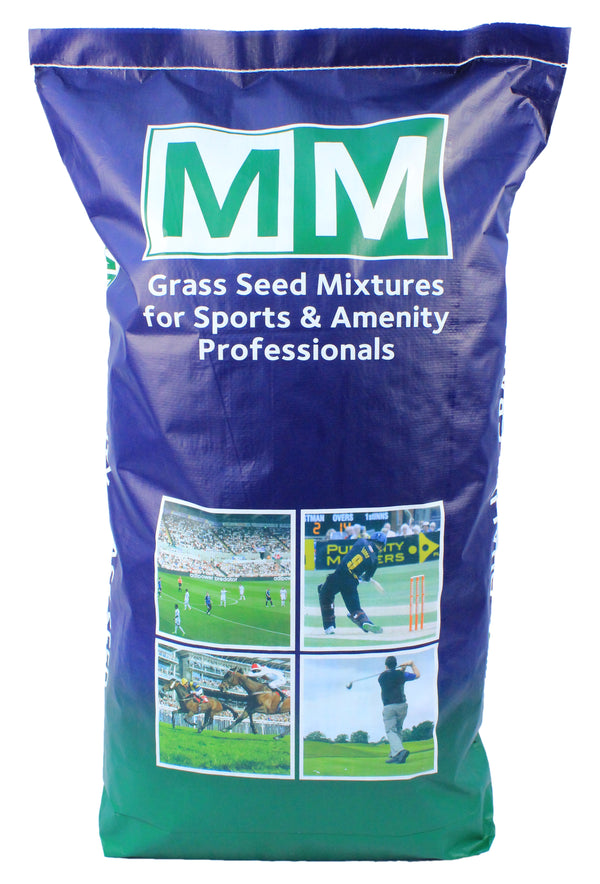
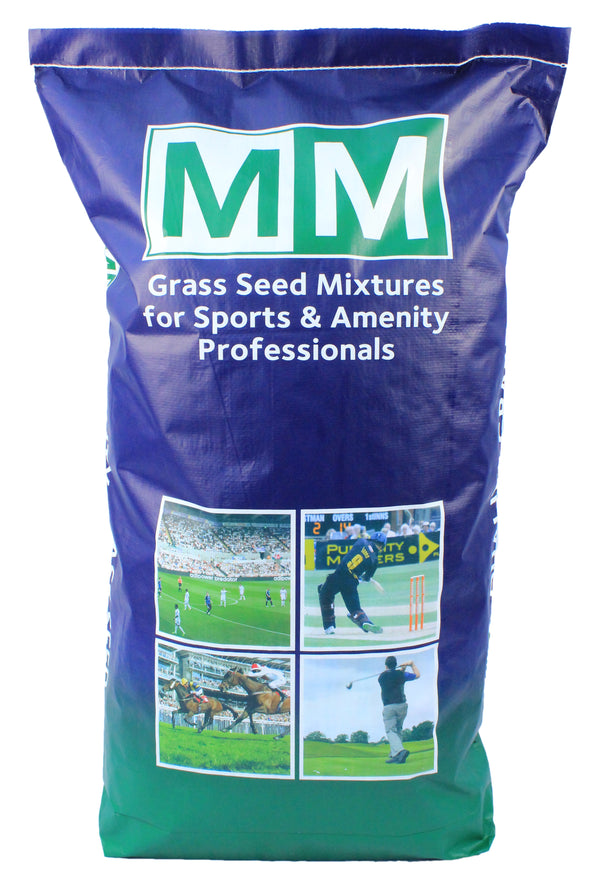
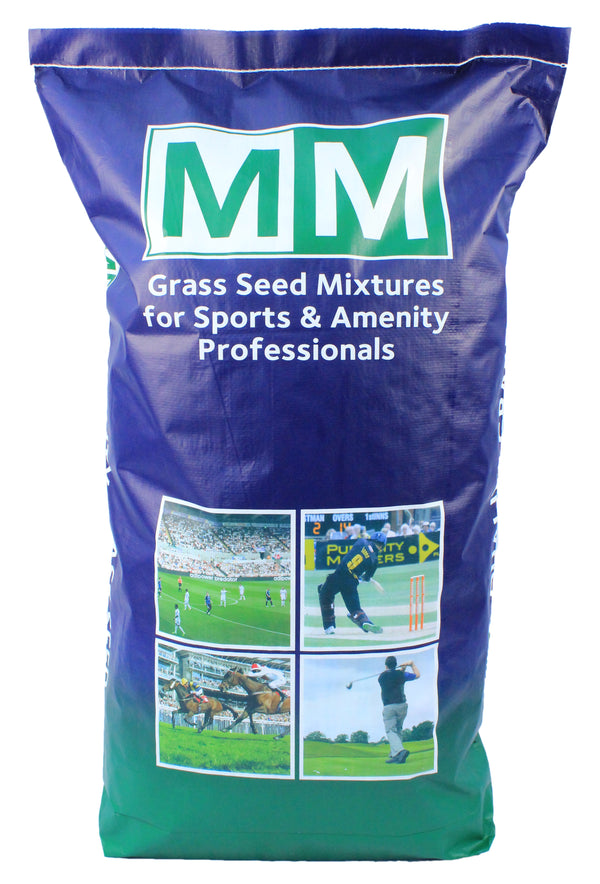
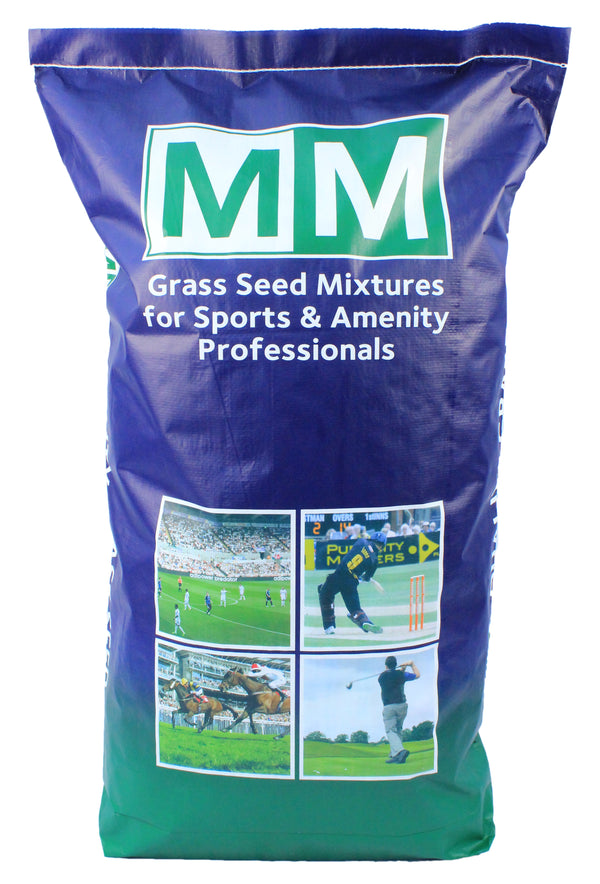


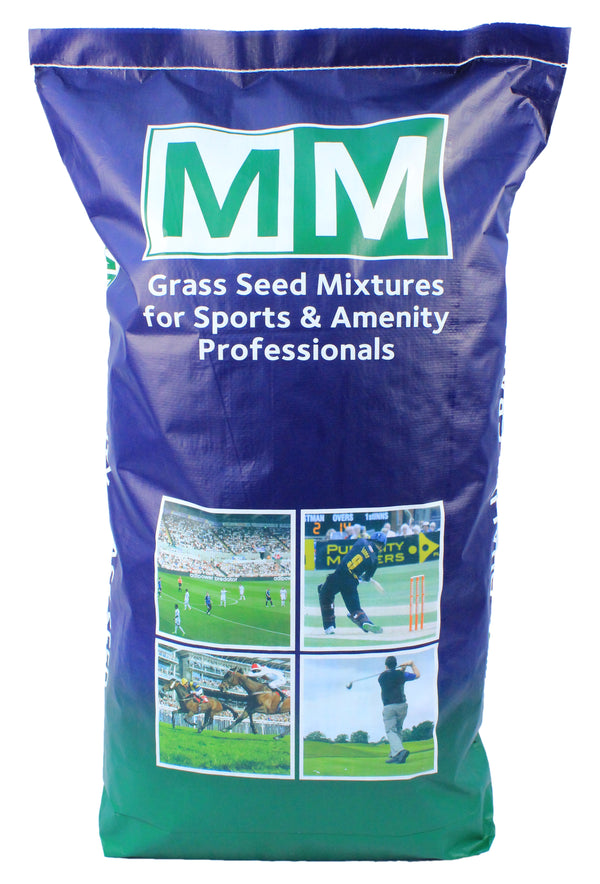


Professional grass seed for sports turf, lawns and landscape areas
Choosing the right grass seed is one of the biggest decisions in turfcare. It shapes establishment speed, wear tolerance, recovery, presentation and long-term maintenance input. On football and rugby pitches, the right sports grass seed helps surfaces cope with play, divoting and renovation. On cricket squares, outfields, golf areas and ornamental lawns, the best turf grass seed supports density, colour and sward quality. For contractors and home users alike, good seed selection gives you a stronger start and a better chance of producing a consistent surface.
This collection covers far more than a basic lawn mix. You will find sports turf seed for winter games, fine turf seed for close mowing, hardwearing grass seed for general amenity use and grass seed for lawn repair, landscaping and utility areas. That matters because no two sites are the same. Soil type, wear levels, mowing height, irrigation, shade, nutrient input and renovation timing all influence the best choice. A football renovation mix may lean heavily on perennial ryegrass for fast establishment and durability; a fine lawn or ornamental area may need a different balance of fescues and browntop bent for appearance and texture.
Matching seed mixtures to surface use
Professional grass seed mixtures are usually built around proven turf species and cultivars. Perennial ryegrass is popular for sports pitches because of its fast germination, strong wear tolerance and good recovery. Strong creeping red fescue and slender creeping red fescue suit finer, lower-input turf and can improve density and visual finish. Browntop bent is often chosen for finer surfaces where close mowing and smoothness matter. For landscaping grass seed and low-maintenance areas, mixtures may include species selected for persistence, reduced mowing demand and reliable cover.
When you compare products, look at more than the bag name. Seed purity, germination percentage, cultivar strength, tetraploid content, disease tolerance, shoot density and establishment speed all matter. On a busy pitch, rapid establishment can be the difference between a clean renovation and a thin, open surface. On a lawn or landscaped bank, drought response, leaf fineness and maintenance requirement may matter more. That is why Pitchcare is well placed to support both the working groundsperson and the serious domestic user who wants professional standards.
How grass seed fits into a full grounds management programme
Grass seed works best when it is part of a wider plan, not a one-off purchase. A typical programme starts with surface preparation and testing, then moves into nutrition, sowing, establishment and presentation. You might begin by checking profile condition with Soil Testing, preparing a seedbed with the right Tools & Equipment or Machinery, then applying Pre-Seed Fertiliser to support early rooting. From there, the chosen Grass Seed is sown at an appropriate rate in g/m², worked into the surface and followed with irrigation to maintain moisture around the seed.
Once the new sward is moving, you can support it with Plant Health inputs such as biostimulants, micronutrients and wetting products where needed. On established sports surfaces, overseeding often sits alongside renovation materials from Top Dressing, Sand & Soils to improve surface levels, rootzone condition and seed-to-soil contact. In-season, strong plant density also helps the turf compete better with weeds, which is why many managers link seed choice with Weed Killer & Herbicides at the right point in the programme. As surfaces return to play, Line Marking Paint and Line Marking Machines help complete the presentation side of the job.
That workflow reflects integrated turf management in the real world. Seed is not working in isolation; it is linked to soil structure, moisture management, nutrition, mowing, disease pressure and fixture demand. Grounds teams often have small windows for renovation, so practical details matter: surface cleanliness, sowing depth, rolling, germination sheets, irrigation cycles and early nutrition all play a part. The stronger the establishment phase, the better the grass plant can handle wear, recover from play and maintain cover during the season.
Professional insight on establishment and recovery
From a turf management point of view, overseeding is often about recovery as much as construction. High-wear goalmouths, centre corridors, cricket run-ups and tees rarely need vague advice; they need a proven seed mix, realistic sowing timing and good aftercare. Fresh seed into a compacted, dry or nutrient-poor surface will always struggle. That is why experienced teams combine aeration, cultivation, dressing and moisture control with the right turf seed. Done properly, this improves seed-to-soil contact, oxygen levels and root development; three basics that are still easy to overlook under fixture pressure.
Seasonal use of grass seed through the year
Seasonality matters with grass seed. Spring is a popular time for repair work, divot recovery and early renovation as soil temperatures rise and moisture improves. Late summer to mid-autumn is often the prime window for sports turf seed because warm soils and cooler air help germination and reduce stress on seedlings. That period suits football and rugby renovation especially well, and it is also useful for lawn seed, landscaping grass seed and general overseeding after heavy summer use.
Mid-season sowing can still work, but it needs tighter management. You may be overseeding after matches, protecting young plants from traffic and using irrigation or germination sheets to keep things moving. In colder months, establishment slows, so seed choice and expectations need to be realistic. Some specialist mixtures are better suited to lower temperatures, but winter sowing still depends on moisture, soil temperature and available light. The key is to match the seed mix and timing to the site rather than forcing a one-size-fits-all plan.
Choosing the right seed for your site
If you are selecting grass seed for a football pitch or rugby pitch, focus on wear tolerance, recovery speed and presentation. For cricket outfields, golf roughs and general sports areas, you may want a blend of durability and visual quality. For fine lawns and ornamental areas, leaf fineness, density and mowing response will often be higher priorities. For paddocks and landscape areas, persistence and lower maintenance may matter most. In every case, think about expected use, mowing height, soil moisture, fertility and how quickly you need cover.
It also helps to think ahead. Will the area be irrigated from the Irrigation range, or will it rely on rainfall? Is it a high-input site with regular fertiliser, or a lower-input area where species choice does more of the work? Are you sowing into a newly prepared rootzone, a worn existing sward or a shaded landscape edge? Those questions help narrow down the best grass seed, whether you need professional turf seed for major renovation or grass seed for lawn recovery at home.
Pitchcare is known across the industry because it supports the practical side of grounds management as well as the supply side. This seed range gives you access to mixtures for sport, fine turf and landscape use, while the wider site connects that choice to agronomy, renovation and presentation. For more advice, it also makes sense to explore the Pitchcare Magazine alongside related ranges such as Pre-Seed Fertiliser, Plant Health, Top Dressing, Sand and Soils and Line Marking. That joined-up approach helps you buy with more confidence and manage turf with a clear plan.


Recently viewed