


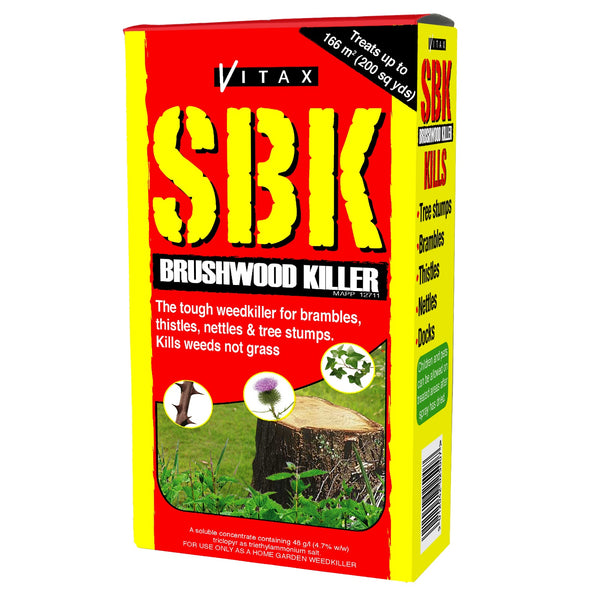
Home garden weed killers for cleaner, stronger turf
Home garden weed killers are about more than tidying up a few visible weeds. They help protect grass cover, improve presentation quality and reduce competition for light, water and nutrition. That matters on domestic lawns, but the same principle runs right through sports turf and wider grounds management. Whether you are looking after a back garden, a school field edge, an estate lawn or a small practice area, the aim stays the same: cleaner turf, stronger grass and fewer opportunities for weeds to take hold.
When broad-leaved weeds move into a lawn, they quickly disrupt density and uniformity. Clover, daisies, dandelions and plantain all compete with the grasses you want to keep. On managed turf, that affects appearance; on higher-wear areas, it can also affect recovery and wear tolerance. In practical terms, weeds steal space from productive grass and make every other part of the maintenance programme work harder.
Why weed control matters in managed grass
A good home garden weed killer supports the grass by removing that competition. Once the weed burden drops, the sward has a better chance to thicken up, use nutrition properly and recover after wear or stress. That is why we look at weed control as one part of a wider turfcare programme rather than a quick cosmetic fix. In many cases, weed pressure sits alongside thin growth, poor rooting or inconsistent nutrition, so it makes sense to connect herbicide use with a broader look at Turf Fertiliser and Plant and Soil Health.
For domestic users, that means a tidier lawn with fewer interruptions to colour and texture. For grounds teams and turf managers, it means cleaner outfield edges, better-presenting surrounds and fewer weak areas that can open up under regular use. In both settings, home garden weed killers help the grass do its job more effectively.
Choosing the right type of home garden weed killers
The first decision is simple: are you treating weeds in grass, or are you clearing vegetation completely? For lawns and managed turf, selective weed control is usually the answer. These products are designed to target common broad-leaved weeds while leaving established grass species in place when used correctly. For hard surfaces, gravel and non-crop areas, a total herbicide may be more appropriate where complete knockdown is needed.
That distinction is essential. A selective lawn weed killer is intended to preserve the sward. A non-selective herbicide is not. If you apply the wrong product in the wrong place, you create more renovation work for yourself and risk thinning the grass badly. That is why product label, application rate and surface suitability always come first. On larger sites, weed control often needs to be timed around renovation inputs such as Loam & Dressing and seasonal feeding from Fertilisers.
Formulation, timing and practical use
Most home garden weed killers are available as liquid concentrates or ready-to-use packs. Liquids suit accurate application and even coverage; they are especially useful where you want consistent results over a wider area. Ready-to-use products are handy for smaller lawns and localised infestations. In either case, a lawn weed killer performs best when weeds are actively growing and the turf is not under drought, disease pressure or other obvious stress.
From a technical point of view, selective weed control often relies on active ingredients such as fluroxypyr, mecoprop-P, dicamba or MCPA. These are chosen because they target broad-leaved weeds while remaining selective in turf when applied properly. In practice, that means checking dose, water volume, nozzle choice and spray pattern. It also means observing any safe re-entry interval, reducing drift and handling products in line with Control of Substances Hazardous to Health requirements.
Using weed killers within a wider grounds management programme
The strongest results come when weed control sits alongside mowing quality, sensible feeding, moisture management and surface repair. We see this all the time on sports surfaces. If the sward is weak, open or underfed, weeds return because the grass cannot compete hard enough. If the grass is dense and actively growing, the surface becomes naturally less inviting to invasion. Home garden weed killers work best when they are backing up good turf management rather than replacing it.
That matters just as much at home as it does on a cricket square surround, a football touchline edge or a worn amenity lawn. Once the weeds have been reduced, the next step is to support the grass so it can occupy the space properly. That may mean improving nutrition, encouraging fresh growth, correcting worn patches or planning light renovation work. A good herbicide application creates the opportunity; the wider maintenance programme locks in the benefit. On sports sites, that workflow often connects with Line Marking, Line Marking Machines and Line Marking Paints, especially where presentation standards are high throughout the season.
Professional insight: avoid treating symptoms only
One of the biggest mistakes in weed control is treating the visible weed and ignoring the reason it arrived. Thin grass, low fertility, surface compaction, shallow rooting and irregular mowing all create openings for weeds. We can spray out the symptom, but unless we strengthen the sward, the same issue often reappears. That is why professional weed control is tied so closely to integrated turf management. We are not simply killing weeds; we are trying to shift the balance back in favour of the grass plant.
That professional mindset is useful on home lawns too. If you have persistent clover, plantain or daisy pressure, it is usually a sign that the surface needs more than a spray. It may need better density, improved growing conditions or a more consistent maintenance programme. Seen in that light, home garden weed killers are valuable tools, but they are still only part of the answer. Supportive products from Plant and Soil Health can also help when stress, rooting or soil biology are limiting recovery.
Seasonal use and what to expect
Seasonality matters. Spring and early summer are often the strongest windows for selective lawn weed killer use because weeds are growing actively and the grass is moving well enough to recover. Mid-season applications can still work nicely where growth remains steady and conditions are suitable. Late summer and early autumn can also be effective, provided the surface is not under obvious stress and weather allows good uptake.
Winter is normally a poor period for routine weed control in lawns because growth slows, uptake becomes less reliable and results can be disappointing. In practical terms, it is better to time treatment around active growth than to chase weeds at the wrong point in the season. A well-timed application usually gives cleaner, more consistent control and fits more naturally into the wider grounds management programme. Seasonal nutrition from Fertilisers by Season can then help the sward fill back into treated areas.
Making better product choices
When you are comparing home garden weed killers, think about three things: the surface, the weed spectrum and the scale of the job. A small domestic lawn may only need a simple ready-to-use selective herbicide. A larger managed area may call for a liquid concentrate, calibrated sprayer and tighter control of water volume. Some products are stronger on clover; others offer broader performance across mixed broad-leaved weeds. Matching the product to the problem is what improves outcomes.
Good application practice matters just as much as product choice. Avoid windy conditions, avoid mowing too close to treatment and do not spray stressed turf. Keep drift off ornamentals and borders, and always work to the label. In weed control, small details make the difference between patchy suppression and reliable results. Used thoughtfully, home garden weed killers help create cleaner, denser and more resilient turf, especially when they sit within the same maintenance thinking as Fertilisers by Type and targeted surface improvement work.


Recently viewed