


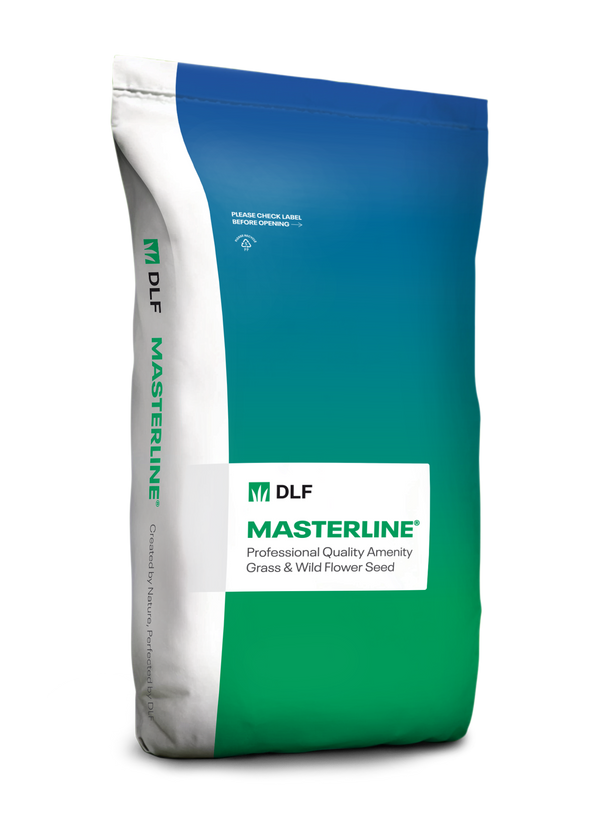

Choosing the right lawn grass seed for better turf
Lawn grass seed is the starting point for any good lawn. Whether you are building a new surface from scratch, repairing worn areas or carrying out a full lawn renovation, the seed mix you choose will shape how the turf looks, wears and recovers. At Pitchcare, the range covers fine ornamental options, hardwearing lawn seed, shaded area mixes and general-purpose blends, so you can match the seed to the job rather than forcing one mix to do everything.
For professional groundspersons, estate teams and serious home users, that matters. A fine lawn outside a clubhouse needs a different balance of grasses from a family lawn, a landscaped area or a school sports surround. Some lawn grass seed mixes are designed for appearance and close mowing; others are built for wear tolerance, faster establishment and stronger recovery. That is why you will often see species such as perennial ryegrass, slender creeping red fescue, strong creeping red fescue, chewings fescue and browntop bent used in different proportions. Each one brings something useful to the sward, from density and colour to drought tolerance, shade tolerance and traffic performance.
What makes one lawn seed mix different from another?
The detail sits in the cultivars, species blend and intended use. A fine lawn seed mix will usually favour finer-leaved grasses for a neater finish and tighter presentation. A hardwearing grass seed mix often includes more perennial ryegrass for quicker germination and better wear resistance. Shaded lawn seed will lean towards grasses that can cope with reduced light levels, while landscaping grass seed is often selected for reliable establishment across larger amenity areas.
It is also worth looking at sowing rate, seed size and expected establishment speed. Faster germination helps when you need quick cover on bare ground. Finer species often reward patience with a smarter finish. For many users, the best lawn grass seed is the one that matches the site: soil type, mowing height, traffic, irrigation levels and how much ongoing maintenance you can realistically give it.
How lawn grass seed fits into a proper turfcare programme
Grass seed works best when it is part of a wider plan. Good turf establishment depends on seed-to-soil contact, moisture, temperature and nutrition. Before sowing, many teams will improve the seedbed with the right products from Pre-Seed Fertiliser and check pH, organic matter and nutrient balance through Soil Testing. During establishment, support from Irrigation helps keep the top layer moist and encourages even germination. Once the grass is moving, products from Plant Health can support root development and steady growth; where older lawns need tidying before overseeding, suitable options from Weed Killer & Controls can help reduce competition. On larger sites, reliable Machinery and practical Spreaders make seed and fertiliser application more accurate and consistent.
That joined-up approach is how professionals manage surfaces. On a sports site, lawn areas around pavilions, spectator banks, training surrounds and general amenity spaces still need to sit neatly beside the main playing area. A typical programme might involve improving soil condition, choosing the right mix from Grass Seed, feeding for establishment, managing moisture, then carrying out mowing and presentation work as the sward matures. It is integrated turf management in simple terms: do the basics well and each stage supports the next.
Professional insight for lawns, landscapes and sports surrounds
From a grounds management point of view, seed choice is rarely just about colour. It is about recovery, density and suitability. A school or club may want a lawn seed mix that can handle foot traffic and occasional event use. An estate manager may prioritise visual quality and slower vertical growth. A contractor might need a dependable amenity grass seed for larger schemes where uniform cover matters. The strongest results usually come from matching species to use, then backing them up with sensible mowing, feeding and watering rather than chasing a quick fix later.
Seasonal timing and practical sowing advice
Spring and autumn are usually the key windows for lawn grass seed. Soil temperatures are kinder, moisture is more dependable and young plants can establish before heat or cold puts them under pressure. Spring sowing suits new lawns and patch repair after winter wear; autumn is ideal for lawn renovation and overseeding because the soil is still warm while weed pressure often starts to ease. Summer sowing can work with careful irrigation, but dry conditions raise the risk of uneven germination. Winter sowing is generally less predictable because colder soils slow establishment.
Preparation still makes the difference. Start with a clean, level seedbed and remove debris. Rake or cultivate the surface enough to create tilth without leaving it fluffy. Apply seed evenly at the recommended rate; then lightly rake or roll so the seed sits in close contact with the soil. Keep the surface moist during germination, especially in the first two to three weeks. Avoid rushing the first cut; wait until the new grass is well anchored and tall enough to trim without stress.
Overseeding existing lawns
Overseeding is often the most cost-effective way to improve a tired lawn. It boosts density, helps crowd out moss and weeds, and refreshes worn zones without a full restart. For best results, mow first, scarify or rake out thatch, open the surface and make sure the new lawn seed can reach the soil. This is particularly useful on lawns that thin after summer stress or winter traffic. A quality turf seed blend can restore cover and improve appearance far more effectively when the surface has been prepared properly.
Finding the best lawn grass seed for your site
The best results come from being honest about the conditions. For a smart front lawn or decorative setting, a fine lawn grass seed with fescues and bent can give a dense, tidy finish. For family use, school grounds or mixed amenity areas, a hardwearing lawn seed with strong wear tolerance is often the better call. For awkward corners and tree-lined sites, a shade-tolerant grass seed blend gives you a stronger chance of lasting cover. If you are renovating a larger site with sport and landscape crossover, it can also be worth looking at related options in Landscaping Grass Seed or even more durable mixtures within Hardwearing Grass Seed.
Pitchcare is well placed for that broader view. The collection is not just about buying a bag of seed; it is about choosing a product that fits the surface, the season and the maintenance plan around it. Whether you are seeding a new lawn, carrying out patch repair or planning a full overseeding programme, the right lawn grass seed gives you the foundation for healthier, stronger and better-looking turf.


Recently viewed