

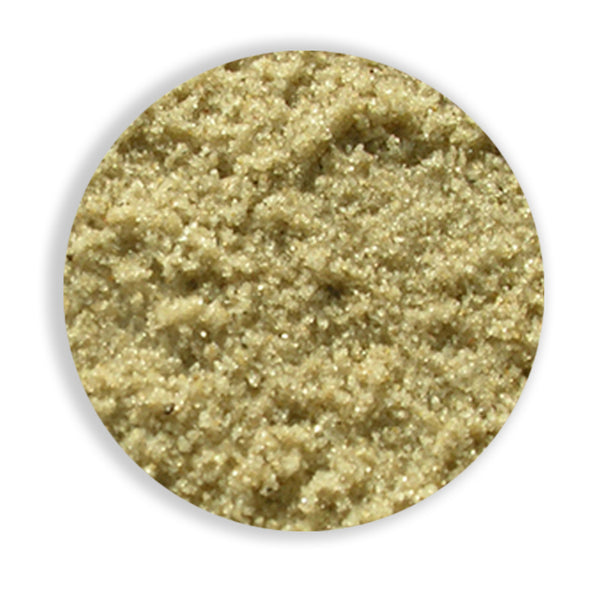

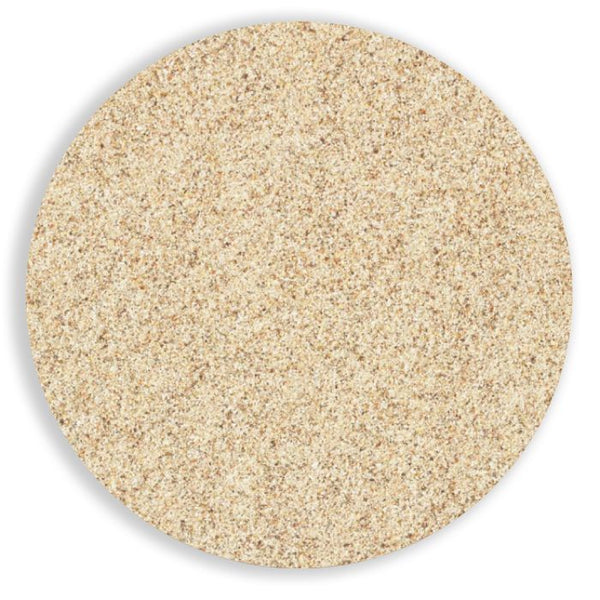
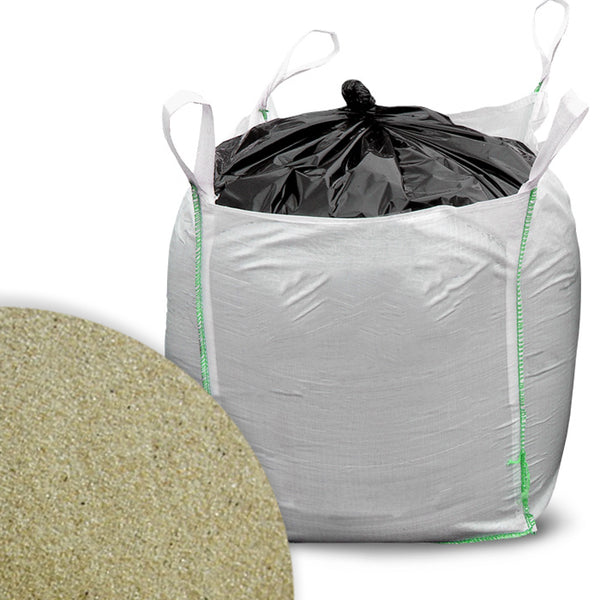

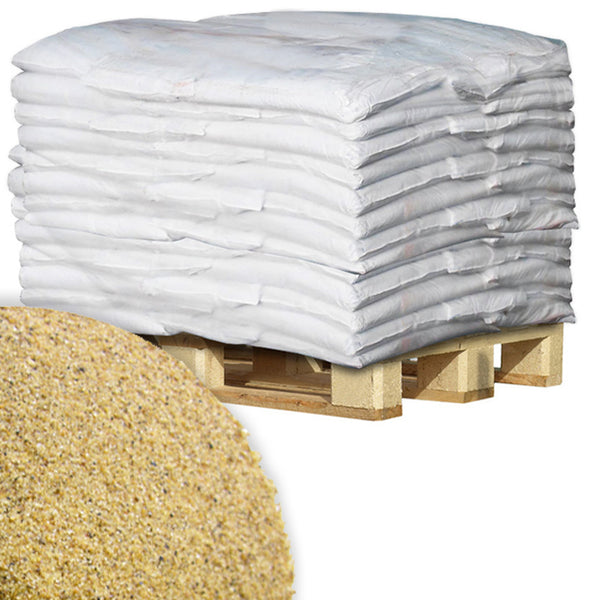

Sand for sports turf, landscaping and surface preparation
Sand is one of the most useful materials in turfcare; it supports drainage, helps refine surface levels and plays a big part in renovation work across football, rugby, cricket, golf and managed amenity turf. The key is using the right sand for the right job. Sports sand, lawn levelling sand, kiln dried sand and artificial turf sand all behave differently, so matching product to surface is what protects performance and presentation quality.
On natural turf, sand is often used to improve infiltration, support wear recovery and keep surfaces truer under play. On artificial surfaces, dry silica sand helps ballast the carpet and support the fibre. In landscaping and domestic settings, play sand and levelling sands help with finishing, brushing in joints and tidying uneven areas. Whatever the setting, good sand selection comes back to particle size distribution, cleanliness, consistency and how the material will sit within the existing profile.
For sports turf teams, sand is rarely a standalone answer. It usually sits within a wider Loam & Dressing programme and is often paired with Top Dressing materials or a sand-dominant Rootzone blend. That matters because a compatible profile gives you better porosity, steadier moisture movement and fewer problems with layering. It also helps your aeration and overseeding work deliver a more reliable response.
Why sand choice matters
Not all sand is suitable for turf. Clean, sports-grade sand is designed for drainage, dressing and surface work; builders’ sand is not. On pitches and fine turf, the wrong sand can seal the surface, create soft interfaces or leave a profile that holds water in the wrong place. That is why experienced groundspersons look at shape, grading and compatibility before making a choice.
If you are topdressing a football or rugby pitch, the aim is normally to keep the surface open and playable while supporting grass health. If you are levelling a lawn or localised cricket outfield hollows, you need a sand that works evenly through the canopy and does not leave harsh ridges. If you are maintaining artificial turf, kiln dried sand needs to be free flowing and dry enough to brush through the fibres cleanly. Those are different jobs; they need different sands.
How professionals use sand in practice
Sand is commonly worked into renovation and repair programmes after aeration, scarification or surface clean-up. Light dressings can help smooth minor disturbance, protect seed and improve seed-to-soil contact. In higher-wear areas such as goalmouths, touchlines and training grids, sports sand can also be used to tidy damage and support recovery when used sensibly alongside overseeding and moisture management.
For artificial turf, sand is about stability and fibre support rather than grass growth. Kiln dried infill needs to be brushed in evenly and kept at the correct depth, otherwise ball roll, traction and visual finish can all suffer. For play areas and general landscaping, washed play sand gives a neat, practical finish where a softer, cleaner material is required.
Sand through the seasons
Sand has year-round value, but timing still matters. In spring, it often features in surface renovation and post-winter recovery, especially where compaction and poor drainage have limited early growth. Through late spring and summer, dry conditions make it easier to work sports sand or lawn levelling sand into the canopy and achieve a cleaner finish. This is also a common window for brushing kiln dried sand into artificial turf.
Autumn is a major season for sand on natural turf because it ties in with hollow coring, deep aeration and overseeding. That is when many grounds teams use sand as part of a full recovery programme, rather than as a quick cosmetic fix. In winter, applications are usually more selective; the focus shifts to keeping high-wear areas tidy, protecting surface levels and avoiding unnecessary layering on already wet native-soil pitches.
Using sand as part of an integrated grounds programme
The best results come when sand sits inside an integrated turf management plan. Before choosing a dressing sand or rootzone material, it is worth using Soil Testing to understand texture, organic matter and how freely the profile drains. That gives you a much clearer picture of whether you need straight sand, a compatible amendment or a fuller reconstruction approach.
Moisture is just as important. Sand-rich profiles can drain quickly, but they can also dry out faster in warm weather. That is why many sports turf managers combine sand-based programmes with Wetting Agents to improve water movement and reduce localised dry patch. Once the surface is prepared, recovery often depends on selecting the right Grass Seed for wear tolerance, speed of establishment and seasonal conditions.
There is a practical lesson here that most experienced groundspersons learn early: sand is not a cure-all. On a native-soil pitch, repeated sand applications without aeration, profile matching or drainage planning can make the top few millimetres look better while the underlying problem stays put. In the worst cases, you create a perched layer that slows infiltration and weakens recovery. Good grounds management means treating cause and effect together.
Where sand-based renovation is part of the plan, moisture retention and early establishment also need attention. After overseeding, many teams use Germination Sheets to hold warmth and moisture at the surface, especially during shoulder-season renovations. That can make a real difference to strike, recovery and overall presentation quality.
Choosing the right sand for your surface
When you are comparing products, start with the job in front of you: drainage support, surface levelling, dressing, infill or general landscape use. Then look at the surface type, expected wear and how the material will be applied. Sports turf managers will usually prioritise drainage characteristics, compatibility with the existing profile and clean application through the sward. Domestic users may focus more on finish and ease of handling, but the same rule still applies: use a sand that suits the surface, not just the label.
Pitchcare is strongest when products are used as part of a complete, sensible programme. If you need a sand for renovation, dressing or infill, think about how it links with rootzone performance, moisture management, seed establishment and long-term recovery. Get that right and sand becomes far more than a fill material; it becomes a reliable part of better surfaces, stronger grass cover and cleaner presentation across the whole season.


Recently viewed