
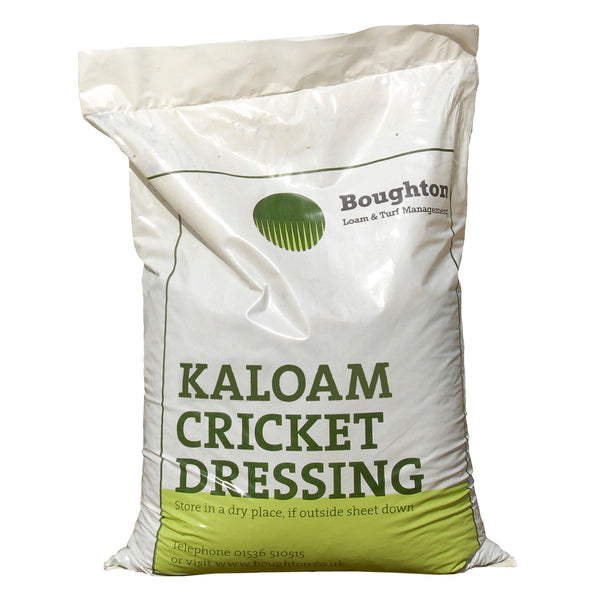
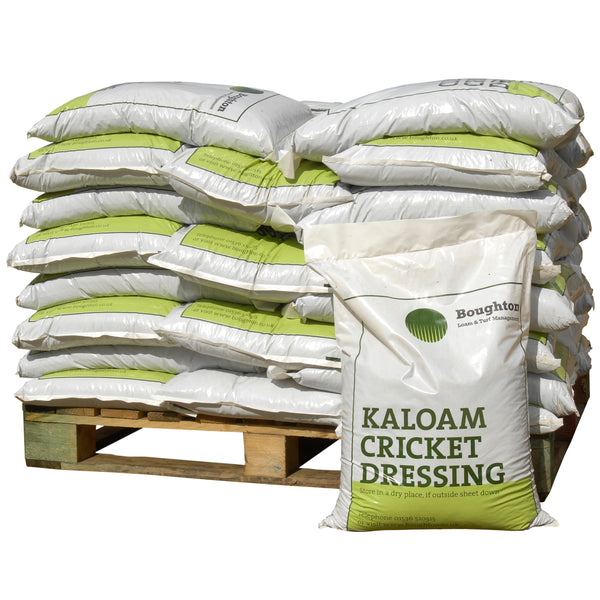


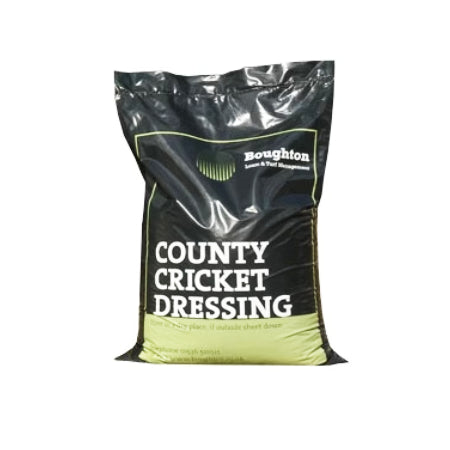
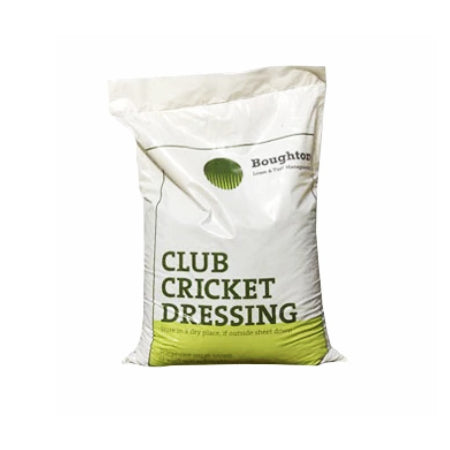



Cricket loam for wicket preparation, repairs and square performance
Cricket loam sits right at the heart of square performance. It is the material that helps you build a firm, true and durable playing surface for training, school, club and first-class cricket. Good cricket loam supports pace, bounce, consolidation and surface stability; it also gives you a reliable base for wicket repairs, end-of-season renovation and new square construction.
When we talk about cricket loam, we are really talking about matching the material to the square you already manage. The right loam for cricket wickets needs to be compatible with your existing profile. That means looking closely at clay content, binding strength, particle make-up and how the material will knit into the top of the wicket. A loam that is too different from the native profile can create layering, inconsistent drying and uneven performance. That is why experienced grounds teams treat cricket pitch loam as a technical choice, not just a top-up material.
Why clay content and binding strength matter
The big factor with wicket loam is clay. Higher clay content usually gives stronger binding and more potential for pace and carry when the profile is well managed. Lower clay content can be easier to work with, but may not offer the same firmness or wear tolerance for higher standard cricket. The practical aim is not to chase the highest clay figure possible; it is to choose a loam top dressing that matches your square and your level of play. Club wickets, school squares and high-use practice strips can all need a slightly different approach.
Pitchcare highlights the value of the Adams and Stewart soil binding, or ASSB, Motty test before choosing cricket loam. That test helps you understand soil binding strength and select a loam with a similar clay content to your present wicket profile. The collection guidance says soils testing between 45 kg and 70 kg are generally suitable for club pitches, while 70 kg to 90 kg suits first-class pitches; values below 45 kg or above 90 kg are generally considered unsuitable for cricket pitches.
How professionals use cricket pitch loam in a maintenance programme
In practice, cricket loam is used in several ways: patching footholes and ends during the season; restoring levels after wear; dressing and restoring the square in renovation periods; and building up profiles on new wickets or reconstructed ends. A quality cricket pitch dressing helps maintain levels, supports consolidation and gives the grass plant a sound rootzone near the surface. It is not a fertiliser and it is not a cure-all; it is a structural material that works best when it is part of a joined-up grounds management programme.
A typical programme might start with Soil Testing so you understand profile strength, pH and organic matter. You may then support establishment with Pre-Seed Fertiliser or wider Plant & Soil Health products, overseed worn areas with Cricket Pitch, Tennis Court Grass Seed, repair and build levels using Cricket Loam or other Top Dressing, Sand and Soils, manage water with Irrigation and finish presentation work with the right Machinery and Tools & Equipment. That is the real value of integrated turf management: each stage supports the next, and the square performs better because the whole process makes sense.
Choosing the right loam for your square
When you are comparing cricket loam products, think about the surface you are maintaining and the work you need the material to do. For new pitches and major surface renovation, profile compatibility is everything. For in-season wicket repairs, workability and binding response matter just as much. For square maintenance, many groundspersons want a cricket pitch dressing that spreads cleanly, consolidates well and accepts seed where required. You should also think about application depth, moisture level at installation, rolling response and how quickly the repaired area needs to come back into use.
There is also a practical balance between professional and domestic use. Most customers in this category are managing sports surfaces, but some serious home users do prepare cricket strips or practice areas. The same rules still apply: match the loam, avoid sharp profile changes and work with moisture and consolidation, not against them. That professional discipline is what separates a tidy-looking surface from a wicket that plays properly.
Seasonal use of cricket loam through the year
Cricket loam has a very clear seasonal role. In spring, it is used for pre-season tidying, low-spot correction and final wicket preparation before rolling and mowing intensity increase. Through the playing season, cricket loam supports pitch repairs, foothole work and localised patching on high-wear ends. In late summer and autumn, it becomes central to end-of-season renovation, when scarification, overseeding and dressing help restore levels and rebuild the square. Winter is usually more about planning, profile review and ordering the right material for the next programme, rather than heavy application on saturated surfaces.
Professional insight for better square performance
The best grounds teams do not treat cricket loam as a stand-alone purchase. They look at how it affects surface levels, grass health, moisture management and long-term square consistency. That is where true professional insight comes in. A wicket that breaks up too easily may point to weak binding or a mismatch in profile. A wicket that dries unevenly may point to layering or poor integration between old and new materials. Good cricket loam selection helps prevent those issues before they start, which is why the ASSB or Motty test remains such a useful guide for serious cricket grounds management.
Pitchcare is well placed for that joined-up approach. Alongside cricket loam, you can build a more complete maintenance plan with Grass Seed, Pre-Seed Fertiliser, Biostimulants & Micronutrients, Wetting Agents and Penetrants, Top Dressing, Sand and Soils and the right Machinery for renovation and presentation. When those parts work together, you give your square a better chance of producing firm, consistent and reliable wickets across the full season.
Recently viewed