









Ecology and Wildlife for Better Grounds Management and Healthier Sports Sites
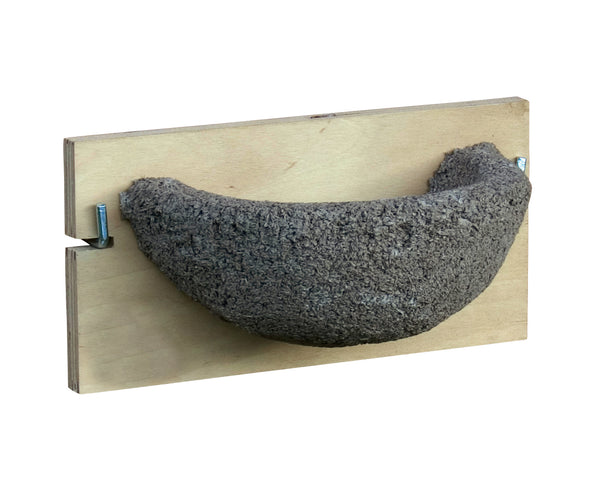
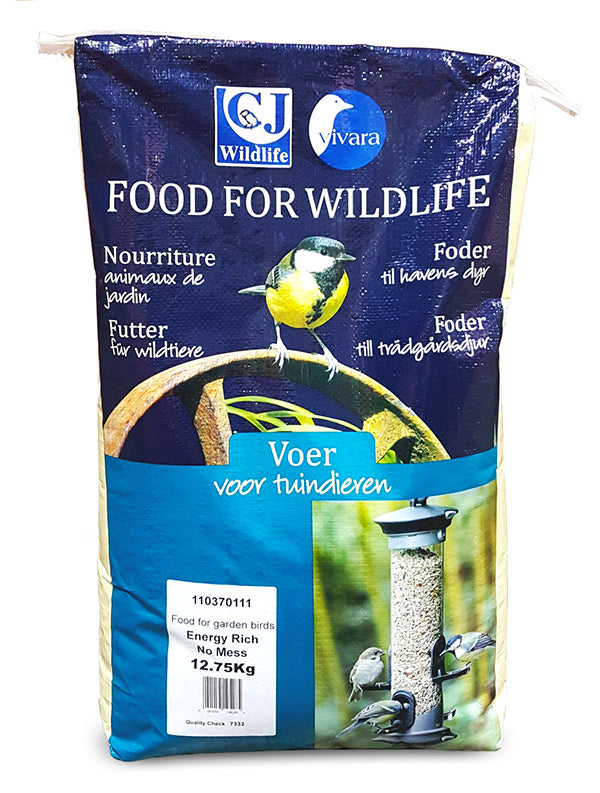
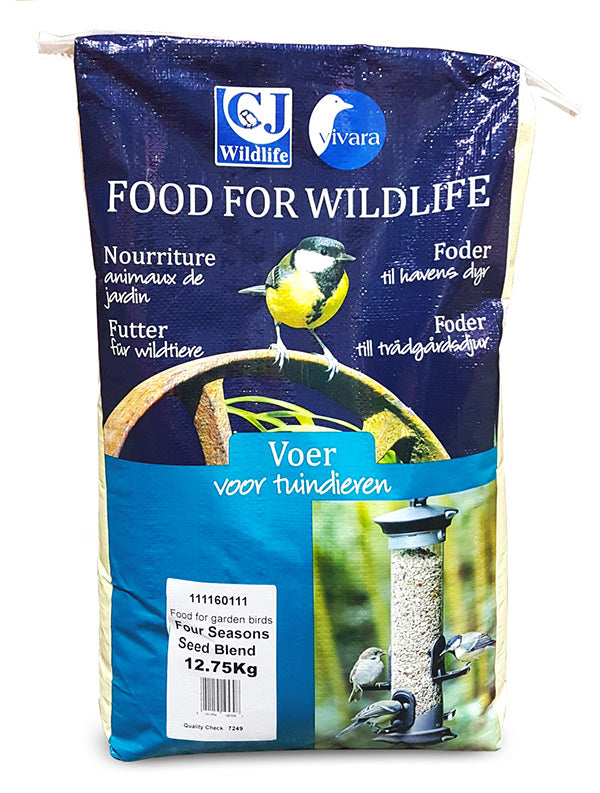
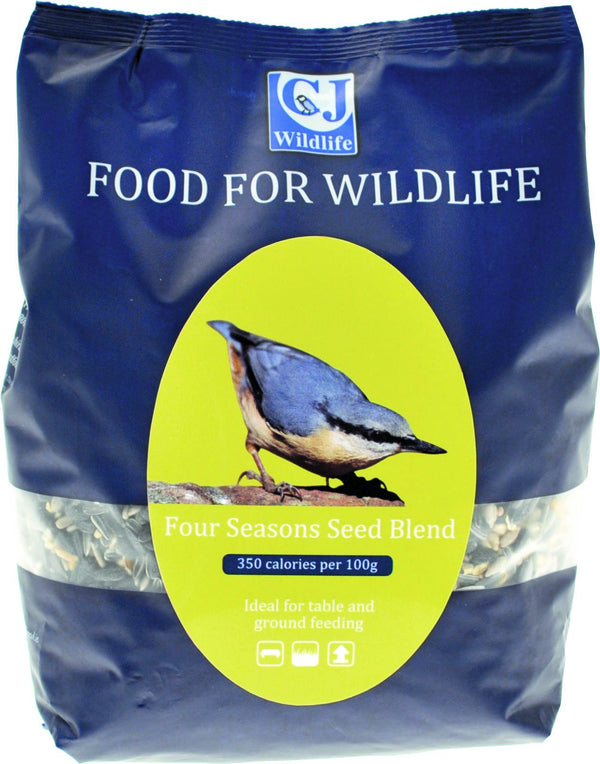
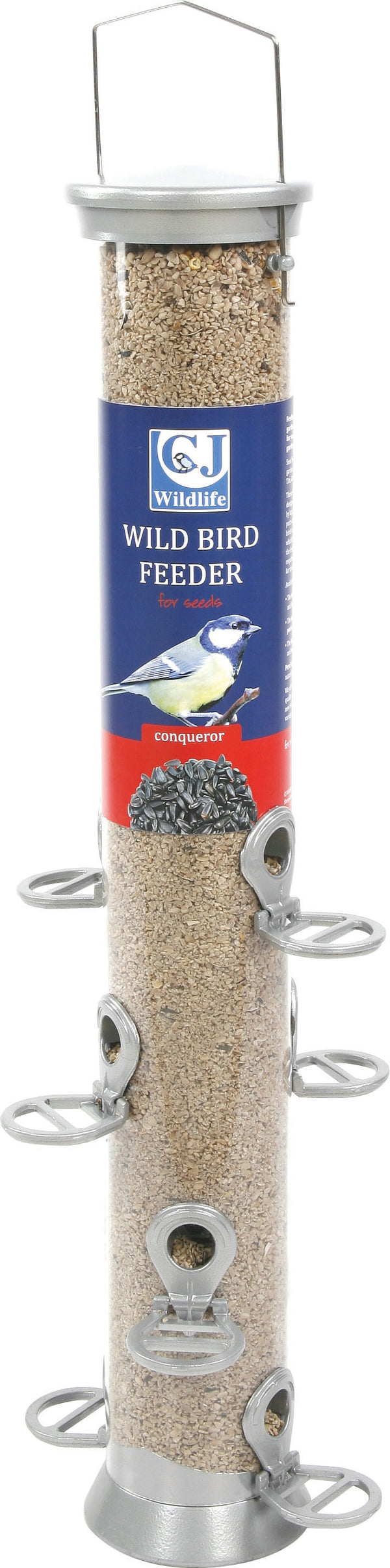
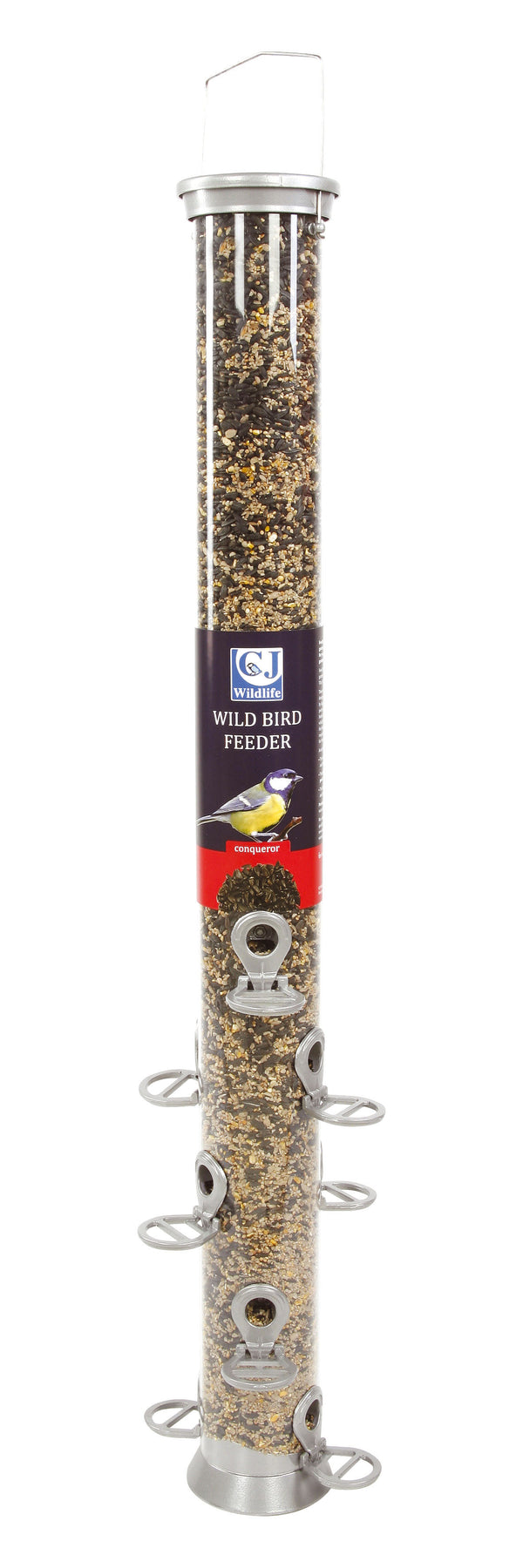
Ecology and Wildlife has become an important part of modern grounds management. It is no longer seen as something separate from sport, play or presentation. On golf courses, sports grounds, schools, estates and wider amenity sites, ecology work helps create a better balance between managed turf and the habitats around it. Bird boxes, bat boxes, hedgehog shelters, habitat supports, pond care items, monitoring products and general wildlife equipment all help grounds teams look after the broader environment while still maintaining safe, playable and well-presented surfaces.
Across many sites, the areas beyond the main playing surface are just as important as the turf itself. Rough grass margins, woodland edges, pond surrounds, hedgerows, banks and unused corners can all support biodiversity when they are managed properly. Good ecology and wildlife equipment helps staff protect these spaces, guide maintenance decisions and make practical improvements without overcomplicating the job. That matters because the best venues now tend to think in terms of the whole site rather than just the central pitch, green or court.
From a professional point of view, ecology and wildlife work is about sensible integration. It is not about letting the site become untidy or unmanaged. It is about creating habitats where they make sense, reducing unnecessary disturbance and supporting species that can live alongside an active sports venue. On golf courses, for example, out-of-play areas often offer clear opportunities for habitat enhancement. On schools and community grounds, wildlife features can support education as well as site value. On estates and mixed-use venues, practical habitat work can improve the character of the whole landscape.
Why ecology matters on managed turf sites
Well-planned ecology work can support a site in several ways. It can improve biodiversity, strengthen the visual character of the venue and help teams manage non-playing areas more intelligently. Pollinators, birds, small mammals, amphibians and invertebrates all rely on shelter, food sources and lower-disturbance spaces. Where a site already includes trees, hedges, wild margins, ponds or rough zones, even small additions can make those areas more useful for wildlife.
That does not mean sport has to take a back seat. The strongest results usually come when ecology and wildlife planning is woven into the wider grounds management programme. A football pitch still needs clear run-offs and safe access. A golf course still needs strong presentation and playability. A school site still needs surfaces ready for use. The difference is that peripheral areas are managed with more purpose. Instead of being treated as leftover ground, they become part of a broader site plan that supports nature, appearance and practical maintenance all at once.
On many sites, that balanced approach links with good establishment and recovery work. Where new habitat margins or buffer areas are being created, Grass Seed may be part of the plan for strengthening cover or improving the finish in transitional areas. If levels need refining around habitat edges, pathways or restored ground, Loam and Dressing can also support a cleaner and more stable surface.
Choosing ecology and wildlife products for practical site use
When selecting ecology and wildlife products, it helps to start with the character of the site. A golf course with ponds, ditches and woodland edges will have different priorities from a compact school ground or a heavily used rugby venue. Some sites may benefit most from bird and bat boxes placed in quieter margins. Others may need simple habitat supports, insect-friendly areas or products that help protect amphibian and hedgehog activity around lower-traffic spaces. The right choice is usually the one that suits the site layout, staff resource and the level of routine maintenance available.
Durability matters here just as much as ecological value. Boxes, shelters, fixings and habitat accessories all need to cope with weather, seasonal maintenance and occasional disturbance. Materials, mounting points and ease of inspection all make a difference. Products that are awkward to install or difficult to check often get neglected, especially on large sites. In practice, the best wildlife equipment is the kit that staff can install securely, inspect easily and work around without creating unnecessary complications for the rest of the grounds team.
It is also worth thinking about placement in relation to normal maintenance. Habitat features should be far enough away from heavy traffic, mowing lines, machinery routes and regular play areas to avoid disturbance. On a working venue, that kind of planning is what makes ecology practical. Good intentions alone are not enough. Wildlife products need to fit the way the site actually operates through the year.
Seasonal use through the maintenance year
Ecology and Wildlife has clear seasonal relevance because habitat activity changes throughout the year. Spring and early summer are often key periods for nesting, breeding and increased pollinator activity, so disturbance should be reduced where possible and habitat features should already be in place. Summer can be a useful time for managing margins, monitoring dry areas and planning late-season improvements. In autumn, many grounds teams review habitat zones, install new boxes or shelters and prepare sites for overwintering wildlife. Winter often brings the best window for certain repairs, relocations and lower-disturbance groundwork, provided sensitive areas are still respected.
That seasonal rhythm matters because ecology is not just about installation. It is about timing maintenance so wildlife areas are protected while the rest of the site stays safe and functional. On larger venues, that may also link with Irrigation and Water Management where pond edges, planted areas or habitat margins need more consistent moisture support during dry periods.
How ecology and wildlife fits into a wider site programme
On a well-run venue, ecology work should feel like part of the normal maintenance plan rather than a separate project. A grounds team may manage play surfaces closely, then step out into the wider site to assess rough margins, habitat corners, water edges and woodland boundaries. If new areas are being established, Grass Seed can help restore cover in disturbed ground, while local level correction with Loam and Dressing may improve access, stability and finish around the edge of managed zones. If the wider landscape is being reviewed more closely, Soil Testing can help when you need a clearer picture of soil condition before habitat establishment or low-input management begins.
Safe working still matters throughout. Installing boxes, trimming around access routes, working near ponds or handling materials in remote corners of the site all need sensible preparation. That is why ecology work often sits naturally alongside Personal Protective Equipment and, where fuels or liquids are being handled near sensitive areas, a sensible spill response plan using Spill Kits. Practical ecology is not only about protecting wildlife; it is also about carrying out the work responsibly.
This is where experienced grounds teams usually stand out. They understand that habitat improvement works best when it is realistic, site-specific and consistent. They do not try to turn every corner into a wild area. Instead, they identify the parts of the venue that can support biodiversity without compromising presentation, safety or play. That measured approach is what makes ecology and wildlife work credible on professional sports and amenity sites.
Getting better value from ecology and wildlife products
Before investing in ecology and wildlife products, it helps to think about the purpose of each area and the time available to manage it well. Ask which parts of the site are best suited to habitat support, which species are most likely to benefit and how installation, inspection and routine maintenance will be handled. The strongest choices are usually the ones that fit naturally into the wider grounds programme and add lasting value without creating unnecessary disruption. When habitat work is planned properly, a sports or amenity site can stay tidy, functional and professional while also supporting a richer and more resilient environment.


Recently viewed