
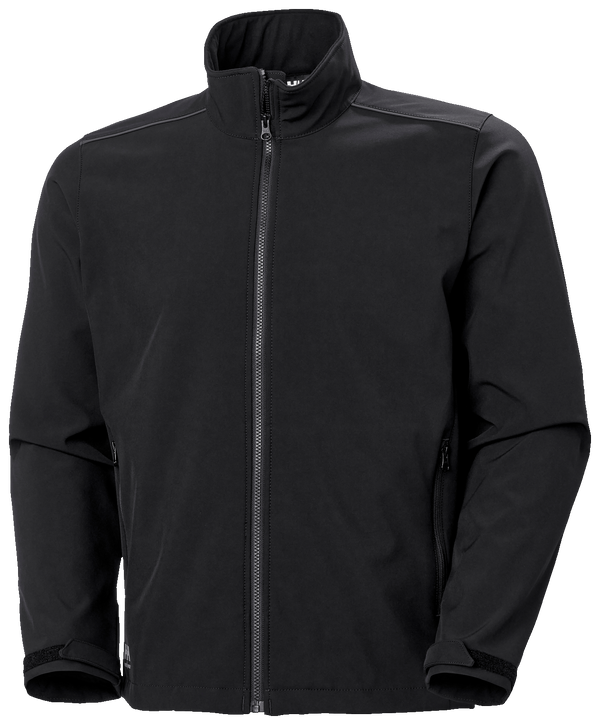
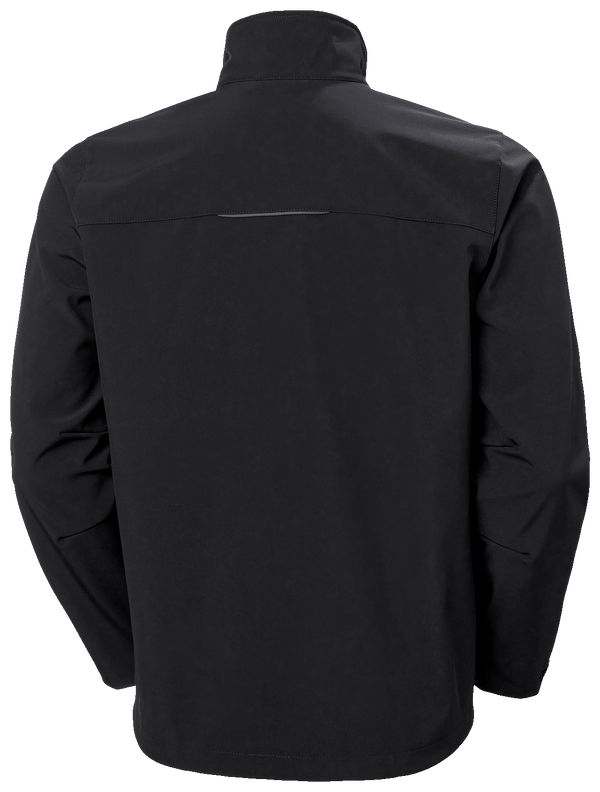


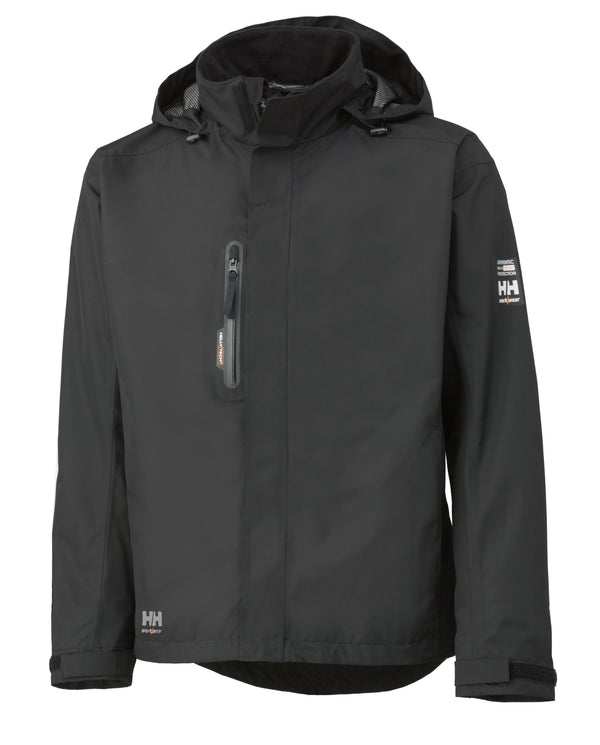


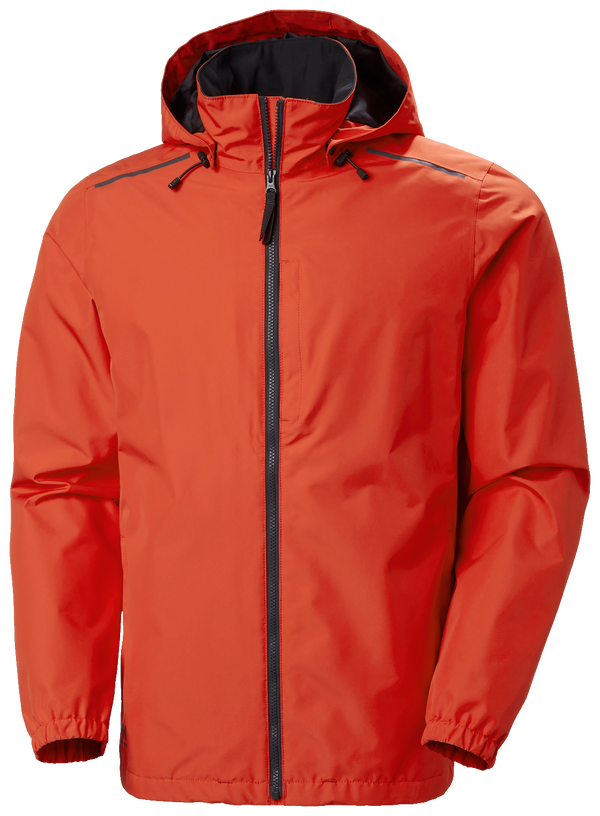






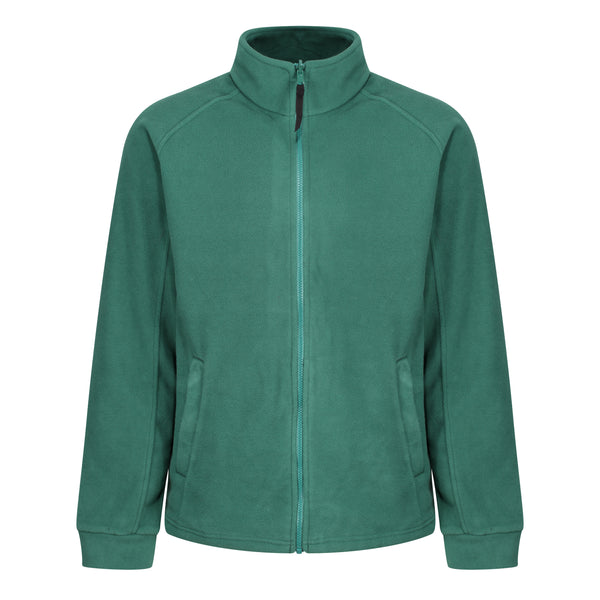
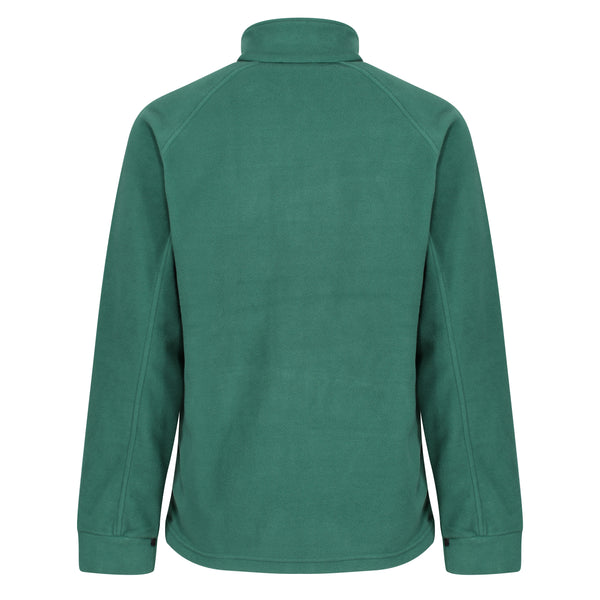
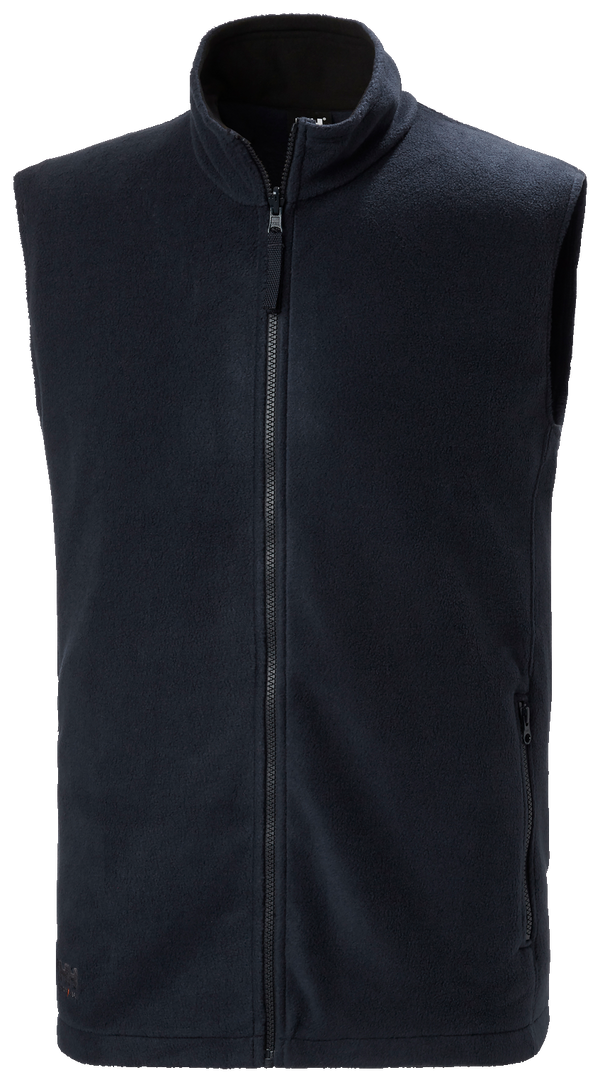
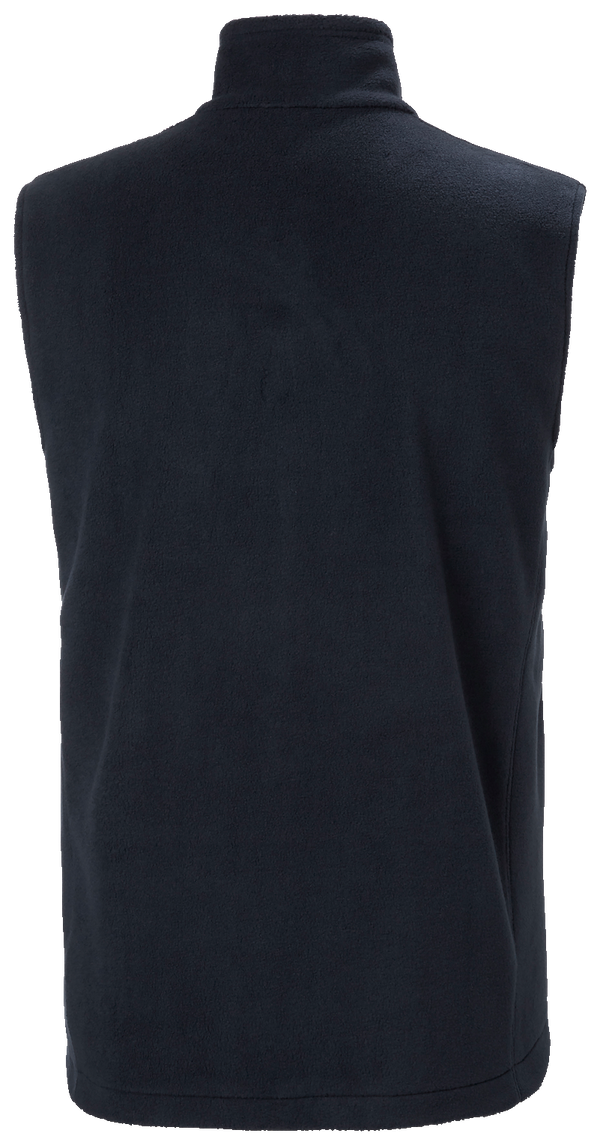




Workwear Outdoor Clothing for Safer, Smarter Grounds Maintenance
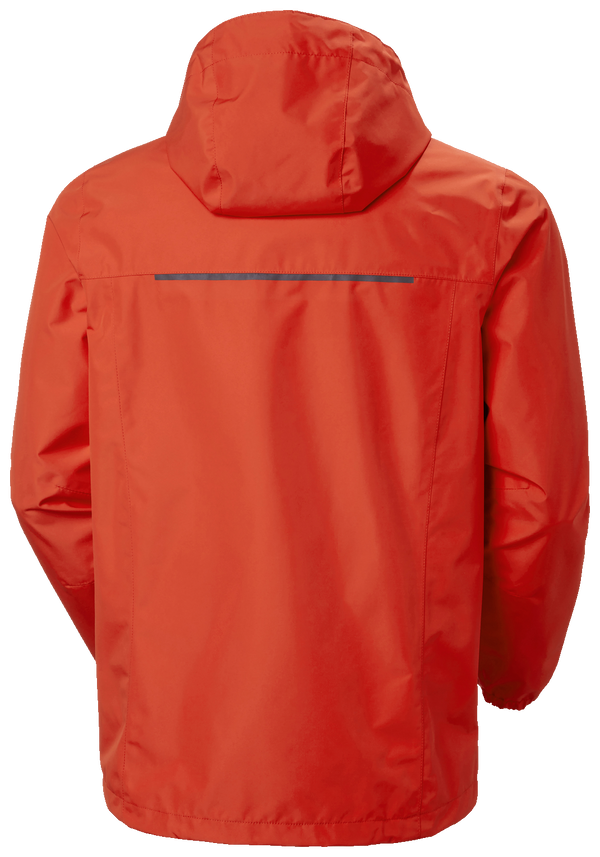
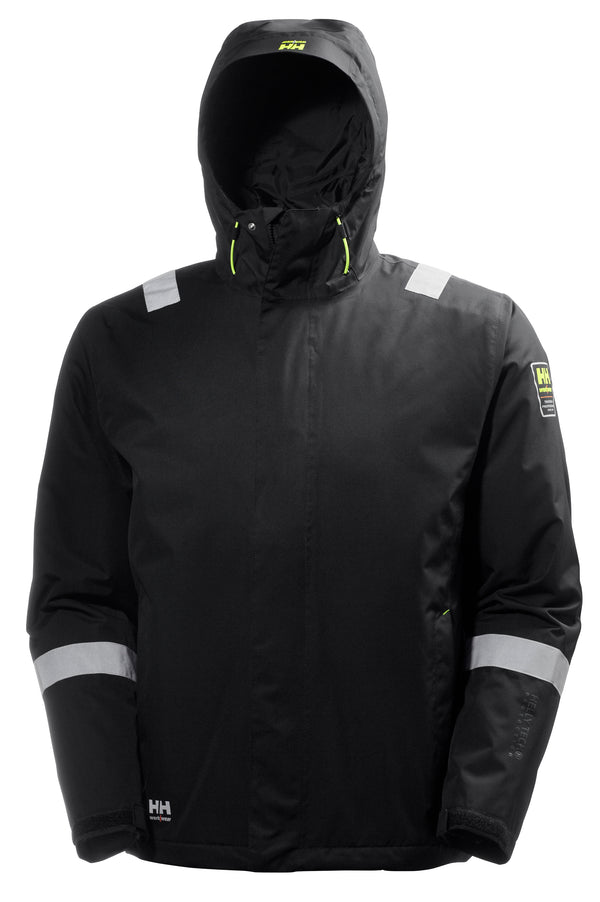
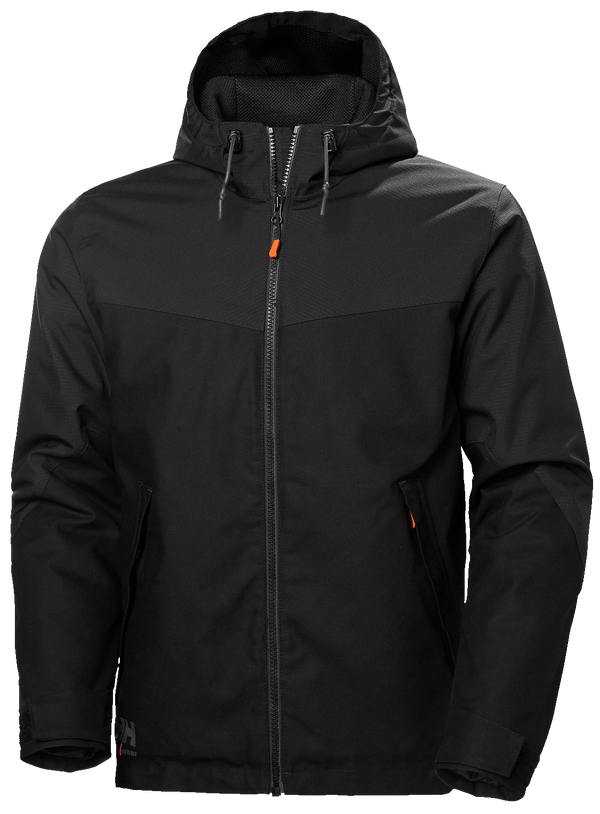
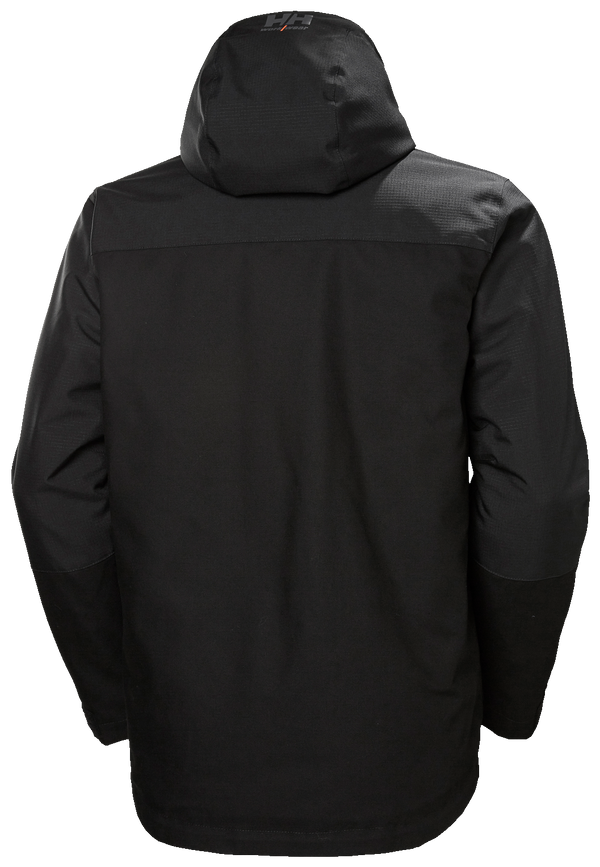
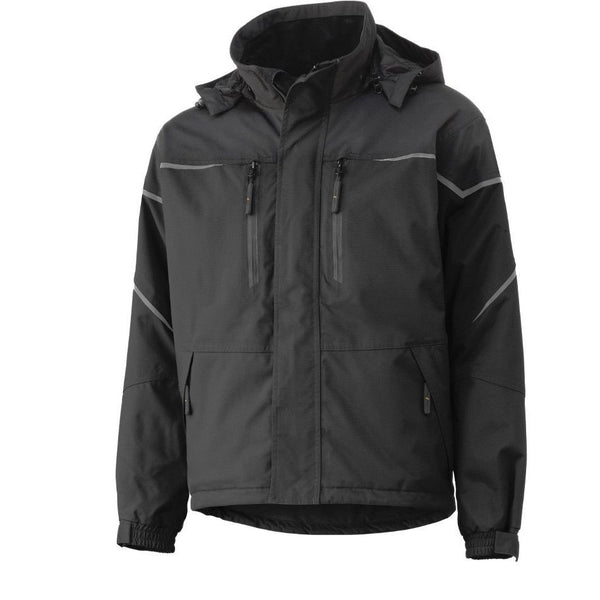
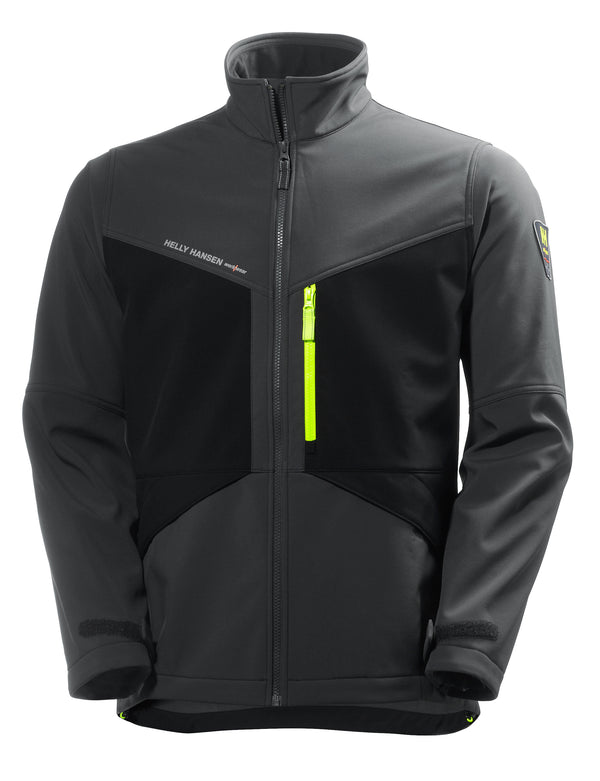
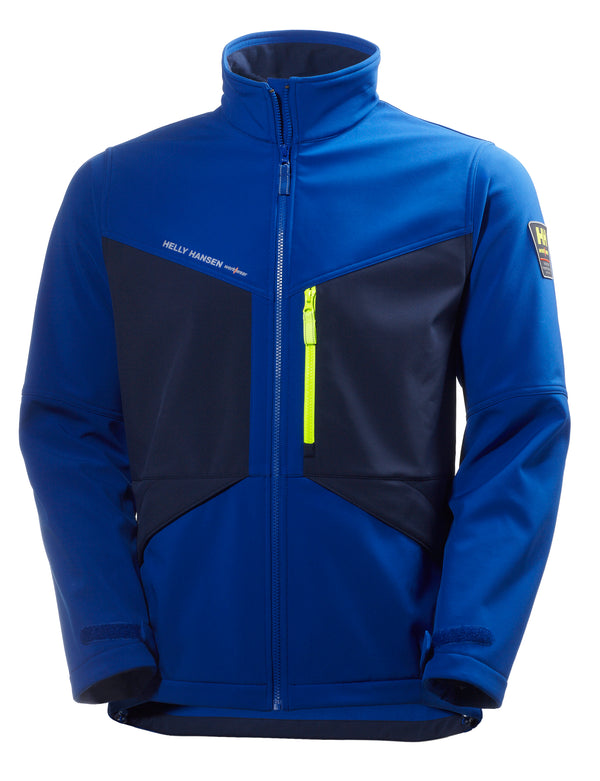
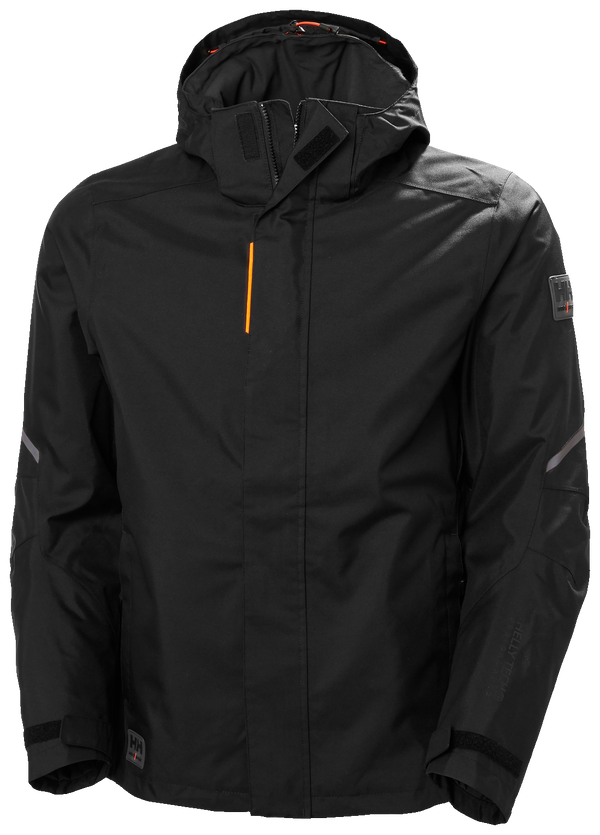
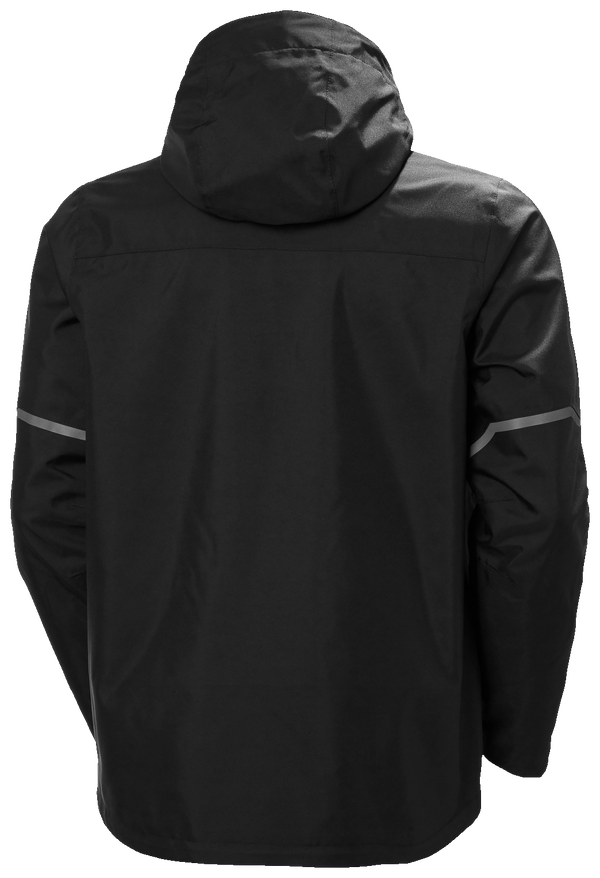
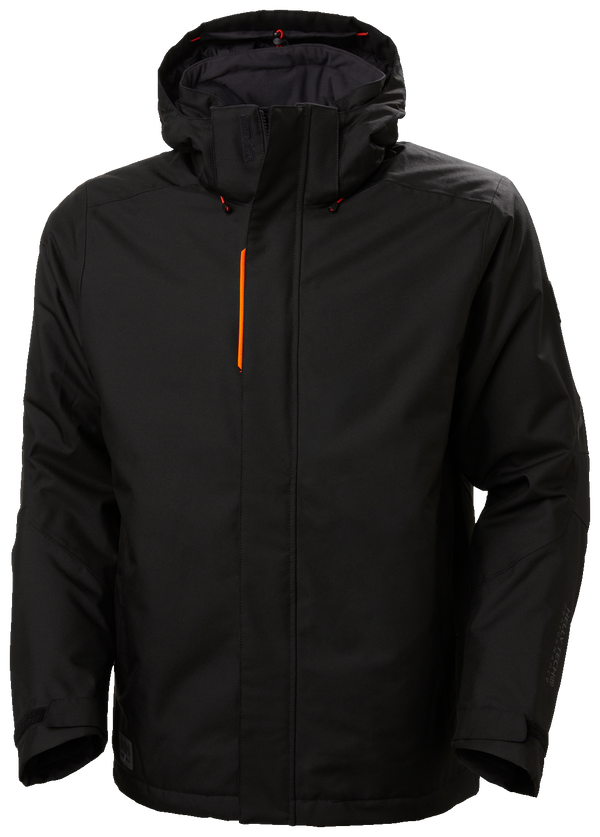
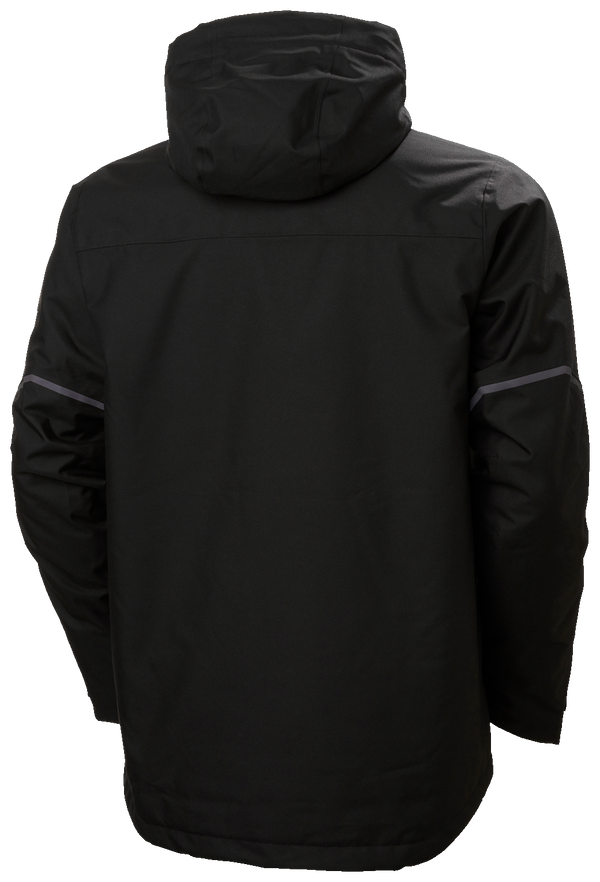
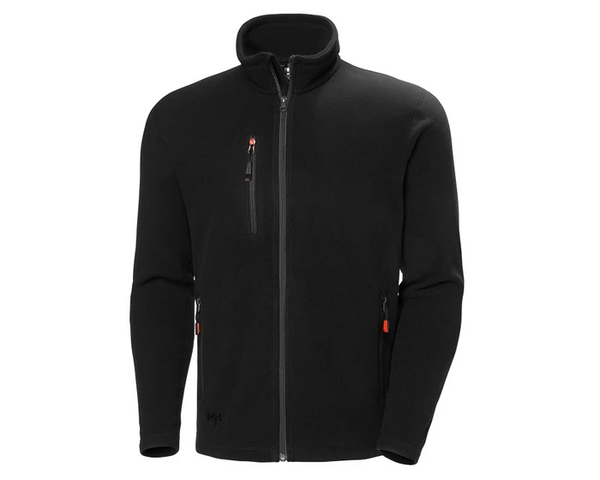
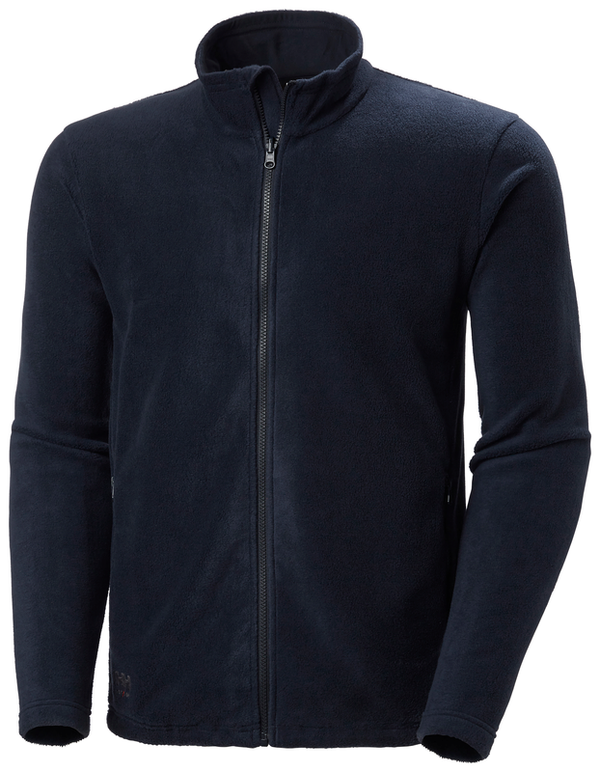
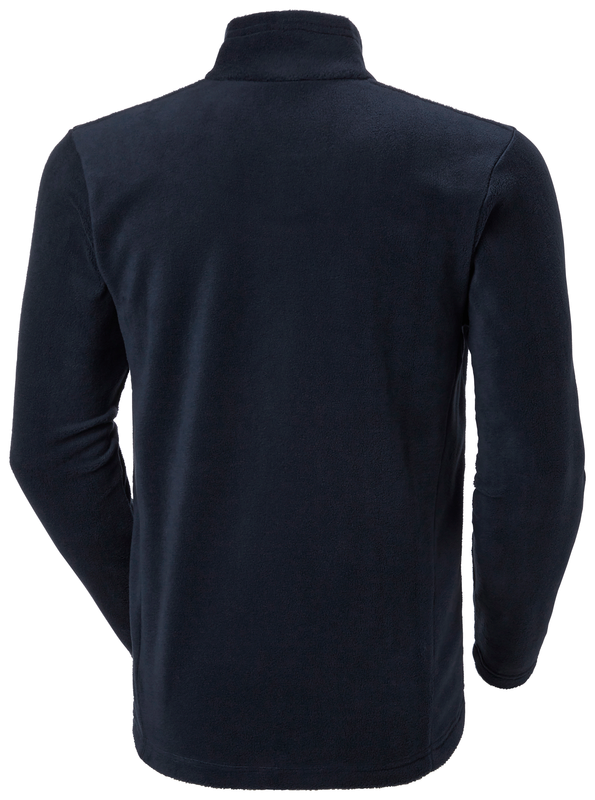
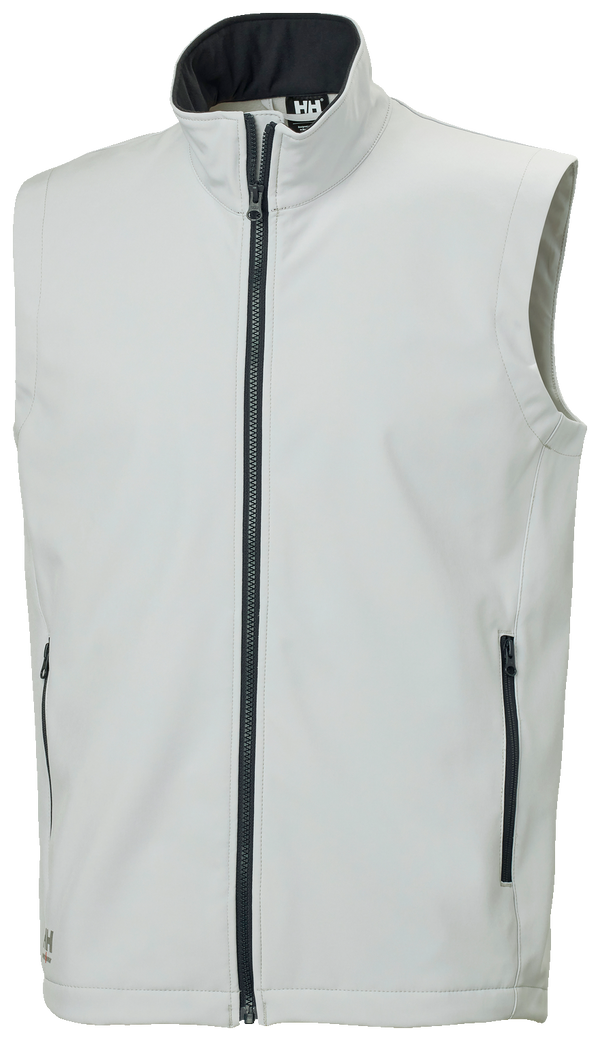
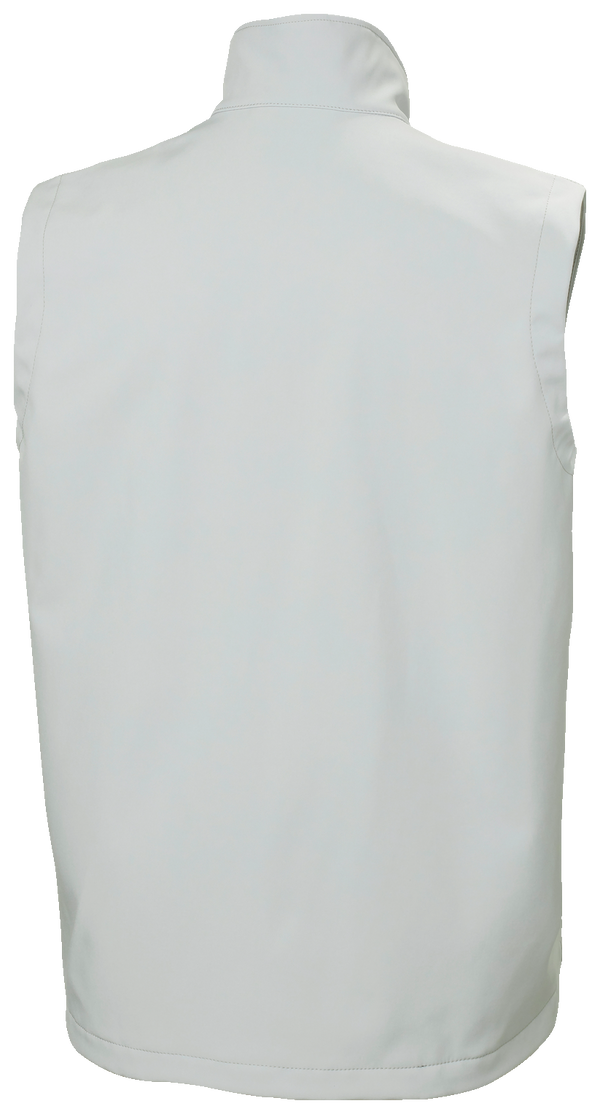
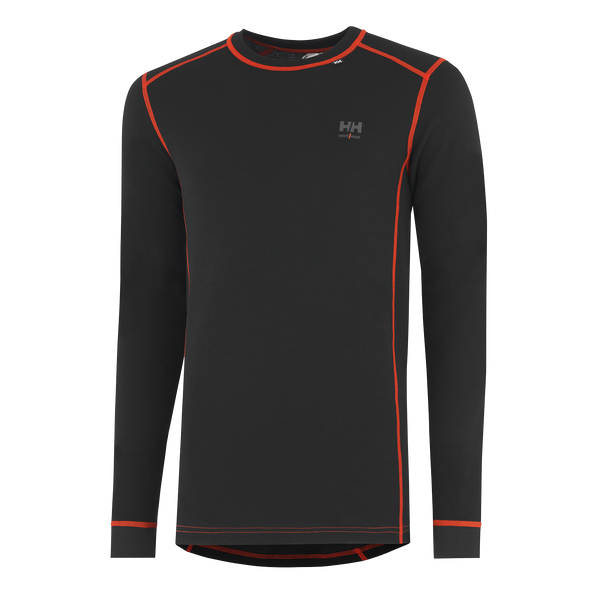
Workwear Outdoor Clothing plays a big part in how well a grounds team functions through the day. On sports pitches, golf courses, school grounds, estates and wider amenity sites, the right clothing helps staff stay comfortable, visible and protected while working in changing conditions. Waterproof jackets, trousers, base layers, fleeces, softshells, hi-vis garments and hardwearing site clothing all support safer movement and a more professional standard of work. When kit is chosen well, it helps teams stay productive in wind, rain, cold mornings and long days outdoors.
Across turfcare and grounds management, weather is always part of the job. Conditions can shift from cold and damp first thing to bright sun, showers and strong wind by the afternoon. Good outdoor workwear helps staff adapt without losing comfort or mobility. That matters because discomfort slows jobs down. Wet clothing, poor visibility, restricted movement or the wrong layering can turn routine work into a struggle. Reliable workwear helps the team stay focused on the task rather than the conditions.
From a practical point of view, workwear outdoor clothing sits inside the wider maintenance programme rather than outside it. A groundsperson may move from pitch inspection to line marking, then into machinery checks, irrigation repairs, hand work or post-match recovery in the same shift. Clothing needs to cope with that range of work. It should keep the wearer protected, allow free movement and stand up to repeated use, washing and exposure. On a busy site, that is not a luxury. It is part of doing the job properly.
Why outdoor workwear matters on working sports sites
Comfort and protection influence performance more than many people expect. A waterproof jacket that breathes properly makes it easier to keep working through a wet spell. Trousers with enough stretch and durability help during kneeling, lifting and machine work. Mid-layers and base layers help staff manage temperature without bulky clothing getting in the way. Hi-vis outerwear is especially useful where teams are working near vehicles, in lower light or across larger sites with shared access routes.
Strong workwear also supports presentation and professionalism. Grounds staff are often visible to players, members, coaches, spectators and site users throughout the day. Clean, well-fitting outdoor clothing helps the team look organised and prepared. That matters at stadiums, training grounds, schools and golf clubs alike. The visual side is not the main reason to buy good kit, but it does reinforce the standard of the venue and the professionalism of the people maintaining it.
Durability is another key point. Grounds work is hard on clothing. Repeated bending, lifting, kneeling, brushing against machinery and moving across wet turf or rough surfaces soon exposes weak fabrics and poor stitching. The best outdoor clothing for grounds teams tends to balance weather protection, breathability and hardwearing construction. That gives staff something they can trust through long spells of poor weather and repeated day-to-day use.
Choosing workwear outdoor clothing for turfcare tasks
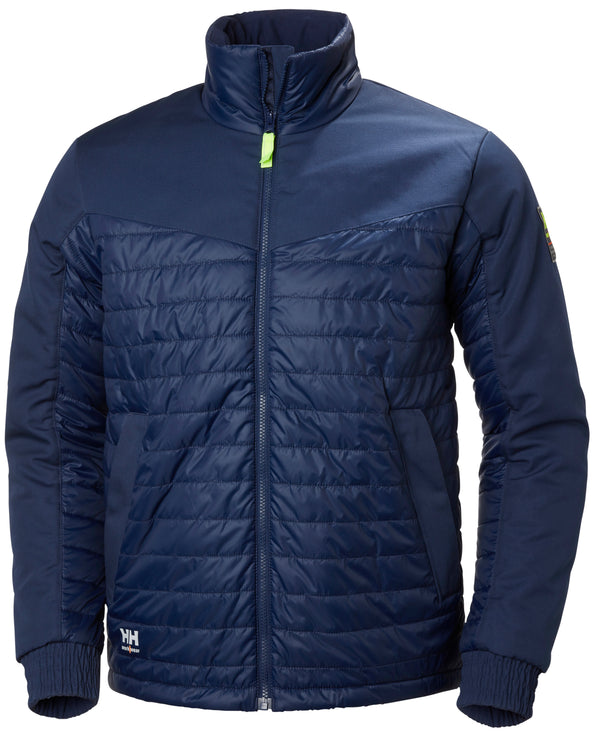
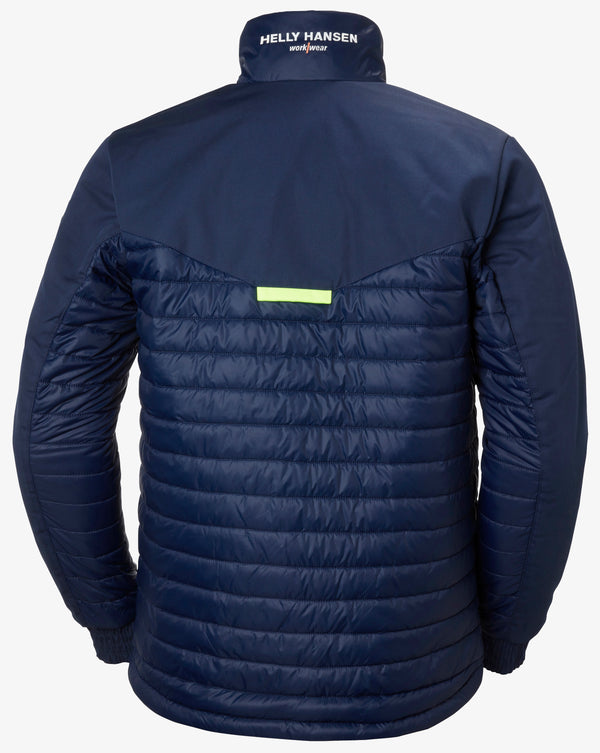
Start with the jobs being carried out most often. Staff involved in regular marking, spraying, mowing, brush work or irrigation checks need clothing that can move easily and cope with damp conditions. Teams handling setup, maintenance and transport may need stronger abrasion resistance and dependable pockets, zips and reinforced areas. Layering matters because it gives flexibility. A good base layer, practical mid-layer and weatherproof outer shell usually serve a grounds team better than one heavy garment trying to do everything.
Fit matters just as much as fabric. Clothing that is too bulky can catch on equipment and restrict movement. Clothing that is too light may not offer enough protection when the weather turns. Good workwear outdoor clothing should feel practical on the body: easy to move in, easy to wash and suitable for repeated wear across the week. On multi-site or high-use venues, that kind of practicality makes a real difference to staff comfort and consistency.
There is also a clear connection here with safety gear. Outdoor workwear does not replace task-specific protection, but it supports it. Grounds teams often use it alongside Personal Protective Equipment when handling products, carrying out machinery work or dealing with site hazards. The clothing keeps staff comfortable and visible; the task-specific protection deals with the immediate risk. Used together, they create a more dependable working setup.
Seasonal use through the grounds calendar
Seasonality has a big effect on this category. In autumn and winter, waterproof jackets, overtrousers, insulated layers and hi-vis outerwear become especially important because staff are working in wetter ground conditions, shorter daylight hours and colder winds. In spring, layering remains useful as mornings stay cool but workloads rise. During summer, lighter garments, breathable fabrics and showerproof outer layers often make more sense, especially during irrigation work, renovation preparation and long days on exposed sites. Good workwear supports the team through all of it.
That seasonal flexibility matters because outdoor jobs never really stop. A football pitch still needs recovering after rain. A golf course still needs checking at first light. A school site still needs to be ready for use despite a wet forecast. Clothing that handles those demands well helps keep standards up and reduces the drain on staff during difficult spells.
How workwear fits into a wider maintenance programme
On a well-run site, workwear supports the same kind of joined-up routine as the rest of the maintenance plan. Staff may start with pitch inspection, then move into setup, repair and presentation work. That can include overseeding with Grass Seed, local surface refinement using Loam and Dressing, or presentation work around matches and training using Line Marking Paint. Clothing that keeps the wearer dry, warm and mobile helps those jobs get done to a better standard.
Where conditions are wet or systems need checking during dry periods, workwear also links naturally with Irrigation and Water Management. Staff may be working around valves, hoses, sprinklers and wet paths, so practical waterproof clothing and good footwear support safer movement and a tidier workflow. If site tasks involve fuels, paints or liquids in store and workshop areas, sensible preparation may also include nearby Spill Kits so teams can respond quickly if something goes wrong.
This is where experienced grounds teams tend to stand out. They do not treat clothing as an afterthought. They see it as part of the daily setup: the right layer, the right visibility, the right protection for the weather and the work ahead. That practical approach keeps staff more comfortable, helps maintain productivity and supports better decision-making when the day is busy or the conditions are poor.
Getting better value from workwear outdoor clothing
Think about usage before buying: how often the garment will be worn, what weather it needs to handle and how much movement the job involves. The best workwear outdoor clothing is usually the kit that stays comfortable through a full shift, stands up to repeated washing and makes outdoor work easier rather than more awkward. When clothing is well chosen and matched to the real demands of turfcare, the whole team is better prepared to work safely, efficiently and professionally through the season.
Recently viewed