
Agronomy Tools for better decisions on sports turf
Agronomy Tools help turn day-to-day turfcare from guesswork into measured practice. On a football pitch, rugby pitch, cricket square or golf surface, small changes in moisture, firmness, temperature or root depth can alter how the surface plays and how well it recovers. That is why professional groundspersons and greenkeepers rely on agronomy tools to assess conditions properly before they irrigate, fertilise, seed or renovate.
In simple terms, agronomy tools give you numbers you can work with. They help you check soil moisture, infiltration, compaction, surface hardness, thatch depth, root development, pH and temperature. That matters when you are balancing playability with plant health. A surface may look fine from the touchline; a probe, moisture meter or impact tester often tells a different story. Good data supports better timing, tighter input control and stronger presentation quality across the season.
For many turf managers, Agronomy Tools sit at the centre of an integrated turf management approach. You are not only checking the surface for today’s fixture; you are building a clearer picture of rootzone performance, wear tolerance, recovery and soil nutrient balance over time. That makes these tools just as useful for elite venues as they are for schools, clubs, estates and serious lawn care.
What Agronomy Tools help you measure
From moisture and firmness to rootzone performance
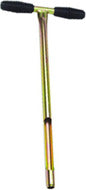
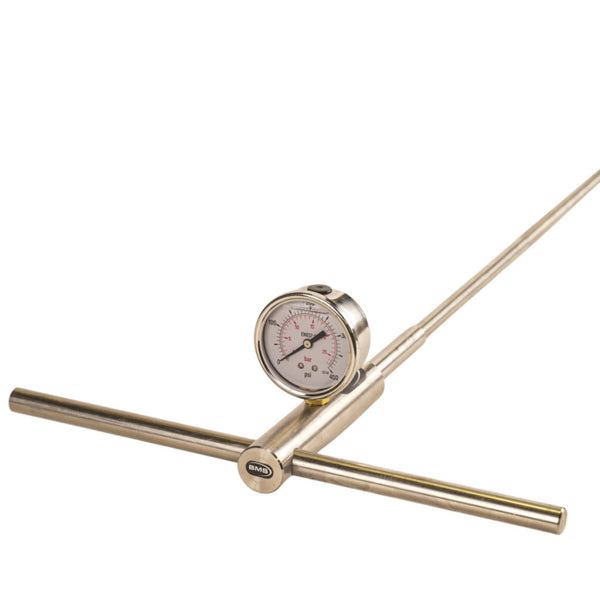
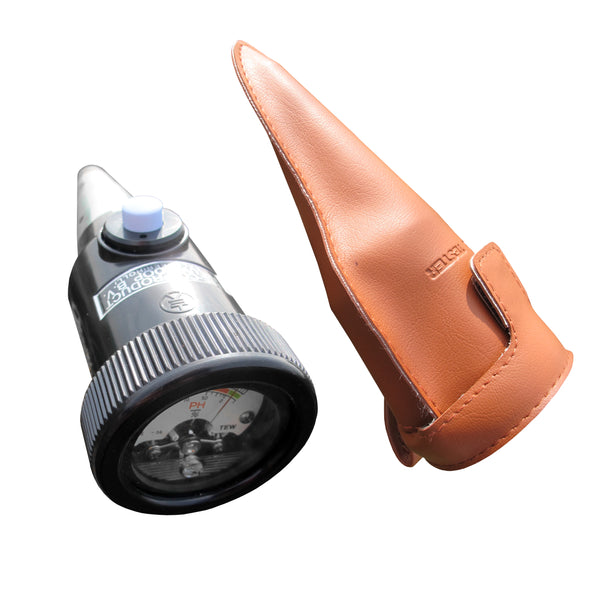
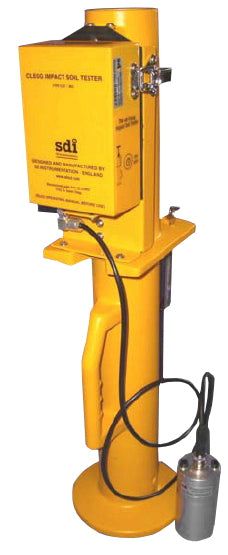
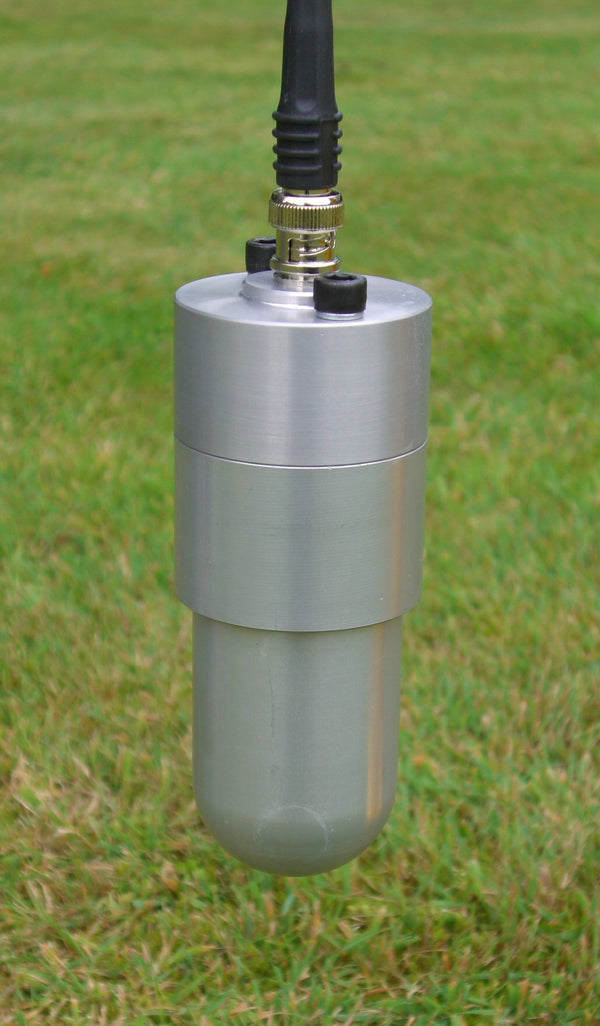
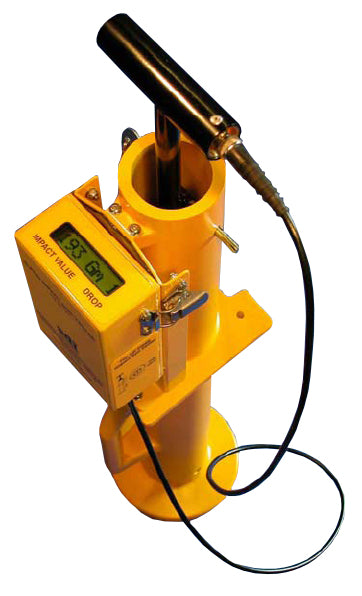
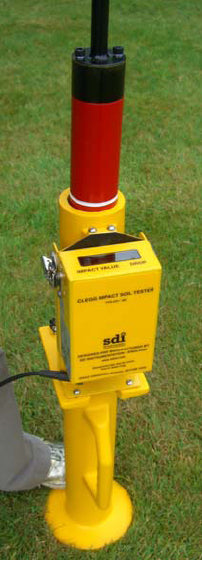
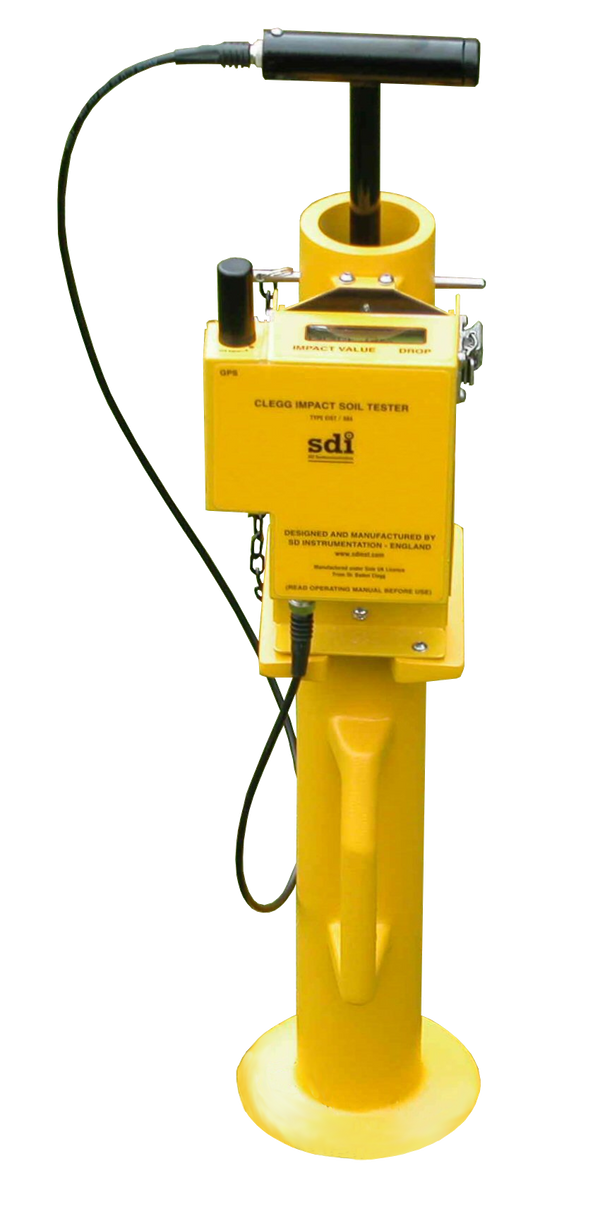
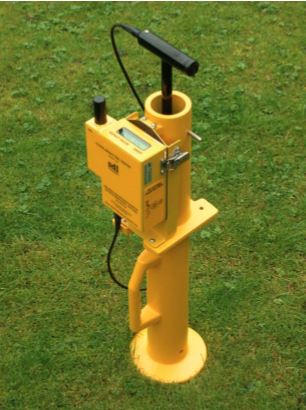
The best agronomy tools are practical, repeatable and easy to use on site. A soil moisture meter helps you track volumetric water content, so you can avoid overwatering and reduce soft, unstable areas. A soil thermometer helps with seed germination timing and plant response. A pH meter or test kit gives you a better handle on nutrient availability. A firmness tester or Clegg-style impact tool helps you assess surface hardness and consistency, especially on high-wear winter sports areas.
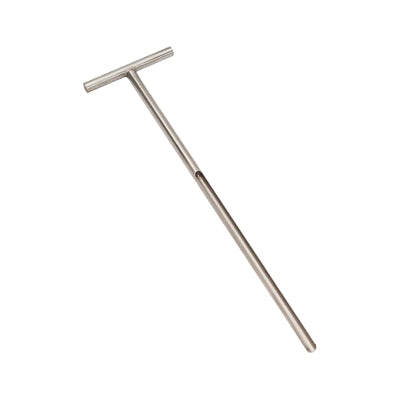
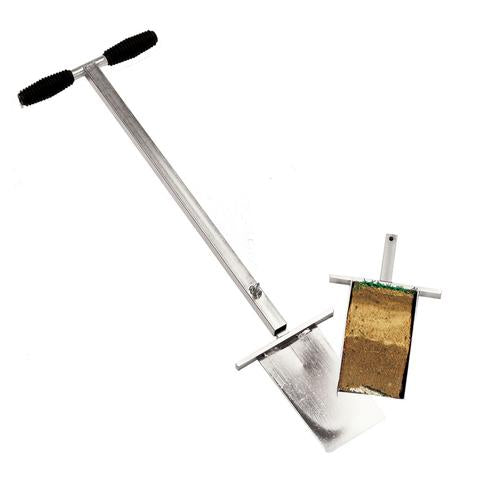
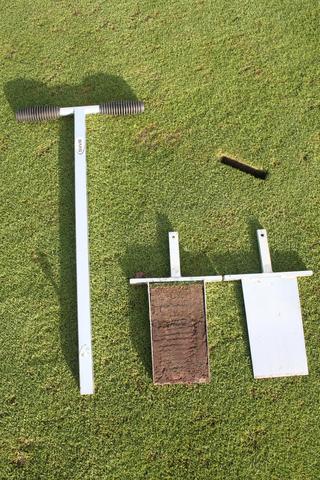
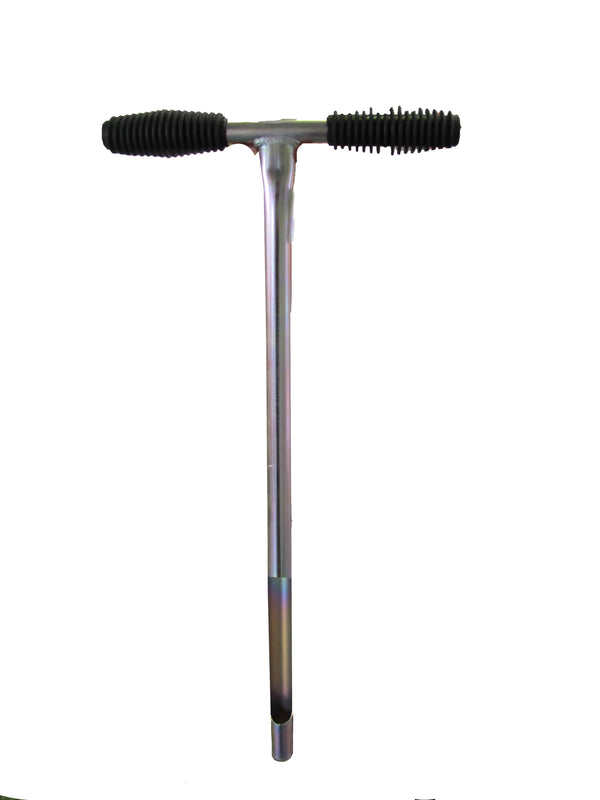
Other tools focus on infiltration rate, rooting depth and profile inspection. These are especially valuable when drainage performance is under pressure, or when you are planning aeration, wetting agent use or topdressing. On cricket surfaces, detailed measurements can support preparation consistency and pace. On football and rugby pitches, they help you identify weak zones before they turn into mud, standing water or shearing. On golf and fine turf, they support tighter moisture management and cleaner, more even surfaces.
That is where Agronomy Tools work hand in hand with Soil Testing and Weather & Moisture Monitoring. When you combine field measurements with lab-based analysis and weather-led planning, your decisions become more accurate. You can spot trends, not just symptoms; that is a big part of professional grounds management.
Using agronomy tools in a full maintenance programme
How professionals join the dots
Agronomy tools are most valuable when they are built into the weekly and monthly routine. Before applying nutrition, you can use moisture and growth observations to guide whether Granular Turf Fertiliser or Liquid Turf Fertiliser is the better fit. Before overseeding, rootzone temperature and moisture readings can help you judge timing for Pre-Seed Fertiliser and establishment work. Before renovation, profile checks and firmness readings can help confirm the need for Aeration Tools or a change in topdressing approach.
That workflow matters because every input affects the next one. There is little point applying seed into a dry, capped profile, or pushing growth on a surface with poor infiltration and shallow rooting. In real terms, we use agronomy tools to check the platform first; then we choose the right products and operations. That is how you improve grass health without wasting time or budget.
For renovation and in-season recovery, these tools also connect neatly with Top Dressing and Biostimulants & Micronutrients. If your readings show a shallow root system, tight surface sealing or stress after play, you can target the problem more precisely. That is far better than reacting late, when grass cover has already fallen away.
Seasonal use across the sporting year
Seasonality matters with Agronomy Tools because surface priorities change through the year. In spring, soil temperature, moisture and rooting checks help guide seed establishment and early nutrition. In summer, moisture meters, infiltration checks and firmness readings become vital for irrigation control, drought management and preparation work. Through autumn, agronomy tools help you monitor wear, compaction and recovery as fixture pressure builds. In winter, they are useful for tracking soft areas, surface stability and drainage performance, especially on heavily used football and rugby sites.
That seasonal pattern applies across sports, although the detail changes by surface. A cricket ground may focus more closely on moisture gradients, firmness and preparation consistency. Winter sports sites may pay more attention to compaction, infiltration and safety under load. Either way, turf agronomy tools help you make decisions at the right moment, rather than waiting for visible decline.
Choosing the right agronomy tools for your site
Match the tool to the problem you need to solve
When choosing agronomy tools, start with your main challenge. If irrigation efficiency is the issue, focus on moisture measurement and monitoring. If the pitch is cutting up, look at compaction, rooting and firmness. If establishment is patchy, check temperature, moisture and seedbed quality. Grounds teams managing football or rugby venues may also link their testing routine with Football Pitch Grass Seed or Rugby Pitch Grass Seed programmes, while cricket sites may align their planning with Cricket Grass Seed and preparation work.
It is also worth thinking about frequency of use, ease of calibration and how repeatable the readings are between staff members. The best pitch testing tools are not always the most complex. They are the ones your team will use properly, record consistently and act on with confidence. That is where Agronomy Tools earn their place: they support better turf performance, more efficient maintenance and stronger presentation throughout the grounds management programme.
Pitchcare is built around practical turfcare, so this collection is designed for people who want clear information from the surface and the soil below it. Whether you manage one pitch or an entire estate, the right agronomy tools help you measure what matters and keep standards moving in the right direction.
Recently viewed