
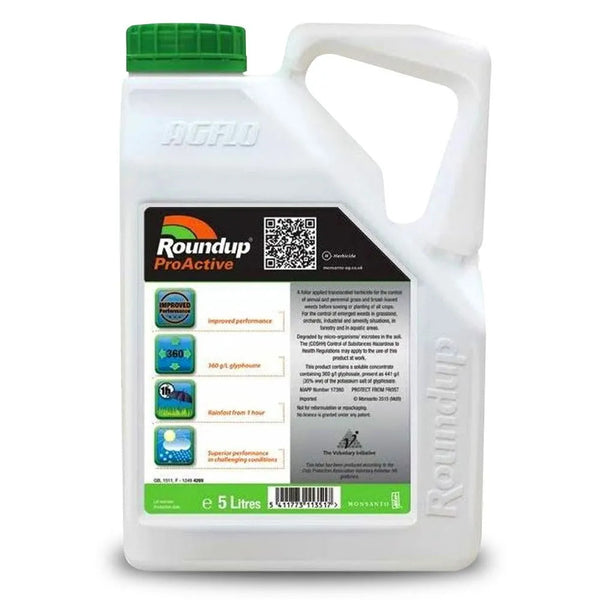
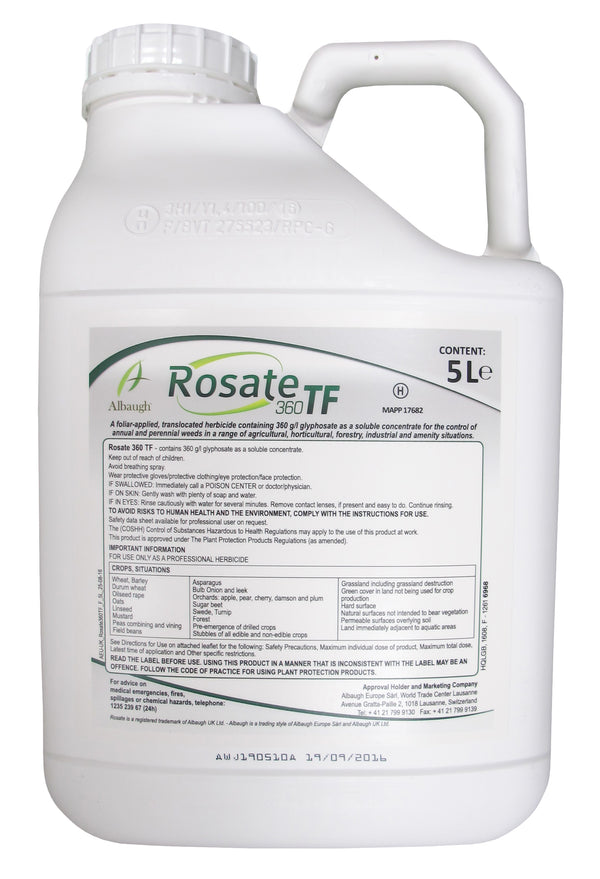

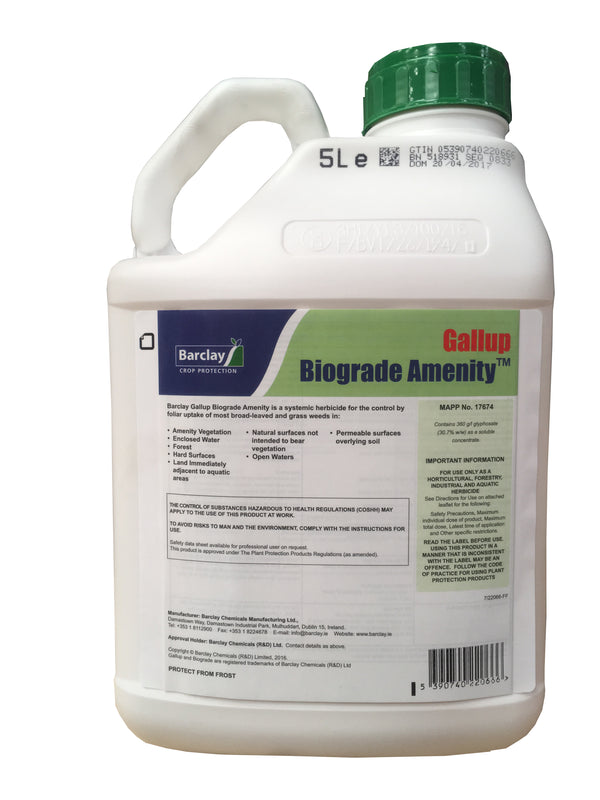


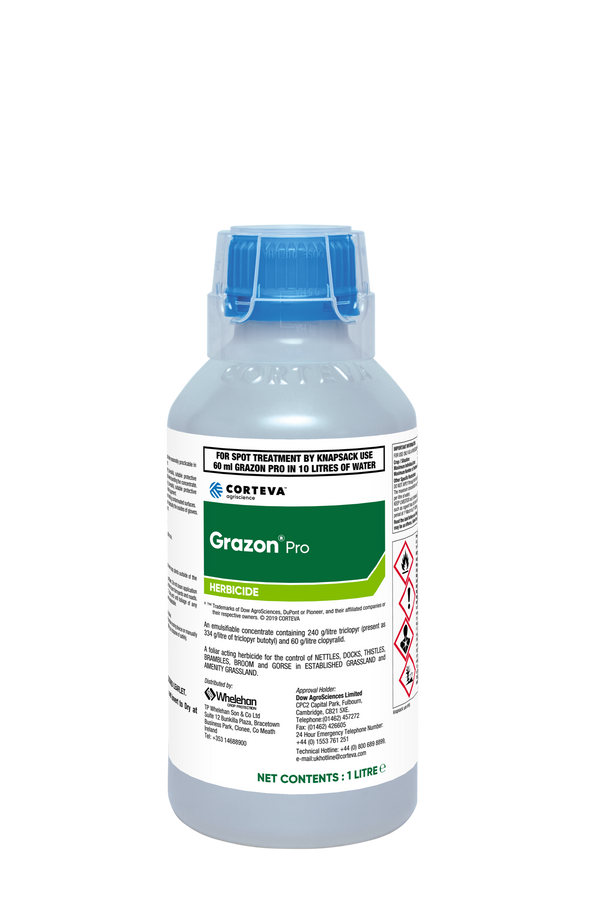
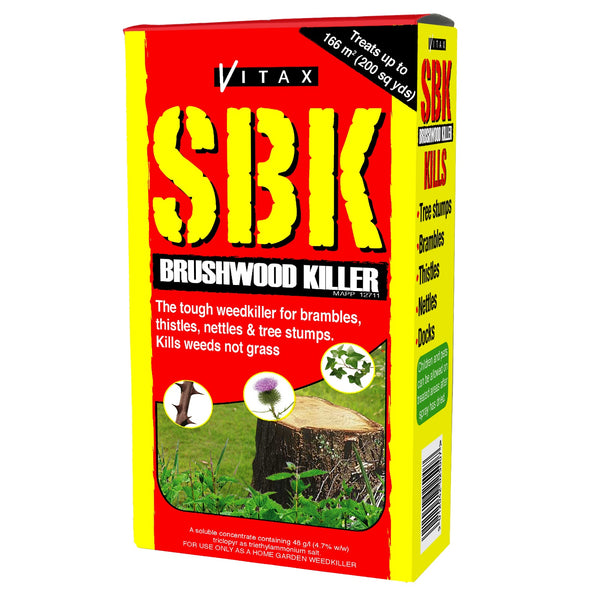


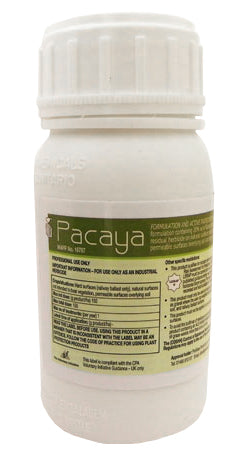
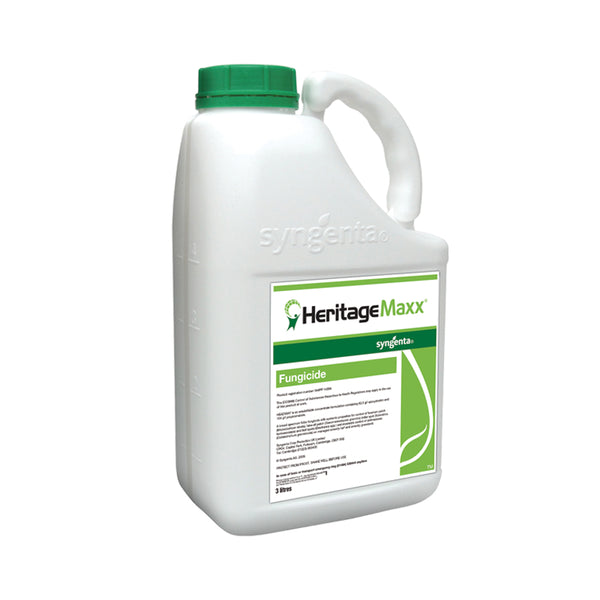
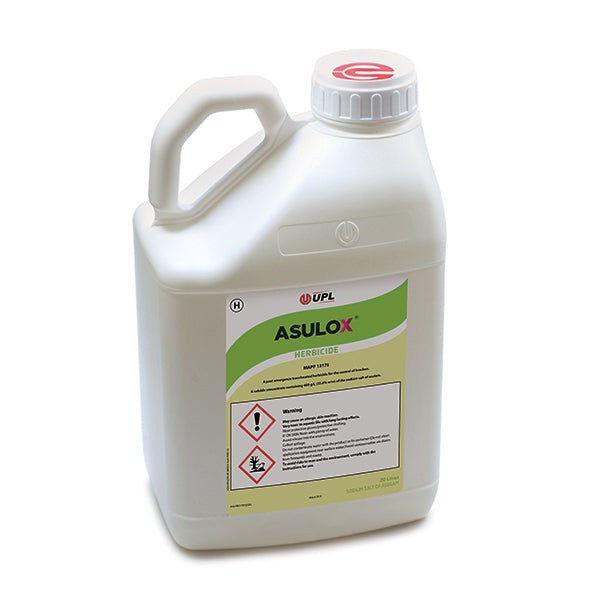




Weed Killer & Controls for Professional Turfcare
Keeping a surface clean, safe and fit for play takes more than one product. Our Weed Killer & Controls range brings together the products groundspersons use to manage weeds, moss, turf disease, insect pressure and unwanted growth across football, rugby, cricket, golf and quality lawn areas. It is where you will find everything from a professional weed killer and selective herbicides through to fungicides, insecticides, adjuvants and the kit needed to apply them correctly. That matters because good control work protects surface quality, helps maintain presentation and supports a more consistent playing surface through the season.
In practical terms, effective controls are about selectivity, timing and accuracy. A turf weed killer needs to remove the target problem without setting back desirable grasses. A fungicide programme needs to be timed around disease pressure, leaf wetness and plant stress. Moss control products need to suit the surface and the time of year. Pest control options need to fit the pest, the site and the legal label. On top of that, the application rate, water volume, nozzle choice, spray quality, safe re-entry interval and buffer zones all need attention. For many users, that is why a single Weed Killer & Controls collection is so useful. It keeps the full control picture in one place, from chemistry and biological options to support products and safety essentials.
What sits within the controls category
This collection covers far more than a simple lawn weed killer. Pitchcare is set up so you can move from selective weed control to total weed control, from sports turf weed killer to fungicides and turf disease products, from moss control to insecticides and pest control, and then on to growth regulators, spray dyes, adjuvants and pH fixers. That makes sense for sports turf, where a herbicide or fungicide rarely works in isolation. The best results usually come when product choice is paired with good clipping management, sensible nutrition, strong grass cover and accurate spraying.
How control products work on sports surfaces
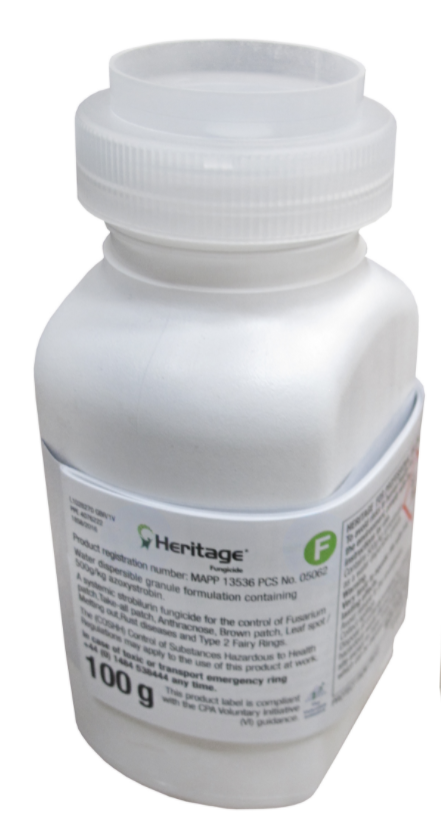
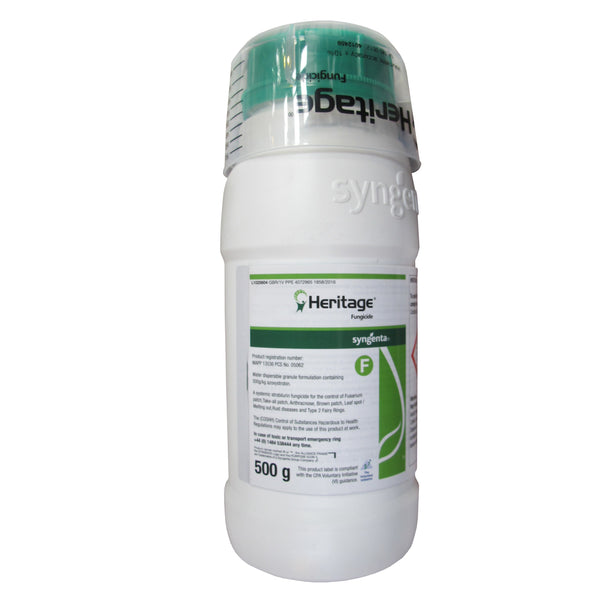
Most weed killer decisions come down to whether you need a selective herbicide or a non-selective option. Selective weed control is used where you want to target broadleaf weeds in managed turf while keeping established grasses. Total weed control is different; it is better suited to hard surfaces, fence lines or renovation situations where complete vegetation removal is the aim. Product labels, active ingredients and surface suitability always matter. In turf, users may look at actives such as fluroxypyr, mecoprop-P, MCPA or dicamba in line with the problem weeds present and the turf species being protected. For moss and algae, iron-based treatments and specialist outdoor cleaners can play a role. For insect pressure, the correct route may be a professional insecticide or a biological pest control option, depending on the site and the target.
Application, safety and professional standards
Good control work is not just about picking a bottle off the shelf. It is about applying the right product with the right equipment and the right precautions. Water volume, droplet size, weather conditions and even spray tank pH can influence performance. That is why many buyers pair products from this collection with Sprayers & Equipment and Personal Protective Equipment. Proper records, clean mixing practice, accurate calibration and label compliance all support better results. In a professional setting, Control of Substances Hazardous to Health, or COSHH, assessments, BASIS guidance, operator competence and sensible storage are part of the job. Those details are not red tape for the sake of it; they help protect the operator, the surface, nearby planting and watercourses.
There is also a wider turf management point here. Stronger grass tends to compete better, recover faster and show less visible stress after treatment. That is why integrated turf management matters. We normally see the best outcomes when weed control, turf disease prevention and plant health are planned together rather than treated as separate jobs. A clean sward is easier to present, easier to mark and easier to renovate when wear starts to bite. That is as true on a winter games pitch as it is on an ornamental lawn or a paddock edge.
Using controls through the seasons
Seasonality is important with Weed Killer & Controls. In spring, ground temperatures rise, growth starts to move and many broadleaf weeds become easier to target with a turf herbicide. This is also a common period for early fungicide decisions, moss tidy-up work and the first checks for insect activity. Through late spring and summer, selective weed control and professional weed control programmes are often timed around fixtures, mowing frequency and recovery windows so disruption stays low. In autumn, many sites focus on cleaning up lingering weed populations, managing moss, watching disease pressure and preparing surfaces for cooler, wetter conditions. Winter use is usually more limited on fine turf, but it can still be relevant for hard surface algae, certain pest control tasks and site hygiene work around compounds, paths and storage areas.
How controls fit into a full grounds management programme
A typical programme rarely starts and ends with a spray. You might begin by supporting grass health with the right products from Granular Turf Fertiliser or Biostimulants & Micronutrients, then improve density with suitable mixtures from Grass Seed or Pre-Seed Fertiliser during overseeding work. From there, a sports turf weed killer, fungicide or moss control product can be used where pressure justifies it; accurate application is backed up by Sprayers & Equipment and sensible use of Personal Protective Equipment. Once the sward is clean and growing evenly, presentation jobs become easier, whether that is match preparation with Line Marking Paint and Line Marking Machines or restoring levels and surface firmness with Top Dressing, Sand & Soils. Where dry patch or moisture inconsistency is part of the stress picture, products from Irrigation also fit naturally into the same workflow.
Choosing the right control product for your site
The best choice depends on the target, the surface and the standard you are trying to maintain. A stadium pitch, school field, bowling surface, golf area and domestic lawn all have different expectations. Some users want a selective weed killer for managed turf; others need residual weed killer options for non-play areas, a lawn weed killer for tidy domestic work, or a more complete package for integrated turf management across multiple sites. Liquid formulations are often preferred where spray coverage and fast uptake are key. Granular or iron-based products can suit certain moss control tasks and tidy-up work. Adjuvants, stickers and pH fixers can improve consistency where label guidance supports their use. The key is to match the product to the job rather than forcing one chemistry into every situation.
Pitchcare is strongest when it helps users connect product choice with real grounds management practice. That is why this Weed Killer & Controls collection works so well. It gives you access to herbicides, fungicides, insecticides, moss control, growth regulators and the support products around them, while keeping the wider turfcare picture in view. For professionals and serious home users alike, that means better decisions, tidier surfaces and a control strategy that fits the season, the site and the demands of play.
Recently viewed