

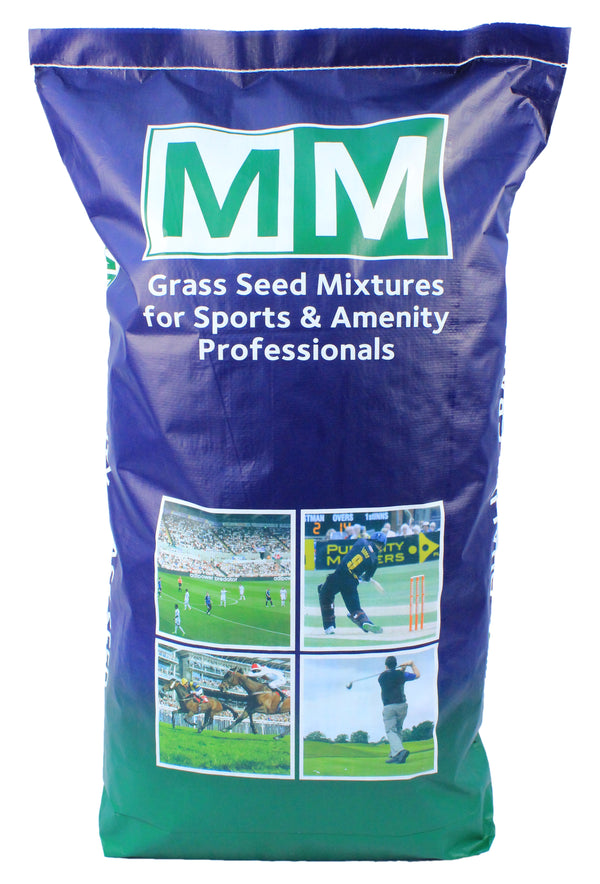


Cricket Outfield Grass Seed for Wear Tolerance, Recovery and Consistent Presentation
Cricket Outfield Grass Seed needs to deliver more than simple green cover. A cricket outfield has to look smart, recover from wear, tolerate regular mowing and provide a dense, reliable sward across a large playing area. On club grounds, schools, colleges and professional venues alike, the outfield often takes a mix of player traffic, maintenance equipment and changing weather conditions through the season. That means seed choice has to balance establishment speed, durability and visual consistency.
Unlike the square, the outfield is managed as a broader sports turf surface. It needs enough resilience to cope with routine use, but it also needs to present well from boundary to boundary. A good outfield seed mixture helps create stronger grass cover, improves recovery after stress and supports a cleaner, more uniform finish across the whole ground. In practical terms, that makes seed selection an important part of both renovation planning and ongoing presentation standards.
For facilities managing the whole cricket site, this category sits naturally alongside Cricket Grass Seed and Cricket Square Grass Seed. The square and outfield work together visually, but they perform very different jobs, so the seed specification should reflect that. Outfield mixtures are usually selected for dependable coverage, wear tolerance and seasonal recovery over a much wider area.
Choosing Cricket Outfield Grass Seed for the Site
Match the seed blend to usage, maintenance standard and recovery window
When selecting Cricket Outfield Grass Seed, the first thing we assess is how the outfield is used and maintained. A high-profile ground with regular mowing, irrigation and renovation will often support a different seed choice from a school or community site where budgets, labour and available recovery time are tighter. The best seed blend is the one that matches the practical reality of the site rather than an idealised maintenance plan.
Wear tolerance matters because the outfield sees repeated foot traffic, equipment movement and regular turning at maintenance access points. Recovery matters because thin or open areas quickly affect presentation quality. Establishment speed matters when renovation windows are short or when weather conditions narrow the available sowing period. On many sites, perennial ryegrass remains central to outfield mixtures because it offers reliable establishment and good durability under sports turf use.
There is also a clear difference between full renovation and routine thickening work. Where the aim is to rebuild density after the season, a more structured overseeding programme can be followed. Where the aim is to freshen tired areas quickly, faster take may be more important. In those situations, Pre-Seed Fertilisers can help support early root development and more even establishment, especially when the outfield is being asked to recover within a limited time frame.
Getting the Best from Cricket Outfield Grass Seed
Preparation, feeding and moisture control shape the final result
Even the best Cricket Outfield Grass Seed will only perform if the surface is prepared properly. Good seed-to-soil contact, a clean canopy and realistic sowing conditions all help improve establishment. If seed sits on top of debris, organic matter or a sealed surface, germination will be slower and less even. On cricket outfields, that can leave weak areas that stand out visually and take longer to recover under routine mowing.
Nutrition plays a major role as well. Seedlings need access to available nutrients so they can establish quickly, root into the profile and build density before wear pressure returns. That is why seed programmes often sit closely with Outfield Fertiliser and starter products from the Pre-Seed Fertilisers range. When the nutritional support is right, establishment is usually more even and the young sward has a better chance of developing into a thicker, more resilient outfield.
Moisture control is just as important. Outfields can dry unevenly, especially on lighter soils or exposed sites, and that can quickly affect germination. Reliable Irrigation helps protect establishment during dry spells, while Weather & Moisture Monitoring can support better decisions around watering, dry-down and stress prevention. That joined-up approach gives the seed a stronger chance of establishing evenly across the whole outfield rather than only in the wetter or more sheltered areas.
Cricket Outfield Grass Seed Within the Wider Grounds Programme
Better grass cover supports playability and presentation
Cricket outfield seed is not just about filling bare patches. It is about maintaining a dense, attractive and resilient playing surface that supports the overall quality of the ground. Stronger grass cover improves recovery, helps surfaces present more evenly and gives grounds teams a better base for regular mowing and match preparation. On busy sites, that consistency is valuable because the outfield often shapes first impressions long before attention turns to the square.
There is a practical presentation benefit too. A healthier, denser outfield will generally cut more cleanly, stripe better and carry a more uniform appearance through the season. Once the turf is in good order, categories such as Line Marking can support the final finish around boundary and training areas, but it is strong grass cover that underpins the overall look of the facility.
In simple terms, Cricket Outfield Grass Seed helps build the surface quality that cricket grounds depend on. When the mixture matches the level of use, the outfield is prepared properly and early aftercare is handled well, the result is stronger recovery, better wear tolerance and a cleaner, more consistent finish across the ground.


Recently viewed