











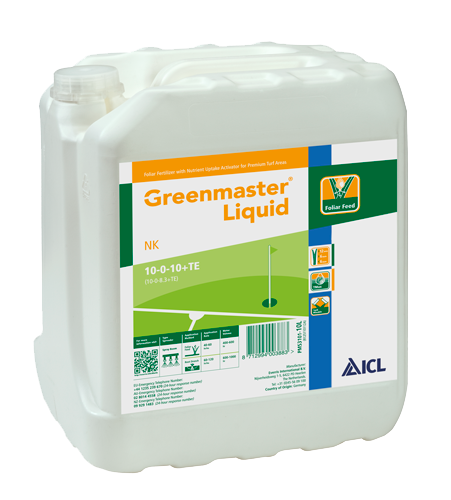
Professional turf fertiliser for sports surfaces and managed grass
Choosing the right turf fertiliser is one of the biggest decisions in any grounds management programme. Nutrition drives colour, recovery, wear tolerance and steady growth across football pitches, rugby pitches, cricket outfields, golf turf, paddocks and fine lawns. A good fertiliser plan helps you build density when surfaces are under pressure; it also supports stronger rooting and more consistent presentation through the playing season. Pitchcare’s fertiliser range includes granular turf fertiliser, liquid turf fertiliser, soluble turf fertiliser and weed and feed options, so you can match the product to the surface, the season and the result you want.
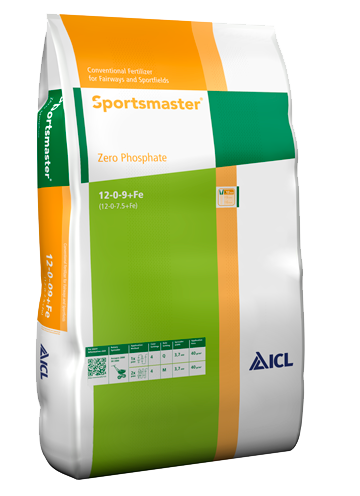
For most turf managers, the starting point is the nutrient analysis. That means looking at nitrogen, phosphorus and potassium, often shown as an N, P and K ratio. Nitrogen supports leaf growth and colour; phosphorus helps early root development and establishment; potassium strengthens the plant and supports stress tolerance. Many professional products also include sulphur, magnesium, iron and trace elements to sharpen colour and support balanced growth. This matters in sport because too much soft growth can reduce sward strength, while too little nutrition can leave turf thin, pale and slow to recover after play.
Granular, liquid and soluble options explained
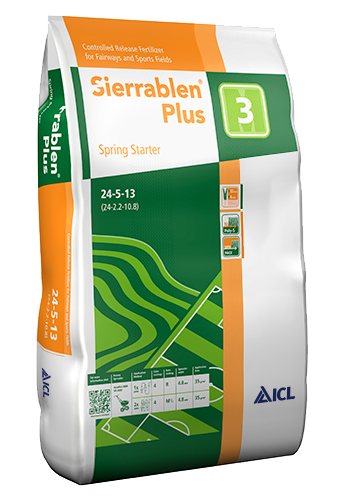
Granular turf fertiliser is a popular choice when you want a reliable feed pattern and clear application rates across larger areas. It suits planned nutrition programmes on winter sports pitches, golf areas and amenity turf. Depending on the formulation, you may be looking at conventional release, controlled release or mini-granule products. Controlled release technology can help deliver nutrition over a longer period; that can reduce flushes of growth and support a steadier surface.
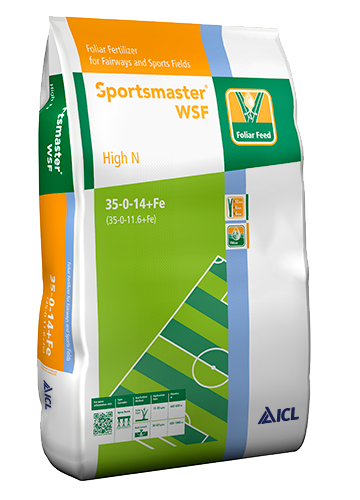
Liquid turf fertiliser gives you flexibility. It is useful when you want quick plant response, accurate tank-mixing and closer adjustment of inputs around fixtures, mowing schedules or changing weather. Liquid feeds are often chosen for fine turf, high-performance surfaces and situations where spoon-feeding helps maintain quality without pushing growth too hard. Soluble turf fertiliser offers similar control and is widely used where precision feeding is important.
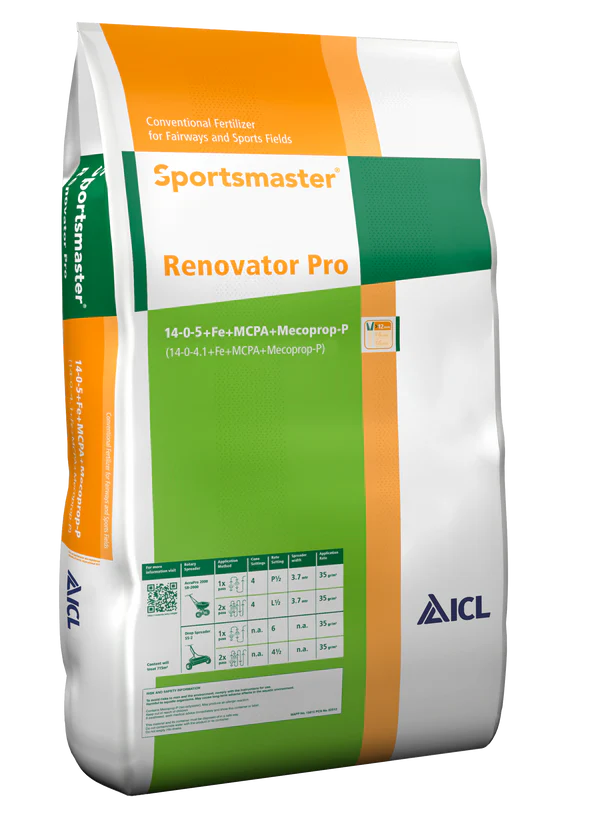
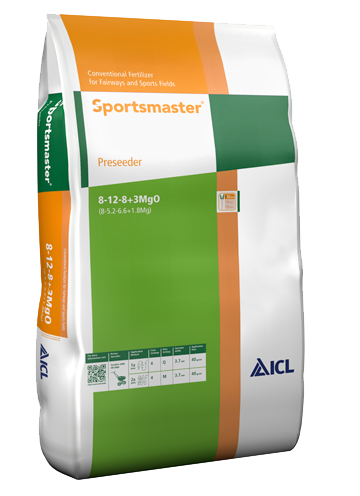
There is also a place for specialist products such as weed and feed, pre-seed fertiliser and seasonal stress-relief feeds. The key is not to think of sports turf fertiliser as a single product type. Professional turf nutrition works best when the formulation, release pattern, application method, calibration and rate all suit the surface in front of you.
How fertiliser fits into real turfcare programmes
On working sports surfaces, fertiliser never sits on its own. It is part of integrated turf management. A typical programme might begin with Soil Testing to check nutrient status, pH and any imbalances in the rootzone. From there, you might apply a seasonal fertiliser, support plant resilience with Biostimulants & Micronutrients, improve moisture movement with Wetting Agents and Penetrants and strengthen recovery with suitable Grass Seed after wear or renovation. Where presentation matters, teams often follow nutrition work with Line Marking Paint and the right Line Marking Machines; where surface levels need attention, Top Dressing, Sand and Soils, and wider Machinery choices complete the job.
This joined-up approach is what separates a short-term green-up from a proper grounds maintenance programme. A football or rugby pitch may need nutrition that supports recovery after repeated play. A cricket square or outfield may need tighter growth control and steady colour. A golf area may need precise feeding to maintain sward quality without excess leaf. Even serious domestic lawns benefit from the same thinking: right product, right rate, right timing and realistic expectations.
Application accuracy matters
Whichever product type you choose, spreader or sprayer accuracy is crucial. Even coverage affects colour, growth and safety. Striping from poor calibration is not just cosmetic; it can create uneven performance and inconsistent clipping yield. That is why many turf managers pair fertiliser planning with the right Spreaders, Sprayers & Equipment and appropriate PPE - Safety Equipment & Apparel. On professional sites, keeping records of product, rate, area and timing is part of good practice.
Seasonal fertiliser planning for stronger turf
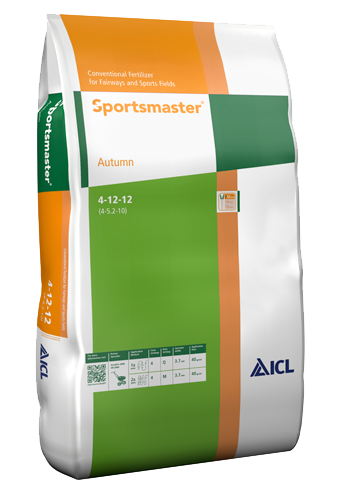
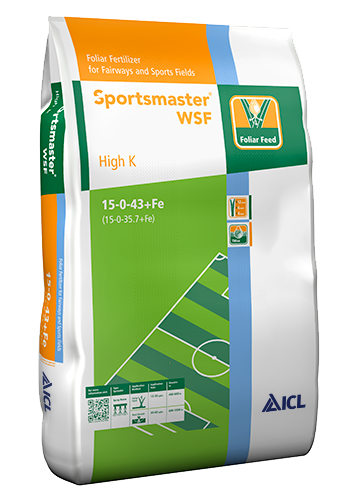
Season matters because turf demand changes through the year. In spring, fertiliser is often used to encourage recovery, improve colour and support early root and shoot development as soil temperatures rise. This is also a common window for pre-seed work and light renovation. In summer, many groundspersons move towards balanced feeding or lighter liquid applications to maintain steady growth, support wear tolerance and avoid excessive flushes ahead of fixtures or presentation work. In autumn, potassium-led products and controlled nutrition can help the plant prepare for stress, recover from play and maintain density as conditions cool. In winter, feeding is usually more selective; the aim is often to maintain plant health and colour without driving weak, lush growth when light and temperature are limited.
That seasonal pattern will vary by sport, soil type, irrigation and expected usage. Sandy profiles often require a different approach from heavier native soils. High-wear stadium training areas may need more frequent inputs than low-use amenity turf. A professional fertiliser programme always reflects surface performance, not just the calendar.
Choosing the right fertiliser for your surface
When comparing products, think about four practical points: nutrient ratio, release pattern, application method and surface suitability. For example, a granular product may suit broad-area feeding on winter sports turf; a liquid feed may suit in-season adjustment on fine turf or intensively managed surfaces. If you are establishing new grass, a Pre-Seed Fertiliser can support early development. If colour and hardening are priorities, products from Iron & Turf Hardeners may sit alongside your main nutrition plan. If weed pressure is part of the picture, a visit to Weed Killer & Herbicides or Weed and Feed may help keep the sward clean while the grass is actively growing.
Pitchcare is strong on choice because different surfaces need different answers. Some customers want sustained-release fertiliser for simple scheduling. Others want soluble or liquid products that fit a more technical programme. Either way, the aim is the same: healthy grass, better recovery, smarter input use and surfaces that stay fit for purpose through the season. That is what good turf fertiliser should deliver, whether you are managing elite sport, school grounds, golf areas, paddocks or a high-standard lawn.


Recently viewed