
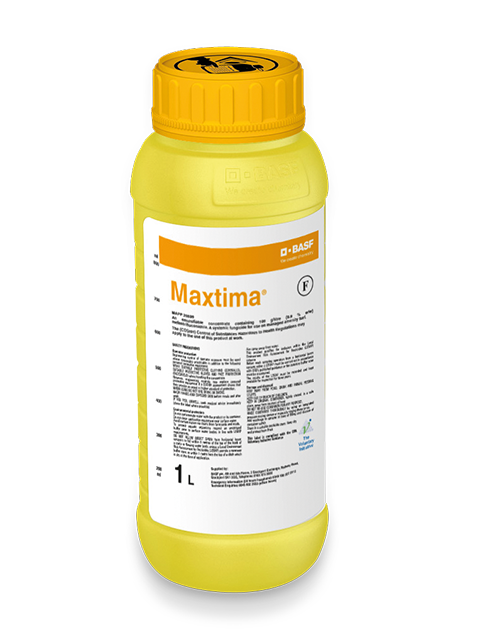
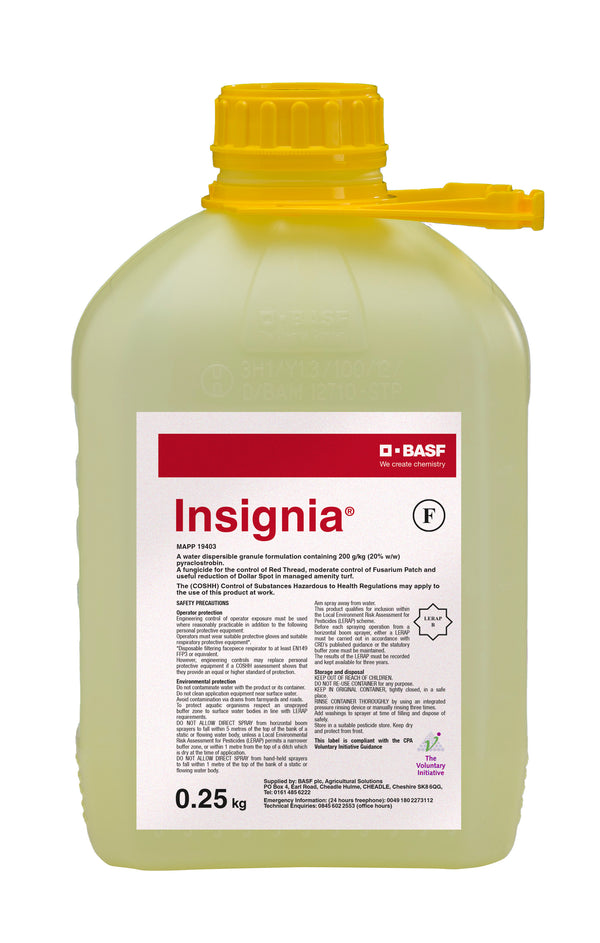
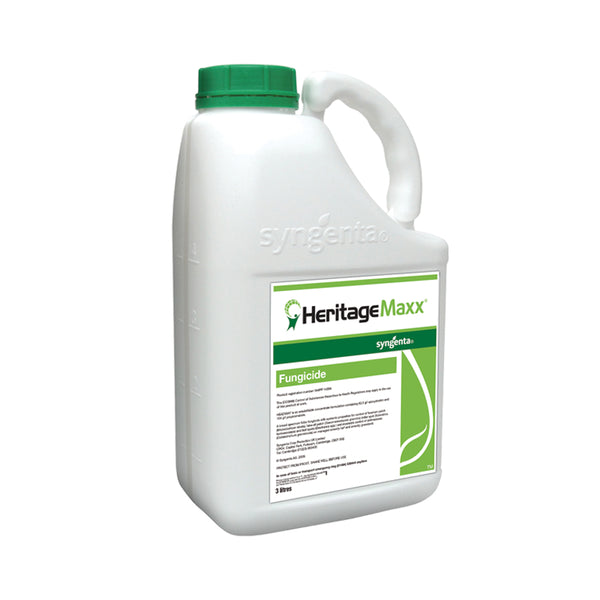
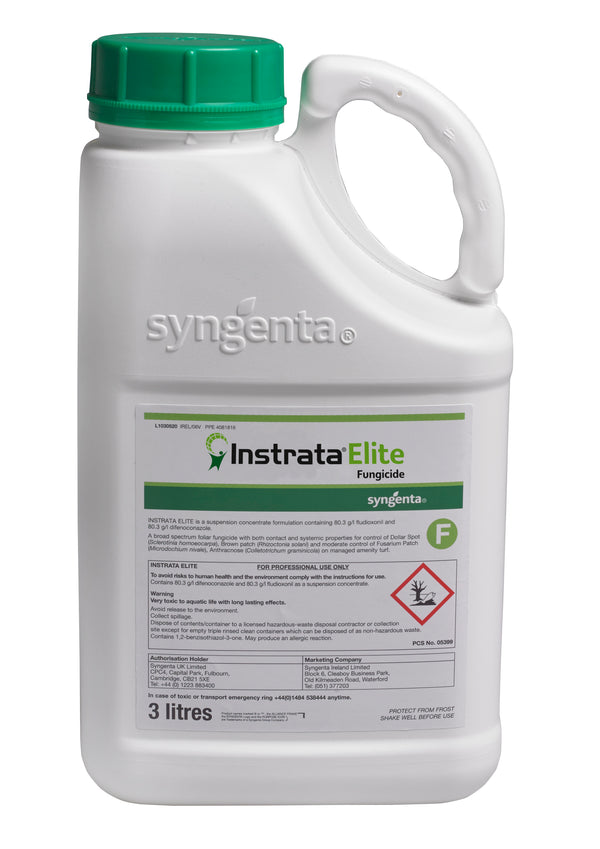
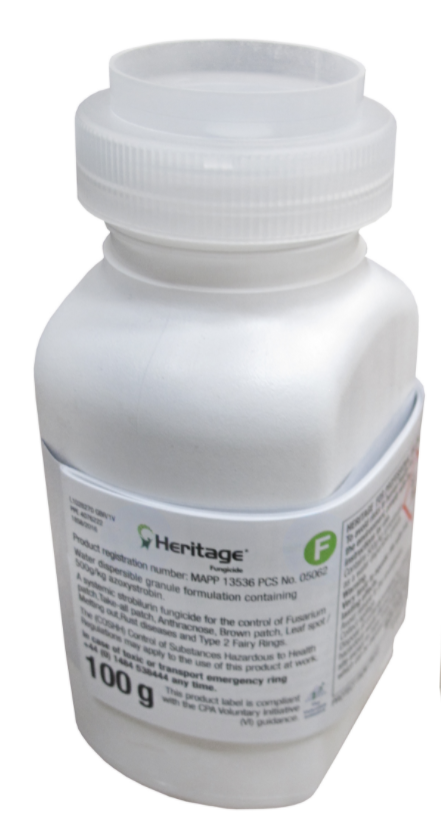
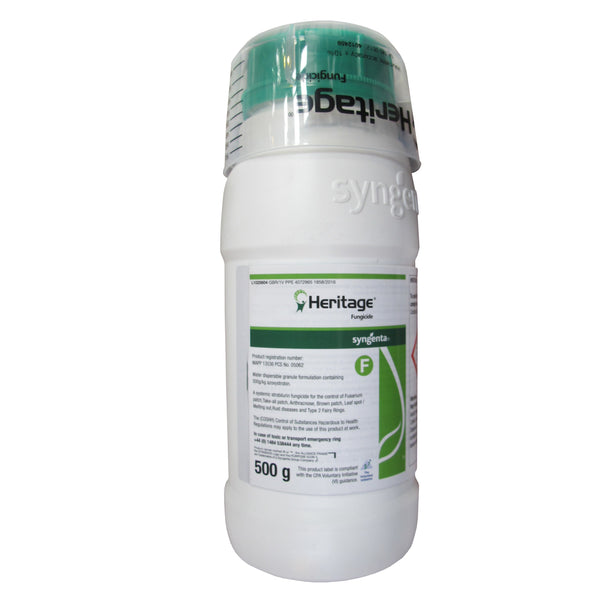


Turf Disease Control for stronger, cleaner and more resilient playing surfaces
Turf Disease Control is a key part of maintaining healthy, high-performing grass on sports pitches, fine turf, amenity areas and managed lawns. Fungal disease does more than affect presentation. It weakens the sward, reduces turf density and can leave surfaces struggling to recover under wear, stress or difficult weather. On football pitches, golf surfaces, cricket outfields, ornamental lawns and wider amenity turf, a well-planned disease-management programme helps protect grass quality and support more consistent performance through the season.
In practical terms, disease pressure often reflects a wider combination of environmental and management factors. Surface moisture, air movement, nutrition, plant stress and seasonal conditions all influence how vulnerable the turf becomes. That is why Turf Disease Control works best when it forms part of a broader agronomic strategy rather than being treated as a one-off response to visible scarring. For users comparing related treatment routes, it is also useful to explore specific categories such as Microdochium Control, Red Thread Control and Anthracnose Control.
Why disease develops in turf
Turf disease rarely appears in isolation. Most outbreaks are linked to a combination of plant weakness, environmental pressure and favourable conditions for infection. Prolonged leaf moisture, poor airflow, thatch, nutritional imbalance and stress from wear or drought can all make the sward more vulnerable. Once disease takes hold, the grass has to divert energy into survival and recovery rather than growth and density, which is why affected areas often thin out and lose visual quality quickly.
That is also why good Turf Disease Control is not simply about reacting once symptoms are obvious. The strongest programmes are preventative in mindset. They aim to reduce stress, support plant health and improve surface conditions so the turf is naturally better able to cope. This is where related collections such as Seaweed & Biostimulants, Wetting Agents and Iron & Turf Hardeners can all support the wider programme.
How Turf Disease Control fits into a wider management plan
On professionally managed turf, disease control should always sit within the bigger picture of surface health. Nutrition, moisture control, surface preparation, thatch management and plant resilience all influence how much disease pressure develops and how well the turf recovers afterwards. That means the best outcomes often come when disease-control products are used alongside appropriate nutritional support from Fertiliser and plant-strengthening inputs from Plant & Soil Health.
This joined-up approach matters because different diseases tend to appear under different conditions. Some are more associated with cool, damp periods, while others are linked to summer stress, weak growth or plant fatigue. That is why users often need to compare a wider set of disease-focused categories such as Dollar Spot Control, Leaf Spot Control, Brown Patch Control, Fairy Ring Control and Take-All Patch Control when building a more informed control plan.
Professional insight: prevention usually outperforms reaction
One of the biggest mistakes in turf disease management is waiting until visible symptoms are widespread before acting. By that stage, the grass is already under pressure and recovery may take time even after the disease is checked. A more professional approach looks at the conditions driving the problem and manages risk before the turf becomes heavily affected. That might mean improving plant strength, managing leaf moisture more carefully or adjusting nutrition and surface practices to reduce stress.
In real-world turfcare, that preventative mindset often makes the difference between a surface that stays presentable and playable and one that slips into repeated periods of weakness. Turf Disease Control is most effective when it protects surface quality as part of the ongoing programme, not just as a late-stage rescue measure.
Application quality and supporting equipment
As with any crop-protection work, application quality matters. Coverage, water volume, timing and operator consistency all influence performance. On larger sports sites and amenity areas, suitable kit from Knapsacks, Sprayers & Equipment and wider support from Equipment can help improve application accuracy and make disease-control work more consistent across the site.
Safe handling is just as important. Disease-control products need to be stored, handled and applied responsibly, with suitable personal protection and site awareness throughout. For that reason, collections such as PPE & Safety also fit naturally into the wider disease-management workflow where regular treatment forms part of a professional turfcare routine.
Part of a more resilient turfcare programme
Used thoughtfully, Turf Disease Control helps protect sward density, presentation quality and long-term turf performance. It works best when combined with practical support from Seaweed & Biostimulants, moisture management through Wetting Agents, plant support from Iron & Turf Hardeners and accurate application using Knapsacks, Sprayers & Equipment.
That broader strategy is what turns simple disease treatment into stronger long-term surface management. By reducing disease pressure and supporting healthier grass, Turf Disease Control becomes an important part of maintaining cleaner, tougher and more resilient playing and amenity surfaces.
Recently viewed