



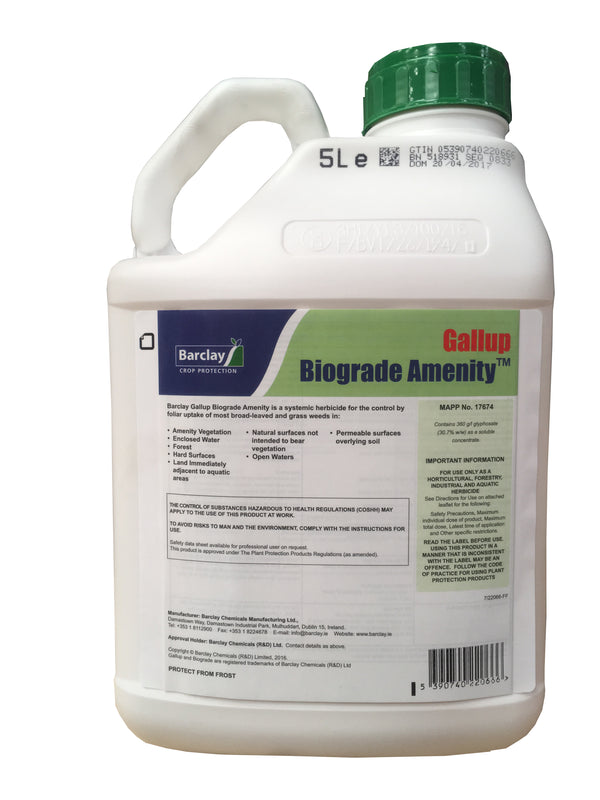
Glyphosate Weed Killer for total weed control in professional turfcare
When you need a clean reset, Glyphosate Weed Killer earns its place in the shed. It is a non-selective, systemic herbicide used for total weed control on hard surfaces, fence lines, path edges, gravel areas, around goal frames, perimeter zones and sites due for renovation. In sports turf and grounds management, glyphosate is less about routine in-play spraying and more about precision: clearing unwanted vegetation before reseeding, tidying neglected margins and taking out deep-rooted perennial weeds before they spread.
Within the wider Weed Killer range, this collection focuses on glyphosate-based weed killer products that move through active green growth and down into the root system. That matters when you are dealing with annual weeds, perennial weeds, docks, nettles, thistles, brambles and other species that bounce back if you only scorch the leaf. For grounds teams, that systemic movement is the difference between a quick cosmetic hit and reliable professional weed control.
How glyphosate works and where it fits
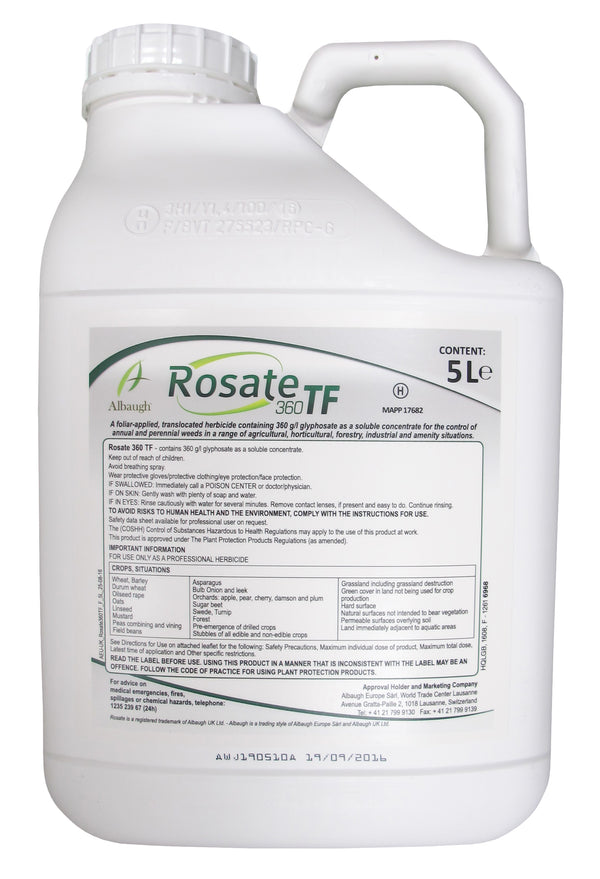
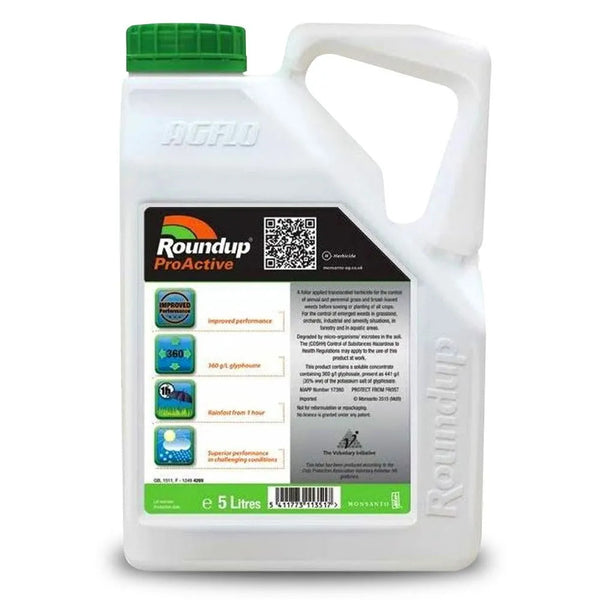
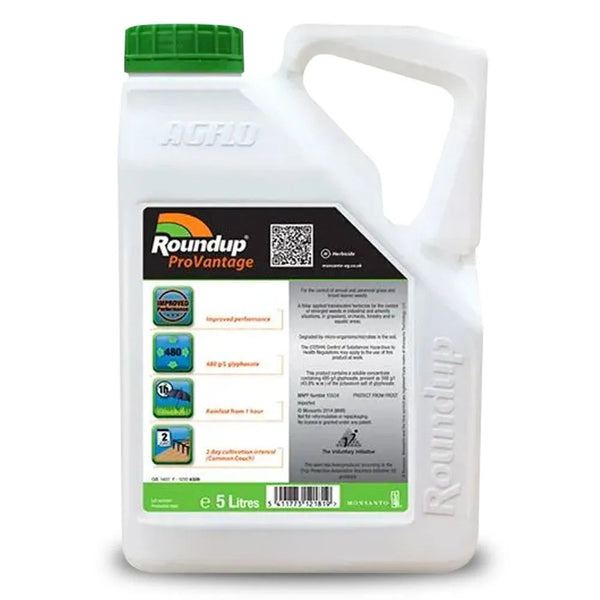
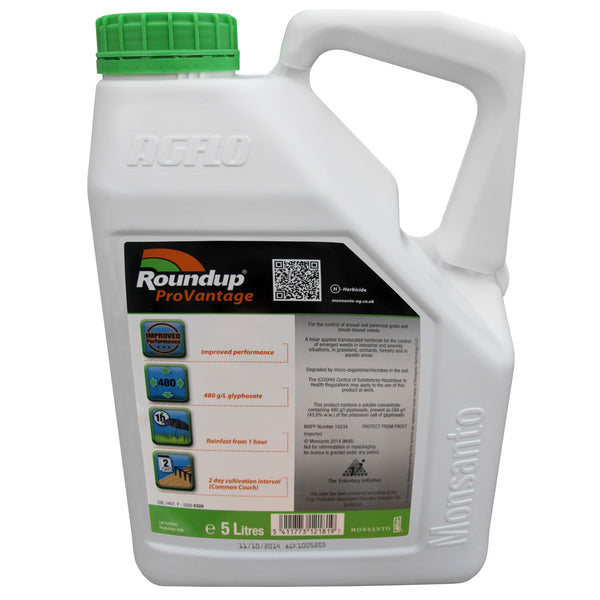
A good glyphosate weed killer is absorbed through the leaf, then translocated to growing points below ground. That makes it especially useful ahead of surface renovation, on weedy surrounds and on areas where you want bare ground before rebuilding the sward. Common concentrate strengths such as 360 g/L and 480 g/L help you match pack size, dose rate and job scale to the site in front of you. Some products are best suited to amenity and hard-surface weed control; others are built for larger-scale professional use.
The key point is selectivity. Glyphosate is a total weed killer, so it will damage desirable grass if you spray over the top. On football, rugby, cricket and golf sites, we tend to use it on the edges of the managed surface, in non-play areas, on paths and kerbs, or before a full re-establishment job. If the aim is to remove daisies, clover or plantain from an existing sward without taking out the grass, you are normally better moving across to Professional Selective Turf Weed Killer rather than reaching for a non-selective turf herbicide.
For contractors and larger facilities, Professional Total Weed Killer products make sense where you need efficient coverage, strong systemic action and flexibility across hard standings, fence lines and renovation plots. On paddocks, orchards, gallops or rough grass margins, Paddock Weed Killer can be the better route where you want weed control options tailored to grass retention, grazing management or broader land-use needs.
Application matters as much as active ingredient
In practice, performance comes down to timing and application quality. Spray when weeds are actively growing, leaf area is healthy and the plant is not under drought or frost stress. Use clean water, the right water volume and a low-drift nozzle; keep boom height or lance control tidy, and avoid mowing too soon before or after treatment. A knapsack can be spot-on for kerb lines and localised patches, while larger amenity areas may call for pedestrian or vehicle-mounted kit from Knapsacks, Sprayers & Equipment. Safe handling still matters every time, so correct gloves, coveralls, eye protection and storage procedures from PPE & Safety should be part of the plan, not an afterthought.
Professional operators will also think beyond the spray itself: COSHH assessment, buffer zones, drift management, watercourse protection, calibration and label compliance all sit inside an integrated turf management approach. That is especially important on schools, local authority sites and multi-sport venues where public access, presentation quality and fixture planning all overlap.
Seasonal use and renovation planning
Glyphosate Weed Killer is most useful from spring into autumn, when target weeds are actively moving sugars and water through the plant. Spring is ideal for cleaning up hard surfaces and neglected margins before growth races away. Summer applications can work very well, but you need enough moisture and active growth for good uptake. Early autumn is often a smart window for perennial weeds because translocation remains strong and you can then move into cultivation and reseeding with less competition. Winter use is usually limited; cold, slow-growing weeds give slower and less reliable results.
On sports sites, the best results often come when glyphosate is built into a proper grounds management programme. We might burn off a thin goalmouth surround, a weedy spectator bank or a failed practice area, then assess rootzone condition with Soil Testing, carry out cultivation and bring the area back with Fast Establishment Grass Seed. That sequence supports recovery, wear tolerance and cleaner presentation quality; it is far more effective than treating weeds in isolation.
Choosing the right product for the job
Think first about surface suitability. A concentrated glyphosate weed killer for hard surface weed control is very different from a lawn weed killer aimed at small domestic jobs. Check whether you need a 1 L bottle for spot work, a 5 L pack for routine amenity use or a 20 L option for bigger programmes. Look at formulation, concentration, target species, rainfast guidance and the interval you need before cultivation or reseeding. On stubborn perennial weeds and mature vegetation, patience matters: allow enough time for full movement into roots and rhizomes before disturbing the area.
Glyphosate Weed Killer remains one of the most useful tools in professional grounds care when it is used with care and in the right place. It is not a shortcut for every weed problem; it is a precise tool for total weed control, site preparation and renovation support. Used sensibly alongside sound agronomy, accurate spraying and planned recovery work, it helps keep sports surfaces, managed amenity areas and surrounding infrastructure cleaner, safer and easier to maintain.


Recently viewed