





Football Equipment for Safer, Smarter Pitch Set-Up
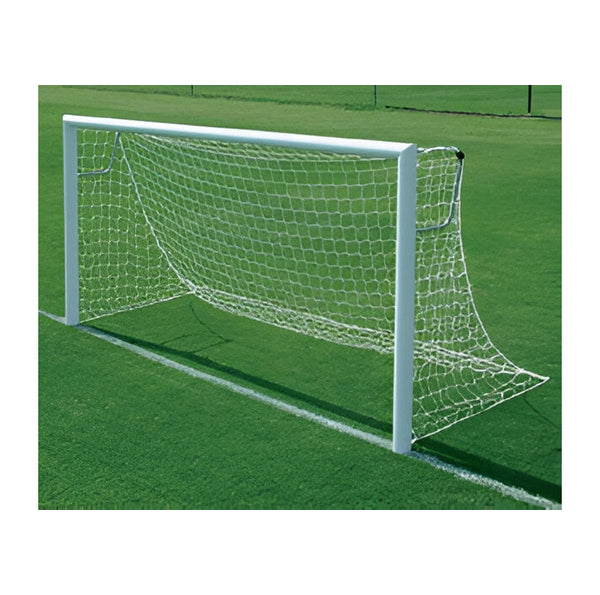
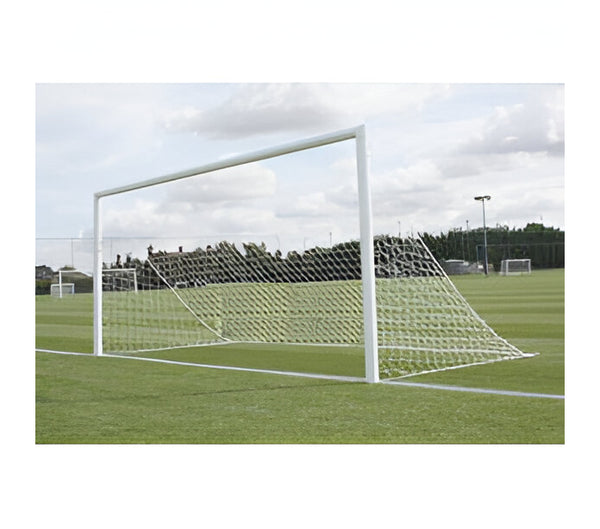
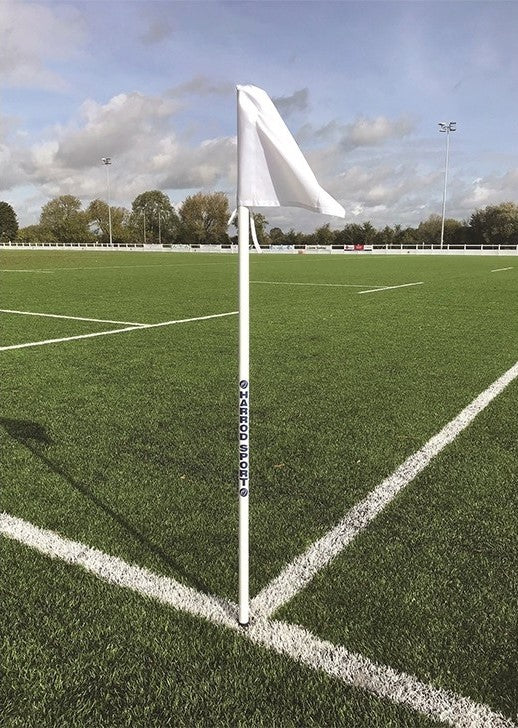
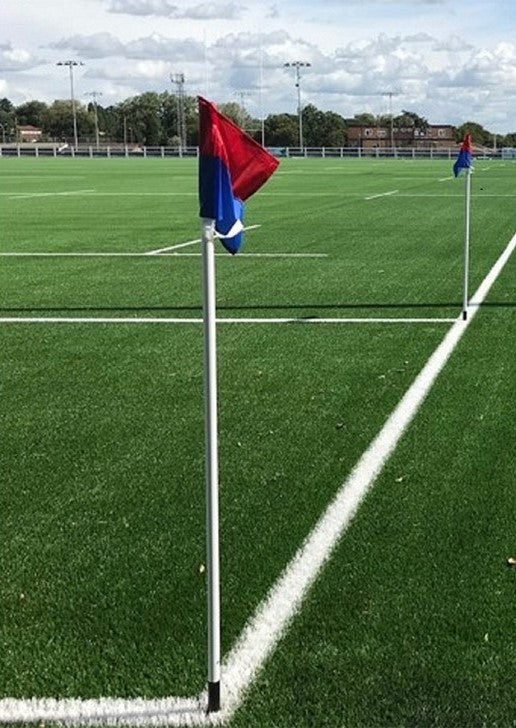
Football equipment plays a bigger role in pitch presentation and matchday standards than many people think. It is not just about goals and nets. It covers the practical kit that helps you prepare, organise and manage a football surface properly: corner poles, boot scrapers, net hooks, respect barriers, team shelters, socketed fittings, trolleys, storage and all the small details that help a ground run smoothly. On busy sites, that detail matters. A well-set-out pitch looks better, works better and gives players, coaches and officials more confidence from the first whistle.
For grounds teams, football pitch equipment sits right alongside turf maintenance rather than outside it. A tidy, well-equipped venue supports presentation quality, fixture turnaround and safer working routines. It also helps reduce unnecessary wear. Poorly positioned goals, damaged nets, loose fittings or weak storage routines can create problems for the surface as well as the people using it. Good football ground equipment helps you avoid that. It keeps the site organised and allows the groundsperson to focus on the turf rather than chasing avoidable issues on matchday.
That is important across stadium settings, training grounds, schools and community clubs. The level of spend may differ, but the need for reliable football equipment stays the same. If a site is hosting repeated fixtures and training, equipment needs to be durable, easy to move and suited to the layout of the facility. Aluminium goal frames, net supports, anchors, wheels and sockets all need to work together properly. If one part of the set-up is weak, the whole routine becomes slower and less safe.
Why football equipment matters beyond matchday
There is a tendency to think of football equipment as finishing kit; in reality, it affects the whole maintenance programme. Goal movement influences wear patterns in goalmouths. Respect barriers and access routes influence how people move around the pitch perimeter. Storage and transport affect how quickly a site can be reset between training and matches. Even simple items such as net clips, anchors and post protectors matter because they help equipment stay secure and reduce unnecessary disruption.
From a turf point of view, that matters most in high-wear areas. Goal lines, six-yard boxes, warm-up zones and touchline entries all take pressure. If your equipment set-up is inconsistent, those pressures become harder to manage. That is why experienced football grounds teams do not separate football ground equipment from integrated turf management. They treat the whole site as one working system: surface performance, player safety, presentation and access all have to line up.
Where surfaces are under pressure, that system often links with Grass Seed for wear recovery and Turf Fertilisers to support growth and colour through busy fixture periods. The equipment may not grow grass, but it plays a direct part in how well the pitch copes with use.
Choosing football pitch equipment for real-world use
The best football equipment is the kit that suits your level of use and can stand up to repeated handling. On a club or school site, portability is often key. You may need freestanding goals with transport wheels, folding options or simple storage solutions that save time. On a more permanent set-up, socketed goals and fixed fittings can provide a cleaner look and stronger anchorage. In both cases, the practical questions stay the same: is it stable, is it compliant, is it durable and can your team manage it safely?
Materials matter too. Aluminium remains a strong choice because it gives you a good balance of weight and strength. Steel can suit some applications, but corrosion, handling weight and storage need more thought. Net specification is another point that often gets overlooked. Mesh size, cord thickness and UV resistance all affect lifespan. If a site runs youth football, adult football and training in the same week, equipment flexibility becomes just as important as build quality.
There is also a presentation angle. Smart goals, clean nets, straight corner poles and tidy perimeter kit improve the look of the venue immediately. That visual standard supports the wider work of the groundsperson. It complements mowing patterns, clean edges and clear lines; it also helps the site feel cared for and ready for play. This is why football equipment belongs in the same conversation as Line Marking Paint. One handles set-up, the other defines the playing area; together they shape first impressions.
Seasonal pressures and equipment use
Football equipment has year-round relevance, but the pressure points change through the season. In pre-season and early autumn, you are setting up pitches repeatedly and checking that goals, anchors, sockets and nets are ready for heavy use. Through the main playing season, speed and reliability become more important because weather, fixture congestion and training loads leave less room for delays. In winter, storage, transport and handling matter even more as wetter ground conditions raise the risk of damage around access points and goalmouths. In spring and close season, equipment checks, repairs and replacements are easier to schedule alongside renovation planning.
That seasonal view matters because equipment should support the surface, not fight against it. Repeated dragging of goals over soft ground, poor storage around wet pitch entrances or last-minute setup with the wrong kit all increase wear. Good planning reduces that pressure.
How football equipment fits into a complete maintenance programme
On a working football site, equipment choices should connect with the rest of the maintenance plan. After a match, a groundsperson may move goals, repair divots, brush the surface and assess wear in the goalmouths. If recovery work is needed, that can lead into Loam and Dressing for local levelling and surface refinement, followed by overseeding and nutrition where required. If the site is struggling with consistency across the profile, one round of Soil Testing can help separate wear issues from deeper rootzone or nutrient problems.
Water management also comes into the picture. On sand-based or free-draining surfaces, equipment movement and fixture preparation may sit alongside Irrigation and Water Management to maintain firmness, establishment and recovery. On heavier soils, the focus may be more on access control and reducing traffic around vulnerable areas. Either way, the equipment has to fit the ground, the labour resource and the schedule.
Getting better value from football ground equipment
When you are buying football equipment, think beyond the catalogue description. Consider how often the item will be moved, who will handle it, where it will be stored and what pressure the site is under through the season. Reliable football pitch equipment saves time, protects the playing surface and improves the professional feel of the venue. That applies whether you are managing a stadium, a training complex, a school field or a local club ground.
Pitchcare is a useful place to source the kit because football equipment only works properly when it sits within a wider grounds management programme. The strongest results come when goals, nets and setup hardware are backed by sound agronomy, good line marking, consistent recovery work and practical day-to-day standards. Get those pieces working together and your football surface will look sharper, recover better and cope more effectively with the demands of the season.
Recently viewed