


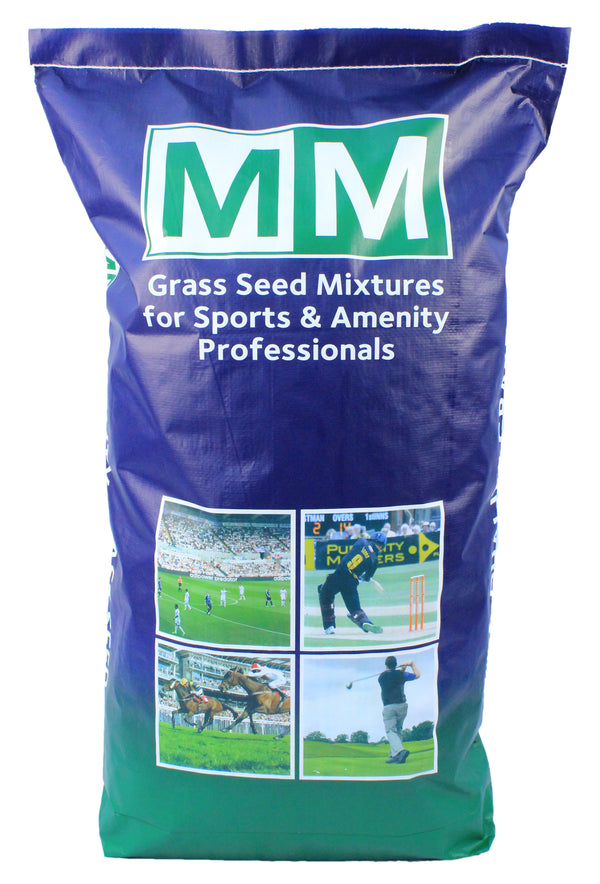
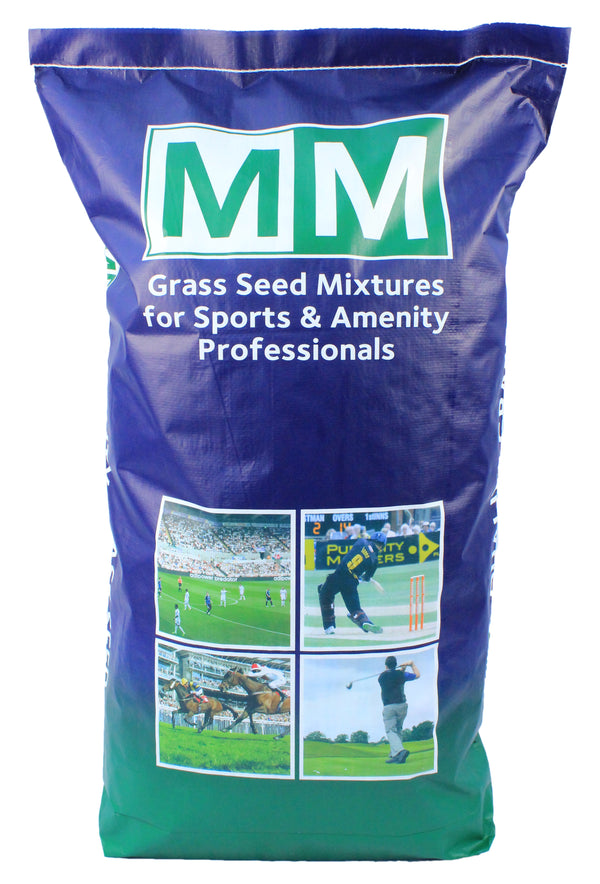
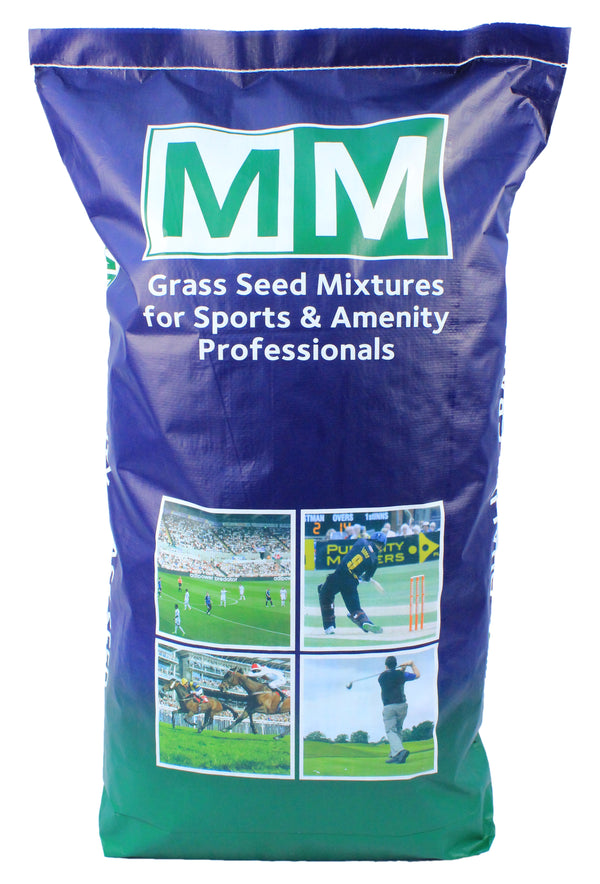
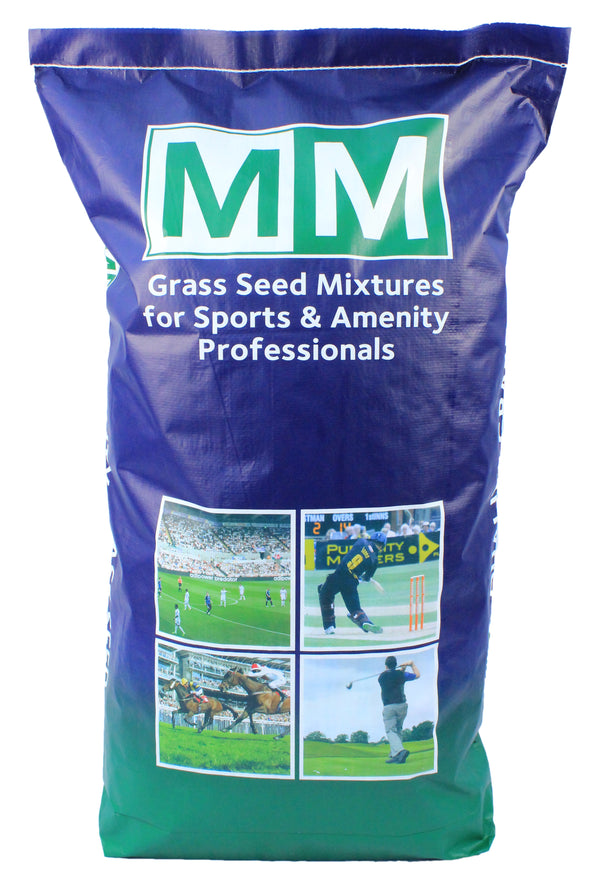


Golf Greens Grass Seed for Fine Turf, Close Mowing and Consistent Putting Surfaces
Golf Greens Grass Seed is all about precision. Greens sit at the sharp end of golf course presentation and performance, so the seed you choose has to support fine leaf texture, dense sward development, close mowing tolerance and steady recovery after wear. We are not simply trying to establish grass cover. We are trying to build a putting surface that can be managed tightly, roll consistently and recover cleanly after renovation.
That is why golf green seed selection is more specialised than general turf seeding. On greens, the target is usually a finer, more uniform plant population that can cope with low heights of cut, regular switching, rolling, topdressing and moisture management. Species choice matters. Bent grasses are often favoured for their fineness, density and close mowing tolerance; fescues also have a place where sward fineness, lower input management and year-round presentation are priorities. In some cases, fine ryegrass may feature in mixtures aimed at faster establishment or specific renovation aims, but the surface objective remains the same: clean, even, high-quality greens turf.
This collection sits within the wider Golf Seed range, but Golf Greens Grass Seed deserves its own focus because the demands of a green are very different from those of tees, fairways or rough. A seed blend that performs well on a tee or fairway will not always deliver the fineness, density or close-cut response required on a putting surface.
Choosing Golf Greens Grass Seed for Renovation and Overseeding
Match the mixture to green performance, species balance and recovery window
When selecting Golf Greens Grass Seed, we need to start with the existing surface and the way the greens are managed. Are you overseeding into established bent and fescue populations? Are you trying to improve density after stress? Are you rebuilding weaker areas after hollow coring, scarification or deep renovation? Those questions shape the right seed choice far more than a simple wish for a greener surface.
On intensively managed greens, seed is usually chosen to improve smoothness, ball roll and sward uniformity. Fine bent seed is often used where a very dense, close-knit surface is the priority. Fescue-rich mixtures may suit lower input programmes or links-style expectations where fineness and presentation matter, but a leaner growth habit is preferred. Germination speed also matters. Early establishment helps after surface renovation, but long-term compatibility with the existing turf species matters just as much.
It also helps to keep the rest of the course in mind. Greens are part of a wider playing environment, and seed choice across the course should feel joined up. That is why this category naturally sits alongside Golf Tees Grass Seed and Golf Fairway Grass Seed. The species balance, wear tolerance and mowing demands are different in each area, but the goal is the same: healthy turf, reliable recovery and a consistent standard of presentation from tee to green.
How Golf Greens Grass Seed Fits into a Professional Turf Programme
Preparation, nutrition and water all influence the final result
Even the best Golf Greens Grass Seed will underperform if the surface is not prepared correctly. Good seed-to-soil contact is critical. So is creating enough space in the canopy for the seed to reach the upper rootzone rather than sitting on top of organic matter. On greens, that usually means tying seed work into scarification, sarel rolling, hollow coring, sand topdressing or other surface renovation work so the seed can establish where it is meant to.
This is where practical greenkeeping makes the difference. We do not treat overseeding as a standalone task. We fit it into an integrated turf management programme. That means thinking about rootzone moisture, topdressing levels, nutrient availability, thatch control, mowing pressure and expected recovery time. If seed is applied into a sealed surface, or the top 10 mm dries too quickly, germination will be uneven and new seedlings will struggle to compete. Likewise, if nutrition is too soft, the plant can become lush and weak rather than dense and controlled.
That is why golf green overseeding often sits closely with Pre-Seed Fertilisers. A suitable pre-seed analysis helps support early root development, tillering and establishment without losing sight of the finer turf objective. Phosphate availability is often part of that conversation, especially after renovation, but so is keeping the nutritional balance sensible for greens management. We want establishment and recovery; we do not want a surge of soft growth that disrupts surface quality.
Water management is just as important. Newly sown bent and fescue seed can be vulnerable if the surface dries too hard between light irrigations, particularly in late spring and summer renovation windows. Consistent, measured moisture is usually better than heavy wetting and drying cycles. That is why dependable Irrigation plays such a big part in successful golf greens establishment. The aim is to keep the upper profile receptive and the seed active without creating soft, unstable conditions.
Seasonal Use of Golf Greens Grass Seed
Timing matters on golf greens
Golf Greens Grass Seed is used most effectively when soil temperatures, moisture and recovery potential line up. Spring overseeding can work well when growth is active and the profile is warming up, especially after light surface work. Summer is often used for bent seed overseeding where temperatures support quick germination and irrigation can be controlled carefully. Late summer and early autumn are major renovation periods on many courses because recovery conditions are still good, play pressure can ease slightly and there is time to establish before colder weather slows everything down. Winter is usually more about planning, assessing take and protecting turf health than active sowing.
From a professional point of view, timing is rarely just about temperature. We also have to think about competition schedules, member play, recovery windows and how quickly the green needs to come back into presentation. That balance between agronomy and playability is what separates good overseeding decisions from rushed ones. When seed choice, timing and aftercare all align, Golf Greens Grass Seed helps build denser surfaces, better recovery and stronger year-round putting quality.
In simple terms, Golf Greens Grass Seed is one of the key tools in fine turf management. Choose the mixture to suit the green, prepare the surface properly and support establishment with sensible nutrition and moisture control; that is usually where the best results are found.
Recently viewed