


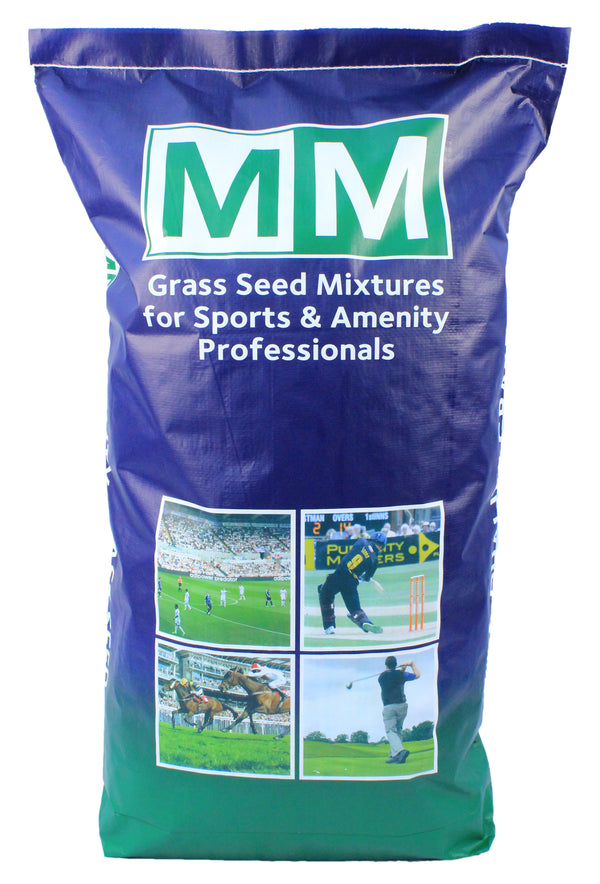
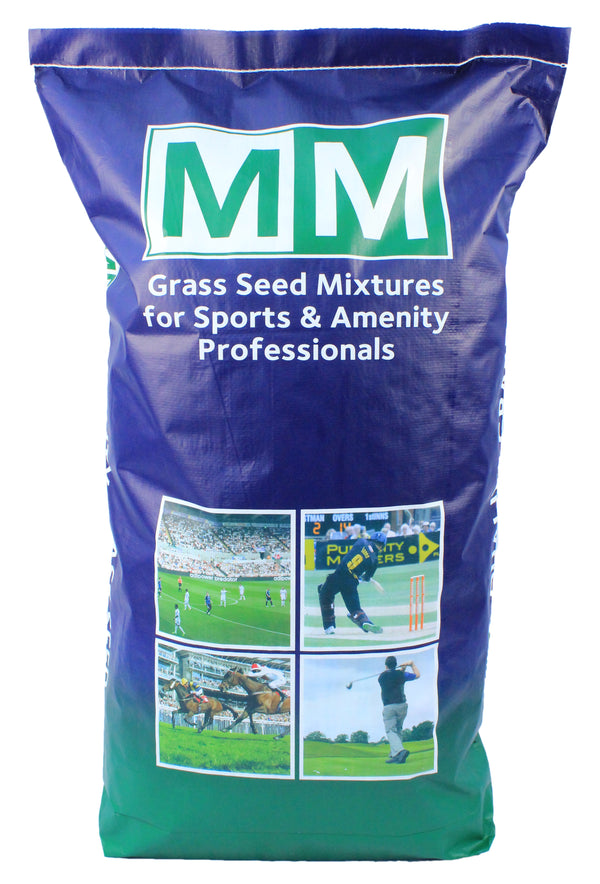
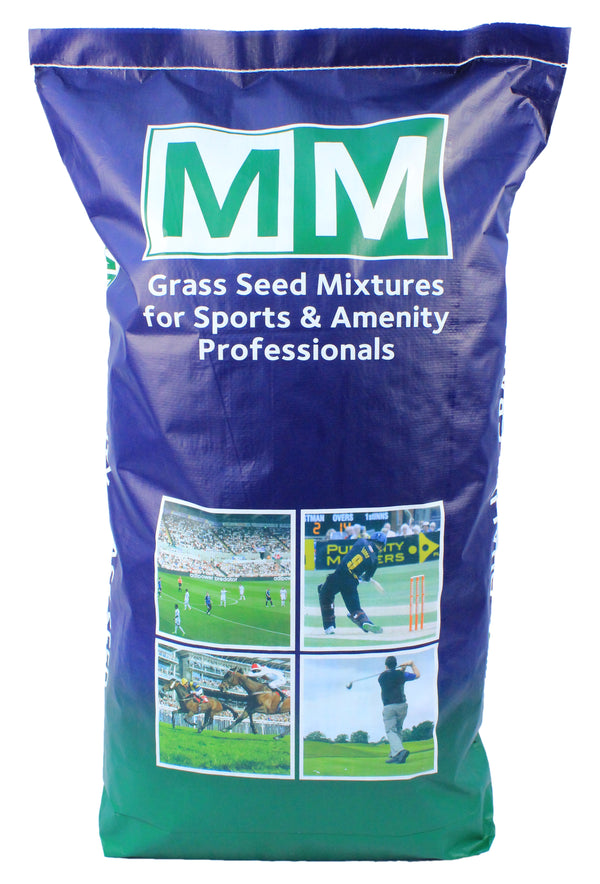
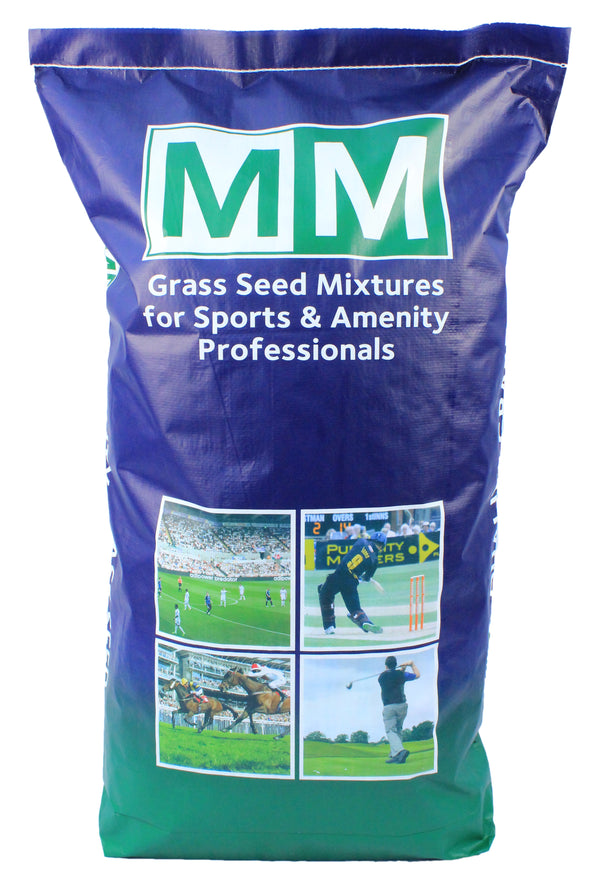
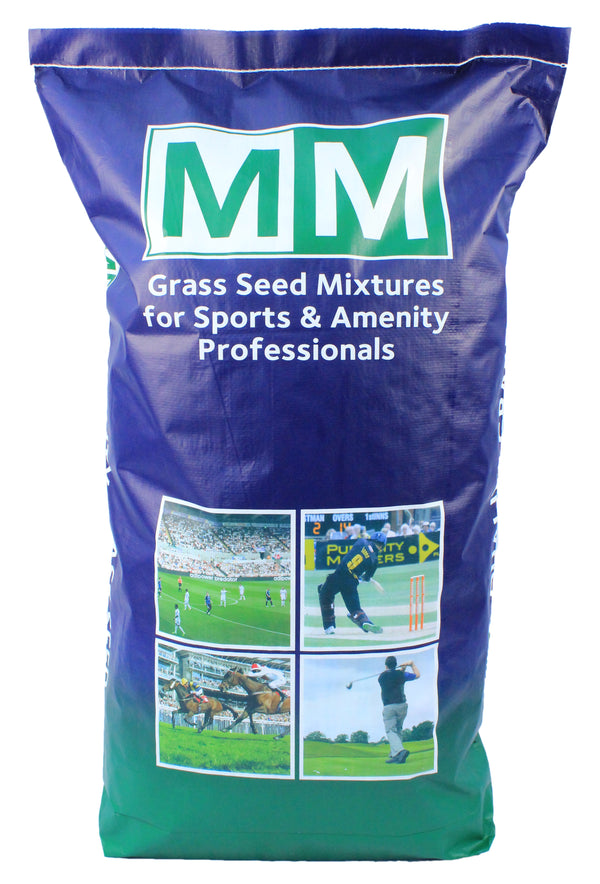
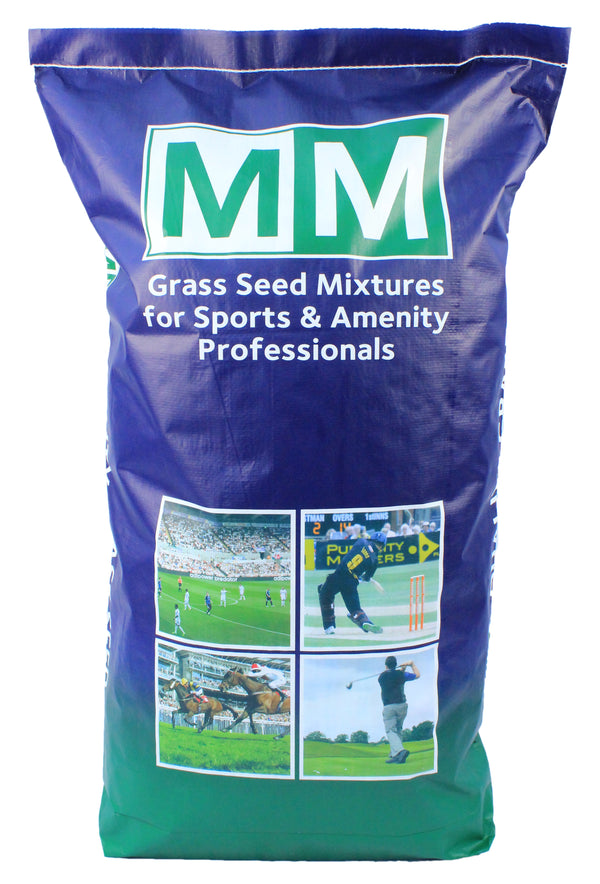


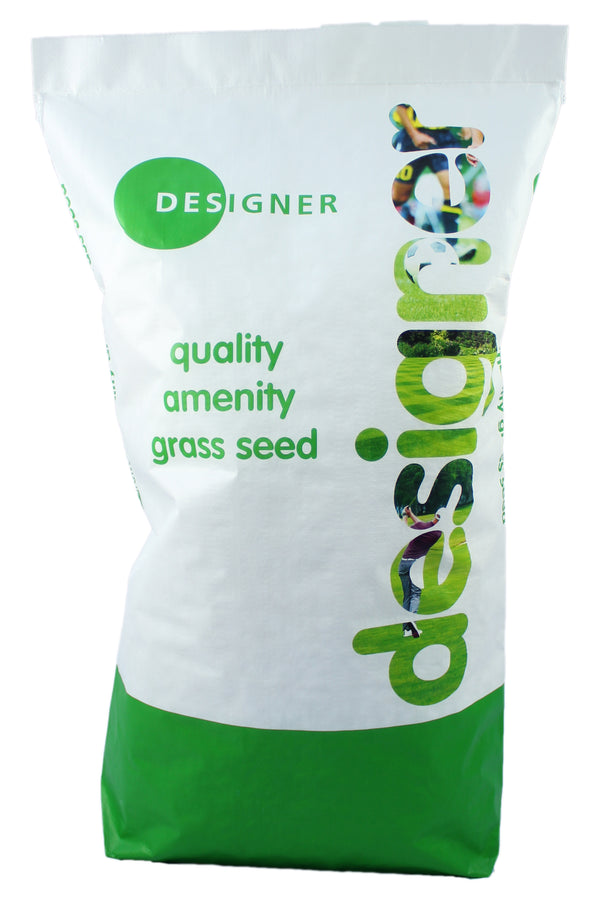
Golf course grass seed for greens, tees, fairways and surrounds
Choosing the right golf course grass seed is one of the biggest decisions you make for long-term turf quality. Seed choice affects ball roll, recovery, wear tolerance, drought performance and the amount of input needed through the year. On a golf site, there is no single answer. Greens, tees, fairways, roughs and bunker surrounds all ask different questions of the sward, so the best golf seed blends are usually built around how each area is used.
That is why professional golf green seed and golf fairway seed mixes often combine species with different strengths. Bentgrass is valued for fine leaf texture, density and excellent mowing tolerance on greens. Fescue seed is prized for fineness, lower nutrient demand and strong performance on free-draining profiles. Perennial ryegrass, including modern dwarf perennial ryegrass cultivars, brings fast germination and wear tolerance where play pressure is higher, especially on tees, walk-offs and busy fairways.
For greenkeepers and grounds teams, good golf course grass seed is about more than establishment speed. We are looking at shoot density, root development, disease tolerance, colour, seasonal growth habit and how a mix fits the rootzone already in place. Serious lawn users can learn from the same thinking, but the professional setting remains the benchmark because surface consistency matters every day.
Matching seed to the playing area
Golf greens usually demand the finest texture and smoothest finish, so bent and fescue mixtures are common where close mowing and true pace are the priority. Tees need quicker recovery, so ryegrass often plays a bigger role. Fairways sit somewhere in the middle: they need presentation, resilience and enough strength to handle traffic, divoting and changing weather. Roughs and out-of-play areas may suit lower-input fescue blends that support cleaner definition and reduced maintenance pressure.
When you compare professional golf seed blends, look closely at species balance, cultivar quality, expected sowing rate, germination speed and whether the mix is aimed at new establishment or overseeding. Overseeding seed for golf is often selected for rapid take and compatibility with an existing sward. New construction or full renovation work gives you more freedom to chase finer species and a more specialist finish.
How golf seed blends support turf performance
Modern golf turf seed is selected to do a job within an integrated turf management plan. Bentgrass helps build a close, smooth, dense putting surface. Fescues can improve drought tolerance and support a tighter, more refined appearance on suitable soils. Ryegrass brings quick establishment and better wear resistance, which is especially useful where fixture pressure, society play or trolley movement creates stress. The result is not just greener turf, but a more reliable surface from first tee to final green.
There is also a practical agronomy angle. Better species selection can reduce the need for repeated patch repairs, improve recovery after aeration and help maintain grass cover during surface renovation. On sand-based profiles, species that root well and cope with dry-down can make daily management much easier. On heavier ground, seed choice still matters because stronger establishment can support surface stability while you work on drainage, aeration and soil structure.
Fine turf detail that matters
A few technical details are worth checking before you buy. Fine leaf texture influences ball lie and visual quality. Tillering affects density and recovery. Wear tolerance matters on tees and fairway entrances. Disease resistance can support cleaner surfaces during stress periods. Seed purity and germination percentage also matter, especially when you are overseeding into an existing stand and need every pass to count. These are the details that separate generic amenity seed from true professional golf course grass seed.
From a management point of view, seed should never be chosen in isolation. Establishment works best when sowing is matched with the right rootzone preparation, sensible moisture management and balanced nutrition. That is where related collections such as Pre-Seed Fertiliser, Wetting Agents & Penetrants and Top Dressing, Sand, and Soils naturally come into play.
Using golf course grass seed through the seasons
Season matters because germination and early establishment depend on soil temperature, moisture and traffic levels. Spring is a key window for golf course overseeding and new establishment, especially once growth starts to move and surfaces can be prepared properly. Late spring and early autumn are often the strongest periods for cool-season grass seed because moisture is usually more reliable and stress is lower than in peak summer.
In summer, golf course grass seed is still used, but it needs tighter control of irrigation and surface stress. Dry, hot spells can check establishment quickly, especially on exposed or sand-dominant areas. Autumn is a major renovation season for greens, tees and fairways, with overseeding often paired with aeration, topdressing and nutrient inputs to drive recovery. Winter sowing is usually limited because low soil temperatures slow germination, although protected windows and mild conditions can still allow repair work on selected sites.
Choosing the right support products
A complete programme usually starts with Soil Testing so you understand pH, nutrient status and any obvious constraints before seed goes in. From there, many teams prepare the profile with Top Dressing, Sand and Soils, apply Pre-Seed Fertiliser or carefully timed Granular Turf Fertiliser, then overseed with the right mix from Grass Seed. During establishment, Irrigation and Wetting Agents & Penetrants help keep moisture even; later, Biostimulants & Micronutrients can support grass health, while Machinery and Sprayers & Equipment help you apply products accurately and keep timing tight.
That sort of workflow reflects real golf course practice. Seed is not a standalone fix. It sits inside a broader grounds management programme that includes soil moisture control, measured nutrition, routine aeration and sensible wear management. When those pieces line up, the value of a good golf course grass seed mix becomes much clearer because you see stronger establishment, cleaner recovery and a more consistent playing surface.
Practical advice when buying golf seed
Start by asking three simple questions: which area are you seeding, what standard are you aiming for, and how much pressure will the turf take? For greens, look for finer bent and fescue-based options where the profile and maintenance plan support them. For tees and high-traffic fairways, a sports turf seed blend with more ryegrass may be the sensible route. For roughs and lower-input areas, fescue-led mixtures often make good agronomic sense.
Also think about timing, budget and recovery speed. A premium blend can be worth the extra spend if you are chasing tighter density, finer presentation or better tolerance to close mowing. On the other hand, fast-establishing professional grass seed can be the better choice when quick recovery is the priority. The best option is the one that matches your site, your maintenance standard and your renovation window.
Pitchcare is built around that practical approach. Whether you are refreshing a golf green, strengthening fairway cover or planning a full autumn overseed, the right golf course grass seed gives you the foundation for healthier turf, more reliable play and better presentation across the whole course.
Recently viewed