
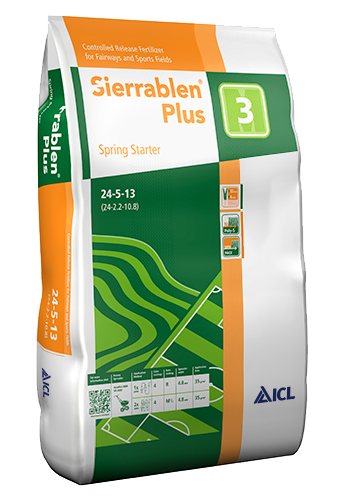
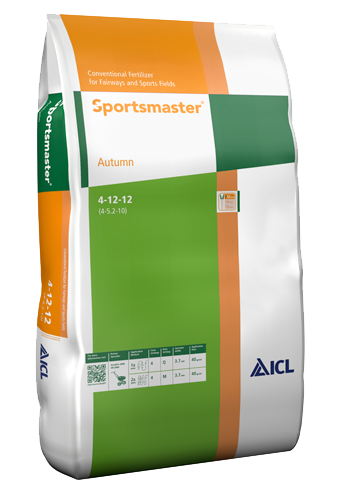
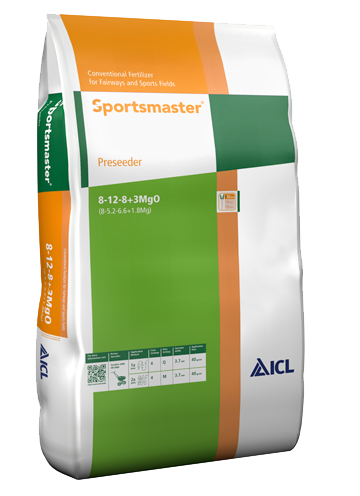

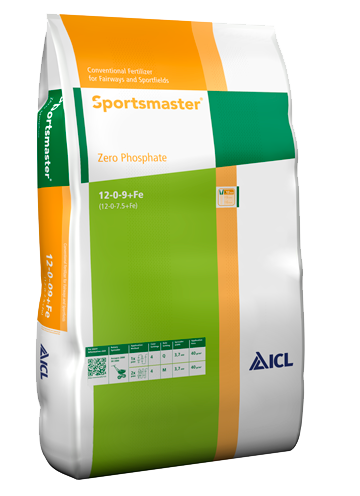
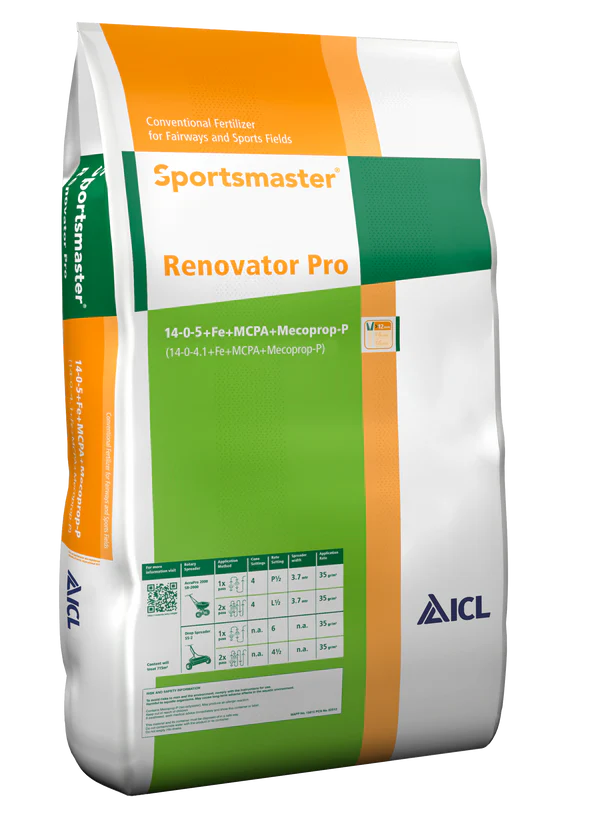





Granular Turf Fertiliser for practical, reliable feeding
Granular Turf Fertiliser remains one of the most trusted ways to feed managed grass. For football and rugby pitches, cricket outfields, golf areas, school sports grounds and quality lawns, it gives you a simple way to deliver accurate nutrition across large areas. When you want even coverage, steady response and a product that fits easily into a regular maintenance round, granular feeding still makes a lot of sense.
In day-to-day turfcare, the attraction is clear: a granular fertiliser is easy to store, straightforward to spread and available in a wide range of analyses. You can choose products with different nitrogen sources, varying levels of phosphate and potassium, and added elements such as sulphur, magnesium and iron. That flexibility helps you match nutrition to the surface, the season and the standard of presentation you need to hold. Done properly, Granular Turf Fertiliser supports colour, density, recovery and wear tolerance without making your programme more complicated than it needs to be.
For many groundspersons, granular products are the backbone of a wider grounds management programme. They sit comfortably alongside overseeding, aeration, topdressing and weed control. A well-chosen sports turf fertiliser can help drive stronger rooting, better tillering and more consistent sward performance. It also helps maintain soil nutrient balance across areas that take heavy traffic and repeated mowing. On high-use natural grass surfaces, that consistency matters just as much as the headline analysis on the bag.
Why granular fertiliser still matters on sports turf
The big strength of Granular Turf Fertiliser is coverage. With a properly calibrated spreader, you can treat large areas quickly and evenly. That is especially useful on pitches, training grounds and outfields where uniformity affects both grass health and presentation quality. Granule size, bulk density and release pattern all play a part here. A clean, consistent granule helps spread accurately; a sensible analysis helps you avoid growth that is too soft, too lush or too weak for the workload ahead.
Granular products also give you choice. Some formulations are designed for a quicker response; others are built for measured release over a longer period. If you are planning around fixtures, labour and weather windows, that flexibility is valuable. There are times when a liquid feed is the right fit, especially for fast correction or tight-rate adjustments, and Pitchcare has Liquid Turf Fertilisers for that purpose. Even so, many turf managers still build their base nutrition around granular feeds because they are robust, efficient and easy to repeat through the season.
Where longevity is the priority, Slow Release Fertiliser can help smooth out growth and reduce the flush that sometimes follows a straight conventional feed. If you want to compare nutrient ratios more closely, NPK Fertiliser is useful when selecting the right balance of nitrogen, phosphate and potassium for your site. Both routes can sit within a granular programme, depending on budget, expectations and the amount of control you need.
How professionals use granular fertiliser in a maintenance programme
On sports surfaces, feeding is rarely a one-off job. It is part of integrated turf management. A football or rugby pitch may need steady nutrition to support recovery from wear, maintain grass cover and hold surface strength under repeated play. A cricket outfield often needs reliable colour, density and clipping control through the main season. Golf and fine turf areas may need tighter, more measured growth to protect presentation and ball roll. That is why product choice should always reflect the surface in front of you.
For close-cut areas, Fine Turf Fertiliser may be the better fit where controlled growth and cleaner presentation are priorities. For larger, hard-worked areas such as cricket outfields and broader amenity spaces, Outfield Fertiliser often lines up better with the demands of coverage, recovery and value. On winter games surfaces, many teams will also connect feeding plans with establishment work, especially where thin areas need support from Fast Establishment Grass Seed after wear or renovation.
The technical details matter in practice. Nitrogen source affects speed of response; potassium helps with stress tolerance and plant strength; phosphate can play a role in rooting and establishment where it is needed. Sulphur supports nutrient efficiency. Iron can sharpen colour. Release pattern changes how often you need to return. Spread width, bout marking and calibration affect whether the result looks clean or patchy. None of this is overcomplicated science for the sake of it; it is just the reality of getting better results from the same amount of effort.
Choosing the right granular fertiliser
When comparing products, think first about your goal: are you chasing recovery, colour, steady growth, hardening, or support through establishment? Then think about timing, irrigation, soil temperature and the amount of mowing you can realistically absorb. A spring feed may need a different approach from a summer maintenance fertiliser. A heavily used school pitch may want something more forgiving than a fine presentation lawn. And if you are unsure whether the soil is actually short of key nutrients, Soil Testing can help remove the guesswork.
Using granular fertiliser through the seasons
Seasonality matters with Granular Turf Fertiliser. In spring, granular feeds are often used to encourage recovery, build colour and support early growth as soil temperatures rise. Through late spring and summer, they help maintain density and presentation while managing clipping yield sensibly. In autumn, they are useful for recovery after renovation, overseeding and heavy play. In winter, nutrition is usually lighter and more cautious, with product choice guided by growth rate, temperature, rainfall and disease pressure. The key is matching nutrient input to actual plant demand rather than feeding by habit.
How granular fertiliser fits with the wider Pitchcare range
Good feeding always works best as part of a joined-up programme. Aeration improves oxygen movement and rooting conditions; that can help turf make better use of applied nutrient, which is why many teams combine feeding with Aeration Tools. Biostimulant inputs can also complement a fertiliser plan where plant resilience and recovery are the focus, and Pitchcare has relevant options in Biostimulants & Micronutrients. On worn or open turf, nutrition often sits alongside seed, weed management and presentation work to keep surfaces full, healthy and match ready.
Granular Turf Fertiliser is popular for a reason: it is practical, dependable and proven across real sports turf situations. Whether you manage a main stadium pitch, a school field, a cricket outfield or a premium lawn, the right granular fertiliser helps keep the plant strong and the surface performing. Choose the analysis carefully, spread it accurately and fit it into the wider programme; that is usually where the best results are found.


Recently viewed