


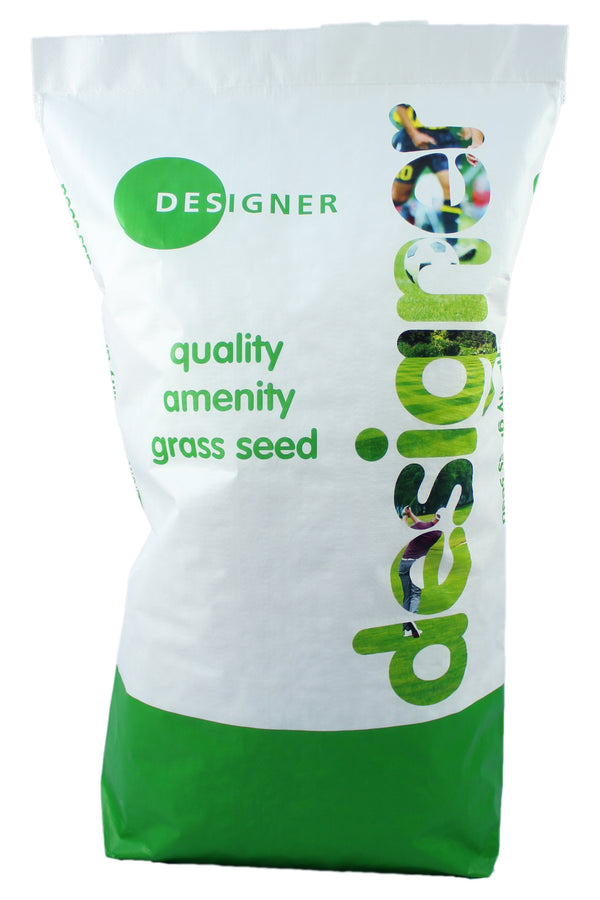

Hardwearing Grass Seed for Stronger Wear Tolerance, Faster Recovery and More Reliable Turf Cover
Hardwearing Grass Seed is chosen for one main reason: the surface has to stand up to pressure. Whether you are managing sports pitches, school grounds, public open space, paddocks, training areas or general amenity turf, some sites simply take more use than others. Repeated footfall, machinery traffic, seasonal wear and changing weather can all thin the sward quickly if the seed mixture is not up to the job. That is why hardwearing seed blends are designed to produce turf that establishes well, resists damage and recovers more reliably after use.
On practical sites, that matters just as much as presentation. A stronger, denser sward is easier to maintain, less vulnerable to opening up under stress and usually better at competing with weed ingress. It also helps surfaces stay more consistent through the season, which is important whether the turf is being used for sport, horse ground, education, landscaping or general utility use. The right hardwearing mixture supports both performance and appearance, especially where recovery windows are limited.
This category sits within the broader Grass Seed range, but Hardwearing Grass Seed deserves its own focus because these mixtures are selected specifically for durability, resilience and dependable recovery. That makes them particularly useful on high-traffic areas where ordinary amenity grass seed may struggle to hold up.
Choosing Hardwearing Grass Seed for the Site
Match the mixture to traffic levels, recovery time and maintenance input
When selecting Hardwearing Grass Seed, the first thing to assess is how the turf is used day to day. A school field, a winter sports training area, a public access route and an equestrian turnout area all place different demands on the sward, even though wear tolerance is important in each case. The best seed blend is the one that reflects the actual level of use, the soil conditions and the amount of aftercare the site will realistically receive.
Wear tolerance is usually the headline requirement, but recovery is just as important. Turf that can withstand pressure for a while but then struggles to thicken back up is rarely the best long-term option. That is why hardwearing mixtures often overlap naturally with Fast Establishment Grass Seed, particularly where a quick return to cover is needed after renovation or damage. On sports and utility areas, it can also make sense to compare options within Outfield Grass Seed where larger open areas need strong, durable coverage.
For horse ground and paddock use, the same thinking often links closely with Paddock Grass Seed and Equestrian & Racecourse Seed. Those surfaces need turf that can cope with intense wear and recover properly, so the relationship between durability, rooting and seasonal resilience becomes especially important.
Getting the Best from Hardwearing Grass Seed
Preparation, nutrition and moisture control all shape performance
Even the best Hardwearing Grass Seed will only perform if it is given the right start. Good seed-to-soil contact is essential. If seed sits on top of thatch, debris or a sealed surface, establishment will be patchy and recovery slower than expected. On worn sites, it is usually worth treating overseeding or reseeding as part of a wider surface improvement programme rather than a quick surface-level fix.
That means looking at compaction, drainage, surface cleanliness and timing before seed is applied. A hardwearing mixture will always do more when the rootzone is open enough to support rooting and the surface has been prepared to accept the seed properly. Once the seed is in, nutrition becomes a major factor in how quickly the new turf establishes. Products from the Pre-Seed Fertilisers range can help support early root development and more even take, especially where strong recovery is needed within a tight window.
Moisture management matters just as much. High-wear surfaces are often exposed, free draining or quick to dry at the surface, which can check germination just when the new plant needs consistency. Dependable Irrigation helps protect establishment during dry periods, while Weather & Moisture Monitoring can help guide decisions on watering, dry-down and early stress. That joined-up approach usually makes the difference between a patchy take and a more even, durable sward.
Hardwearing Grass Seed in the Wider Turfcare Programme
Better durability supports both function and presentation
Hardwearing Grass Seed is not just about surviving wear. It is about producing a stronger turf surface that is easier to manage and more dependable through the year. A denser sward generally recovers better, presents more evenly and gives the site a more professional finish. On sports venues, schools and public spaces, that can have a direct effect on how usable and presentable the surface remains between major renovation periods.
There is also a practical maintenance benefit. Once the turf becomes thicker and more resilient, follow-up work is usually easier to manage. Larger sites often benefit from more accurate application methods, which is why categories such as Seed & Fertiliser Spreaders can sit naturally alongside hardwearing seed programmes where even coverage matters. A more consistent application normally leads to a more consistent finish.
In simple terms, Hardwearing Grass Seed helps build turf that can cope with demanding conditions. When the seed blend matches the level of traffic, the surface is prepared properly and establishment is supported with sensible nutrition and moisture control, the result is stronger cover, better recovery and a more resilient sward across the areas that take the most pressure.
Recently viewed