








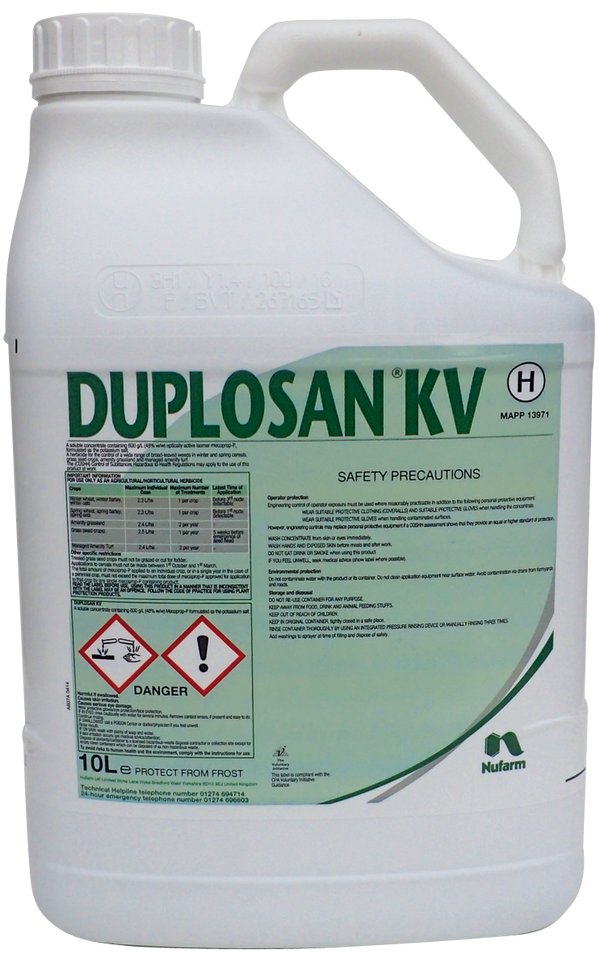


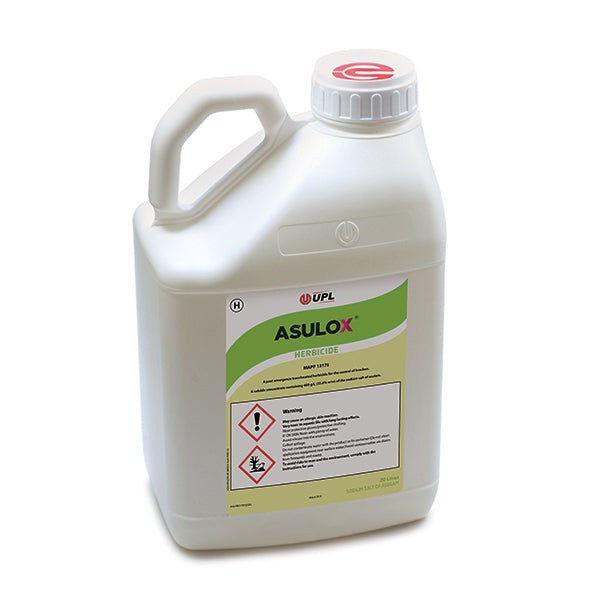
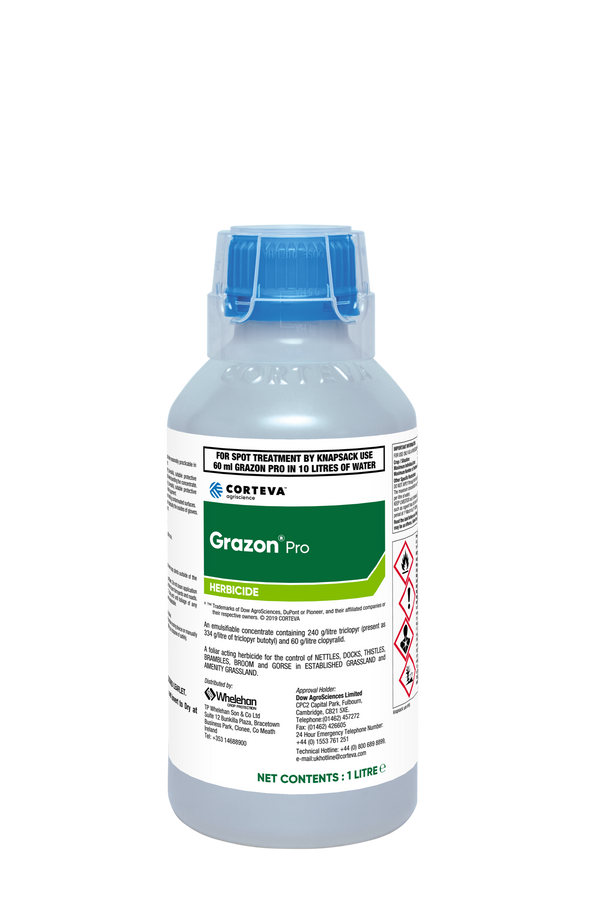


Professional weed killer for sports turf, paddocks and managed grounds
Keeping surfaces clean is about far more than looks. The right weed killer helps protect grass cover, surface quality and presentation across football, rugby, cricket, golf, lawns and paddock areas. Unwanted weeds compete with desirable grasses for light, moisture and nutrients; they also weaken uniformity and can affect how a surface performs under play or traffic. On fine turf and sports turf, broadleaf weeds can spoil ball roll, reduce visual quality and make renovation work harder than it needs to be.
That is why many groundspersons build weed control into a wider grounds management programme. A professional weed killer can help tackle annual and perennial weeds, reduce regrowth and keep surfaces cleaner through the main growing period. Across this collection, you will find options for selective weed control in turf, total herbicide use on non-crop areas, residual weed killer for longer suppression and lawn weed killer choices for customers who want professional results at home. Whether you are managing a stadium approach, a training ground, a school field or a domestic lawn, choosing the correct herbicide matters.
Choosing the right herbicide for the job
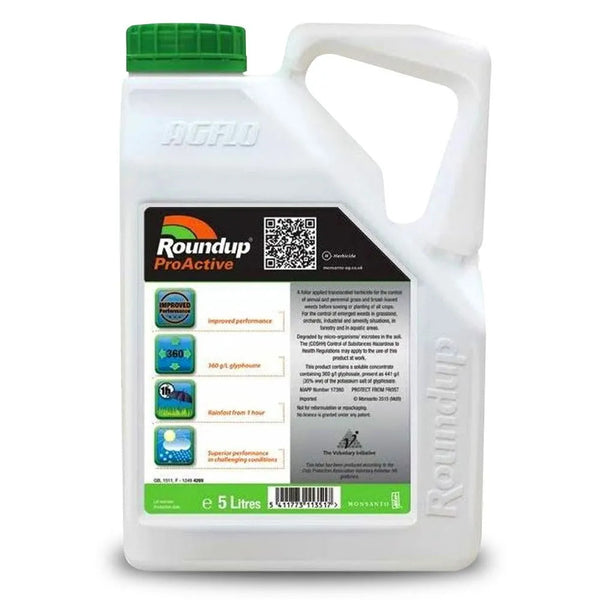
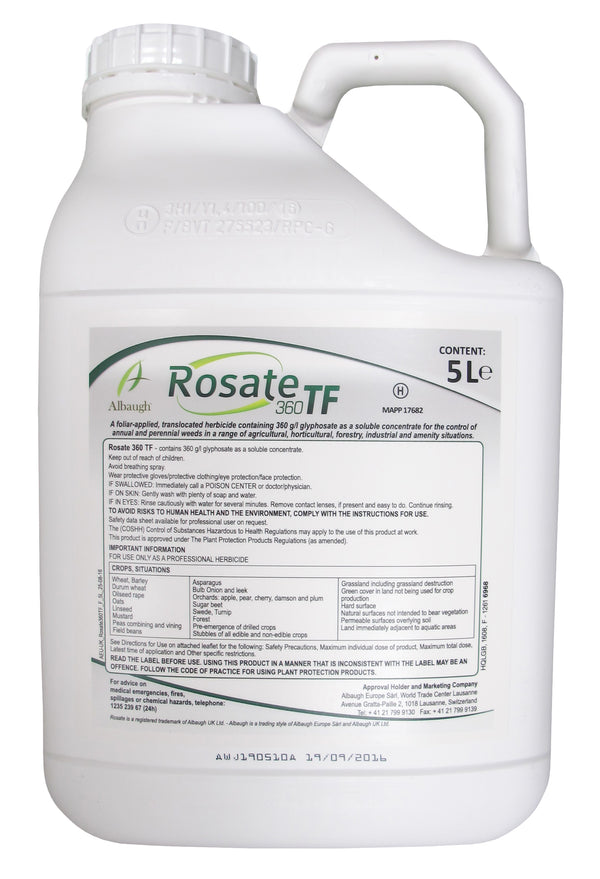
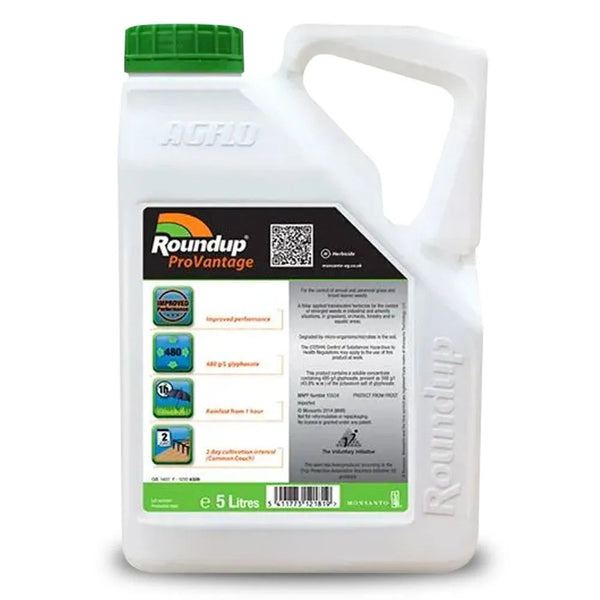
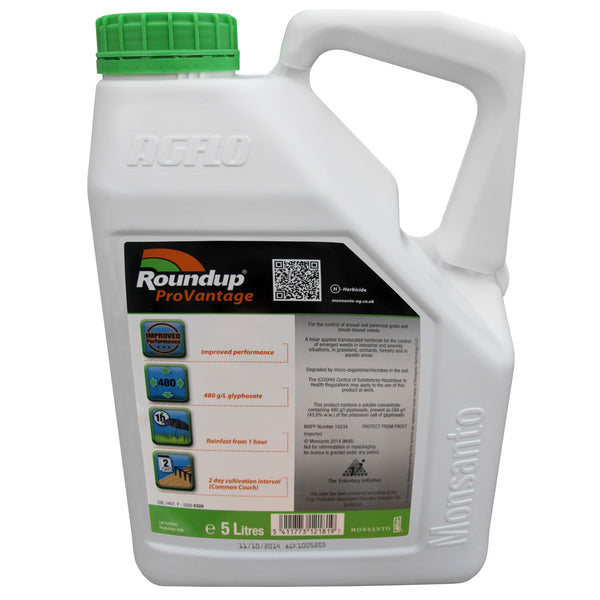
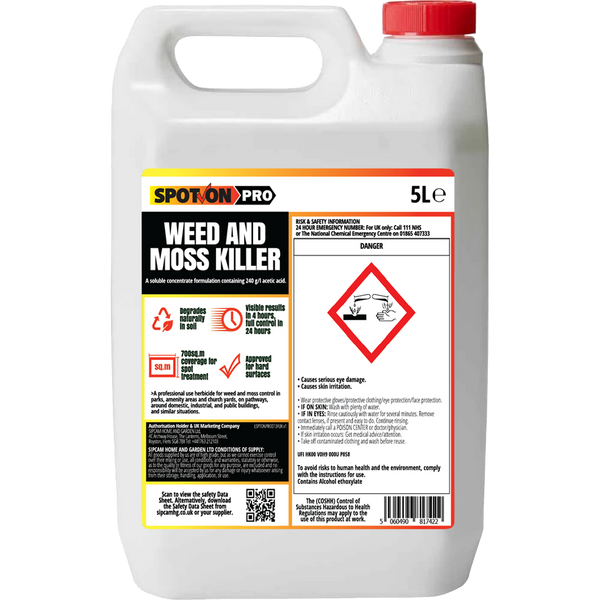
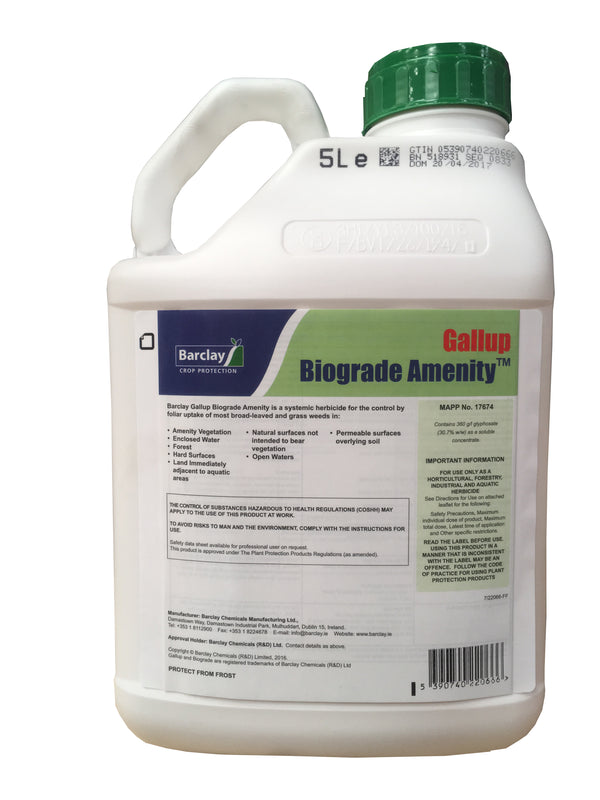
Not every weed killer works in the same way. Selective products are designed to target broadleaf weeds while leaving established turfgrasses unharmed when used correctly. That makes them a key part of sports turf weed killer programmes on pitches, tees, outfields and ornamental lawns. Non-selective products, including glyphosate-based treatments where label approval allows, are better suited to hard surfaces, fence lines, pathways and pre-renovation clearance where you need a total weed killer rather than a turf-safe option.
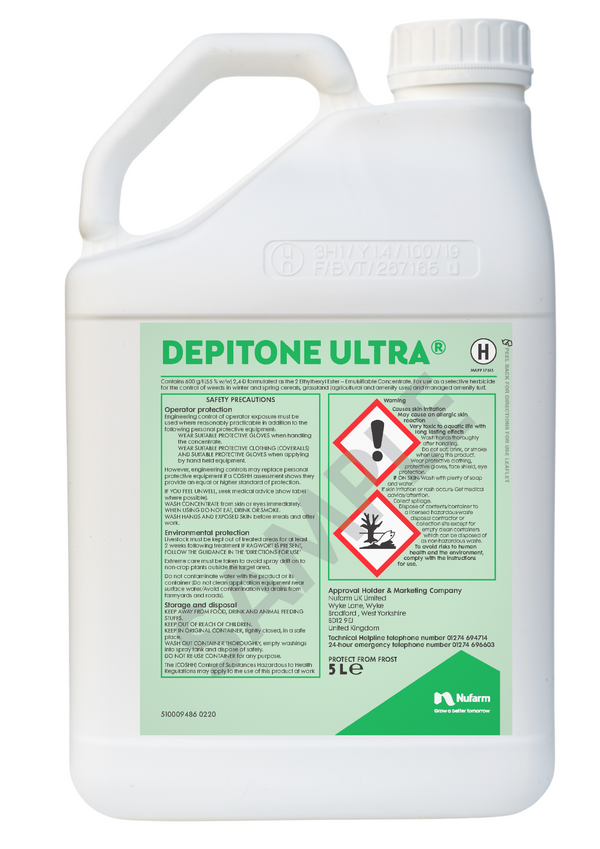
Formulation also matters. Liquid herbicide products are popular because they offer accurate mixing, even spray coverage and flexibility across different site sizes. Some users prefer concentrated products for larger areas; others choose ready-to-use packs for smaller jobs. When comparing products, it is worth checking active ingredients, mode of action, application rate, water volume, safe re-entry interval and any buffer zones on the label. On turf, active ingredients such as fluroxypyr, mecoprop-P, 2,4-D, dicamba or clopyralid may feature in selective weed control products, each with strengths against particular weed types. Good professional weed control starts with matching the chemistry to the target weed and the surface you are managing.
Selective turf weed control and complete grounds management
On sports surfaces, selective weed control works best as part of integrated turf management rather than as a one-off fix. Healthy, dense grass is always your first line of defence. When turf is thin, stressed or open, weeds move in quickly. That is why weed control often sits alongside Fertiliser, Grass Seed and Plant & Soil Health in a practical maintenance plan. You control the unwanted plants, encourage recovery, then strengthen the sward so there is less room for weeds to return.
A typical programme might begin with nutrition from Fertiliser to support steady growth and soil nutrient balance. Bare or weak areas can then be repaired with Grass Seed suited to football, rugby, cricket or general amenity use. Once conditions are right, a turf weed killer can be applied to remove broadleaf competition without checking the grasses you want to keep. Presentation work then follows through Line Marking for match readiness, while Loam & Dressing helps maintain levels, firmness and surface consistency. Where moisture is limiting, Irrigation supports recovery and active growth; on the application side, Knapsacks, Sprayers & Equipment and PPE & Safety help you carry out work accurately and responsibly.
This joined-up approach is where professional weed control really earns its place. It is not just about killing weeds on the day. It is about improving grass health, supporting surface renovation and making every other input work harder. A clean, dense sward responds better to feeding, presents better for sport and usually needs less reactive intervention later on.
Application accuracy, safety and best practice
Good results depend on timing and technique. Spray quality, nozzle choice, forward speed and weather conditions all affect coverage and efficacy. Many operators use pedestrian or knapsack spray equipment for spot treatment and smaller areas, while larger sites may need dedicated sprayers for a more even output. Avoid windy conditions, watch for drift near sensitive plants and always work to the product label. For professional users, that means following site rules, checking COSHH requirements, understanding BASIS and stewardship guidance where relevant, and making sure storage, mixing and disposal are handled properly.
It also pays to identify the weed before you spray. Dandelion, daisy, plantain, clover, docks, thistle and buttercup do not all respond in exactly the same way. Some surfaces will need repeat treatments or a change of active ingredient to improve control. On paddocks and rougher areas, tougher perennial weeds may need a more targeted plan than a standard lawn weed killer approach. The better your diagnosis, the better your results.
Seasonal use across the turfcare year
Season matters with weed killer products. In spring and early summer, selective herbicides are commonly used when weeds are actively growing and turf is strong enough to recover well. This is often the ideal window for tidying winter damage and setting surfaces up before play intensifies. Through mid-season, in-season applications can still work well, but timing becomes more important around fixture schedules, mowing patterns and weather so disruption stays low and grass stress is limited.
In late summer and autumn, weed control often supports end-of-season renovation and presentation. Removing broadleaf weeds before overseeding or dressing can improve establishment and create a cleaner base for recovery. Residual weed killer products are more relevant on non-turf and perimeter areas where longer-lasting suppression is needed. In winter, growth slows, so results may be less responsive on turf; however, total weed killer and residual strategies can still have a place on paths, compound areas and other hard surfaces where winter tidiness and safety matter.
Advice for professionals and serious home users
For most customers, the best choice comes down to three questions: what weed are you targeting, what surface are you treating and what level of control do you need? A sports turf weed killer for a football pitch is not the same as a herbicide for a gravel path or a residual weed killer for fence lines. Serious lawn users can also benefit from professional-grade thinking, especially when they want a cleaner finish without damaging established grass. The key is to stay surface-specific and label-led.
Pitchcare is trusted by turf professionals because the range reflects real working practice. Whether you need selective turf weed control, total herbicide options, paddock treatments or the spray equipment and safety essentials to apply them properly, this collection supports a practical, informed approach. Add in the wider support of Pitchcare Magazine and the connected product areas across Weed Killer & Controls, Plant & Soil Health and Equipment, and you can build a weed management programme that is effective, responsible and ready for the demands of modern grounds care.
Recently viewed