
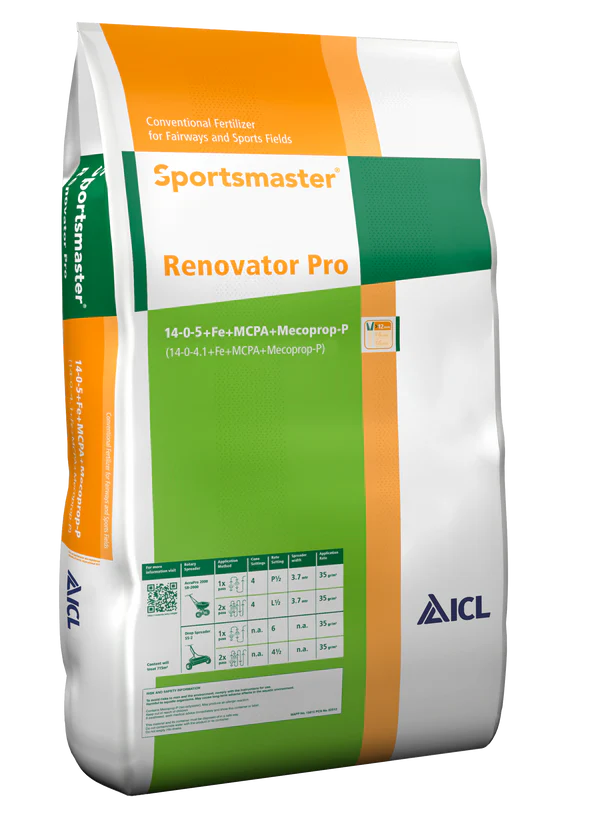
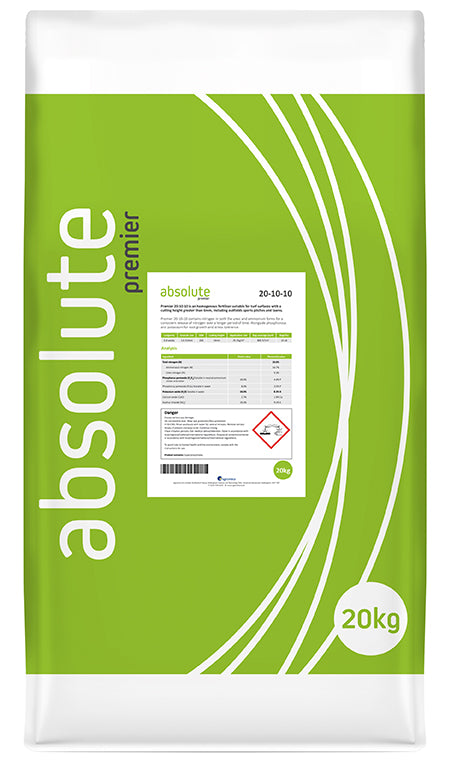


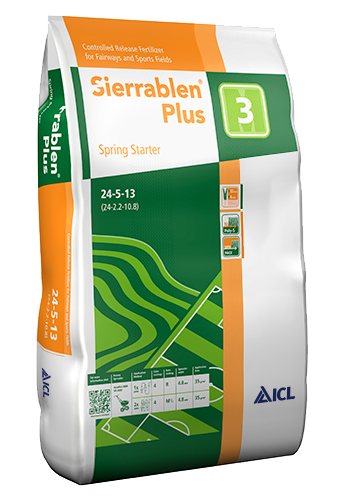
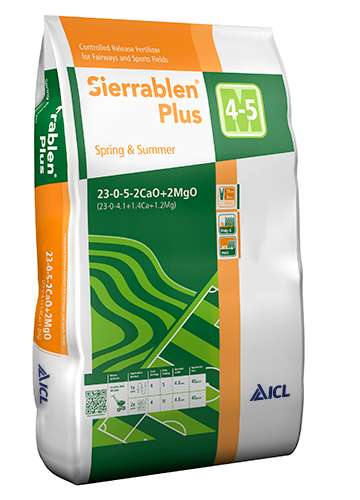


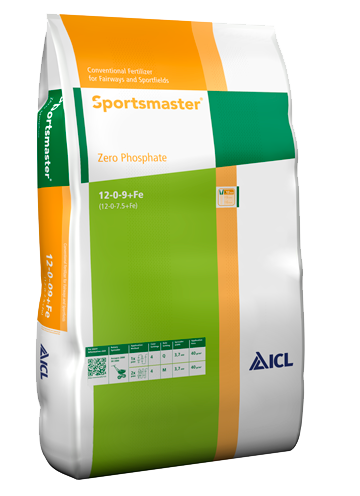
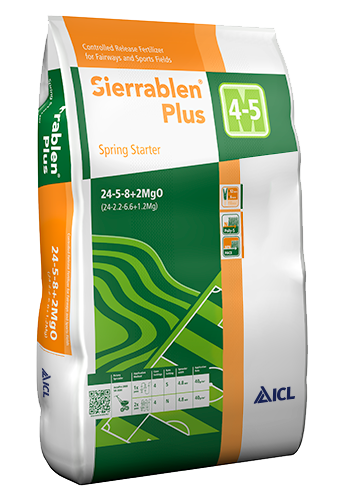
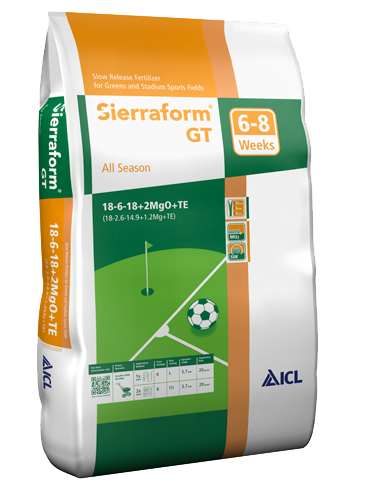


High Nitrogen Fertiliser for fast colour, growth and recovery
When turf needs to wake up, respond quickly or recover from wear, High Nitrogen Fertiliser is often the first thing we reach for. On football pitches, rugby surfaces, cricket outfields, golf areas and hard-worked amenity turf, nitrogen is the driver behind leaf growth, chlorophyll production and strong green colour. Used well, a high nitrogen fertiliser helps create sward density, boosts presentation quality and supports recovery after play, training and maintenance work.
High nitrogen fertilisers are especially useful when the plant is actively growing and able to take up nutrients efficiently. That usually means soil temperatures are moving, moisture is available and the plant has the energy to respond. In practical grounds management terms, this is where a turf nitrogen feed can sharpen up appearance, improve mowing response and help worn areas fill in faster. It is not about forcing soft growth for the sake of it; it is about supporting controlled, usable growth that fits your maintenance programme.
Most products in this category are built around nitrogen-led NPK ratios, sometimes backed up with potassium, phosphorus, iron or trace elements. The exact source of nitrogen matters. Urea, ammonium and nitrate each behave a little differently in the soil and within the plant. Release pattern matters too; so does granule size, formulation and application rate. On a busy site, those details affect how evenly a sports turf fertiliser goes out, how quickly the grass responds and how long the effect lasts.
Choosing the right high nitrogen fertiliser for your surface
Granular, liquid and controlled release options
There is no single best high nitrogen fertiliser for every job. A granular fertiliser is often the go-to for broad-acre sports turf where you want even coverage and straightforward application. For that, Granular Turf Fertiliser is a natural companion category. A liquid feed gives you speed and flexibility, which can be handy when you need a quick visual lift or want to fine-tune nutrition through the growing season. That is where Liquid Turf Fertiliser comes into the conversation. If you want a steadier response with less flush and more consistency between fixtures, Slow Release Fertiliser can be the better fit.
Surface type matters as well. A winter games pitch with heavy wear will often need a different nitrogen approach from a fine turf area where clipping yield and pace of growth must stay tighter. Root depth, irrigation capacity, soil texture and expected play all influence product choice. On free-draining constructions, you may want smaller, more regular inputs to protect soil nutrient balance and reduce the risk of leaching. On native soil pitches, timing around rainfall and mowing frequency becomes just as important.
We always recommend matching the formulation to the practical reality of the site. A quick-release fertiliser may be ideal ahead of a spell of growth and recovery; a controlled-release option may suit a stretched team that needs longevity. If you are feeding a football or rugby pitch through a busy block of fixtures, the aim is steady grass health and wear tolerance, not a surge that leaves the plant soft and hungry again a week later.
How professionals use nitrogen in a full turfcare programme
In real life, high nitrogen fertiliser works best as part of integrated turf management rather than as a stand-alone fix. A good grounds management programme links nutrition with moisture, renovation, overseeding and presentation. After aeration, topdressing or repair work, nutrition can support establishment and recovery. Where you are planning seasonal renovation, Top Dressing and Football Pitch Grass Seed often sit alongside feeding decisions. Application accuracy matters too, which is why many groundspersons pair fertiliser choice with reliable Seed & Fertiliser Spreaders.
There is also a wider plant health picture. Nitrogen drives shoot growth, but it needs balance. Too much, too soon, can create soft tissue, increased mowing pressure and unnecessary stress if moisture is limited. That is why many turf managers monitor rooting, clipping yield and recovery closely, then support the programme with tools such as Soil Testing, Wetting Agents and Seaweed & Biostimulants. That combination helps keep feeding decisions grounded in plant response, moisture management and rootzone performance rather than guesswork.
This is where professional turfcare differs from generic lawn advice. On sports surfaces, we are feeding for recovery, presentation quality, traction, density and consistent play. Nitrogen timing has to work around fixtures, mowing windows and irrigation availability. You may want a spring fertiliser effect in early growth, a nitrogen-rich fertiliser to push recovery after intense use, or a more measured sports turf fertiliser during summer when moisture becomes the limiting factor.
Seasonal use of high nitrogen fertilisers
Seasonality matters with nitrogen. In spring, high nitrogen fertilisers help kick-start growth, colour and tillering as the plant comes out of winter and surfaces begin to recover. In late spring and early summer, they are commonly used to build density, improve cover and support wear recovery on winter sports pitches and amenity areas. Through mid-season, smaller and better-timed applications are usually the smarter option, especially where irrigation is tight or mowing pressure is already high. Later in the year, nitrogen rates often need to ease back so growth stays controlled and the plant is not pushed into soft, vulnerable leaf.
That does not mean high nitrogen fertiliser has one fixed window. It means the product and rate should match plant demand. A liquid nitrogen feed may suit a quick in-season response; a granular nitrogen fertiliser may offer better value and coverage on larger areas. On well-managed sites, application timing, weather conditions and expected use are just as important as the bag analysis.
Practical advice before you buy
When choosing a high nitrogen fertiliser, look beyond the headline number. Check the NPK ratio, nitrogen source, release pattern, recommended rate and expected longevity. Think about whether you need speed, control or a blend of both. Consider whether the product suits fine turf, outfields, lawns, paddocks or heavily used sports turf. Above all, feed to the needs of the plant and the surface. When nutrition is matched to workload, moisture and maintenance goals, high nitrogen fertiliser becomes a very effective tool for stronger growth, better recovery and more resilient turf.
Recently viewed