


Hockey Equipment for Safer Setup and Better Surface Management
Hockey equipment helps a venue function properly from first setup to final pack-down. On natural turf hockey areas, school sports grounds and wider multi-sport sites, the right kit supports presentation, safety and smoother day-to-day operations. Goals, nets, net hooks, backboards, transport wheels, storage systems, training accessories and perimeter items all play a part in how the surface is used and how efficiently staff can manage it. When those basics are right, the whole site feels more organised and easier to prepare for play.
Across busy facilities, the practical value of hockey pitch equipment soon becomes obvious. Goals need to move safely. Nets need to hang properly and withstand repeated use. Training layouts need to be quick to set out and clear away. Storage needs to be sensible so equipment stays in good condition and the working day does not get bogged down in avoidable delays. That matters just as much at schools and clubs as it does at larger sites. Reliable hockey ground equipment saves time, reduces frustration and helps keep standards high.
From a grounds management point of view, hockey equipment sits within the wider maintenance programme rather than outside it. Poorly handled goals, awkward transport routes or damaged fittings can all add wear around entrances, goalmouth zones and high-traffic edges. Good equipment, by contrast, supports better routines and more controlled use of the surface. That is especially important where hockey shares space with football, rugby or general school sport through the week.
Why hockey equipment matters beyond matchday
Surface quality is never just about grass cover or mowing lines. The way a pitch is set up and managed has a direct effect on presentation quality, wear patterns and the smooth running of the site. Strong goals, well-secured nets and sensible storage arrangements all help reduce unnecessary handling issues. The result is a venue that looks tidier, feels more professional and gives staff more time to focus on the surface itself.
That link becomes clearer on high-use grounds. Repeated movement of goals, poor storage locations or rushed setup can concentrate traffic in the wrong places and make recovery work harder. Experienced groundspersons tend to look at this practically: the equipment has to support the turf, not fight against it. Good hockey sports equipment fits into the daily routine and helps the site operate with less disruption.
Where wear starts to build, support work often links naturally with Grass Seed to restore density and encourage recovery in worn areas. If nutrient levels or rootzone condition need checking before that work is planned, Soil Testing can help guide the next step. The equipment may not grow the sward, but it influences how well the whole maintenance routine performs.
Choosing hockey pitch equipment for practical site use
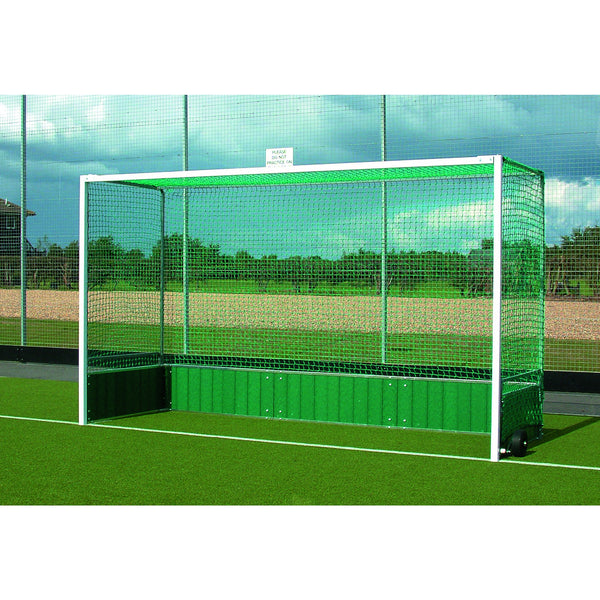
When selecting hockey equipment, it helps to start with the way the venue actually works. Some sites need goals moved regularly, so wheels, balance and handling are major factors. Other venues may have more permanent setups, where durability, weather resistance and fixing strength matter more. Nets need to cope with repeated ball impact and exposure. Hooks, backboards and frames need to be robust enough for routine use without becoming a maintenance headache.
Material quality matters here. Aluminium frames are often a sensible choice because they combine strength with easier handling. Heavy-duty netting and sound fixings help reduce mid-season replacements and messy repairs. If the site is run by a small team, simple transport and straightforward storage become even more valuable. Equipment that is awkward to move or maintain soon slows the whole operation down.
Another point worth considering is how the equipment interacts with the surrounding ground. Goals that drag badly, awkward access routes and poor storage placement all increase pressure on turf edges and gateways. Better hockey field equipment should make the job cleaner and quicker, while protecting the surface underneath. On natural turf hockey areas, that practical detail can make a noticeable difference across a long season.
Seasonal use through the hockey calendar
Hockey equipment has clear seasonal value because usage often builds as weather conditions become more demanding. In late summer and early autumn, the focus is on getting the pitch and equipment ready for training and fixtures. Through autumn and winter, reliability becomes even more important because wetter ground, shorter days and heavier use leave less room for delays or poor handling. In spring, the same equipment still needs to perform, but the attention may begin to shift towards repairs, storage checks and planning ahead for the next cycle of use. During quieter periods, it makes sense to inspect, clean and replace worn items before they become a problem.
That seasonal pattern matters because the surface and the equipment are under pressure at the same time. When weather turns and fixture demand stays high, a well-organised setup helps groundstaff protect the site and keep presentation standards in place. On venues where moisture control is a constant issue, that routine may also sit alongside Irrigation and Water Management to keep conditions more consistent through changing weather.
How hockey equipment fits into a wider maintenance programme
Within a full grounds programme, hockey equipment supports the small actions that make bigger maintenance work more effective. After a run of use, worn ends or access points may need repair work, with Loam and Dressing helping to refine levels and improve the finish before recovery takes hold. If line clarity and presentation need lifting around a multi-sport venue, related setup may also connect with Line Marking Paint where adjacent surfaces or training zones need clear definition.
Professional routines usually bring all of this together. A groundsperson may move goals, check nets, tidy the perimeter, assess wear around entries and then plan recovery work in the same visit. That is where good support equipment earns its place. It helps the site stay orderly and frees up time for the agronomic detail that keeps the turf healthier. When the surface starts to struggle, one round of Soil Testing can also help separate simple wear pressure from deeper profile issues affecting recovery and grass health.
Getting better value from hockey ground equipment
Before buying new hockey equipment, it is worth thinking about the real demands of the site: how often the kit will be moved, who will handle it, where it will be stored and what level of pressure the venue sees through the season. The best choices are usually the ones that improve workflow, support safer setup and reduce avoidable wear around the pitch. When the equipment is dependable and the maintenance plan is joined up, the whole venue becomes easier to manage, smarter in appearance and better prepared for training and play.
Recently viewed