


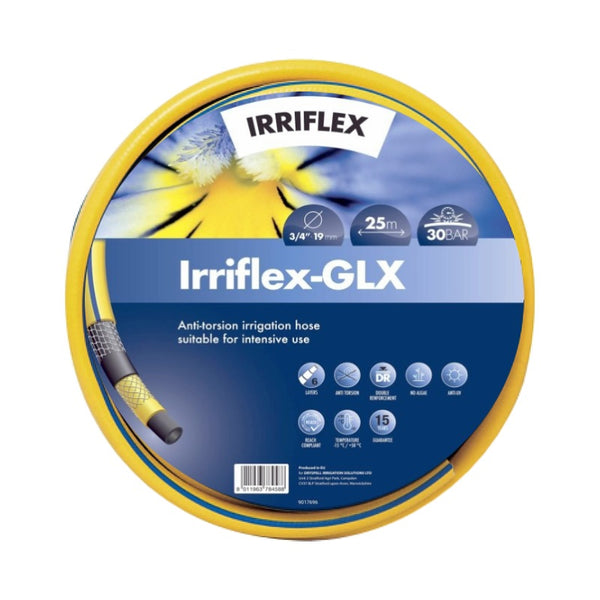
Hose Pipes for Irrigation, Washdown and Day-to-Day Grounds Maintenance
Hose Pipes are a basic bit of kit on any well-run sports turf site, but they do far more than just move water from one place to another. On football and rugby pitches, cricket squares, golf facilities, school grounds and managed amenity turf, good hose pipes help us irrigate accurately, wash down machinery, fill tanks, clean working areas and respond quickly when surfaces start to dry out. They are one of those products you use all season and often every day, so reliability matters. If a hose kinks, splits or drags badly across the surface, it slows the job down and makes routine maintenance harder than it needs to be.
In practical turfcare, hose pipes are all about control and flexibility. Not every area needs the same volume of water and not every site has a fixed irrigation point exactly where you want it. A decent hose gives you reach, manoeuvrability and the ability to target localised dry patch, hand water new seed, rinse down line marking equipment or support renovation work without overcomplicating the set-up. That is why hose pipes remain such an important part of a wider Irrigation programme.
Why hose pipes matter in sports turf management
Water management sits right at the centre of surface performance. Too little moisture and you can lose seedling establishment, sward density and grass recovery; too much and you risk soft surfaces, poor rooting and unnecessary disease pressure. Hose pipes give grounds teams a simple way to apply water where it is actually needed, rather than treating the whole site in the same way. That is especially useful on sports grounds with mixed wear patterns, different soil types or exposed areas that dry out faster than the rest of the pitch.
For football and rugby surfaces, hose pipes are regularly used for hand watering goalmouth repairs, touchline recovery work and stressed areas around player access points. On cricket sites, they help with square surrounds, outfield establishment and general washdown jobs. On golf and fine turf areas, they are handy for localised irrigation on banks, approaches and smaller managed areas where fixed systems are not always practical. In each case, the hose pipe supports precision rather than blanket application; that usually means better water use and fewer avoidable problems.
They are also useful well beyond irrigation. Grounds teams use hose pipes for washing down machinery, cleaning up after spraying or line marking, and keeping service areas tidy during busy maintenance periods. That day-to-day versatility is one reason why good hose pipes are worth choosing carefully. Material quality, flexibility, wall strength, burst resistance and handling all make a difference when the hose is in constant use.
How professionals use hose pipes on site
In real terms, the best hose pipe is the one that matches the job. For routine hand watering and general maintenance, a flexible and durable hose with consistent flow makes life easier. For larger areas, hose pipes are often used alongside Hose Fittings, Connectors & Nozzles so the operator can switch between spray patterns, connect securely to taps or irrigation points and reduce water loss at the joint. Those fittings matter more than people sometimes think; a poor connector or worn nozzle can waste water, reduce pressure and make watering uneven.
Storage matters too. A long hose that is left loose around the yard or dragged repeatedly over hard edges will not last as well as one that is looked after properly. That is where Hose Reels come into the picture. A reel keeps the hose tidier, reduces kinking and helps staff deploy and recover it quickly. On busy schools, golf clubs and multi-pitch venues, that can save time every day and help keep service areas safer and more organised.
Where more even coverage is needed over a narrow strip or newly established section, Sprinkler Hoses can be a useful option. They are handy for seeding work, perimeter areas and sections where a lighter, distributed application is more suitable than direct hand watering. For larger turf areas, many sites will also use hose pipes alongside Static Sprinklers or travelling units, depending on the layout and water supply.
Technical points that make a difference
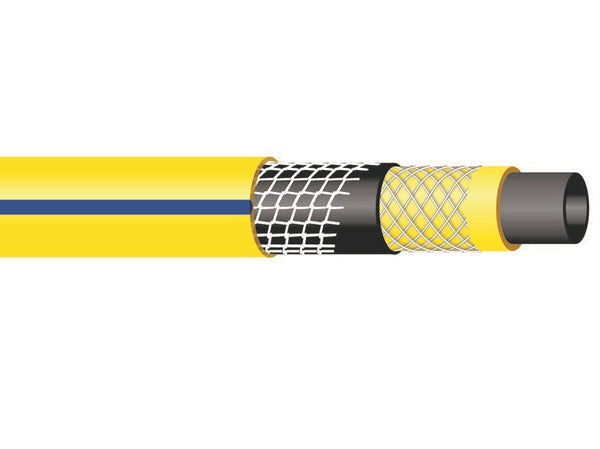
When you are choosing hose pipes, think about more than just length. Internal diameter affects flow rate; wall construction affects durability; flexibility affects handling in cold weather and around tight corners. Kink resistance is important on sports sites because hoses are often pulled around posts, goals, machinery and storage points. A hose that twists or collapses under pressure is frustrating to use and can interrupt watering at the wrong time.
Coupling quality is another key point. If the hose is part of a broader irrigation set-up, it needs to work cleanly with your connectors, spray guns and sprinklers. Water pressure, friction loss and compatibility all affect performance. On larger sites, it is also worth thinking about how easy the hose is to transport, reel in and deploy across the surface without scuffing the turf. A practical grounds management programme is built on these small details because they influence how efficiently jobs get done.
Part of an integrated turfcare programme
Hose pipes work best when they are seen as part of a joined-up maintenance plan. They support irrigation, but they also support seed establishment, surface renovation, presentation work and recovery after wear. If we are hand watering a repaired area, that usually sits alongside Hardwearing Grass Seed to rebuild density and suitable Rootzone materials to improve the growing medium. The hose pipe is simply the delivery tool that helps the rest of the programme work properly.
This matters because poor water delivery can undermine good agronomy. You can choose the right seed and prepare the surface well, but if moisture management is inconsistent, germination and recovery will still struggle. That is why many grounds teams put real thought into the irrigation kit they use, even for what looks like a simple hand-watering job. Reliable hose pipes help keep moisture where it is needed, support stronger grass health and improve the finish of repair work.
Seasonal use through the year
Hose pipes are relevant in every season, although the job changes. In spring, they are heavily used for establishing seed, settling in renovations and supporting early growth during dry spells. In summer, hose pipes are vital for hand watering hot spots, maintaining presentation quality and backing up wider irrigation systems during periods of heat and wind. In autumn, they help with overseeding, rootzone moisture control and washing down equipment during renovation works. In winter, irrigation demand may drop, but hose pipes still earn their keep for washdown, cleaning and occasional local watering during mild, drying spells.
Choosing the right hose pipes for your site
When selecting hose pipes, start with the size of the site, how often the hose will be used and whether the main job is irrigation, washdown or both. Think about pressure, fittings, storage and how rough the working conditions are. A professional sports turf site usually needs hose pipes that can cope with regular dragging, repeated coiling and constant connection to nozzles or sprinklers. Get that choice right and you make everyday maintenance smoother, quicker and more dependable. That is exactly what good turfcare kit should do.
Recently viewed