




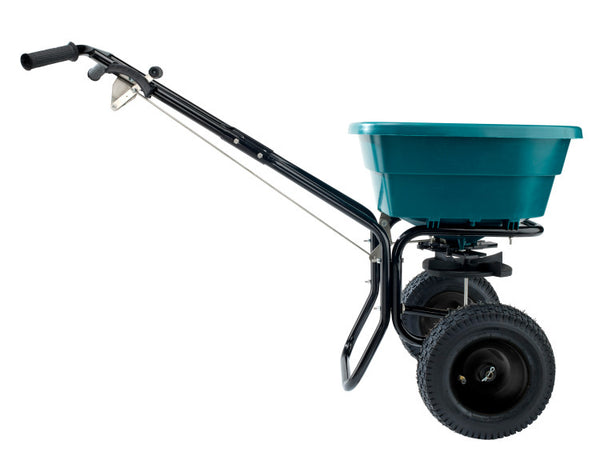


Ice Melt & Rock Salt Spreaders for Safe Winter Surface Management
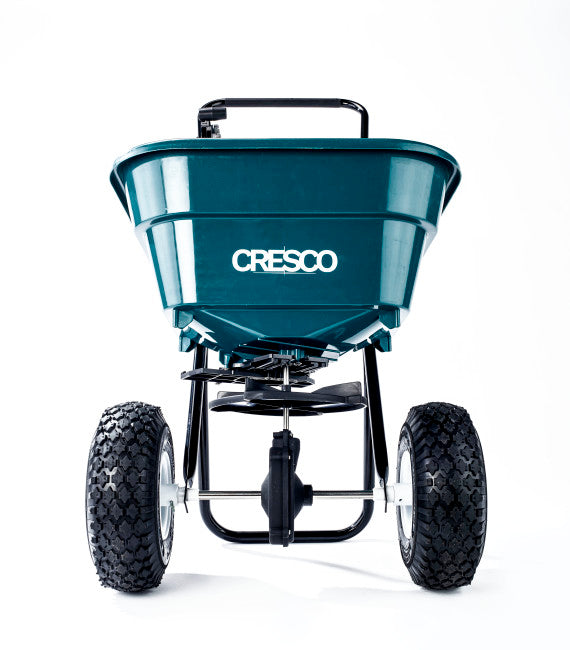
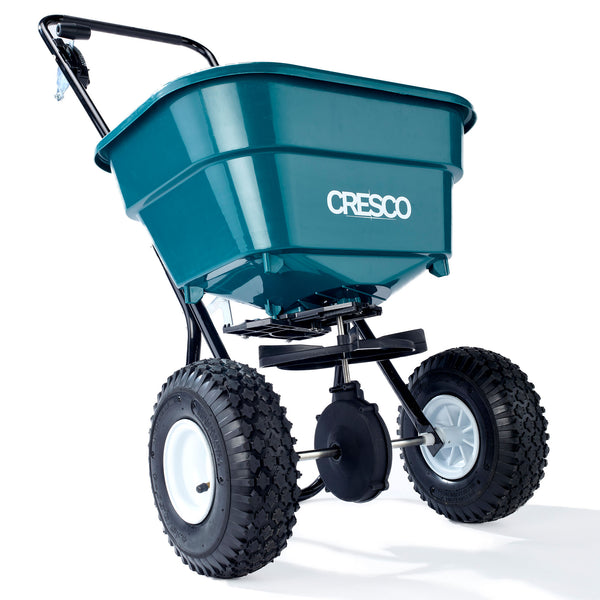
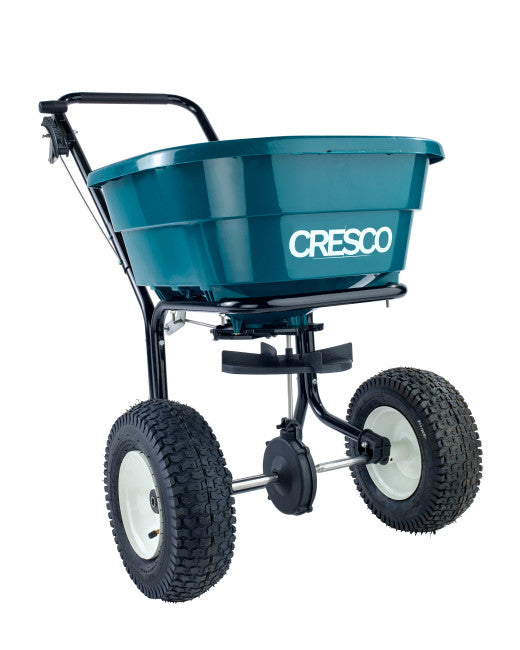
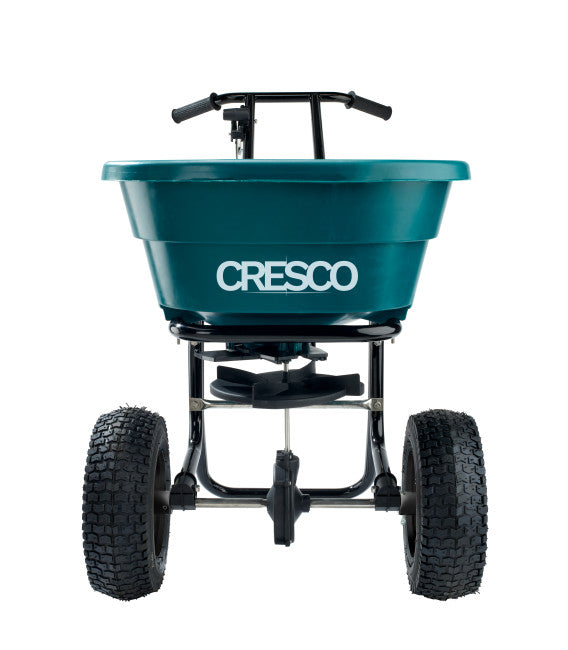
Ice Melt & Rock Salt Spreaders are built for one of the most practical jobs in grounds care: keeping paths, entrances, car parks and key access routes safer in cold weather. When frost, ice and light snow start to affect movement around a sports site, school, estate or facility, having the right spreader helps you apply salt or ice-melt products quickly, evenly and with far better control than hand throwing. That matters for safety, presentation and efficient use of material.
On many sites, winter maintenance is about more than the playing surface itself. You may need to protect walkways to changing rooms, spectator routes, clubhouse entrances, maintenance yards, service roads and storage areas. In those situations, a dedicated salt spreader helps keep coverage tidy and consistent while reducing waste. For grounds teams, estates staff and contractors, that is a real operational benefit during busy cold-weather periods.
These machines also help improve timing. Frost and ice windows can be short, especially when temperatures shift quickly overnight. A reliable spreader gives you a faster response and a more even application pattern, which is important when site access, staff safety and public use all depend on surfaces being treated properly before the day gets going.
Why Ice Melt & Rock Salt Spreaders Matter
Controlled spreading for winter safety
The main job of Ice Melt & Rock Salt Spreaders is straightforward: they meter dry de-icing material at a controllable rate and spread it evenly across the target area. That sounds simple, but it makes a big difference in practice. Too little product can leave hazardous patches behind; too much product wastes material, increases cost and can leave excess residue on hard surfaces.
Good spread control is especially useful on mixed-use sports and amenity sites, where paved routes, concrete service areas and pedestrian entrances often sit close to grass, ornamental beds or sensitive drainage features. A proper spreader helps you keep material where it is needed. That means cleaner working, less sweeping up afterwards and more professional site presentation through the winter months.
Different products behave differently as well. Dry rock salt, finer de-icing granules and blended ice-melt materials do not always flow in exactly the same way. Hopper design, aperture setting, spread width and walking speed all affect the result. A good operator will always consider product size, moisture condition and application area before starting. Damp salt can bridge; uneven granules can change flow; windy conditions can affect pattern. Using the right spreader helps keep those variables under better control.
Useful across a range of sites
These spreaders are not only for large stadium or municipal settings. They are just as useful on schools, golf clubs, sports clubs, estates, training grounds and commercial amenity sites. Anywhere people need safe access during frosty weather, a salt spreader earns its place. That can include footpaths, steps, gateways, loading areas, staff entrances and compounds where maintenance teams still need to move safely when temperatures drop.
In that sense, this category sits slightly outside pure turfcare, but it still belongs within a professional grounds management programme. Safe access around the site supports every other winter job. If staff, players, contractors or visitors cannot move around safely, the whole maintenance operation becomes harder to manage.
Choosing the Right Ice Melt or Salt Spreader
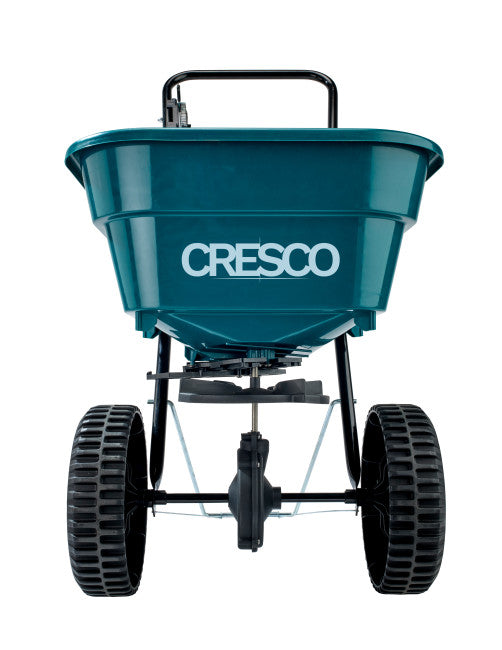
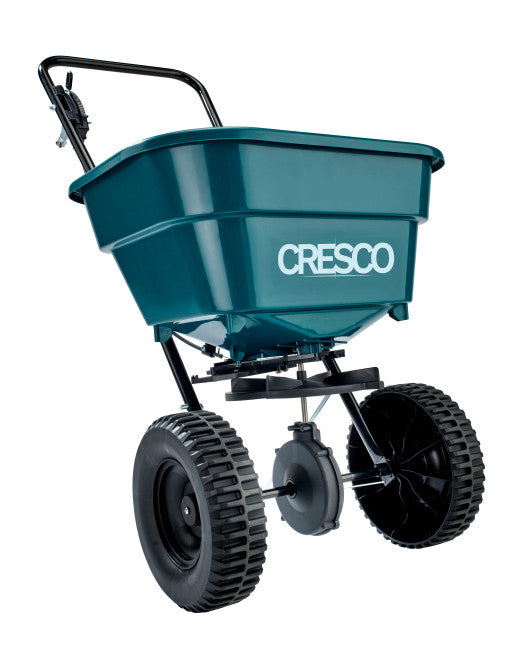
Start with the areas you need to treat. If you mainly manage narrow pedestrian routes and smaller entrances, compact models may be enough. If you cover larger car parks, broad pathways or long access routes, a higher-capacity pedestrian spreader is usually the better option. Hopper size, wheel strength and frame durability all make a difference once you start working through repeated cold mornings.
Build quality matters more in winter equipment than many buyers expect. Salt is harsh on metal parts, fittings and moving components. A spreader with a durable frame, corrosion-resistant construction and a reliable rate-control mechanism will usually last much better over time. Regular cleaning is essential too; even a strong machine will suffer if salt residue is left sitting on it after use.
It is also worth thinking about spread pattern. Some sites need broad coverage; others need tighter, more contained application near walls, doors, drainage channels or landscaped edges. That is where the right machine choice becomes important. A wider pattern can improve efficiency on open paths; a more controlled delivery may be better in detailed areas where you want to avoid unnecessary scatter.
For some teams, winter equipment overlaps with the rest of the spreading fleet. A site may already use Broadcast Spreaders or Drop Spreaders during the growing season, then bring in a salt-specific machine when frost becomes the priority. That kind of joined-up approach usually makes sense, because it matches the machine to the material and the season.
How They Fit into the Winter Grounds Programme
Ice Melt & Rock Salt Spreaders are mostly seasonal tools, but they play a very important role when conditions turn. In late autumn and winter, they support pre-treatment and reactive treatment of pedestrian and vehicle routes during frost, freezing conditions and short cold snaps. In early spring, they can still be needed during overnight temperature drops, especially on exposed sites. Outside those periods, they are usually cleaned, serviced and stored ready for the next winter cycle.
That seasonality does not reduce their value. In fact, it makes reliability even more important. When you need a salt spreader, you usually need it immediately. A machine that is easy to load, simple to calibrate and dependable in cold conditions can save a lot of hassle when weather windows are tight and staff time is limited.
Professional insight from the grounds side
Good winter spreading is about planning as much as product. The best teams know their priority routes before the frost arrives. They identify high-risk walkways, check stock levels, keep the spreader clean and test the mechanism before the coldest part of the season starts. That preparation is what turns winter maintenance from a reactive scramble into a controlled routine.
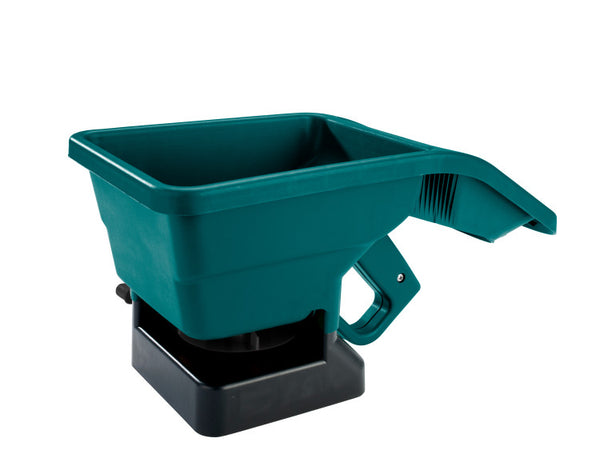
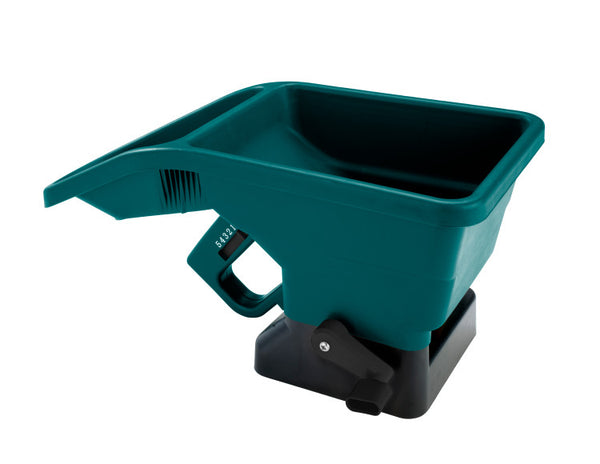
There is also a wider equipment point here. Grounds teams often benefit from treating winter application equipment as part of the same professional toolkit as their in-season machinery. A salt spreader may sit alongside Handheld Spreaders for tighter touch-up areas or within a broader fleet of Equipment that supports year-round site care. That mindset helps keep standards high across every season, not just during the growing months.
Ice Melt & Rock Salt Spreaders give you a straightforward, dependable way to apply winter materials where they are needed most. Choose a machine that suits your site layout, the materials you use and the scale of your winter work; then keep it clean, calibrated and ready for action when the temperature drops.
Recently viewed