
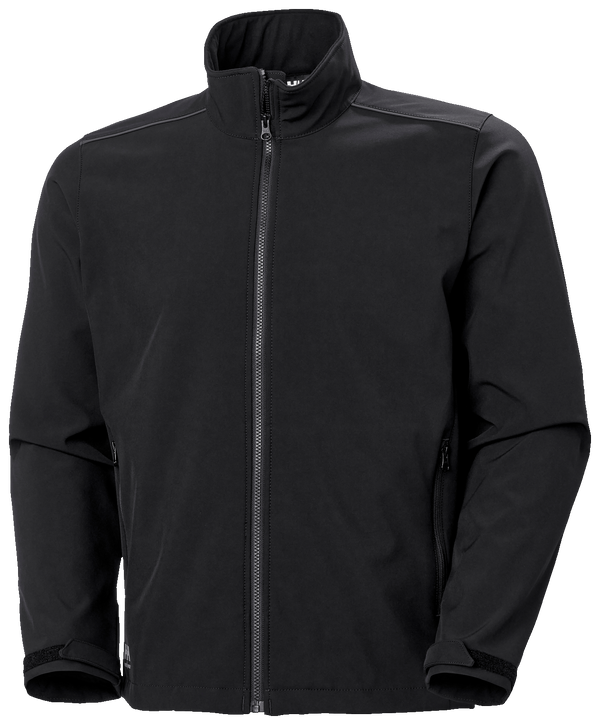
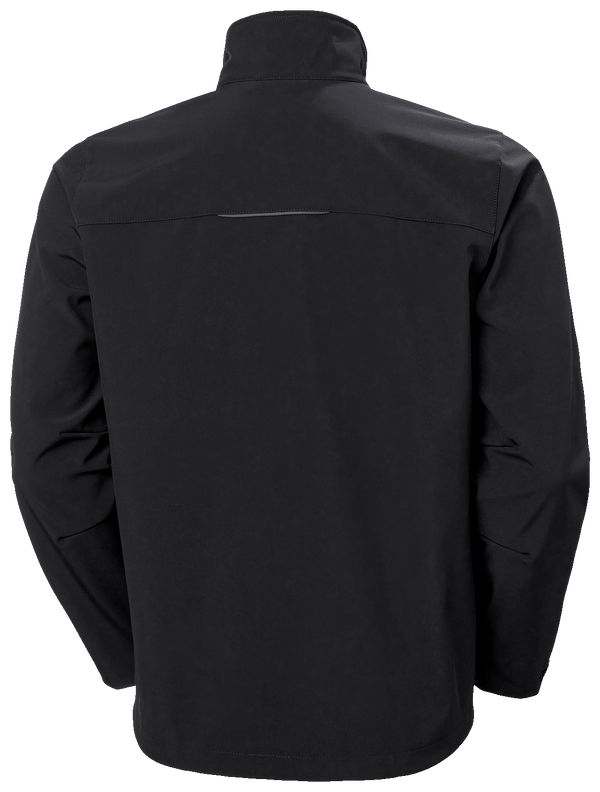


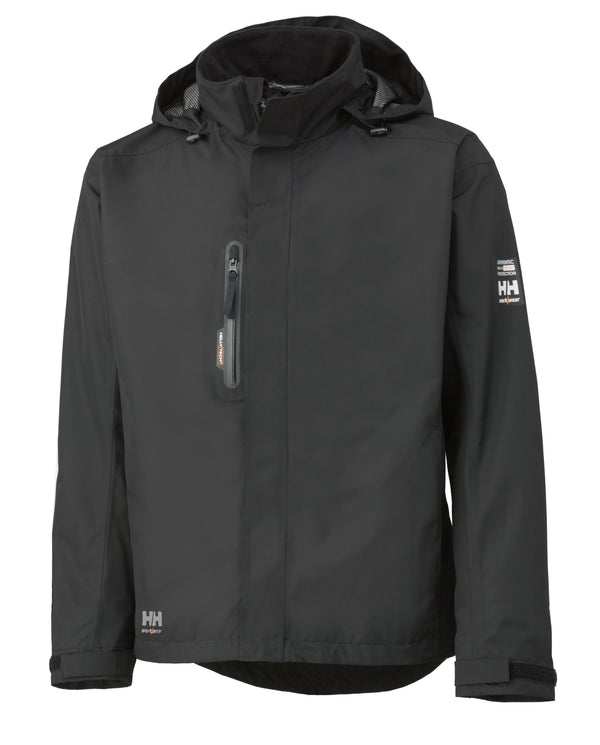


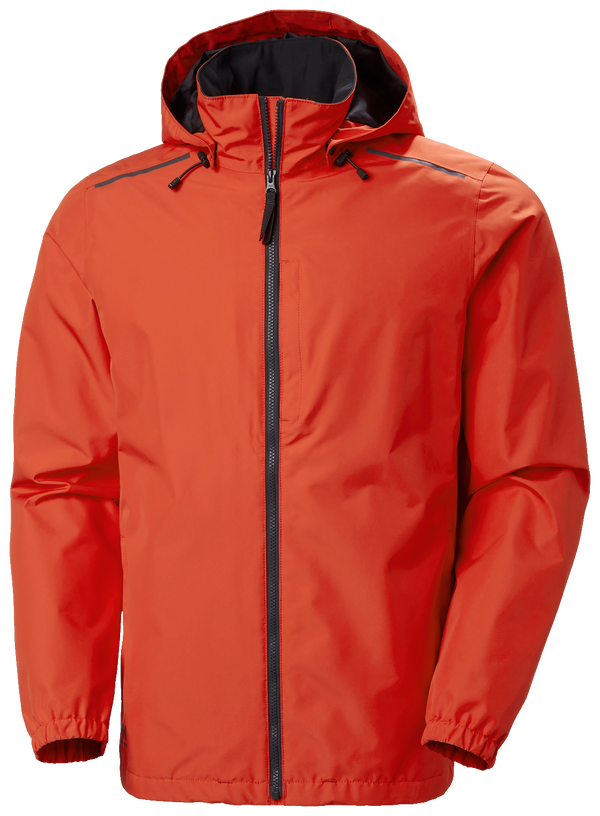
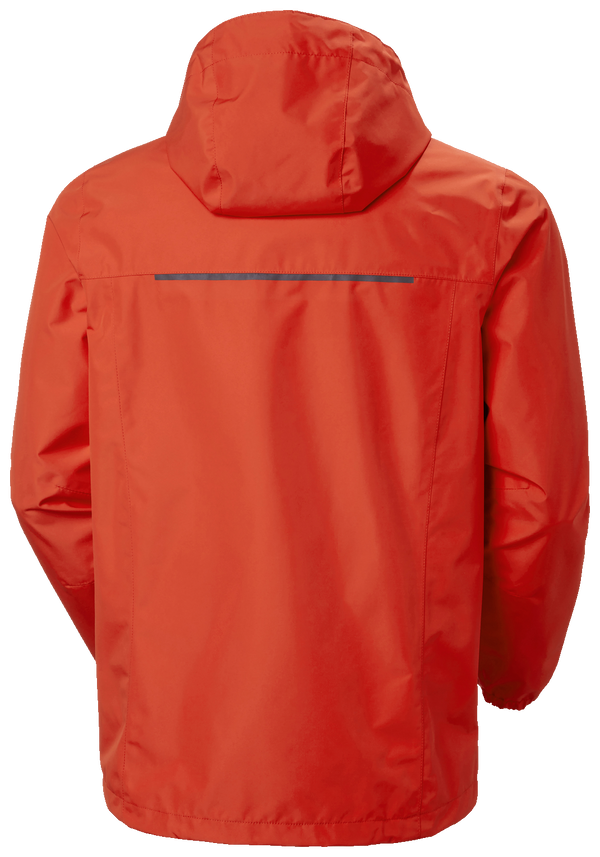
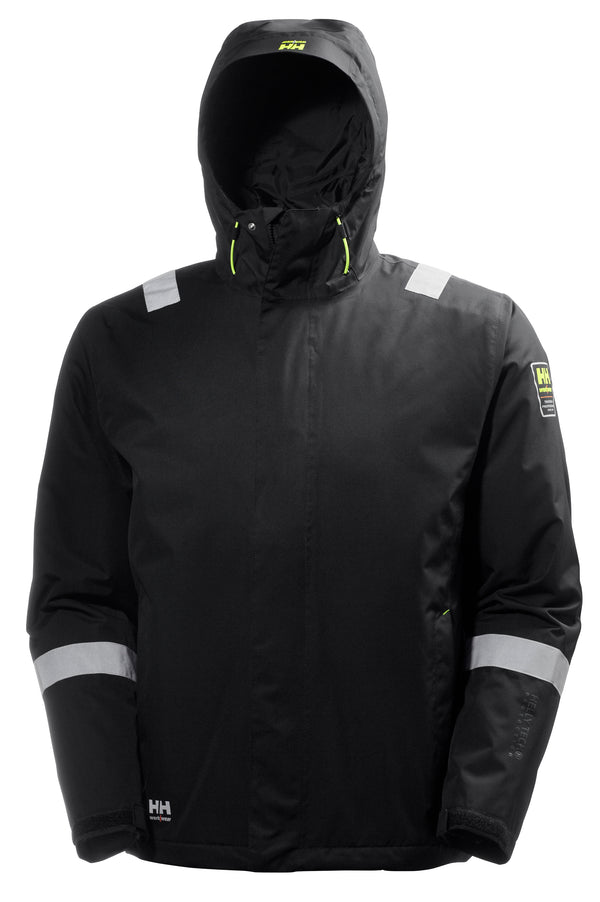
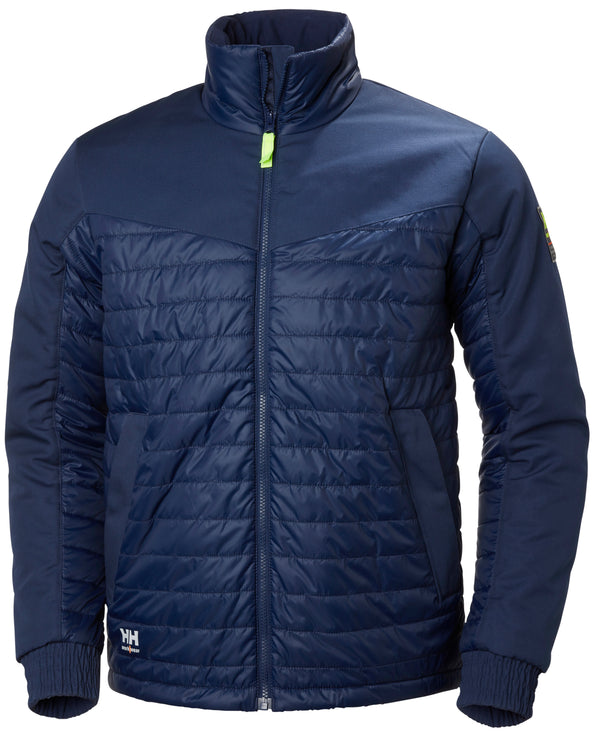
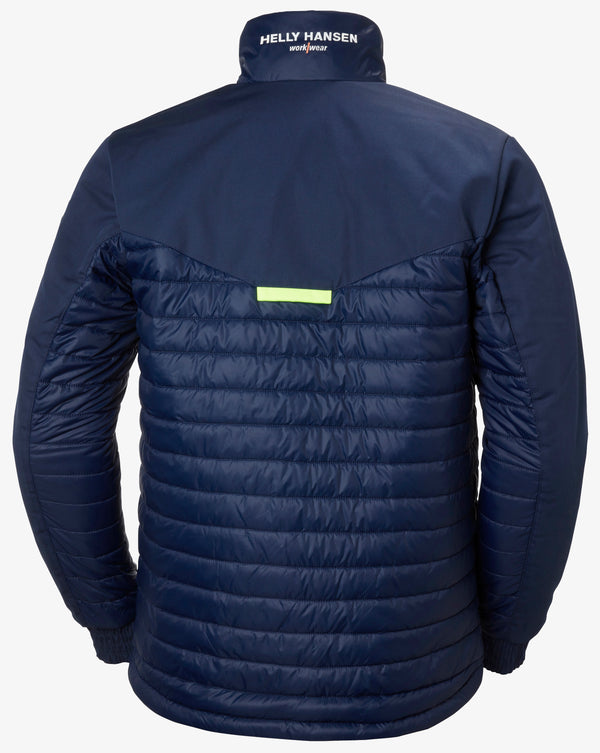


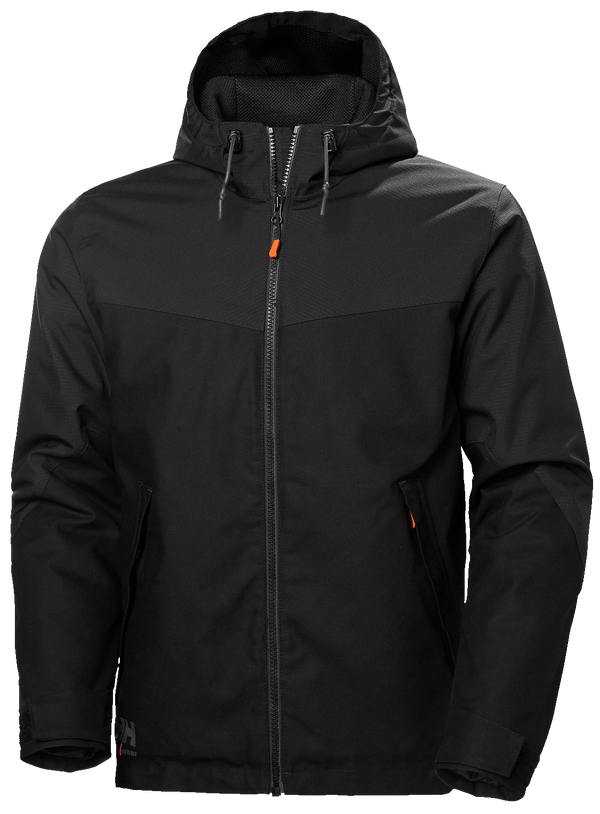
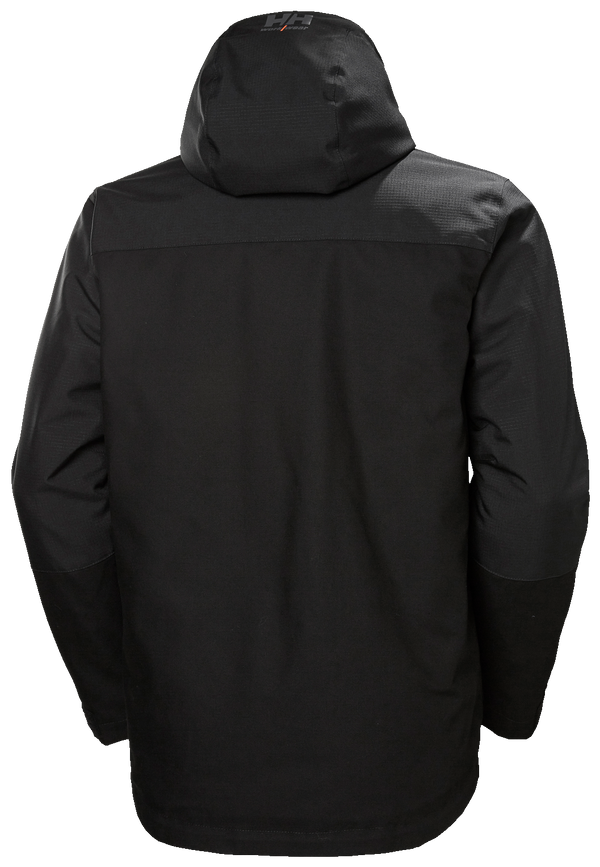
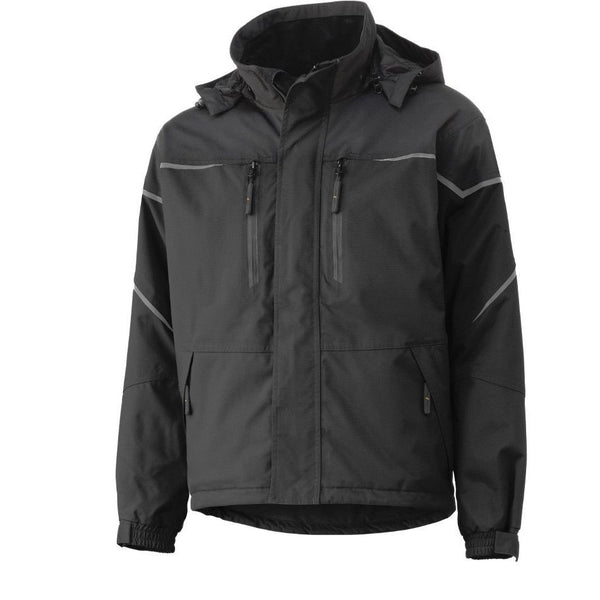
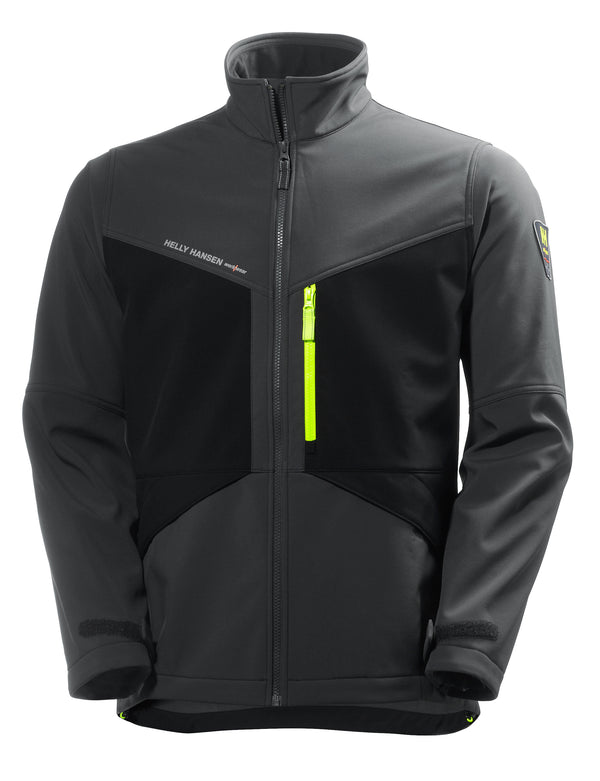
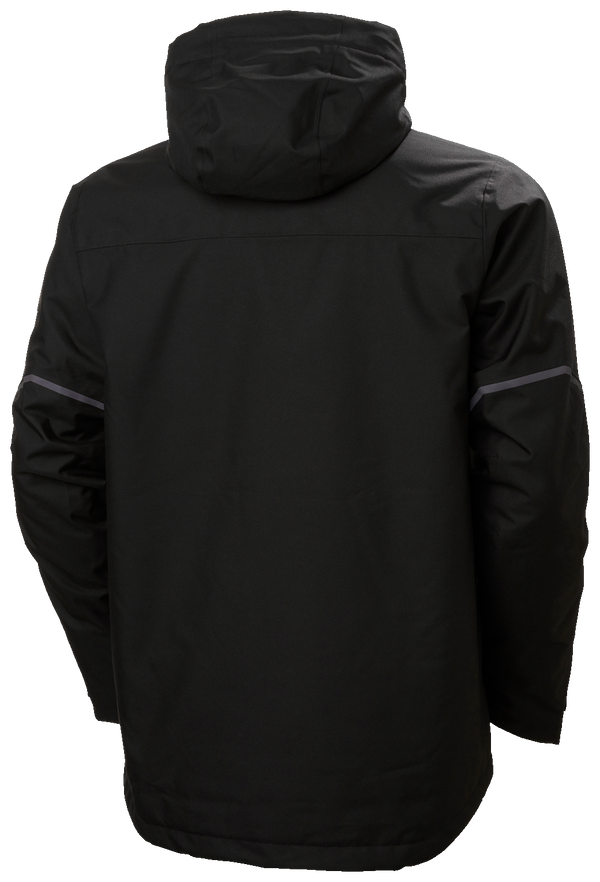


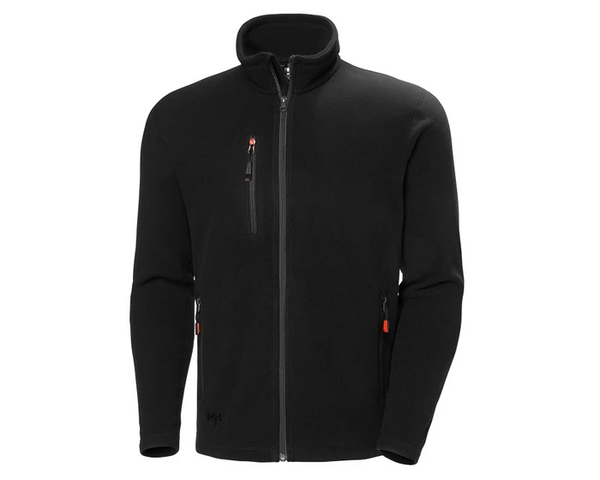
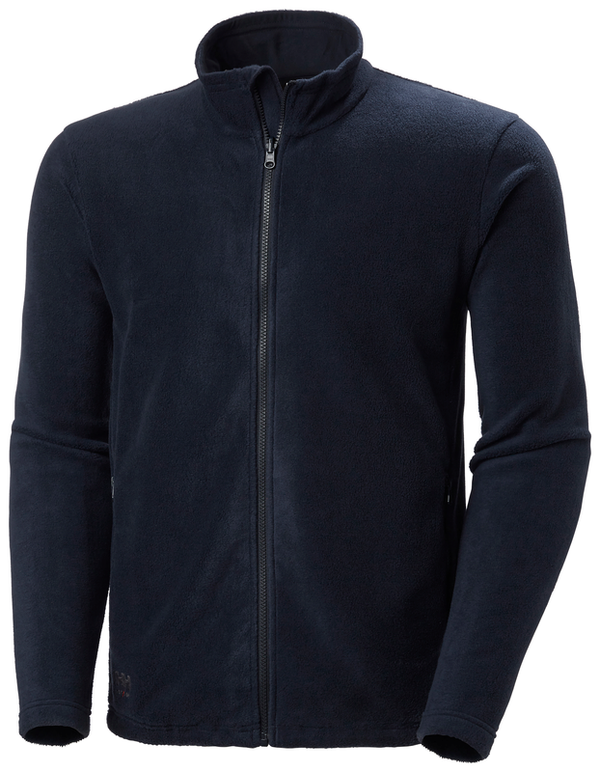
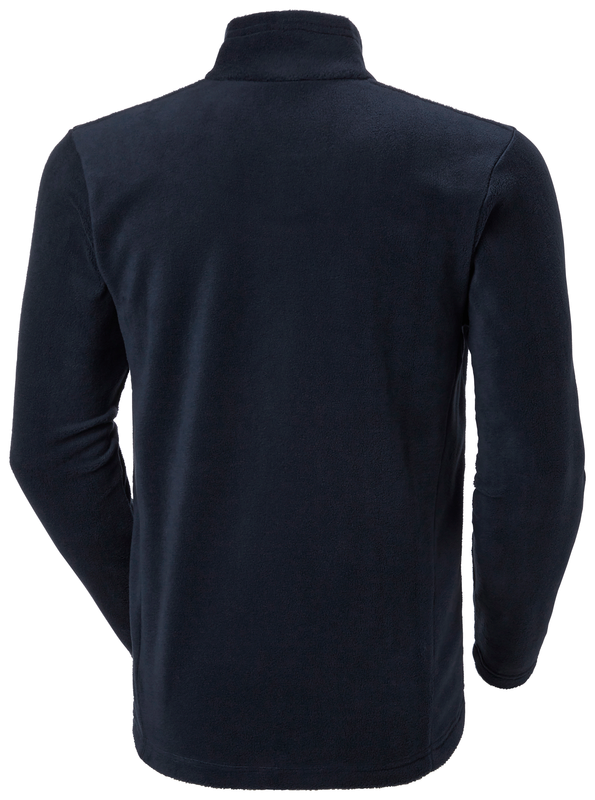


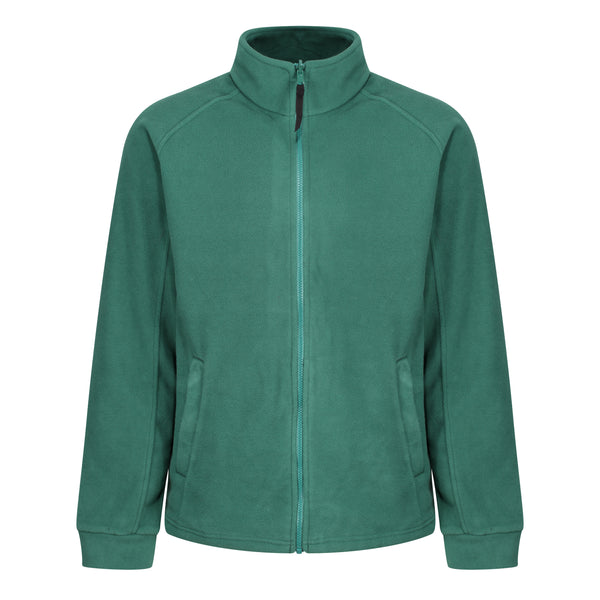
Jackets Coats for Practical Grounds Work in All Weather
Jackets Coats are a key part of day-to-day kit for anyone working outdoors in turfcare and grounds management. On sports pitches, golf courses, estates, schools and wider amenity sites, the weather rarely gives you a quiet week. Wind, rain, cold starts and long damp afternoons are part of the job. The right outer layer helps staff stay warm, dry and mobile while keeping standards up across the site. When jackets and coats are chosen well, they support safer movement, better comfort and a more professional working day from start to finish.
Most grounds teams are moving constantly between tasks. One hour may involve pitch inspection, line marking or checking irrigation heads; the next could be setup work, brushing, machinery checks or post-match repairs. That means jackets and coats need to do more than keep rain out. They need to allow free movement, cope with repeated wear and stay comfortable across changing conditions. A coat that feels fine on the yard but becomes heavy, stiff or restrictive on the pitch soon gets left behind. Good outerwear needs to work properly in the real world.
From a practical point of view, jackets coats sit inside the wider maintenance programme rather than outside it. If a groundsperson is wet, cold or uncomfortable, routine jobs take longer and attention to detail starts to slip. That matters when the day is already tight and the surface still needs to be ready for training, play or presentation. Reliable outerwear supports the team in the same way as any other dependable bit of kit: it helps the work get done with less friction.
Why good outerwear matters on working sports sites
Outdoor work puts plenty of demands on clothing. Grounds staff bend, kneel, lift, push, walk long distances and move between exposed and sheltered areas all day. A good jacket or coat needs to keep water and wind out without making the wearer feel boxed in. Breathability matters because overheating can be just as frustrating as getting cold. Pocket layout matters because staff often need quick access to gloves, markers, notebooks, radios or small tools. Zip quality, cuff fit and hood design all make a difference once the weather turns.
Strong outerwear also supports site presentation and professionalism. Grounds teams are often visible to players, members, coaches, parents and spectators throughout the day. Clean, well-fitting jackets and coats help staff look prepared and organised. That visual point is not the main reason to buy them, but it does reinforce the standard of the venue and the care being taken across the whole site.
Durability is just as important. Turf work is hard on clothing. Repeated exposure to rain, abrasion from machinery, contact with fencing, brushing past posts and constant movement over wet turf soon expose weak seams and poor fabrics. The best jackets and coats for grounds teams tend to balance weather resistance, comfort and hardwearing construction, giving staff something they can trust through repeated use across the season.
Choosing jackets coats for turfcare and grounds maintenance
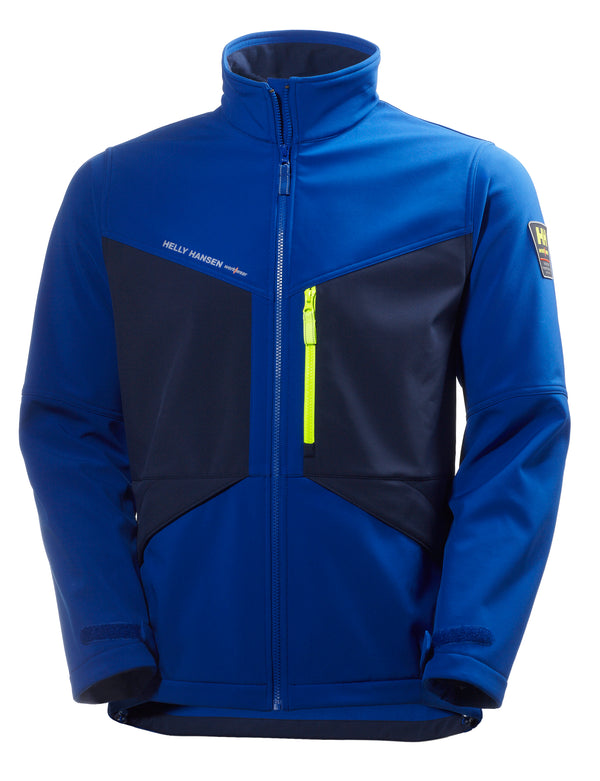
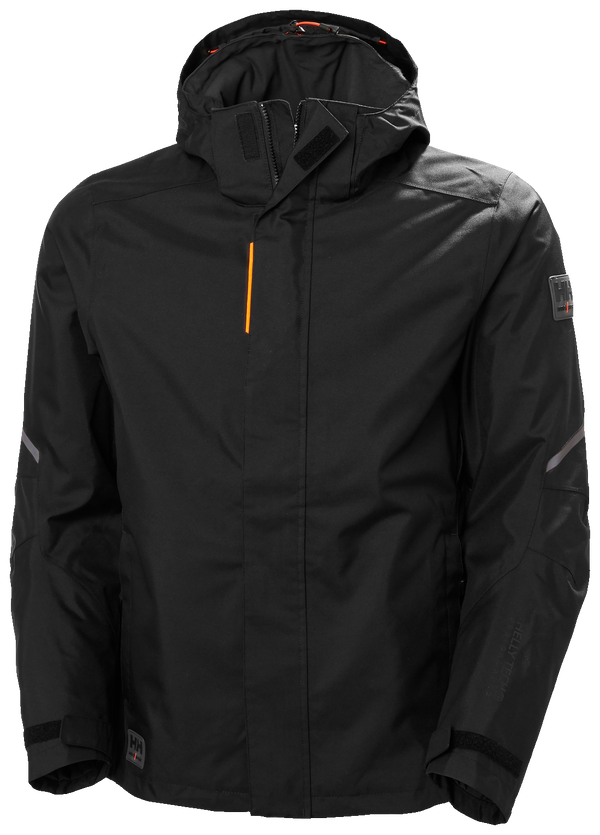
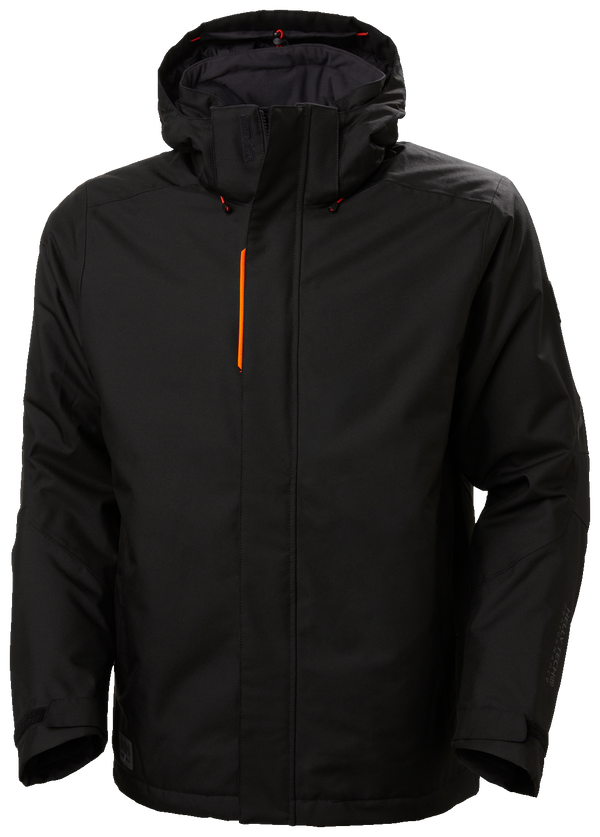
When selecting jackets coats, start with the jobs being carried out most often. Lightweight waterproofs may suit staff who need mobility during marking, checking, setup and general inspections. Heavier insulated coats may be more useful for long winter shifts, early starts or exposed golf and sports sites. Softshell jackets can work well where flexibility and light weather protection matter more than full storm cover. The right option usually depends on the balance between movement, warmth and protection rather than one feature alone.
Layering should always be part of the thinking. A practical outer coat works better when it fits over the rest of the daily kit without becoming bulky or restrictive. On cold mornings, that may mean using jackets and coats alongside Workwear Outdoor Clothing to build a more adaptable system through the day. When site tasks involve handling products, washdown work or workshop jobs, the same outerwear may also sit alongside Personal Protective Equipment where task-specific protection is needed as well.
Fit is another factor that should not be overlooked. Clothing that is too bulky catches on equipment and makes simple jobs harder. Clothing that is too light may not offer enough protection once the weather changes. Good jackets and coats should feel practical on the body: easy to move in, easy to clean and capable of dealing with repeated wear over the working week. On busy venues, that practicality matters more than fancy styling or unnecessary extras.
Seasonal use through the grounds calendar
Jackets Coats have obvious seasonal value, but they are useful for more of the year than many people think. In autumn and winter, waterproof and insulated options become essential because staff are working in colder winds, wetter ground conditions and shorter daylight hours. In spring, lighter jackets still earn their place during chilly starts, showery weather and long changeable days. Even in summer, a dependable showerproof layer can be useful during early morning inspections, wet setup work or sudden rain moving across an exposed site.
That seasonal flexibility helps teams stay productive when the weather refuses to settle. A pitch still needs recovering after overnight rain. A golf course still needs checking at first light. A school site still has to be ready despite a poor forecast. Good outerwear supports those routines and reduces the drain that bad weather can place on staff over time.
How jackets coats fit into a wider maintenance programme
On a well-run site, outerwear supports the same sort of joined-up routine as the rest of the maintenance plan. Staff may begin with an inspection, then move into repairs, setup and presentation work. That might include recovery work using Grass Seed, local surface refinement with Loam and Dressing or match preparation using Line Marking Paint. Clothing that keeps the wearer dry and comfortable helps those jobs get done to a better standard, especially when the weather is poor and the schedule is tight.
Moisture management is another obvious link. Staff checking heads, valves, hoses and wet access routes may be working alongside Irrigation and Water Management systems in exposed conditions where waterproof outer layers make a real difference. If those same teams are handling fuels, liquids or site maintenance materials around stores and workshops, sensible preparation may also involve nearby Spill Kits so the site stays safer and easier to manage when something goes wrong.
That is where experienced grounds teams usually stand out. They do not treat jackets and coats as an afterthought or a personal preference. They see them as part of the day’s setup: the right outer layer for the weather, the workload and the type of site being managed. That practical approach keeps staff more comfortable, helps maintain productivity and supports better decision-making when conditions are difficult.
Recently viewed