



Why Japanese knotweed weed killer matters on managed sites
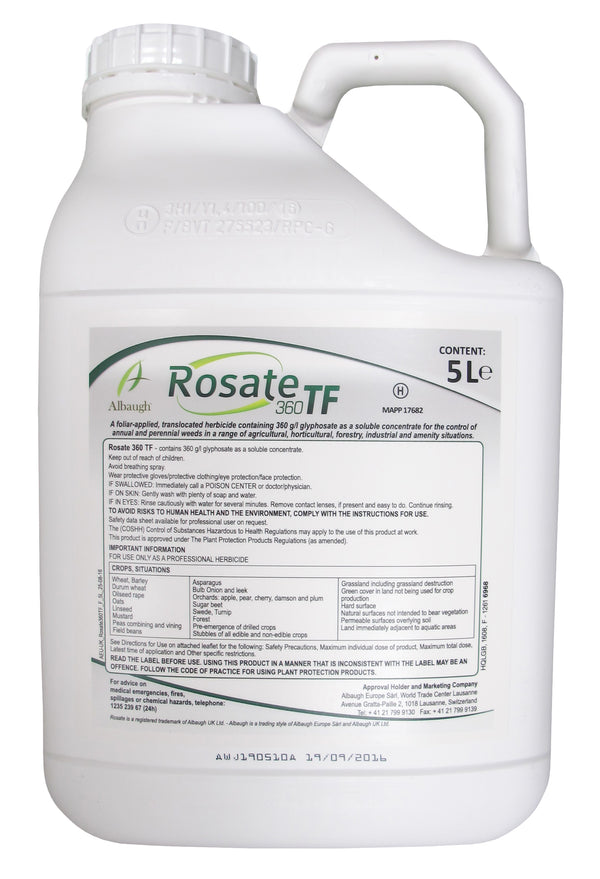
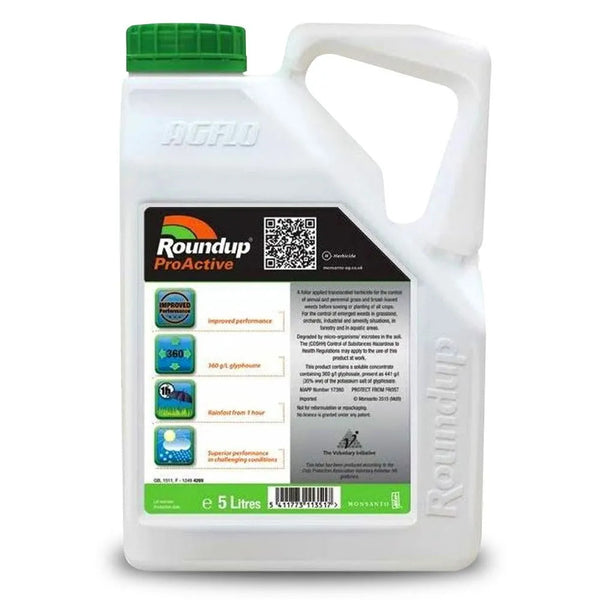
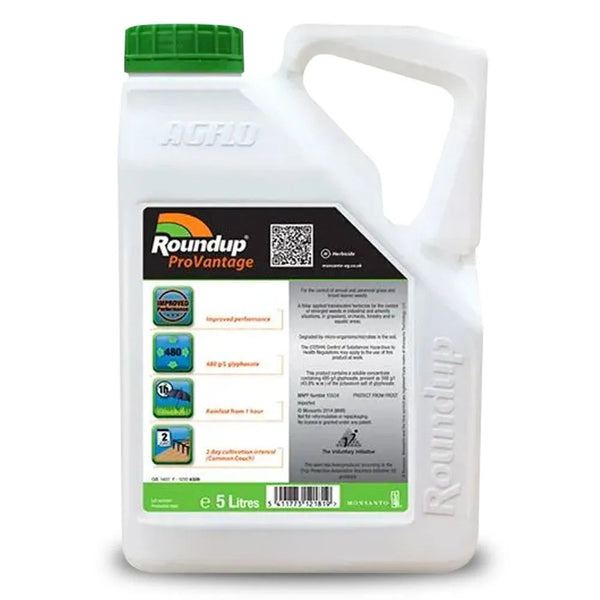
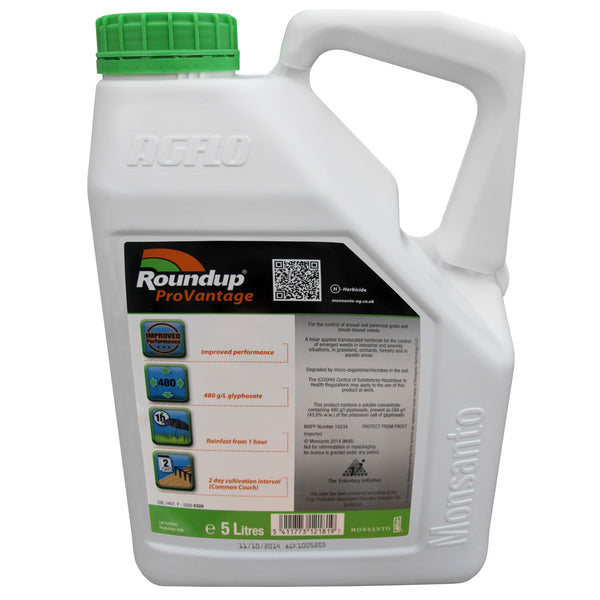
Japanese knotweed is not just another broadleaf weed. It is a deep-rooted, invasive plant that can spread through tough underground rhizomes and quickly dominate unmanaged corners, perimeter fencing, compound areas, paddock edges and other non-crop spaces around sports and landscape sites. This Japanese knotweed weed killer collection is built around professional herbicides for targeted control in amenity, landscape and non-crop areas, with most products based on glyphosate and one selective option also available in the range.
For groundspersons and contractors, that matters because knotweed can sit just outside the main playing surface and still become a serious management issue. It can affect presentation, access routes and maintenance efficiency. A good Japanese knotweed weed killer gives you a practical route to long-term suppression by moving active ingredient through the leaf and stem, then down into the root and rhizome system. That systemic action is what separates a proper knotweed herbicide from a quick scorch-off treatment.
In real terms, this is professional weed control rather than cosmetic tidy-up work. Whether you are dealing with invasive weed control on a sports facility boundary, around storage yards, near hard surfaces or in rough grassland, the goal is to reduce regrowth and regain control of the site. Serious domestic users can also benefit, but the main fit here is for amenity managers, landscapers and grounds teams who need dependable total weed killer options.
Systemic control, rhizomes and product choice
Most Japanese knotweed treatment programmes rely on glyphosate weed killer because it is a systemic herbicide. Once the plant is actively growing, the spray is absorbed through the foliage and translocated through the plant. That helps target the rhizome network below ground, which is where knotweed stores much of its energy. Pitchcare’s collection also shows active substances such as aminopyralid and triclopyr within the wider category mix, although glyphosate is the main entity on this page.
When choosing a Japanese knotweed weed killer, think about formulation, concentration and application method. Some sites suit a foliar spray with a knapsack or pedestrian unit; others call for more precise work using Stem Injection Equipment where drift needs to be kept to a minimum. Application rate, water volume, spray quality and timing all influence results. So does plant size. Large, healthy stands usually need a planned programme rather than a one-off hit.
Using knotweed herbicides safely and professionally
Because these are professional products, safe handling is part of the job. Always work to the product label, your site risk assessment and Control of Substances Hazardous to Health, or COSHH, requirements. On larger contracts, best practice also means trained operators, good record keeping and awareness of BASIS guidance, buffer zones, nearby water and off-target drift. Safe re-entry interval will vary by product, so it should never be guessed. Check the label every time. That is especially important on active sites where staff, contractors or the public may pass through treated areas.
Spray set-up matters as much as chemistry. Clean, calibrated equipment helps you hit the target without wasting product. That makes Knapsacks, Sprayers & Equipment a natural partner collection for this category, while PPE & Safety supports the gloves, coveralls, face protection, spill control and storage routines that keep weed control work compliant and tidy. Invasive weed control is more effective when application is accurate, measured and repeatable.
Seasonal timing for Japanese knotweed treatment
Season matters with knotweed. In spring, plants are pushing fresh growth, so early monitoring is useful and light follow-up work may start as part of site prep. Through summer, vigorous top growth gives a strong leaf area for uptake, which is why this is often the main treatment window. Into late summer and early autumn, systemic movement into the rhizome can make applications especially valuable before the plant dies back. Winter is usually more about planning, mapping infestations and preparing the next round of control rather than active spraying. The collection itself is marked mainly for spring, summer and autumn use.
How knotweed control fits into a wider grounds management programme
Professional grounds care is never one-dimensional. A typical grounds management programme might start with improving site performance through Plant & Soil Health, then restoring worn areas with Grass Seed, following up with targeted work from Weed Killer & Controls where invasive species are present, and keeping matchday presentation sharp with Line Marking and Loam & Dressing. On larger venues, Machinery and Irrigation also play their part by supporting establishment, recovery and day-to-day efficiency. Japanese knotweed weed killer sits within that wider workflow as a specialist tool for perimeter maintenance, non-crop areas and problem vegetation that should not be allowed to spread into the rest of the site.
That joined-up approach is a good example of integrated turf management. We may be treating knotweed outside the main square, pitch or green, but the thinking is still the same: protect usable space, support grass health and stop one issue undermining the whole operation. On football and rugby sites, that might mean dealing with invasive growth behind stands, around storage compounds or near access roads. On cricket grounds, golf facilities and paddocks, it may be boundary lines, woodland edges or rough areas where unmanaged weeds can creep outward.
Choosing the right route for your site
The right product depends on the surface, surrounding vegetation and the level of infestation. A total weed killer is often the sensible option where knotweed is growing in isolated non-crop areas and complete vegetation removal is acceptable. A more selective herbicide may have a place where compatible broadleaf weed control is needed around grassed areas, but product suitability must always be checked carefully. This is where reading the label, checking the active ingredient and matching the mode of action to the site become more important than chasing a quick fix.
For many users, the best route is to combine a reliable knotweed killer with accurate spray equipment, sensible exclusion periods and a planned follow-up inspection. That keeps expectations realistic. Japanese knotweed treatment is usually a programme, not a miracle cure. Used properly, though, a professional Japanese knotweed weed killer can form a strong part of long-term site recovery and help keep managed areas safer, cleaner and easier to maintain.
Recently viewed