


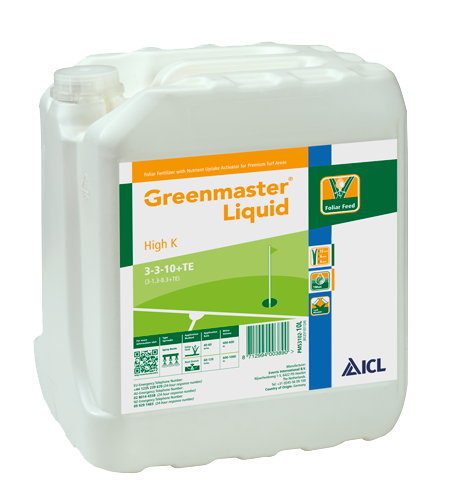
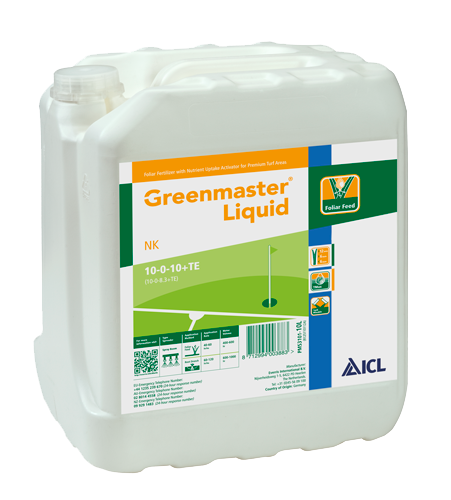


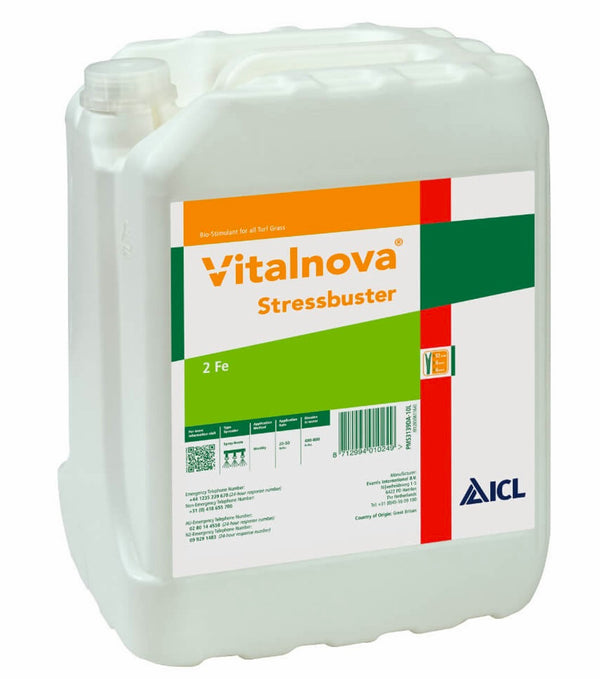


Liquid Turf Fertiliser for fast, flexible turf nutrition
Liquid Turf Fertiliser gives you speed, accuracy and flexibility when turf needs a quick response. On football, rugby and cricket surfaces, that matters. We often need to tighten colour, support recovery, encourage steady growth or sharpen presentation without waiting long for a result. A well-chosen liquid turf fertiliser helps you do that while keeping control of rate, timing and tank mix options.
For sports turf, the real value is precision. A liquid fertiliser for grass can be applied at low rates, little and often, and matched to the needs of the plant and the fixture list. That suits fine turf, renovated areas and pitches under pressure. It also gives groundspersons a practical way to top up nitrogen, phosphate, potassium and trace elements without pushing soft, excessive growth.
Many liquid feeds also bring added tools into the programme. You will see products with iron for colour and hardening effect, magnesium for chlorophyll support, seaweed extract for plant response, humic acid for nutrient efficiency, amino acids, calcium and micronutrients for balanced growth. That makes liquid turf fertiliser a useful option for integrated turf management, especially where presentation quality, wear tolerance and recovery all need attention at the same time.
How liquid feeds work on sports turf
Liquid Turf Fertiliser is usually applied through a sprayer and taken up through the leaf, the rootzone, or both. That is why formulation matters. Some products are designed as a quick foliar turf feed for immediate visual response; others are built as a broader liquid NPK fertiliser for ongoing support. You may also choose liquid iron, liquid seaweed or a turf tonic style product to solve a specific problem in the programme.
In practice, application quality is just as important as analysis. Water volume, nozzle choice, spray pattern and even drying conditions all influence performance. If coverage is patchy, response will be patchy. If rates are too high, you can create stress or unwanted flushes of growth. That is why many grounds teams pair these products with reliable Knapsacks, Sprayers & Equipment and build decisions around current soil moisture, turf growth and fixture pressure.
Liquid feeding is also useful when granular input is not ideal. On closely mown areas, high-end presentation surfaces or pitches where traffic makes timing awkward, a fine turf liquid feed can be easier to manage. That does not replace granular products altogether. It complements them. A seasonal base can still come from Granular Turf Fertiliser, while liquids are used to fine tune colour, vigour and plant response between larger applications.
Choosing the right product for the job
The best choice depends on surface type and objective. For football and rugby pitches, we often look for enough nitrogen to aid recovery, with potassium to support durability and stress tolerance. For cricket outfields, golf approaches and other finer areas, the aim may be controlled growth and clean, even colour. On worn or tired turf, products from Seaweed & Biostimulants or Biostimulants & Micronutrients can sit neatly alongside a liquid turf fertiliser to support grass health without overdriving leaf growth.
It also pays to check compatibility with your wider nutrition plan. If you are correcting deficiency, study the label for nutrient form and concentration. If you are feeding for presentation, look at iron level, nitrogen source and the likely duration of response. If you are managing fine turf, watch scorch risk, spray interval and growth pattern. Good liquid fertiliser choice is never just about the headline analysis; it is about how that product behaves on your surface.
Using liquid fertiliser through the seasons
Seasonality matters. In spring, liquid turf fertiliser is often used to wake turf up steadily, restore colour and support early recovery when growth begins to move. Late spring and summer applications are commonly lighter and more frequent; that helps maintain colour and density without forcing growth ahead of matches or mowing. In dry spells, programme timing becomes even more important, and support from Irrigation can make a big difference to consistency and uptake.
In autumn, liquid feeds are useful for tidy presentation, balanced nutrition and supporting recovery after renovation or heavy play. Winter use is usually more selective. Growth slows, so we tend to favour lower nitrogen inputs, iron-based products, or targeted nutrition that supports plant strength rather than soft leaf. The aim is to keep the sward resilient and presentable while respecting temperature, light and recovery limits.
Where it fits in a complete maintenance programme
Liquid feeding works best when it sits inside a proper grounds management programme. We might test first with Soil Testing, then set the main nutrient base, monitor growth, and use liquid inputs to steer the plant as conditions change. Around renovation, it can pair with Soluble Turf Fertiliser for fast establishment support, or with overseeding plans linked to Football Pitch Grass Seed where wear recovery is the main goal.
That is the practical advantage of this category: it bridges the gap between base nutrition and day-to-day turf management. You can respond to weather, growth rate, wear patterns and presentation demands with more finesse. For stadium grounds, school sports sites, golf areas, estates and serious lawn care, that flexibility is useful. It helps keep surfaces cleaner, stronger and more consistent through periods of stress and recovery.
Professional advice for better results
Our view is simple: use liquid turf fertiliser with a clear purpose. Do not just spray because the tank is there. Match the product to the surface, the season and the job in hand. Check nutrient analysis, dilution rate, water volume and expected response. Think about clipping yield, root activity, moisture, and how close you are to play. When those pieces line up, liquid fertiliser becomes one of the most dependable tools in modern sports turf management.
Pitchcare is there for that full picture: from fast-response liquids and biostimulants to sprayers, irrigation and seed. Used well, liquid turf fertiliser does far more than green up a pitch. It supports recovery, steadies performance and helps you manage turf with confidence.
Recently viewed