
Netball Posts for Safe Set-Up and Reliable Court Presentation
Netball posts do more than complete the look of a court. They shape safety, playing consistency and the overall standard of the venue from one session to the next. Whether you are managing a school site, club court, leisure venue or wider sports facility, dependable posts help staff set up quickly, keep the area tidy and maintain a stronger impression for players and visitors. When the posts are stable, correctly fitted and easy to handle, the whole court feels more professional.
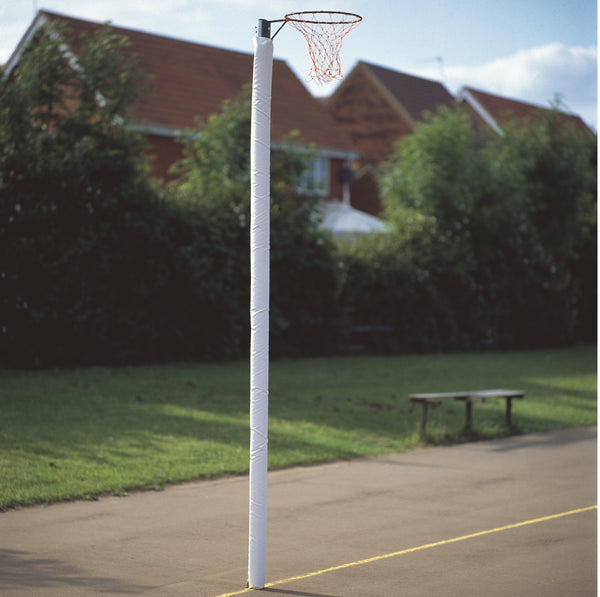
Across busy sites, that practical value soon becomes obvious. Posts need to be the right height, hold the ring securely and stand up to repeated use through training, matches and community sessions. On some venues, that means socketed netball posts for a cleaner and more permanent setup. On others, freestanding netball posts offer flexibility where courts are shared or layouts change during the week. In both cases, the aim stays the same: safe play, sensible handling and a setup routine that does not waste time.
From a grounds management angle, netball posts sit within the wider operation rather than outside it. If the posts are awkward to move, poorly anchored or hard to store, staff lose time and the facility becomes harder to manage. On school grounds and multi-sport venues, that pressure quickly spills into court presentation, traffic control and general site organisation. Good netball equipment helps the venue run more smoothly and supports a tidier, more consistent working day.
Why netball posts matter beyond basic setup
Reliable posts affect more than the game itself. They influence how quickly a court can be prepared, how safely it can be used and how well the site copes with repeated activity. Rings need to stay secure; uprights need to remain straight and stable; sockets, sleeves and fittings need to perform without becoming a maintenance headache. If any part of that setup is weak, the court feels less dependable and staff end up spending more time dealing with avoidable problems.
That is especially important on shared-use venues. Many schools and sports centres use the same area for netball, tennis, basketball drills or general physical education. In those situations, practical netball court equipment needs to be robust, easy to install and simple to remove or store. Posts that are too heavy, badly balanced or awkward to fit soon slow down the changeover. Sound equipment supports the timetable rather than fighting it.
Standards of presentation matter as well. Straight posts, clean rings and tidy nets lift the look of the court at once. That visual finish supports the wider work being done across the venue, especially where a school or club wants courts to look organised and ready for use at short notice. Good setup habits often sit alongside smart surface presentation from Line Marking Paint where lines need to remain clear and consistent across managed sports areas.
Choosing netball posts for practical site use
When selecting netball posts, the first thing to consider is how the court is used through the week. A permanent or heavily used venue may benefit from socketed posts that give a cleaner look and a reliable fixed position. A more flexible site may prefer portable or freestanding models that can be moved when the space is needed for other activities. The right option depends on the court layout, storage space, labour resource and how often setup changes are required.
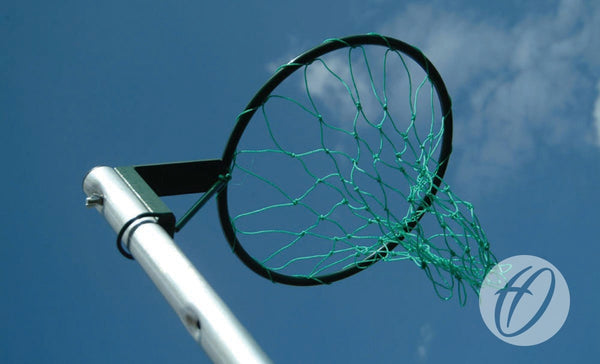
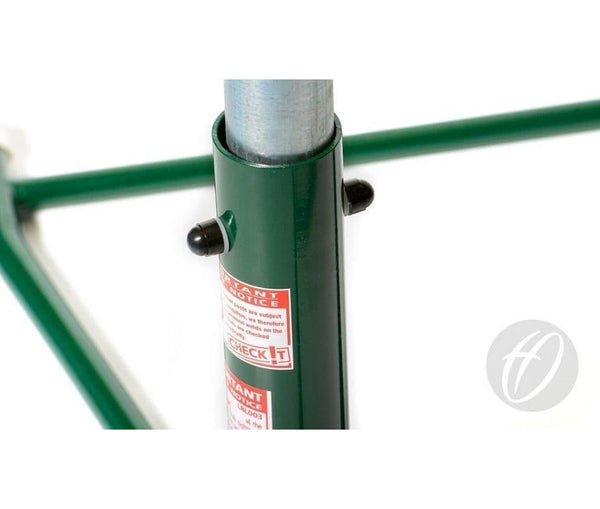
Materials and construction make a real difference in practice. Steel uprights are often chosen for strength and long-term durability, while powder-coated finishes help with weather resistance and appearance. Rings, hooks, nets and fittings all need to stand up to repeated use and outdoor exposure. If the posts are going in and out of sockets regularly, attention should also be paid to sleeves, socket condition and ease of fitting. A strong product is not just one that lasts; it is one that stays straightforward to use through a full season.
Handling should never be overlooked. On a busy school or community site, equipment is often moved by a small team with limited time between sessions. Posts that are awkward to lift or difficult to align soon become unpopular. Good netball posts should support efficient setup, safe removal and sensible storage without creating unnecessary strain on staff or the surface around the court edge.
Seasonal use and routine checks
Although netball posts are not tied to a narrow seasonal window, the way they are used does shift through the year. In late summer and early autumn, many venues are setting up hard for term-time sport, club sessions and regular fixtures. Through autumn and winter, fittings and finishes come under more pressure from wet weather, repeated handling and heavier site use. In spring and summer, the same equipment often supports school sport, tournaments and increased community activity. That makes routine inspection worthwhile throughout the year: checking sockets, fixings, rings, net condition and general stability before small issues turn into bigger ones.
On venues with adjacent grass areas, those court routines often sit alongside broader site work. Access routes, surrounding turf and presentation zones still need managing, particularly where players and spectators move between surfaces. In those areas, recovery work may connect with Grass Seed and profile repair using Loam and Dressing where wear starts to build around the edges.
How netball posts fit into a wider facility maintenance programme
No sports site runs on equipment alone. The best results come when support items such as netball posts are planned as part of the full maintenance routine. A well-managed venue will usually combine equipment checks, line visibility, cleaning, safe storage and regular inspection with wider surface care and presentation work. On mixed-use school grounds, that joined-up approach saves time and helps staff stay ahead of wear, damage and last-minute setup issues.
That broader view matters because problems are not always caused by the posts themselves. If a court edge is breaking down, if adjacent turf is thinning, or if recurring surface issues are making the area harder to manage, the answer may lie elsewhere in the maintenance programme. One round of Soil Testing can help when you need a clearer picture of underlying conditions on surrounding natural turf. Where nearby grass areas rely on steady moisture and establishment, that work may also sit alongside Irrigation and Water Management to keep the wider site in better order.
For experienced grounds teams, that is the real value of good equipment. It supports repeatable routines. Staff can set up quickly, check the court confidently and move on to the next job without being dragged into avoidable repairs or awkward handling. That frees up time for the detail that lifts a venue: cleaner presentation, better scheduling and more reliable day-to-day standards.


Recently viewed