

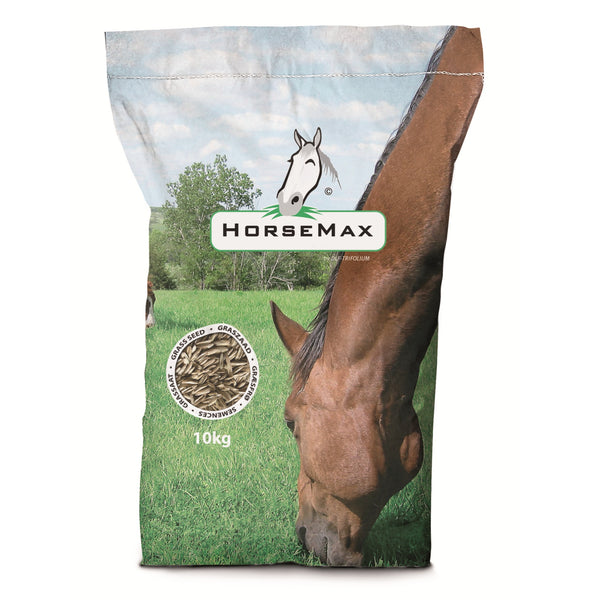


Paddock Grass Seed for Stronger Horse Ground, Better Recovery and More Reliable Cover
Paddock Grass Seed is all about building a sward that can cope with real equestrian use. Horse paddocks are tough environments. Hoof traffic is concentrated, grazing pressure is uneven and gateways, feeding points and track lines can wear out quickly. Once the cover opens up, we often see poaching, weed ingress, reduced grass health and more expensive recovery work. That is why choosing the right paddock grass seed matters. It helps create a denser, more hardwearing surface that holds together better and gives you a stronger base for long-term paddock management.
Good paddock grass seed is not the same as a general-purpose lawn or sports mix. We need a seed blend that suits horse paddocks, turnout areas, resting ground and grazing paddocks, with the right balance of wear tolerance, recovery and seasonal performance. Some horse pasture seed mixtures are built for stronger grazing quality; others lean more towards equestrian use where surface resilience and rooting strength are higher priorities. In practice, the best result comes from matching the seed to the job rather than buying on price alone.
This collection sits naturally within the wider Grass Seed range, but Paddock Grass Seed deserves its own focus because horse ground behaves differently from lawns, sports turf and general amenity grassland. Species selection, soil structure, drainage, nutrient availability and rest periods all shape how well a paddock seed mix will perform.
Choosing Paddock Grass Seed for Grazing, Turnout and Wear Recovery
Match the seed blend to how the paddock is really used
When we choose Paddock Grass Seed, the first question is simple: what is the paddock expected to do? A lightly grazed horse pasture, a winter turnout paddock, a rehab field and a worn holding area all need a different mindset. For grazing, palatability and sward balance come into the picture. For turnout and regular traffic, wear tolerance, tillering ability and recovery rate often matter more. If the paddock is used heavily through wet months, rooting strength and the ability to stitch back into damaged areas become critical.
That is where seed composition starts to matter. Depending on the mixture, we may be looking at perennial ryegrass for establishment speed and recovery, strong creeping red fescue for turf binding, timothy for grazing balance or other species that help shape persistence and seasonal growth. Some horse grazing grass seed mixtures are also chosen with lower sugar management in mind, particularly where owners are being cautious about pasture quality. We still need to be practical, though: a paddock that cannot carry cover will quickly become a mud problem, whatever the grazing plan says on paper.
Where the emphasis is on tougher, more resilient ground, it also makes sense to compare this category with Hardwearing Grass Seed. The overlap is obvious: both focus on durability, surface strength and dependable recovery. The difference is that paddock grass seed is aimed more directly at horse ground, where wear patterns, manure loading, grazing pressure and hoof damage all need to be considered together.
How Paddock Grass Seed Fits into a Proper Groundcare Programme
Seed only performs when the rest of the programme supports it
Even very good Paddock Grass Seed will struggle if the site is compacted, short of nutrient or left too open after poaching. Good seed-to-soil contact is essential. So is realistic timing. We get far better results when overseeding or reseeding follows sensible preparation: harrowing or scarifying where needed, levelling damaged ground, easing compaction and creating enough soil contact for the seed to establish properly. Broadcasting seed onto a capped, muddy surface rarely delivers the kind of recovery people hope for.
This is where professional paddock management separates itself from generic pasture advice. We look at the whole programme: surface preparation, recovery windows, grazing pressure, nutrient response, moisture retention and weed competition. If a paddock is reseeded and then put straight back under pressure, the take will often disappoint. If it is reseeded into a hungry soil with no follow-up nutrition, the new plant will struggle to tiller and fill out. In other words, paddock seed works best when it is part of integrated turf management rather than a one-off repair job.
Nutrition has a big role here. A young sward needs available phosphate, potassium and balanced nitrogen to root down and build density. That is why new seed work often sits alongside Pre-Seed Fertiliser during establishment and Paddock Fertiliser once the grass is moving and the aim shifts towards stronger colour, recovery and grass health. Regular Soil Testing also helps take the guesswork out of the programme; pH, phosphate, potash and magnesium levels all influence how efficiently the new sward can establish and persist.
Weed pressure is the other big one. Thin paddocks invite docks, nettles, thistles, buttercups and ragwort. Dense cover is always the first line of defence, but many sites also need a weed control plan. That is why Paddock Weed Killer can sit naturally alongside paddock seed in a realistic maintenance workflow. We tackle the cause as well as the symptom: build the grass cover back up, then stop the broad-leaved weeds taking advantage of open ground.
Seasonal Use of Paddock Grass Seed
Timing matters if you want the seed to establish cleanly
Paddock Grass Seed is usually best used in spring and late summer to early autumn. Spring sowing can work well when soil temperatures are climbing and there is enough moisture to support germination. It is a good window for repairing winter damage and reintroducing cover before summer stress arrives. Late summer and early autumn are often even better for many paddocks because the soil is still warm, moisture is usually more reliable and young plants have a chance to establish before winter pressure returns.
Summer overseeding can still be successful, but only where moisture is under control. Dry topsoils check germination quickly and leave the seed sitting vulnerable. That is why moisture monitoring and weather awareness matter on larger horse properties and training sites. Tools from Weather and Moisture Monitoring can help you judge when the profile is ready to seed and whether recent rainfall is enough to carry establishment. Winter is usually more about protecting cover, rotating use and planning the next recovery phase than active sowing.
Paddock grass seed is at its best when it is chosen for the way the ground is used and supported by sensible preparation, nutrition and aftercare. Get those parts right and you give the paddock a much better chance of staying thicker, cleaner and more resilient through the seasons.
Recently viewed