







Personal Protective Equipment for Safer Turfcare and Grounds Maintenance
Personal Protective Equipment is a core part of safe, professional grounds work. Whether you are spraying, spreading fertiliser, line marking, handling fuels, carrying out repairs or working with machinery, the right protection helps reduce risk and keeps the working day under control. Gloves, coveralls, eye protection, respirators, waterproof clothing, hearing protection, safety footwear and high-visibility garments all have a place in modern turfcare. On sports grounds, golf courses, schools, estates and managed amenity sites, good personal protective equipment is not an optional extra. It is part of doing the job properly.
Across a busy grounds team, tasks change quickly. One moment you may be mixing products, the next you may be washing down equipment, setting out line marking gear or moving between workshop, store and pitch. That is why personal protective equipment needs to match the task, the product and the working conditions. Good protection helps you manage exposure to chemicals, dust, noise, splash risk, sharp edges and slippery ground. Just as importantly, it helps create better routines, clearer accountability and stronger site standards.
For turf professionals, PPE sits inside the wider grounds management programme rather than outside it. If staff are not properly equipped, even routine work becomes harder to manage safely and efficiently. That affects more than compliance. It affects confidence, workflow and the quality of decision-making on site. Reliable protection supports safer product handling, cleaner preparation and a more organised approach to daily maintenance.
Why PPE matters in practical turfcare work
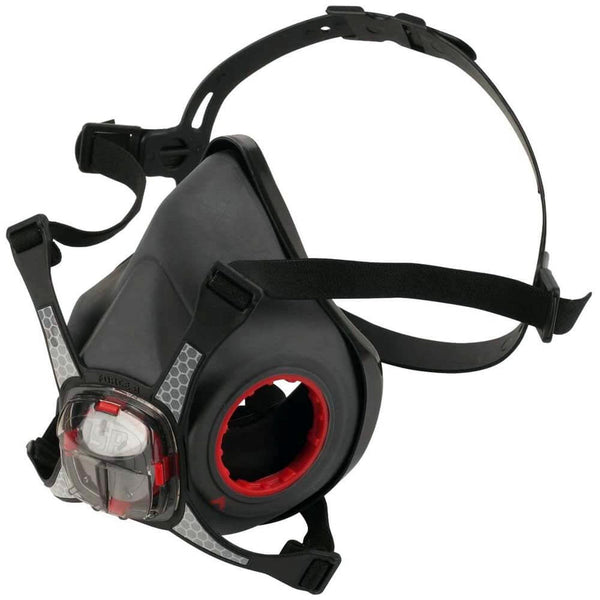
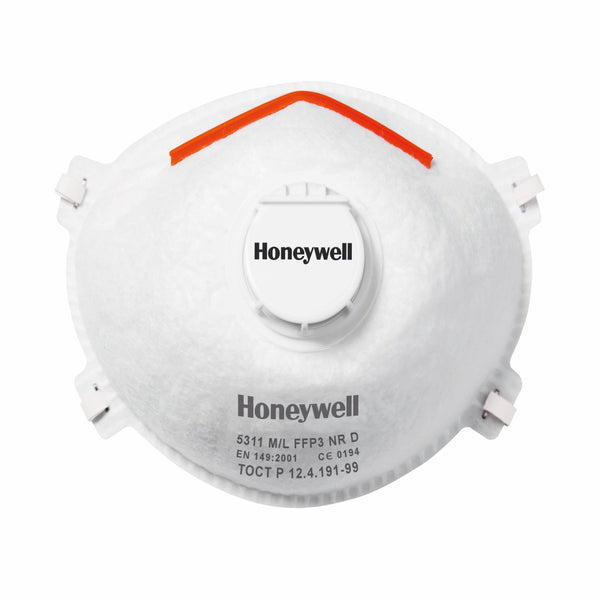
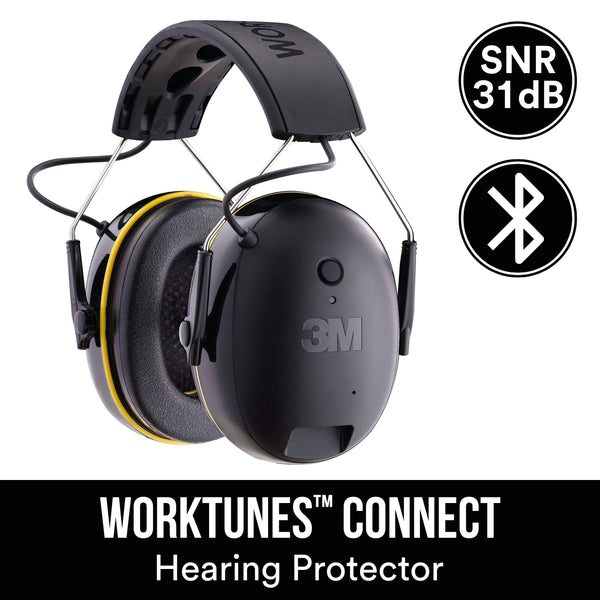
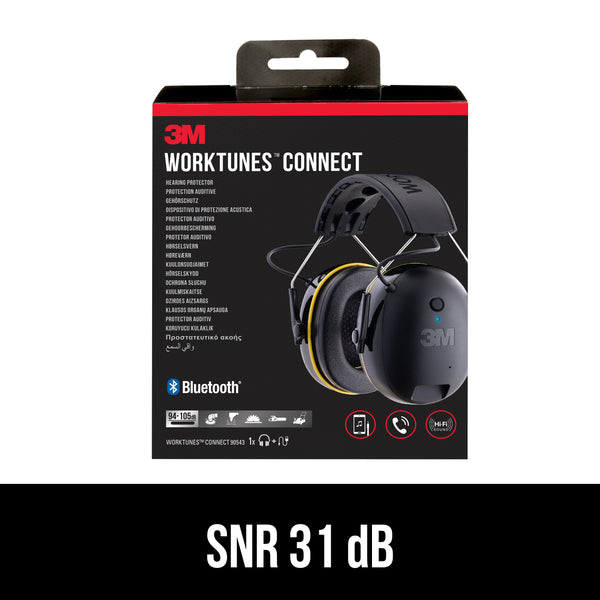
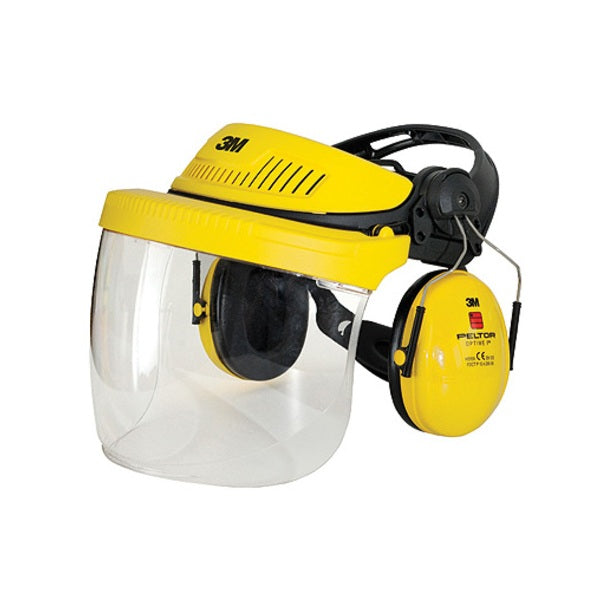
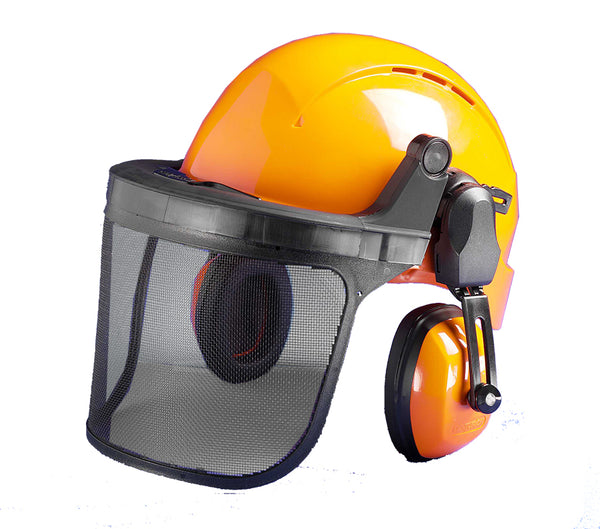
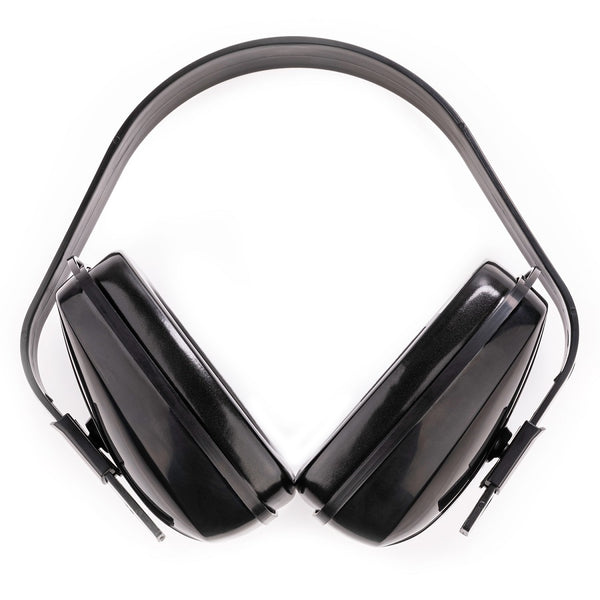
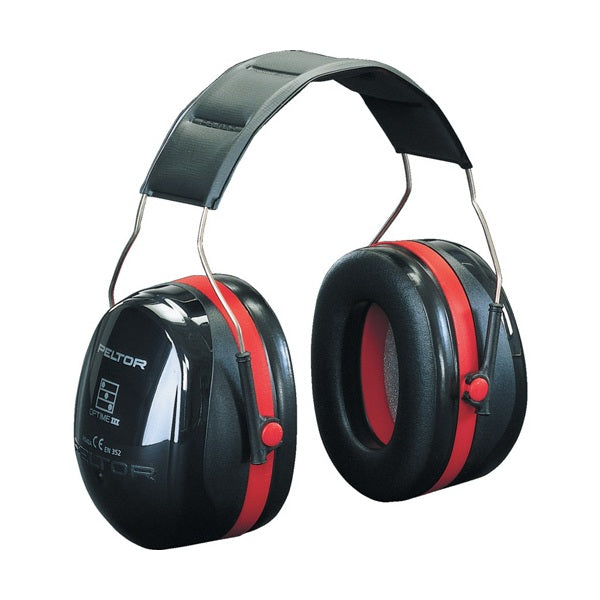
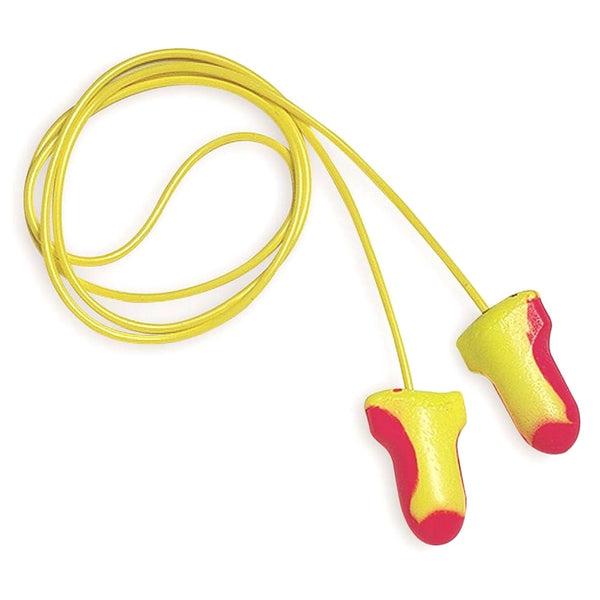
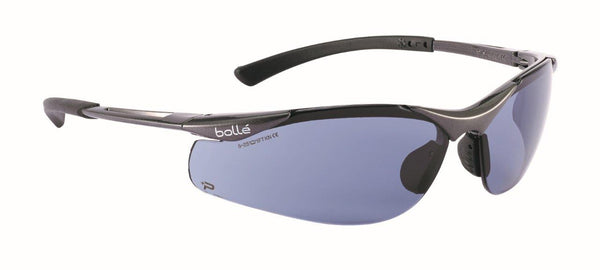
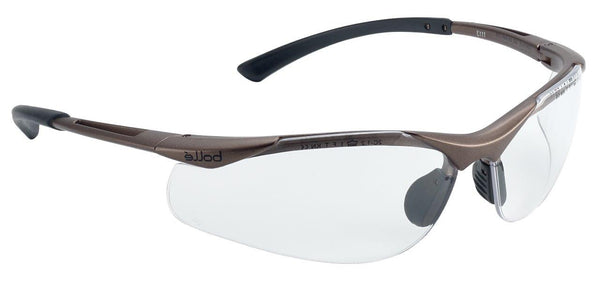
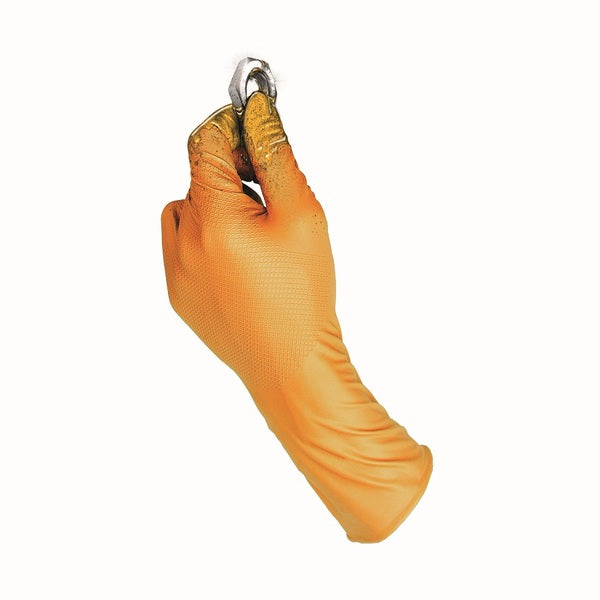
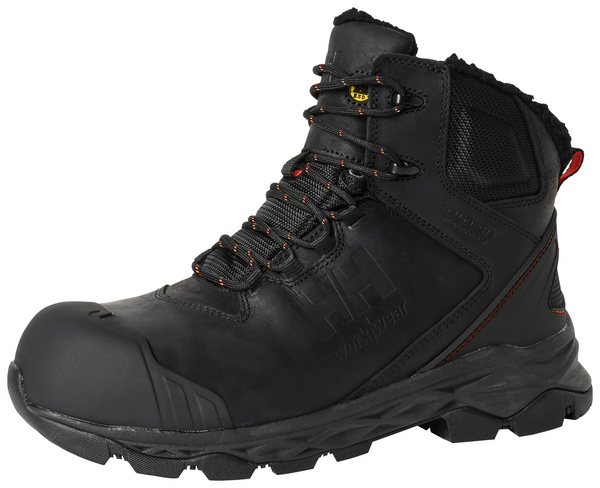
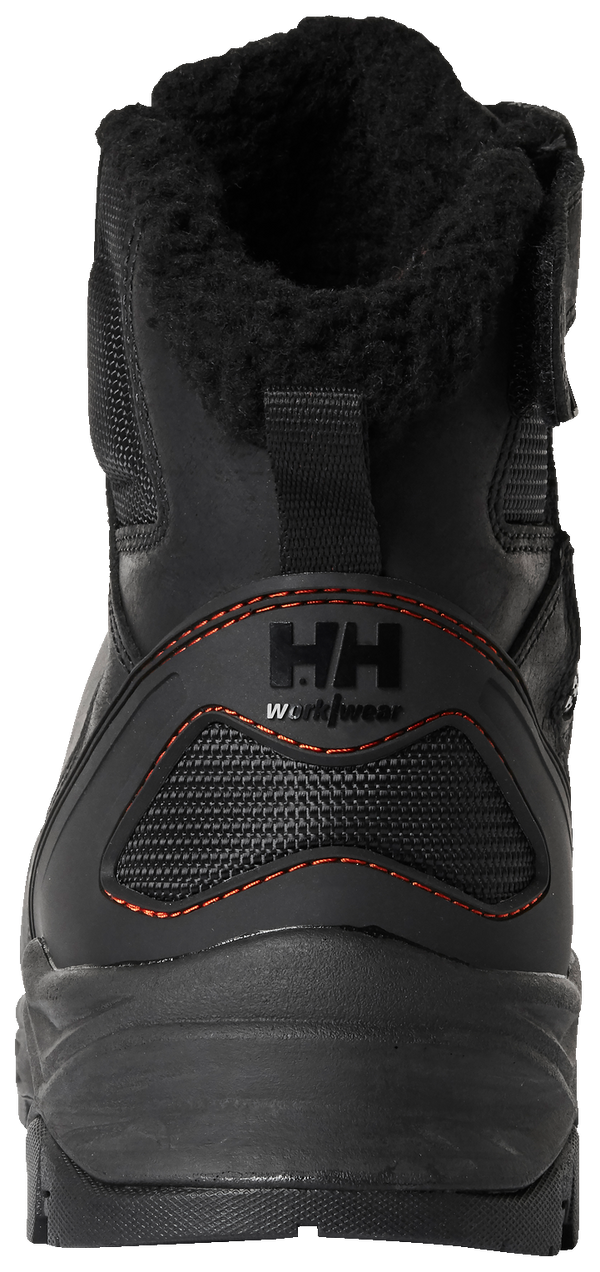
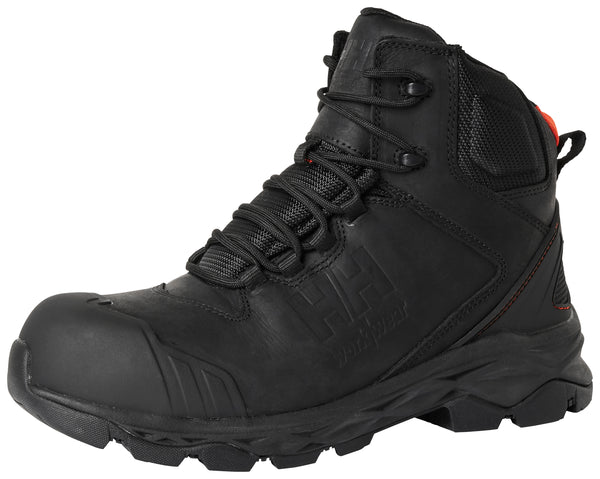
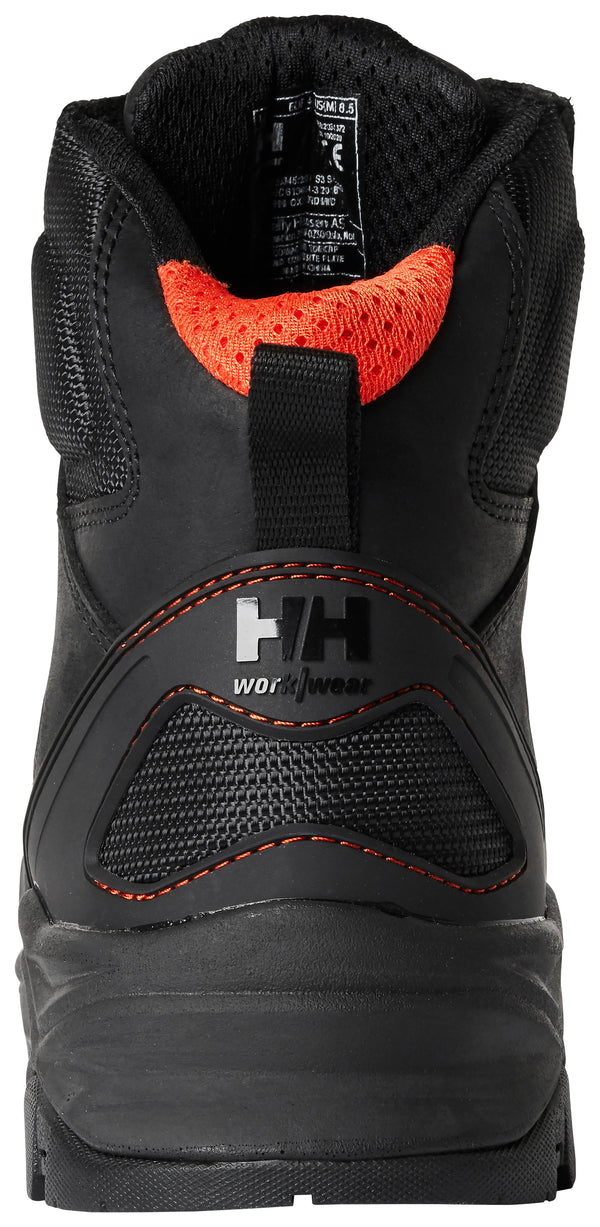
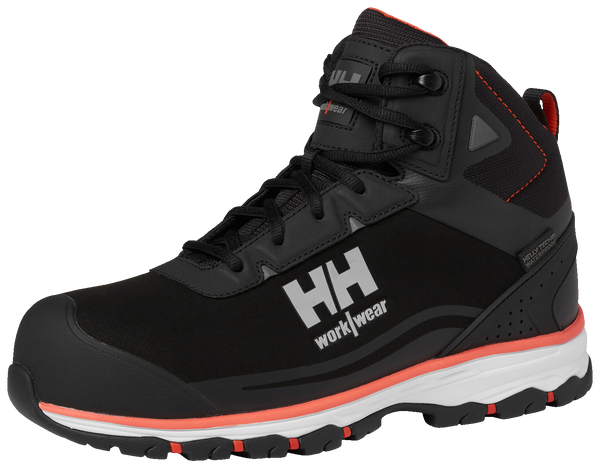
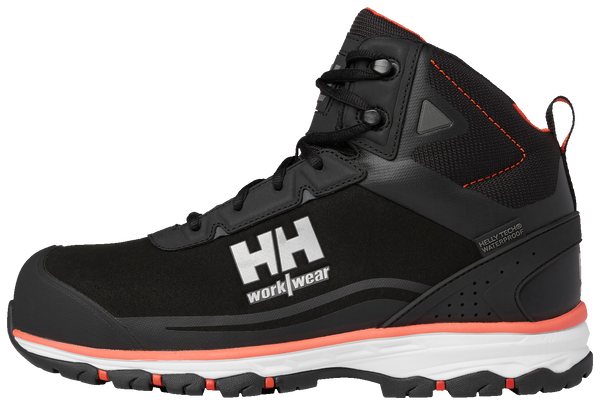
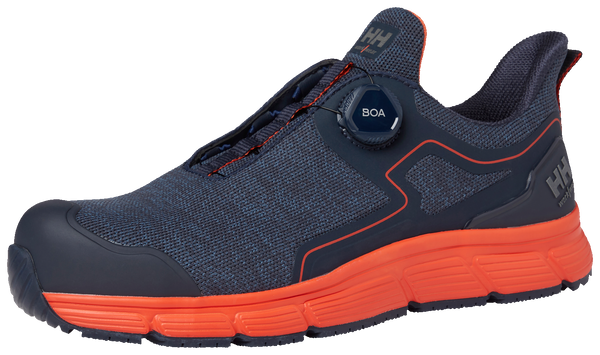
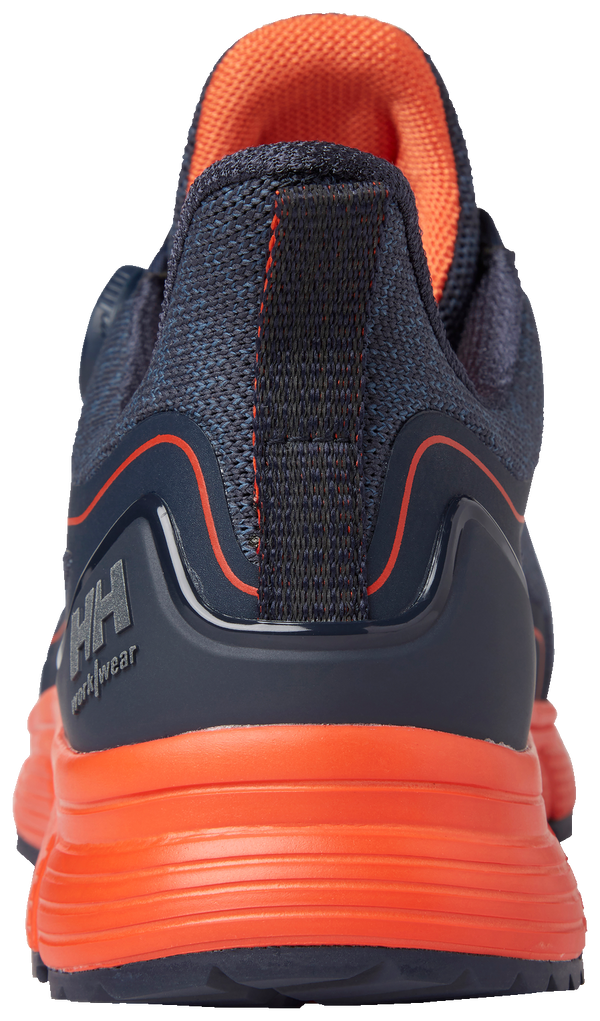
Grounds maintenance includes plenty of jobs that carry straightforward but real risk. Sprayer filling, nozzle checks, tank washout, fertiliser handling, hand tool use, pressure washing, machinery operation and paint mixing all demand sensible protection. Chemical-resistant gloves help reduce skin contact. Eye protection helps prevent splash injuries. Respiratory protective equipment, when correctly selected, can help limit inhalation of dust, mist or vapour in the right situations. Hearing protection matters around noisy machinery and blowers. Safety boots improve grip and foot protection where surfaces are wet, uneven or cluttered.
Professional teams tend to think about PPE in a simple way: match the protection to the hazard and make sure it is comfortable enough to be used properly. That matters because protection that is poorly fitted, unsuitable for the task or awkward to wear soon gets ignored. In practice, the best personal protective equipment is the kit that staff will actually use consistently through the season. Fit, durability, visibility, breathability and ease of cleaning all matter on real sites, especially where the weather changes quickly and jobs overlap.
It also makes sense to view PPE as part of integrated turf management. A spraying job does not begin at the nozzle; it begins with planning, storage, handling and correct protection. The same goes for line marking, workshop tasks and irrigation repairs. Good PPE supports the whole chain of work, from preparation to clean-down, and helps reduce the risk of avoidable incidents.
Choosing personal protective equipment for grounds teams
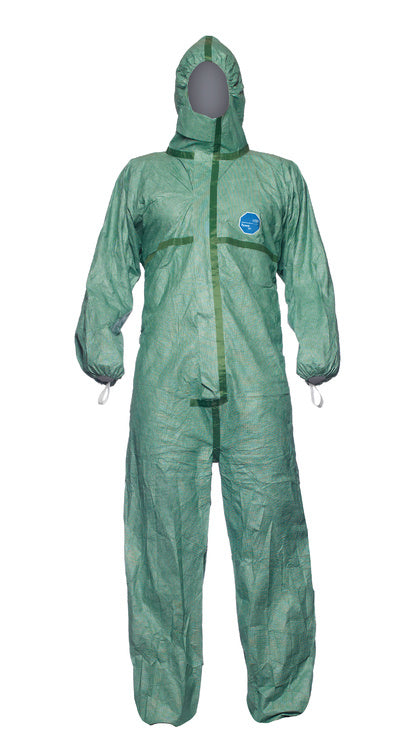
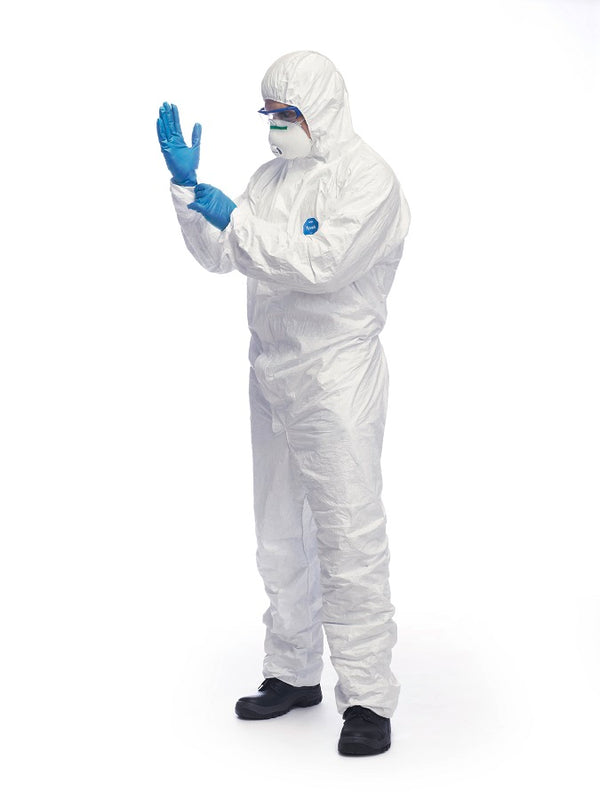
When selecting personal protective equipment, start with the task rather than the product shelf. Different jobs need different levels of protection. A groundsperson handling concentrates or spray solutions may need chemical-resistant gloves, eye protection and coveralls. A team member using powered equipment may need hearing protection, gloves and safety footwear. Wet weather work may call for waterproof garments with good freedom of movement. Dusty operations or product handling may require suitable respiratory protection, subject to the specific risk assessment and product guidance.
Comfort and practicality matter more than many buyers expect. If gloves are too bulky, staff lose feel and dexterity. If goggles mist up, people stop wearing them. If a coverall restricts movement, it becomes a frustration rather than a safeguard. On sports sites, where staff move between shed, store, vehicle and surface all day, PPE has to work in the real world. Durable seams, secure fastenings, sensible sizing and easy-clean materials all make a difference.
Another useful way to think about PPE is to match it to the season and the workload. Summer spraying, warm-weather fertiliser work and irrigation repairs bring different pressures from winter washdown, storm clear-up or wet-weather line marking. Personal protective equipment needs to support safe movement, visibility and comfort across both ends of the calendar. If it cannot handle repeated use in mixed conditions, it will not stay effective for long.
Seasonal use through the grounds calendar
PPE has year-round value because hazards do not disappear when the season changes. In spring and summer, product application, spraying, seed preparation and irrigation work often increase, so gloves, goggles, coveralls and suitable footwear become especially important. Through autumn and winter, wet ground, reduced daylight, machinery use and poor weather make waterproofs, high-visibility wear and slip-resistant boots even more relevant. In quieter periods, teams usually take the chance to inspect, replace and restock equipment so they are ready before workloads ramp up again.
That seasonal approach helps grounds teams stay proactive. Waiting until an item fails is rarely a good plan, especially with gloves, filters, eye protection or worn footwear. Regular checks help keep staff safe and reduce disruption when the schedule is already tight.
How PPE fits into a complete maintenance programme
Good practice on site usually means joining safety and maintenance together. A team may begin with equipment checks, PPE selection and product preparation before moving into spraying, feeding, line marking or repair work. If establishment or recovery is part of the plan, that process may connect with Grass Seed during overseeding or wear recovery. Where surface levels need refining after damage or renovation, Loam and Dressing often becomes part of the same workflow. Clean presentation work may also link naturally with Line Marking Paint, where correct handling, mixing and application all depend on suitable protection.
On many sites, the same safety-first approach carries into moisture management and repair work. Staff dealing with pumps, valves, wet surfaces or maintenance around pipework may also be working alongside Irrigation and Water Management systems, where safe footing and practical waterproof protection matter. If surface performance issues prompt a closer look at the rootzone, one part of the wider decision-making process may involve Soil Testing before further inputs are planned.
This is where professional standards stand out. The strongest teams do not bolt PPE on at the end. They build it into the job from the start: risk assessment, product choice, equipment preparation, handling, application, washdown and storage all linked together. That approach supports compliance, but it also makes the site easier to run. Staff know what is expected, work more confidently and make fewer rushed decisions under pressure.
Recently viewed