
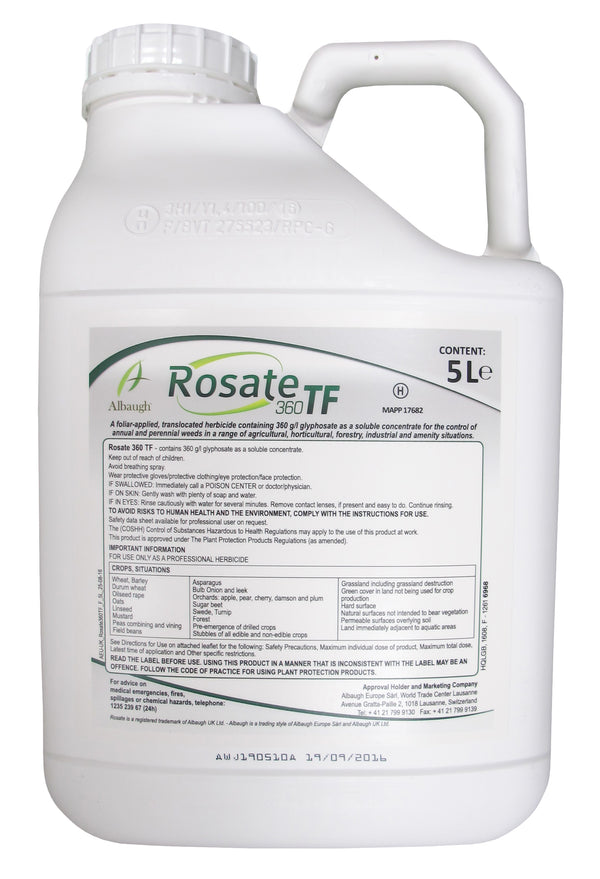


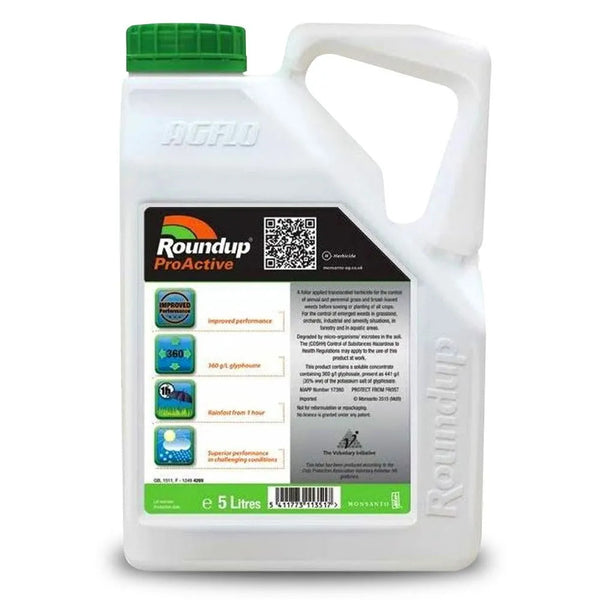
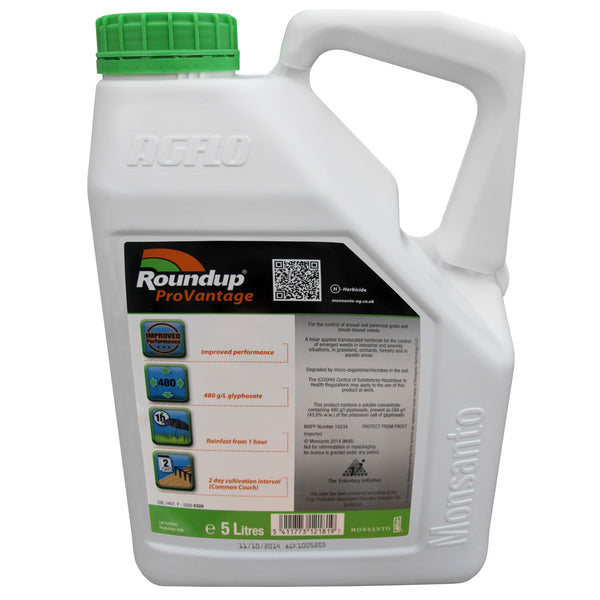


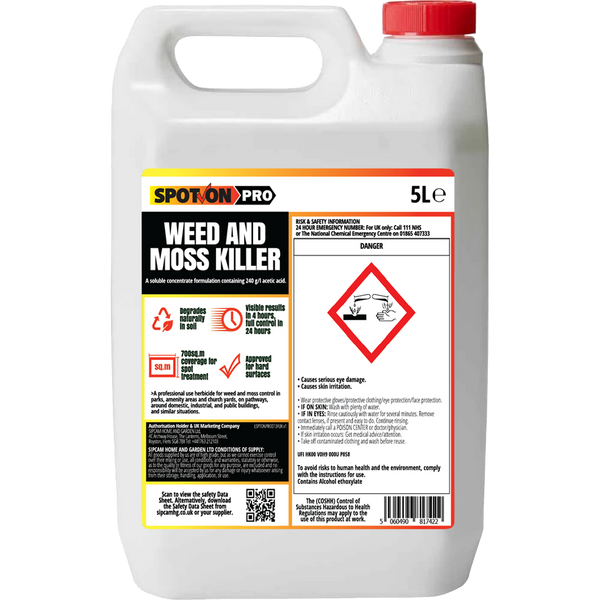
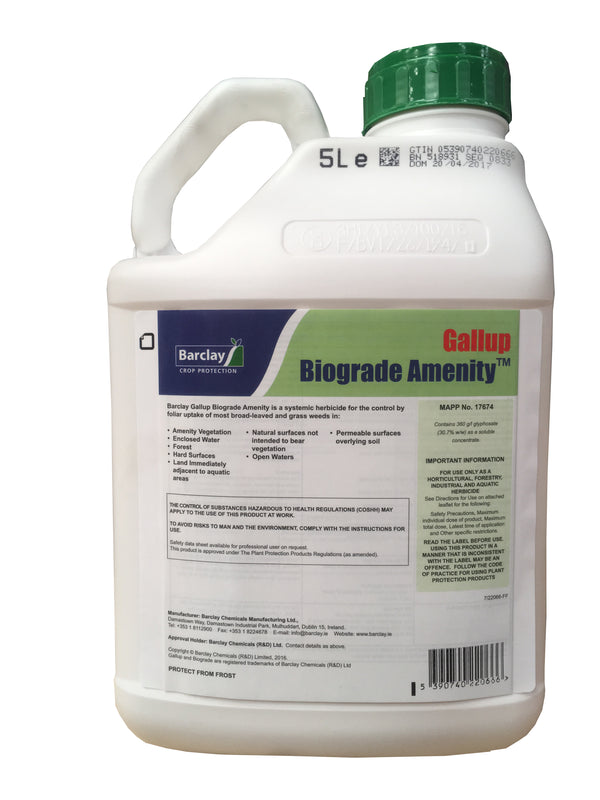


Professional total weed killers for complete vegetation control
Professional total weed killers are used where the goal is complete knockdown rather than selective weed removal. In turfcare and grounds management, that makes them a very different tool from products aimed at broad-leaved weeds in established grass. When you are dealing with fence lines, hard surfaces, gravel paths, kerb edges, storage yards, around goal frames, perimeter areas and non-play zones, total weed control can be the most practical answer. The priority is not to protect the sward; it is to remove unwanted vegetation thoroughly and keep the area clean, safe and manageable. For users comparing wider herbicide options across the site, it also makes sense to browse Weed Killer and Controls and Herbicides.
That distinction matters. A professional total weed killer is designed to control a wide range of green plant growth, including annual weeds, perennial weeds and volunteer grasses. In practice, these products are often chosen for amenity sites, sports facilities, golf maintenance compounds, estates, paddocks and commercial grounds where unmanaged growth can affect presentation quality, access or operational safety. On football, rugby and cricket sites, total herbicides are commonly used away from the playing surface itself: around infrastructure, pathways, gated entrances, spectator routes and the awkward margins where mowing alone is inefficient.
Used correctly, professional total weed killers help save labour, improve site presentation and support a more efficient grounds management programme. They are especially useful where repeated mechanical trimming would be slow, inconsistent or likely to damage surrounding structures. Where spraying forms part of the routine maintenance plan, suitable application kit from Grounds Maintenance Equipment can help improve accuracy and consistency.
How professional total weed killers work in practice
Most professional total weed killers are foliar-applied herbicides. They are taken up through active green leaf tissue and moved through the plant to disrupt normal growth processes. That is why coverage, timing and plant activity are so important. If the target is actively growing and has a healthy leaf area, uptake is usually stronger and results are more consistent. If the target is drought-stressed, heavily dusted, recently cut or otherwise inactive, performance can be slower or less complete.
In practical terms, this means operators need to think beyond simply spraying whatever is visible. Spray quality, water volume, nozzle choice and forward speed all influence coverage. So does weed size. Small annual weeds are usually easier to control than established perennial weeds with stronger root reserves. Where regrowth pressure is high, a follow-up application or a wider site-management plan may still be needed. On dry or uneven sites, moisture management products such as Wetting Agents may also support more consistent surface performance after clearance work has been completed.
For turf professionals, the key technical point is that total herbicides are non-selective. If spray drift reaches desirable grass, ornamental planting or other vegetation, damage is likely. That is why careful application, buffer awareness and sensible weather judgement matter so much on mixed-use sites. Where desirable grass needs protecting and broad-leaved weeds need controlling instead, users may be better served by Concentrated Weed Killer for Lawns rather than a total herbicide.
Where total weed control fits within a grounds management programme
Professional total weed killers have a clear place in integrated turf management, but that place has to be understood properly. They are not products for routine in-turf use on football pitches, cricket outfields, golf fairways or ornamental lawns where the grass cover must be retained. Instead, they support the wider site by keeping non-play areas, access routes and operational margins under control. This improves presentation, reduces trip hazards and makes it easier for the groundsperson to maintain a tidy, professional environment around the main surface.
We see this most clearly on busy sports sites. The pitch itself may be managed intensively for grass health, wear tolerance and recovery, while the surrounding compound, pathways and fence lines need a different approach. If those edge zones are neglected, the whole venue starts to look untidy and routine maintenance becomes harder. Total weed control helps keep those margins clean so the main team can focus time and budget on mowing quality, renovation planning, nutrition and fixture preparation. That broader programme often links back into Turf Fertiliser, particularly where treated margins are being restored or adjacent turf areas need supporting through the season.
There is also a labour-efficiency angle. Repeated strimming around posts, gates, dugout edges and signage can be time-consuming and can throw debris onto nearby surfaces. A well-timed application of professional total weed killers can reduce that repeat workload and produce a neater result. On larger estates and amenity contracts, that efficiency becomes even more valuable across the season.
Professional insight: timing matters more than many users think
One of the most common mistakes with professional total weed killers is applying them when the site calendar says go, rather than when the weeds are actually in a suitable condition to absorb the spray. Grounds teams often work around fixtures, staffing and weather windows, which is understandable, but herbicide performance still depends on plant response. If weeds are actively growing, with enough leaf to intercept the spray and enough moisture to keep the plant functioning, results are usually far better. If you spray stressed growth simply to tick the task off the list, control is often slower and patchier.
That matters on professional and school sports sites alike. We get the best value from total weed control when it is fitted sensibly around site use, but still aligned with real plant activity. Good operators know that herbicide timing is part of the maintenance programme, not a separate shortcut.
Seasonal use of professional total weed killers
Seasonality is important with professional total weed killers because the products rely on active growth. Spring is often a strong starting point for annual weeds and fresh perennial growth, especially on hard surfaces and around compounds that have been left through winter. Early summer remains a key period: uptake is usually reliable, weed growth is strong and treated areas can be cleaned up before the busiest part of the playing season.
Mid-season use is common on sports and amenity sites where appearance standards need to stay high. At this stage, applications are often targeted around access routes, perimeter fencing, car parks and maintenance yards rather than on the main turf areas. Late summer and early autumn can still be very effective, particularly where perennial weeds are drawing resources through the plant. Winter is generally a weaker period for routine use because growth is slower, leaf area is reduced and uptake is less dependable.
In short, the best seasonal results usually come from spraying when the target weeds are actively growing, not merely when they are present. If complete clearance is followed by surface reinstatement, linked products from Lawn Grass Seed and Loam and Dressing can help rebuild worn or bare areas in a more planned way.
Choosing the right product and using it safely
When selecting professional total weed killers, think first about the site, the weed species and the required speed of clean-up. A hard surface with young annual weeds presents a very different challenge from a perimeter edge carrying mature perennial weeds. You should also consider the scale of the area, available spray equipment and whether spot treatment or broader coverage is more appropriate. Knapsack sprayers are useful for detail work; larger pedestrian or mounted systems are better where coverage and efficiency matter over bigger areas.
Safe use is central. Operators need to follow the product label, assess drift risk, avoid desirable vegetation and work within all relevant handling and storage requirements. Control of Substances Hazardous to Health assessments, suitable personal protective equipment and careful filling and washout procedures are all part of professional practice. On public-facing sites, it also pays to consider timing around pedestrian traffic, re-entry and general site communication.
Professional total weed killers are valuable because they solve a specific problem clearly: complete vegetation control in the right place. They are not a replacement for selective turf weed control, and they are not a shortcut for poor site management. Used well, though, they help keep sports venues, estates and amenity areas tidy, accessible and professionally presented. That makes them an important part of the wider grounds management toolkit.
Recently viewed