

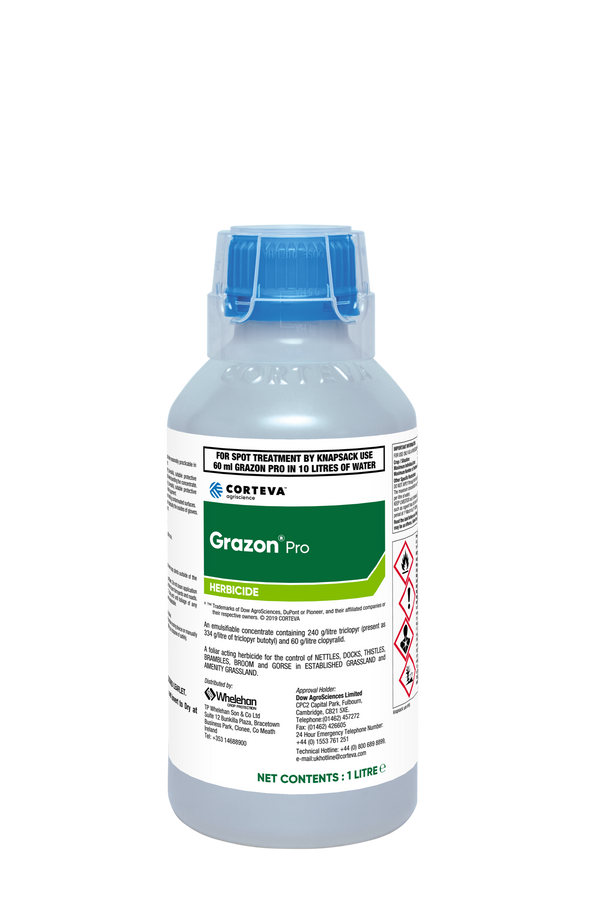

Paddock weed killer for cleaner, more usable grazing areas
Paddock weed killer products are an important part of keeping horse paddocks, pasture margins and grazing areas cleaner, safer and more productive. Unwanted broad-leaved weeds reduce the quality and presentation of the paddock, compete with desirable grasses and can quickly take hold where grazing pressure, poaching or inconsistent maintenance has opened up the sward. In practical terms, effective weed control helps restore balance by reducing invasive species and giving the existing grass a better chance to recover strongly.
For paddock managers, the challenge is rarely just appearance. Weed pressure can affect usability, reduce the proportion of desirable forage species and make routine paddock maintenance harder through the season. That is why paddock weed killer should be viewed as part of a wider land-management programme rather than as a one-off tidy-up. Where users are comparing broader herbicide options, it is also worth exploring Weed Killer & Controls and Weed Killer for related solutions across different surfaces and treatment objectives.
Why paddock weed control needs a targeted approach
Paddocks are very different from ornamental lawns or non-crop hard surfaces. The aim is not complete vegetation removal, but selective control of problem weeds while retaining and improving the grass cover that supports grazing and long-term paddock condition. That is why a selective approach is often central to successful paddock management. Where broad-leaved weeds are the issue within an established grass sward, related options from Professional Selective Turf Weed Killer can help users compare products designed to remove weeds without stripping out the entire grass surface.
Good weed control in paddocks also depends on identifying the real cause of weed ingress. Thin grass, nutrient deficiency, overgrazing, compaction and poor recovery all create the space that weeds exploit. Remove the weed without improving the sward, and the same problem often returns. Treat the weed and then strengthen the paddock, and the result is usually far more durable.
How paddock weed killer fits into wider paddock management
The best results come when paddock weed killer is linked to grass recovery, soil support and a sensible maintenance plan. Once weed competition is reduced, the paddock needs enough nutrition and grass cover to reclaim the space. That is where Paddock Fertiliser fits naturally into the programme, helping support stronger grass growth and improved sward performance after treatment. If the paddock is thin or worn, overseeding with products from Paddock Grass Seed can also help rebuild density and reduce the opportunity for reinfestation.
This joined-up approach is what makes paddock weed control far more effective over the long term. Rather than simply chasing visible weeds every season, you improve the competitiveness of the grass so the paddock becomes naturally more resilient. That has practical value for horse owners, estate managers and contractors alike, especially where paddocks have to cope with repeated grazing, wet conditions and seasonal wear.
Timing and application still make the difference
Like any herbicide programme, paddock weed killer performs best when the target weeds are actively growing and able to take in the spray. Good coverage, the right water volume and accurate application all matter. On larger paddocks or where multiple enclosures need treating efficiently, suitable sprayers and accessories from Equipment can help improve consistency and make the job more manageable.
Timing should always support both the herbicide and the paddock itself. Treat too early in poor growing conditions, and results can be disappointing. Treat without a plan for follow-up grass recovery, and the paddock may remain open and vulnerable. The aim is to reduce the weed burden, then help the sward fill back into the space with stronger, healthier grass.
Long-term paddock improvement, not just short-term weed removal
The real value of paddock weed killer lies in what happens after treatment. Cleaner paddocks are easier to manage, better to present and more capable of supporting useful grass cover, but only if the wider programme backs that improvement up. That means thinking about weed control alongside nutrition, overseeding and overall paddock condition rather than treating it as a separate task.
Used thoughtfully, paddock weed killer helps restore control where weeds are reducing grass quality and paddock performance. Combined with the right follow-up support from Paddock Fertiliser, strengthening work through Paddock Grass Seed, and careful product selection from related ranges such as Weed Killer & Controls, it becomes part of a much stronger paddock-management strategy.
Recently viewed