



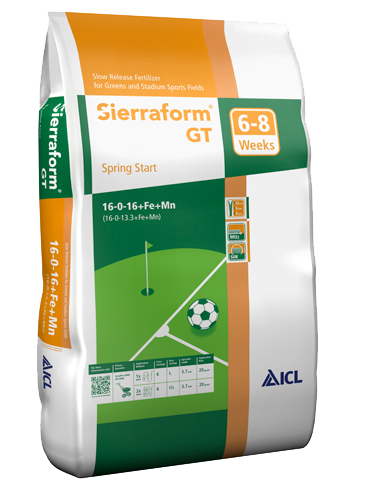

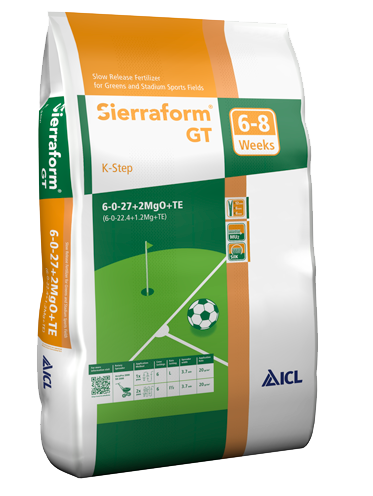
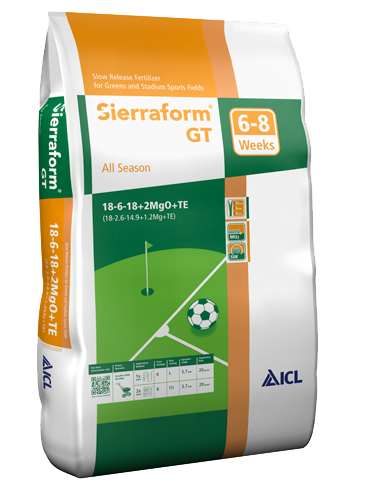
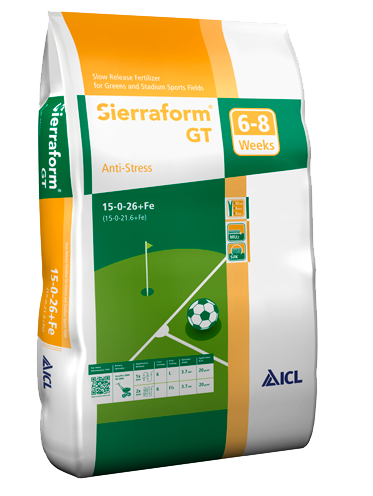
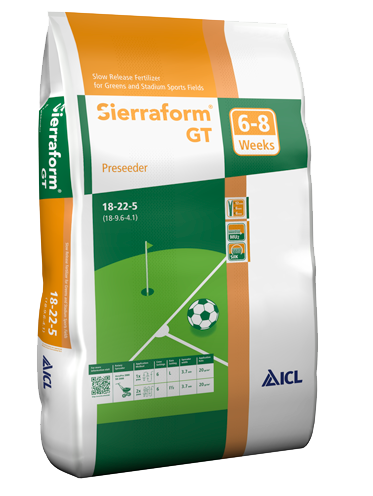



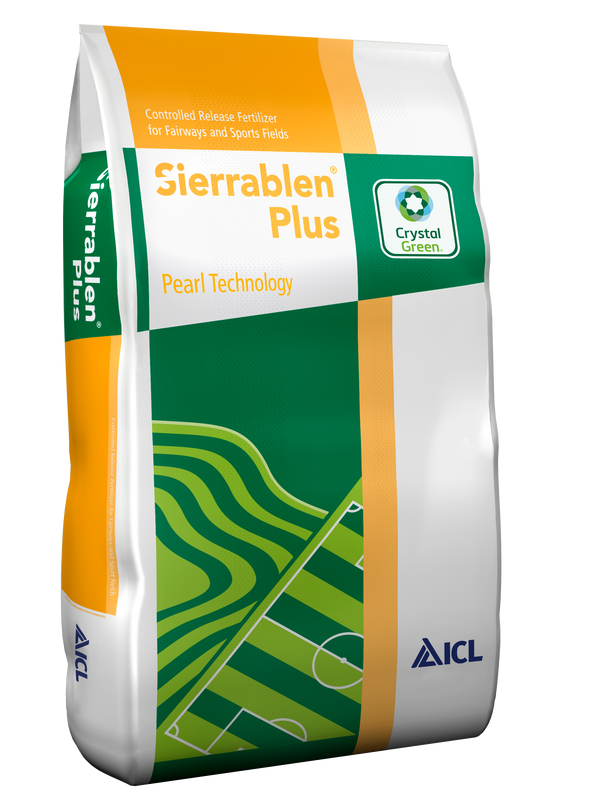
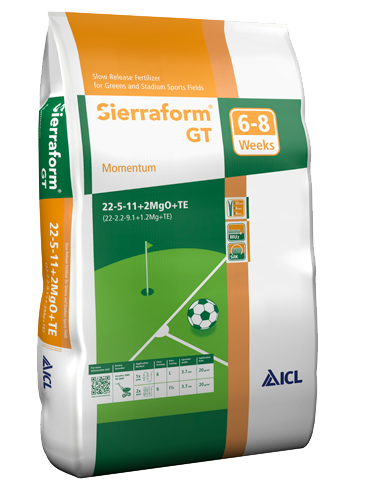

Slow release fertiliser for consistent turf performance
Slow Release Fertiliser is a key part of modern sports turf nutrition. When you are managing football, rugby, cricket or golf surfaces, steady growth nearly always beats a big flush. A well-chosen slow release fertiliser gives the plant access to nitrogen, phosphate and potassium over a longer period; that helps maintain colour, density and recovery without pushing soft, weak growth.
For busy grounds teams, that matters. You want reliable grass health, strong wear tolerance and presentation quality that lasts between fixtures. Slow release turf fertiliser is designed to release nutrients in a measured way, often through coated granules, controlled nutrient release technology or methylene urea sources. The result is a more even response across the sward, less surge growth and better control of clipping yield.
This makes slow release fertiliser especially useful on high-use ryegrass surfaces where recovery speed and plant strength need to stay in balance. It also suits fine turf where a tidy, consistent finish is the goal. Compared with quick-hit feeds, a long lasting turf fertiliser can help reduce nutrient losses through leaching and make fertiliser inputs easier to plan across the season.
Why release pattern matters
Not every turf surface needs the same feeding pattern. Some areas benefit from fast colour and response, while others need longevity. That is why many turf managers use Slow Release Fertiliser alongside Granular Turf Fertiliser and Liquid Turf Fertiliser in the same grounds management programme. Granular options are often chosen for base feeding and sustained nutrition; liquids are useful where you need a quicker correction or tight in-season control.
From a practical point of view, the best controlled release fertiliser is the one that matches your surface, usage level and growth target. On stadium and training pitches, the aim is usually steady shoot growth, good rooting and stronger recovery after play. On outfields and amenity areas, the same professional turf fertiliser approach can support uniformity with fewer peaks and troughs in growth.
How professionals use slow release fertiliser in turf programmes
In real terms, slow release fertiliser sits at the heart of integrated turf management. It is not just about feeding grass; it is about controlling plant response. Too much available nitrogen at once can produce soft leaf, extra mowing and greater stress when weather shifts. A controlled nutrient release fertiliser helps you manage growth more sensibly, which supports surface stability and day-to-day maintenance efficiency.
We often see this approach used after renovation, during establishment phases and through the main playing season. Following aeration, overseeding or topdressing, a slow nitrogen fertiliser can support establishment without creating a surge that outpaces root development. Where surfaces are under fixture pressure, that balance becomes even more important.
Choice should always start with the profile and the plant. Soil texture, root depth, moisture availability and expected wear all influence product selection. That is why Soil Testing is so valuable. It gives you a clearer picture of pH, nutrient status and soil nutrient balance before you commit to an NPK fertiliser plan.
Moisture management also affects performance. Even the best coated fertiliser needs enough moisture and temperature to release nutrients as intended. On free-draining rootzones or drought-prone areas, pairing nutrition with Wetting Agents can help create a more consistent rootzone environment and a more predictable turf response.
Seasonal use through the year
Spring is often the point where slow release fertiliser comes into its own. Soil temperatures rise, recovery starts to build and surfaces need measured support rather than a wild flush. In summer, a slow release turf fertiliser can maintain colour and density with less growth volatility, which is useful around close-season prep, pre-season training and intense fixture blocks. In autumn, it can help hold performance and recovery as temperatures begin to fall, especially where a balanced NPK and sensible nitrogen input are required. Winter use is usually more selective; release slows in colder conditions, so product choice and timing need to reflect soil temperature and expected plant activity.
Choosing the right product for your surface
When comparing Slow Release Fertiliser products, look at three things first: nutrient analysis, release longevity and intended area of use. A higher nitrogen analysis may suit high-wear football and rugby surfaces chasing recovery and density. A more balanced formulation may be better where root strength, plant resilience and steady presentation are the priority. Fine turf managers may also want lower growth pressure with a cleaner visual finish.
Application method matters as well. Most slow release turf fertiliser products are granular, so spreader choice and calibration are important. Even coverage affects both turf response and presentation. Using the correct Seed & Fertiliser Spreaders helps maintain accuracy across the full width of the pass and reduces striping, patchiness and wasted product.
It also pays to think about what comes next in the maintenance cycle. On winter games pitches, nutrition often works alongside overseeding, repair work and presentation tasks. After feeding, many grounds teams will support recovery with Football Pitch Grass Seed in worn goalmouths and centre corridors, then restore levels and surface refinement with Top Dressing as part of surface renovation. On match and training venues, that joined-up thinking is what turns fertiliser spend into stronger recovery and better consistency.
Pitchcare is here for that full programme view. Whether you need a granular sports turf fertiliser for long-term feeding, a controlled release fertiliser for steadier growth, or support products that improve rooting, moisture retention and recovery, Slow Release Fertiliser remains one of the smartest ways to build dependable turf performance through the season.
Recently viewed