





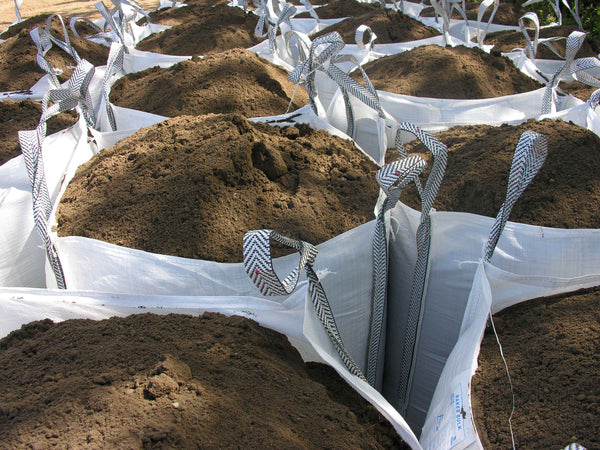


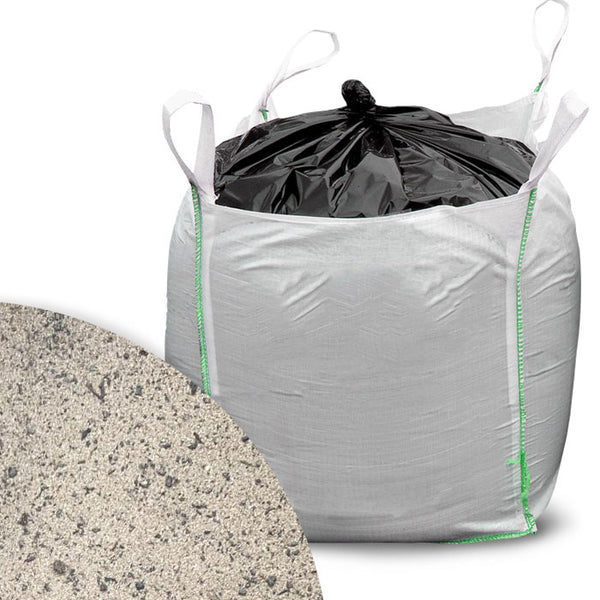
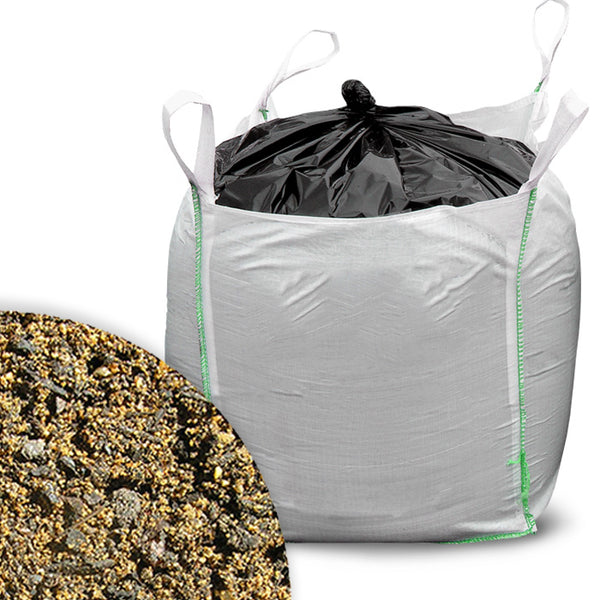
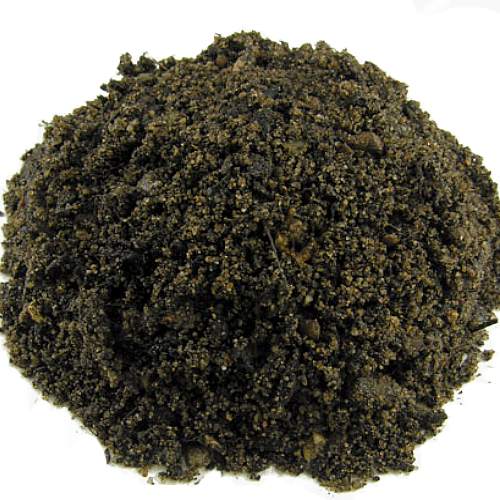
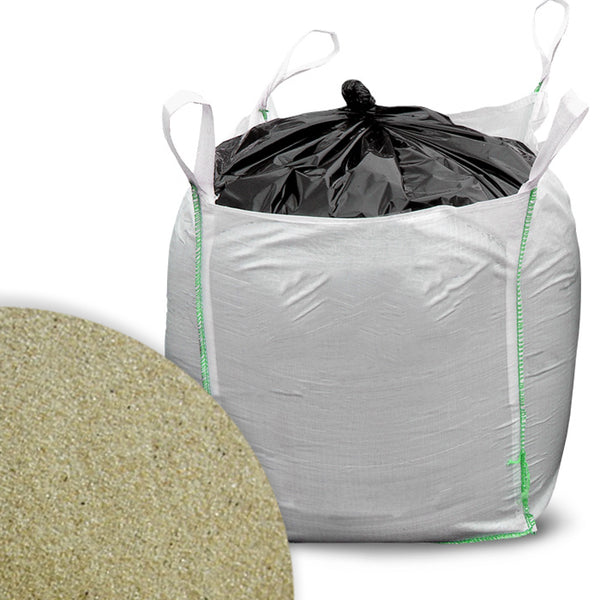
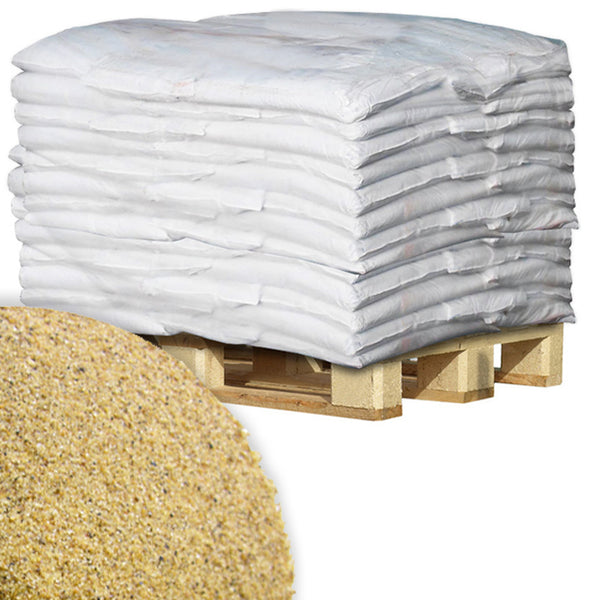

Loam and dressing for stronger, truer sports surfaces
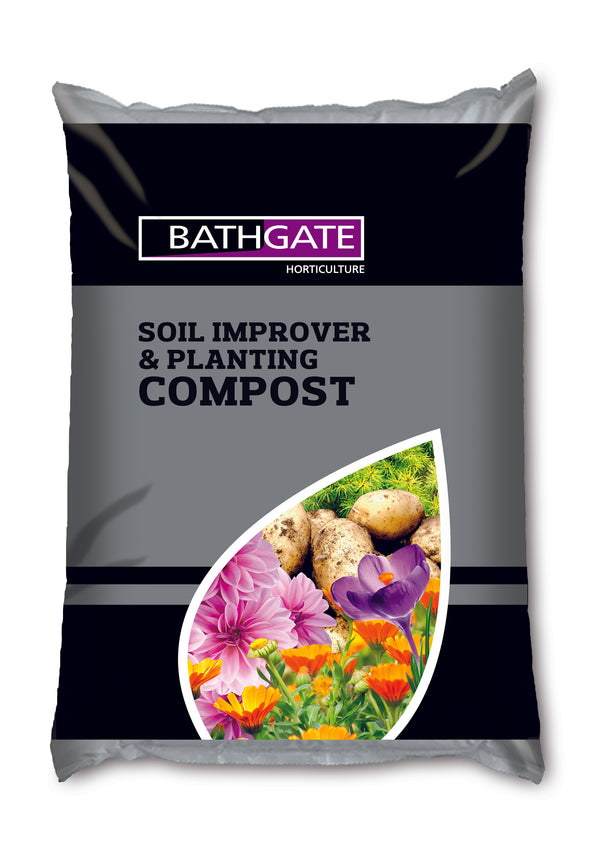
Loam and dressing products do a big job in turfcare. They help us refine levels, protect surface performance and support healthy grass from the rootzone up. Whether you are maintaining a cricket square, a winter sports pitch, a golf tee or a high-wear lawn, the right loam dressing helps keep the surface firmer, smoother and more consistent through the season. Pitchcare groups this area under Loam & Dressing, with related sub-categories including Cricket Loam, Top Dressing, Rootzone, Sand and Soils.
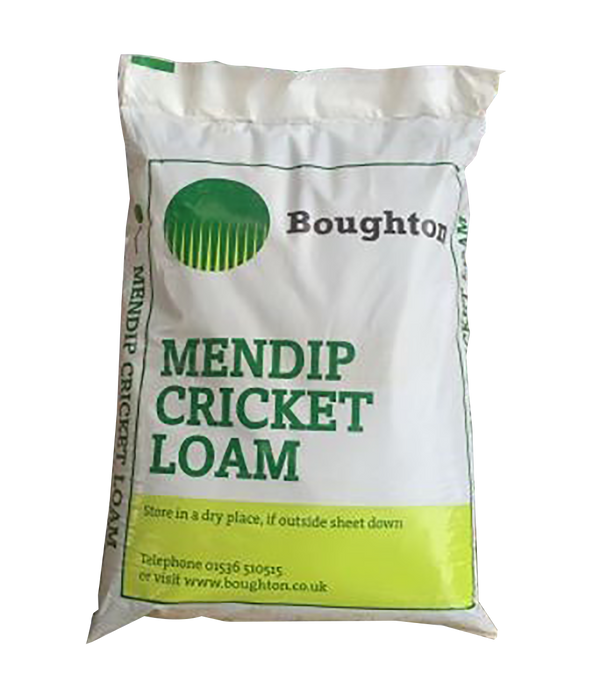
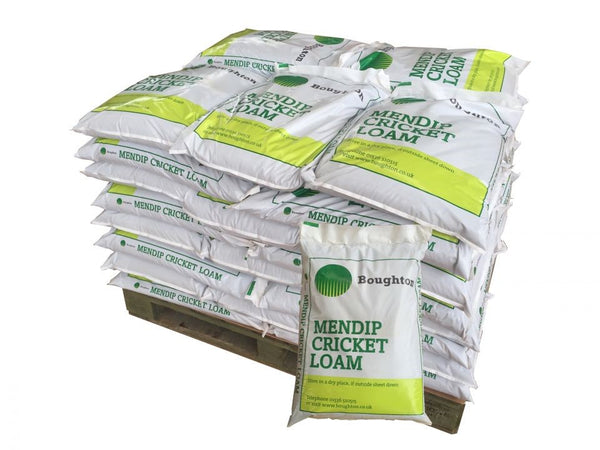
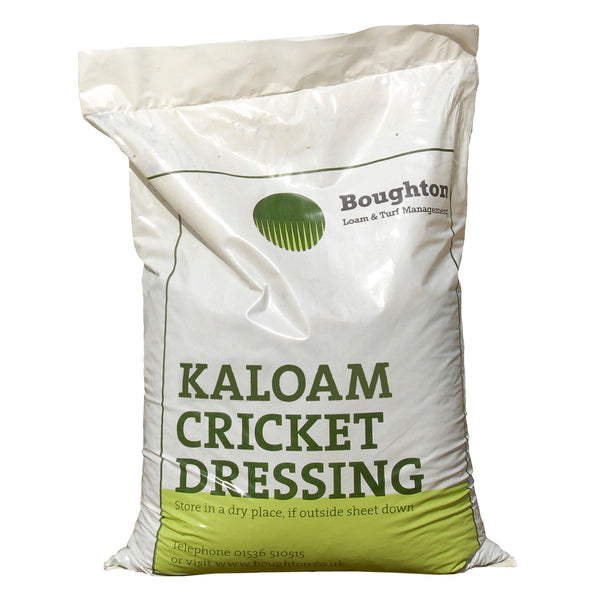
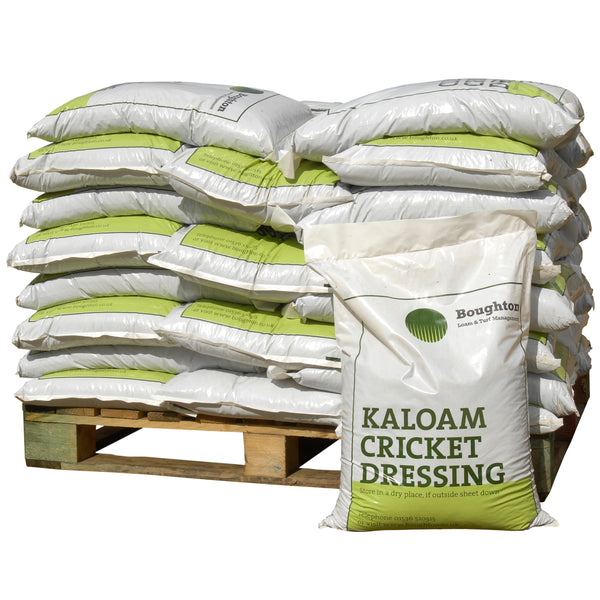
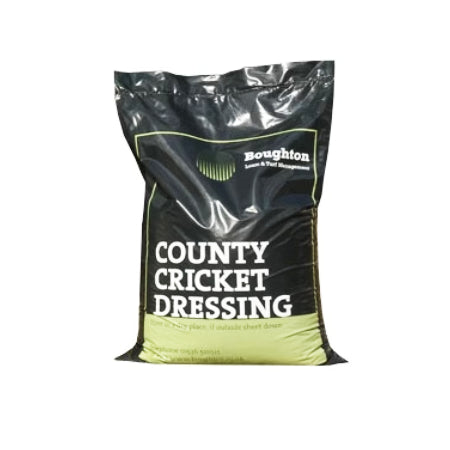
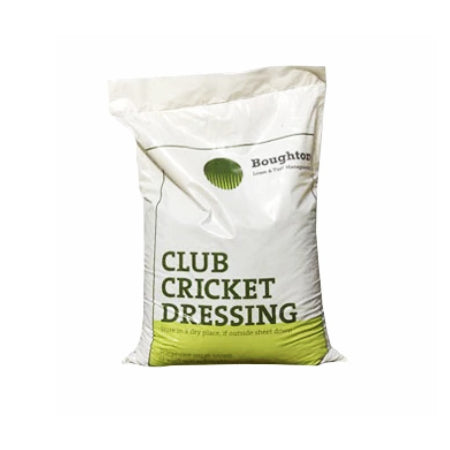
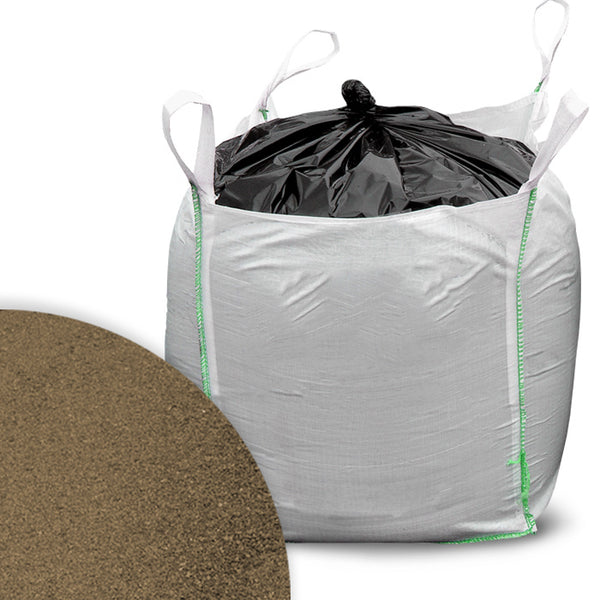
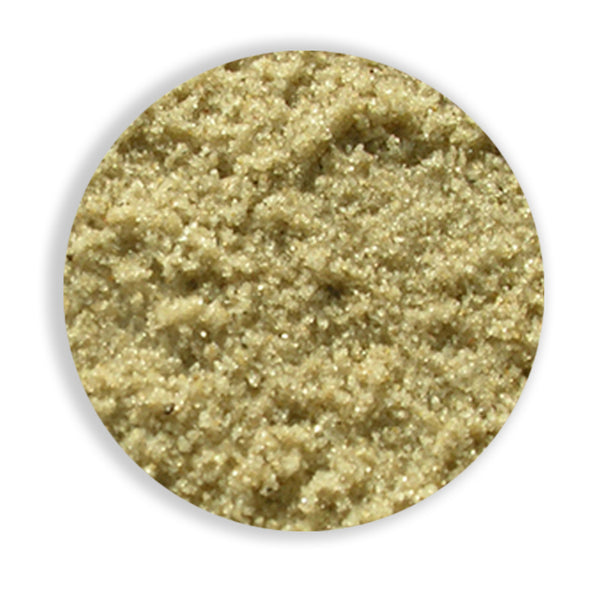
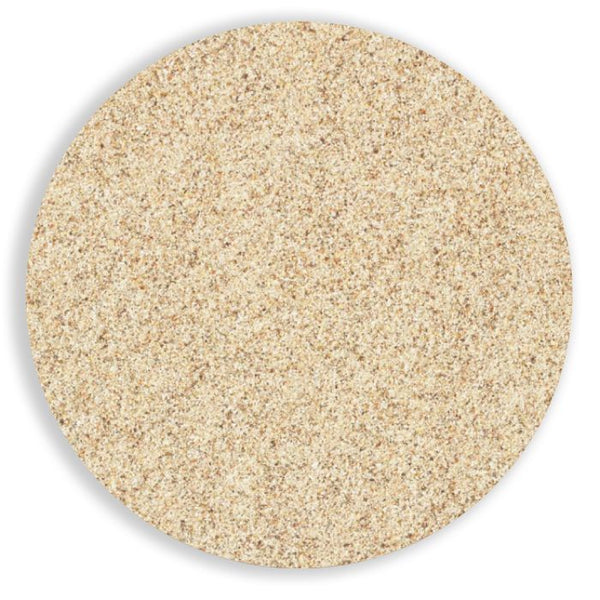
In simple terms, loam is a balanced soil material, usually with a useful blend of sand, silt and clay. Dressing materials are then selected to suit the job in hand. A cricket loam is chosen for binding strength, consolidation and pace on the square. A lighter top dressing may be preferred where you want to smooth the surface, dilute thatch or fine-tune levels without overloading the profile. Rootzone blends and sand-based dressings are used where drainage, porosity and surface stability matter most. That makes loam dressing a key part of integrated turf management across football, rugby, cricket, golf and professional lawn care.
Choosing the right material
Selection starts with the surface and the objective. For cricket, clay content, shrink-swell behaviour, particle size distribution and compatibility with your existing profile all matter. On outfields, winter sports pitches and lawns, top dressing is often used to improve presentation, maintain levels and support recovery after wear. On sand-dominant areas, matching a dressing to the existing rootzone is vital, as layering can slow water movement and create soft, inconsistent surfaces. Organic matter also needs watching; the wrong material can lock in problems rather than solve them.
Professionals will usually look at texture, moisture retention, firmness, pH, nutrient holding capacity and how easily a product can be spread and brushed in. Screened topsoil may suit landscape or lawn projects; specialist sports top dressing is better where play quality matters. That is why the best results rarely come from buying on price alone. The smarter choice is the material that matches your soil profile, sport and maintenance aim.
How loam and top dressing fit into a maintenance programme
A good grounds management programme joins products together rather than treating them as stand-alone fixes. After aeration or surface preparation with Machinery and Grounds Management Tools, many teams will overseed with Grass Seed, apply support products from Plant & Soil Health and then use loam dressing or Top Dressing to protect seed, improve seed-to-soil contact and refine the finish. On established sports turf, dressing also works alongside Sand and Rootzone to manage levels and surface structure, while Line Marking comes in once the surface is stable and ready for play. Irrigation then helps settle the profile and support recovery, especially during renovation windows or dry spells.
This joined-up approach is where professional insight really matters. Dressing is not only about making a pitch look tidy. It is about managing the soil profile over time: diluting organic matter, supporting infiltration, keeping the surface true and helping the grass plant cope with wear. On cricket squares, compatible Cricket Loam is central to ends repairs, pre-season prep and ongoing presentation. On football and rugby, a suitable sports top dressing can help maintain evenness after divoting, localised repairs and end-of-season renovation. For serious domestic lawns, the same logic applies on a smaller scale; the aim is still a level, healthy and well-rooted sward.
Application and practical use
Application method depends on volume and timing. Smaller areas may be dressed by hand, lute or dragmat. Larger sites often use pedestrian or tractor-mounted spreaders. The key is even distribution. Heavy piles can smother the leaf, slow recovery and create soft patches. Light, repeated applications are often easier to manage than one overly heavy pass. Brushing or matting the material in helps it settle around the plant and into minor surface undulations.
Compatibility is the watchword. A clay cricket square needs a dressing that matches the square. A sand-based rootzone needs a compatible sports dressing. A lawn repair area may need a finer lawn top dressing or screened soil to create a clean seedbed. When in doubt, start with the existing profile and work from there. That keeps infiltration more consistent and reduces the risk of capping, layering or poor rooting.
Seasonal use across sport and lawn care
Season matters with loam and dressing, because the material has to fit the work window. In spring, dressings are often used after winter damage, light renovation and early overseeding, especially where levels have moved or surface wear needs tidying. In summer, cricket work comes to the fore; cricket loam is widely used for ends repairs, square preparation and maintaining a dense, firm playing surface. Early autumn is one of the busiest periods for top dressing on football, rugby and golf areas, as renovation programmes combine aeration, seeding and nutrition. Winter use is usually more selective, with lighter local repairs and careful timing around wet conditions to avoid smearing or compaction.
That seasonal pattern also influences product choice. A free-draining dressing may suit autumn renovation on winter sports pitches. A binding loam is more relevant during the cricket season. A lighter lawn top dressing can help domestic and ornamental lawns recover after scarifying and overseeding. The principle stays the same: use the right material at the right time for the right surface.
What to look for before you buy
Start with surface type, sport and profile match. Then look at texture, clay or sand content, moisture behaviour, screening quality and intended use. Ask whether the product is for levelling, thatch dilution, square preparation, rootzone amendment or general lawn dressing. Consider how it will be applied and whether you have the labour and equipment to spread it evenly. For sports turf, consistency from batch to batch is important too, especially on cricket squares and high-visibility match surfaces.
Pitchcare is set up around those practical decisions. The wider navigation brings together Loam & Dressing with Cricket Loam, Top Dressing, Rootzone, Sand, Grass Seed, Plant & Soil Health, Line Marking, Equipment and Irrigation, so you can build a full maintenance plan instead of shopping each task in isolation.
Used well, loam dressing is one of the most valuable tools in turf management. It helps create smoother levels, a better playing finish and a healthier profile for roots. From square prep to autumn renovation and lawn recovery, the right dressing choice supports performance where it counts: on the surface, in the soil and across the full grounds maintenance programme.
Recently viewed