






Wetting agents for consistent soil moisture and stronger turf performance
Wetting agents are one of the most useful tools in modern turfcare. When water starts to bead on the surface, run off, or sit unevenly in the profile, a good soil wetting agent helps bring things back under control. On sports turf, that matters. Football, rugby, cricket and golf surfaces all rely on even moisture through the rootzone to support grass health, recovery and presentation.
A professional wetting agent works by reducing the surface tension of water so it can move into the soil more effectively. In simple terms, it helps water spread and soak in where you need it. That makes wetting agents especially valuable on hydrophobic soils, localised dry patch, sandy rootzones and areas with heavy thatch build-up. A quality turf wetting agent can improve water infiltration, support moisture retention and help create a more even playing surface through the growing season.
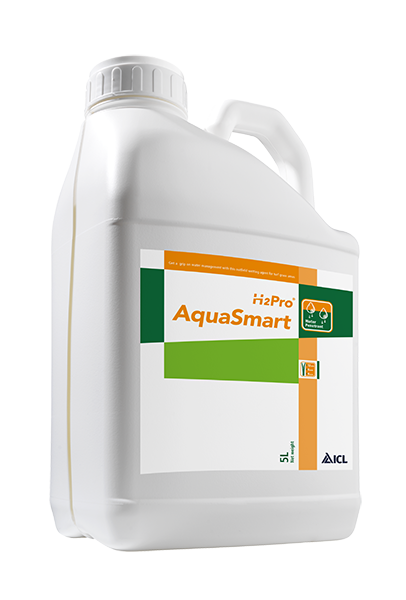
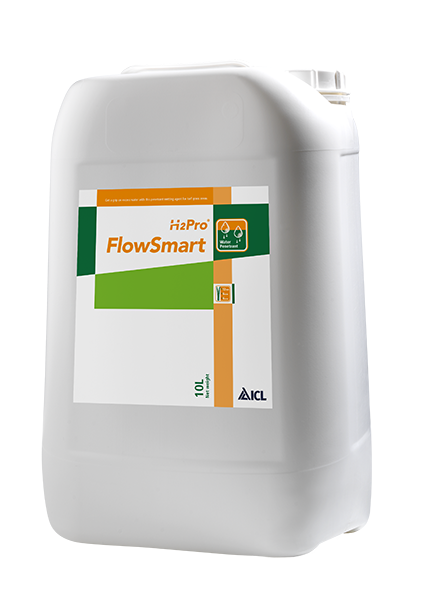
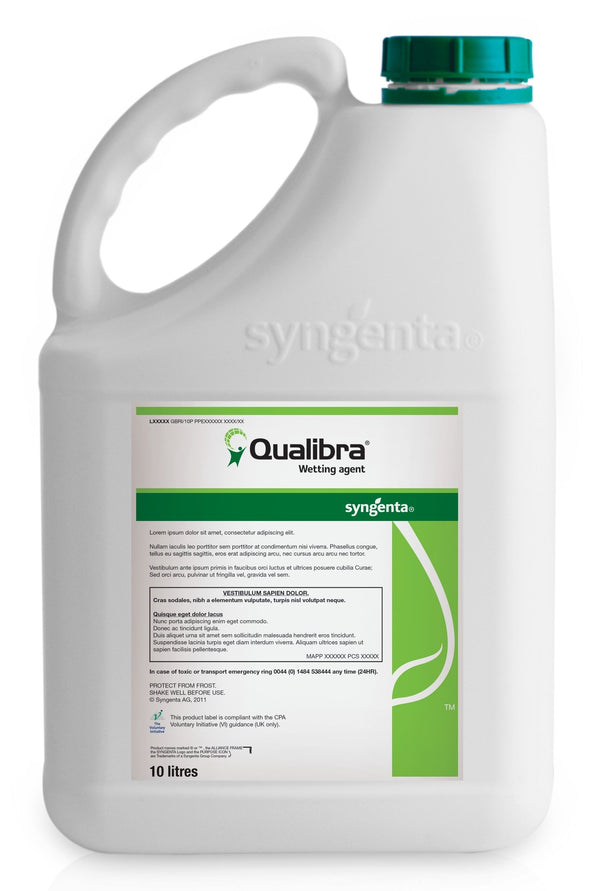
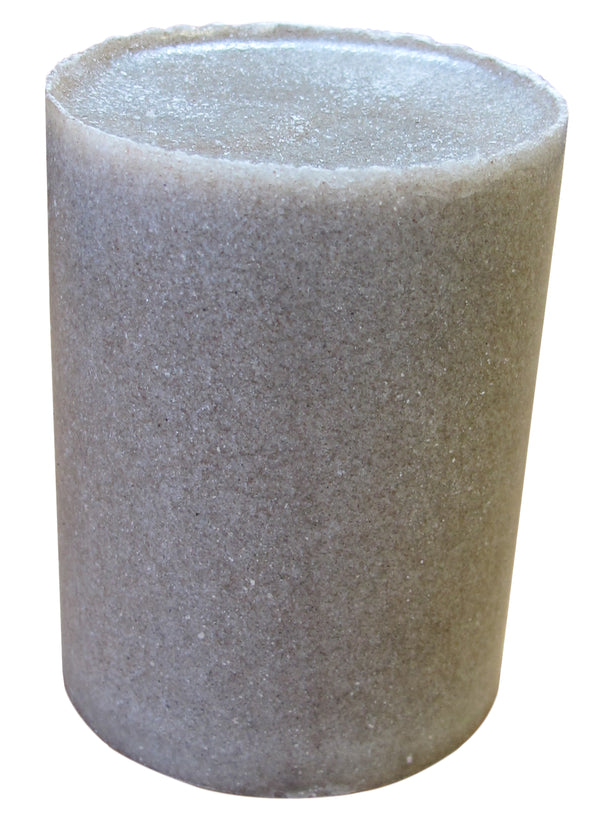
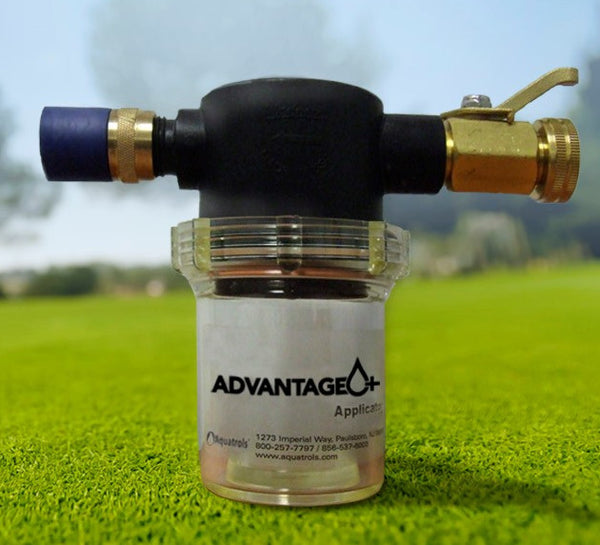
At Pitchcare, this category includes liquid, granular, tablet and pellet options, plus applicators for targeted treatment. That gives you flexibility across fine turf, sports pitches, ornamental lawns and high-wear amenity areas. Some products are designed as penetrants to move water down the profile quickly; others act more as retainers, helping hold moisture around the soil particle for longer. In practice, many groundspersons use a programme that balances both effects according to soil type, weather and usage.
How a soil wetting agent helps with dry patch and water movement
Dry patch is one of the biggest reasons turf managers turn to wetting agents. Once parts of the profile become water repellent, irrigation and rainfall can miss the target completely. That leaves you with stressed turf, shallow rooting and inconsistent surface performance. A soil wetting agent helps break that cycle by improving water penetration into the profile and encouraging more even lateral movement through the rootzone.
This is not just about appearance. Uneven moisture can affect ball roll, foot stability, wear tolerance and recovery after play. On a cricket outfield or golf fairway, dry areas can lead to patchy growth and poor visual consistency. On a football or rugby pitch, they can contribute to hard ground in one area and softer footing in another. A lawn wetting agent can also make a real difference on domestic turf, especially where lightweight soils dry quickly or irrigation is limited, but the main value remains in professional grounds management.
From a technical point of view, many wetting agents use surfactant chemistry to help water interact better with soil and organic matter. The right formulation, application rate and carrier volume all matter. So does timing. Applying a turf wetting product after the surface has already become severely hydrophobic can still help, but the best results often come from a planned programme rather than a last-minute rescue treatment.
Choosing the right wetting agent for your surface
Not every wetting agent does the same job. Liquid products are popular where you want quick and even coverage through a sprayer. Granular options can suit scheduled applications and may fit neatly alongside wider nutrition work. Tablets and pellets are useful where you want targeted placement, simple dosing or treatment of defined areas. The best choice depends on your equipment, labour, irrigation set-up and the type of moisture problem you are trying to solve.
If you are dealing with severe dry patch on a sand-based pitch or golf surface, a penetrant-style wetting agent may be the right starting point. If the aim is to hold moisture more evenly through a dry spell, a longer-lasting moisture management product may be more suitable. It is also worth thinking about root depth, thatch levels, compaction and water quality. Wetting agents support the movement of water, but they cannot fix every underlying problem on their own.
That is why experienced turf managers look at the full profile. Aeration, organic matter control and sensible irrigation scheduling all influence how well a wetting agent performs. Where infiltration is poor because of compaction, products from the Machinery and Tools & Equipment ranges may need to come into the picture. Where thatch is excessive, wetting agents work best as part of a broader integrated turf management approach rather than a stand-alone fix.
Seasonal use through the turfcare year
Wetting agents are most commonly used from spring into summer, when soil temperatures rise and the risk of dry patch increases. Early programme applications can help maintain uniform moisture before stress develops. In mid-season, they are often used to support irrigation efficiency, reduce localised dry areas and keep surfaces more consistent around fixtures and heavy use. In late summer and early autumn, wetting agents can still play a role where warm soils, wind and wear continue to pull moisture out of the profile. Winter use is usually more limited, but some sites still use them where water movement remains uneven or where profile performance needs close management.
How wetting agents fit into a complete grounds maintenance programme
In the real world, wetting agents sit alongside several other jobs. A typical grounds management programme might start with building soil strength through the right Fertiliser, supporting root activity with Plant & Soil Health products and maintaining seed vigour with the correct Grass Seed for your sport and surface. From there, a wetting agent helps manage moisture movement, while Irrigation keeps the profile charged when rainfall is short. During the season, Line Marking keeps presentation sharp; after wear or renovation, Loam & Dressing helps restore levels and surface quality.
That joined-up thinking is where the best results usually come from. If you are overseeding after stress, improved moisture uniformity can help establishment. If you are feeding for recovery, even soil moisture can help the plant make better use of the programme. If disease pressure builds in warm, humid conditions, managing the moisture pattern around the crown and thatch layer can also support more sensible decision-making alongside Turf Disease Control. Wetting agents are not a cure-all; they are a smart part of the bigger plan.
Professional advice for better results
Good application practice makes a big difference. Always check the label for rate, water volume and interval; use clean, well-calibrated spray equipment or the correct applicator system for tablets and pellets. Follow any guidance on irrigation after application, because many products need watering in to get them working through the soil profile. On professional sites, it is also sensible to record treatments, review moisture patterns and tie decisions back to site history, weather and play demands.
Pitchcare is well set up for that practical approach. Whether you are managing a stadium pitch, school sports ground, golf area, paddock or high-end lawn, this collection gives you access to wetting agents that support better water use, steadier turf quality and more consistent performance. Used properly, they help you get more from rainfall, more from irrigation and more from the profile you have to work with.
Recently viewed