
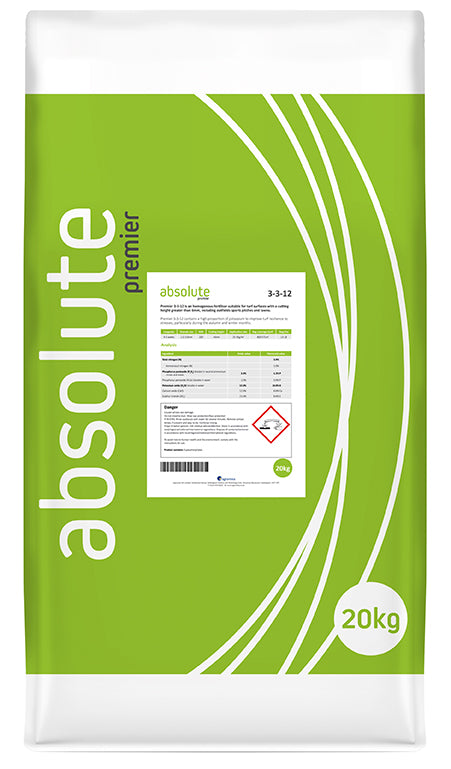
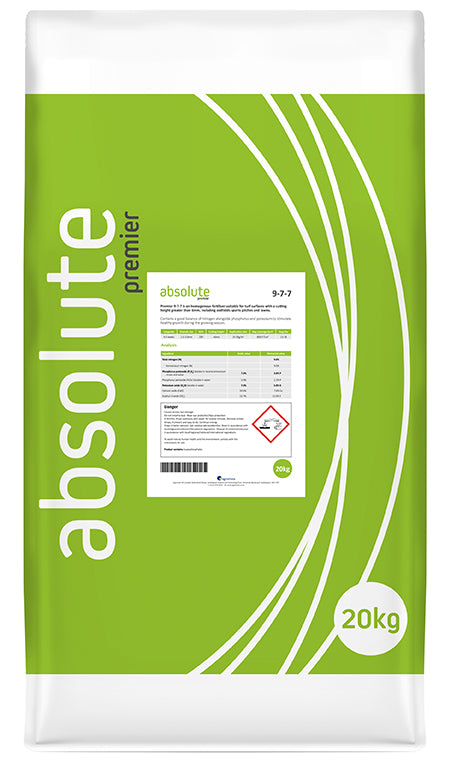

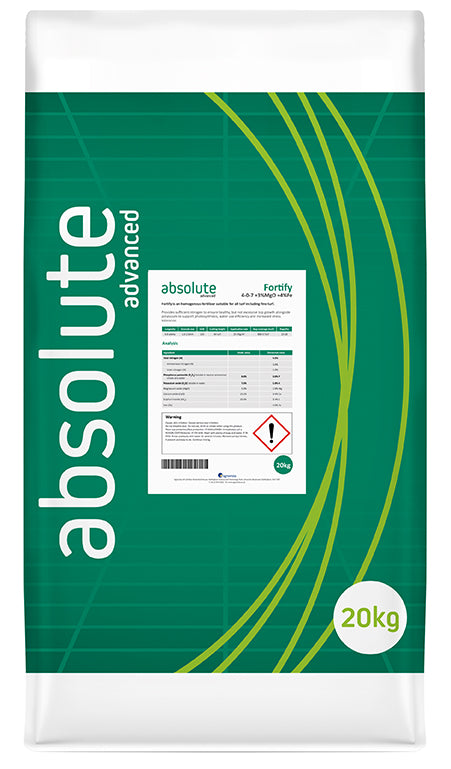


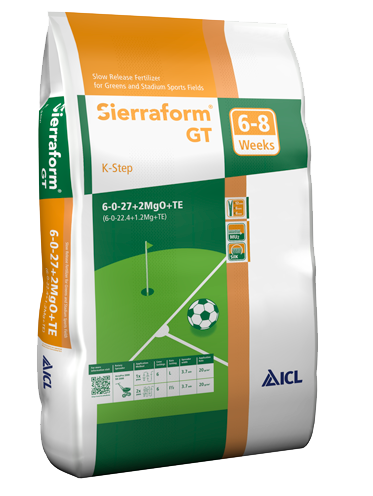
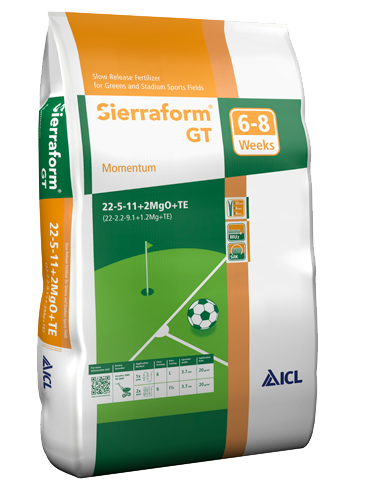

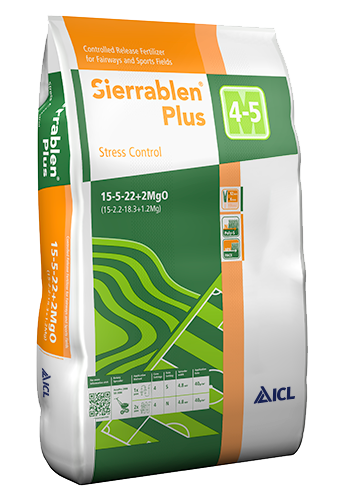
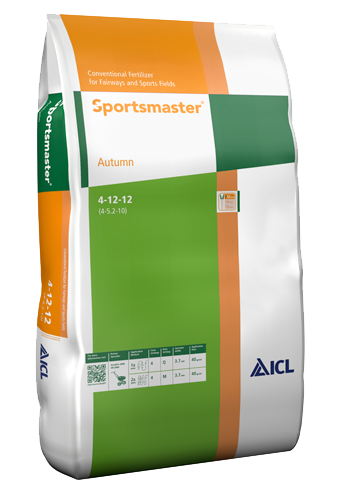


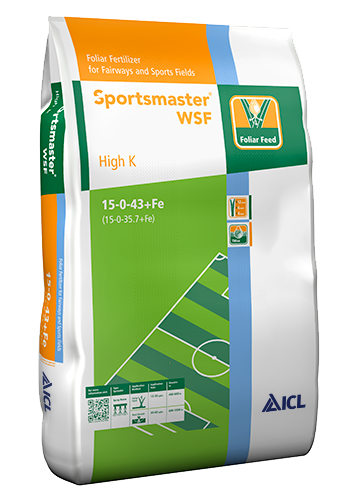


Winter fertiliser for stronger turf through the cold months
Winter Fertiliser plays a very specific role in sports turf and grounds management. When growth slows, recovery becomes harder and wear starts to show, the right autumn winter lawn fertiliser helps the plant stay steady rather than soft and lush. That matters on football pitches, rugby surfaces, cricket outfields, golf approaches, paddocks and hard-worked amenity grass where presentation and playability still count right through the colder months.
A good winter fertiliser is not about forcing top growth. In fact, most professional winter turf fertiliser programmes are built around controlled nutrition, sensible nitrogen levels and a stronger focus on potassium, iron and overall plant resilience. That is why many groundspersons look for low nitrogen fertiliser analysis, balanced NPK ratios, a sensible release pattern and ingredients that support colour, stress tolerance and root activity without creating weak, watery leaf.
Used well, winter lawn fertiliser helps maintain grass health when soil temperatures fall and daylight shortens. On winter sports pitches, that can mean better colour retention, steadier recovery between fixtures and a more durable sward going into the wettest part of the season. On finer areas, it can support density and presentation while reducing the risk of growth flushes that lead to more mowing, more clippings and more stress on the plant.
What professionals look for in winter turf fertiliser
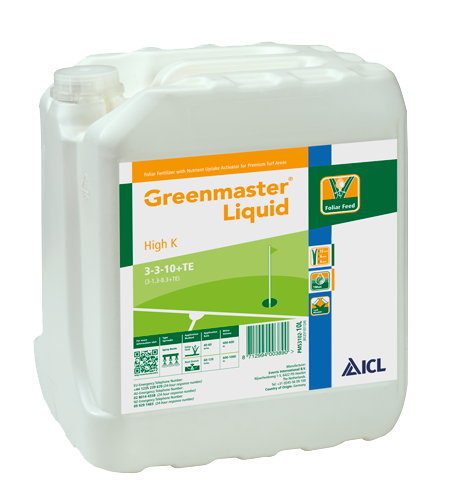
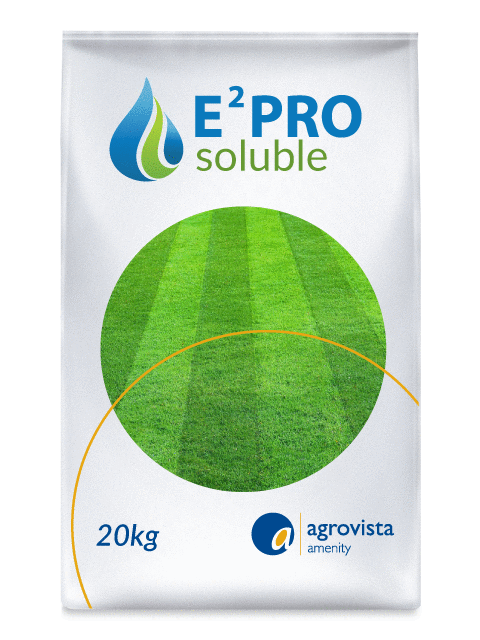
Not every winter fertiliser is the same. Some products are granular for broader area coverage and slower release; others are liquid for tighter control, quicker uptake and easy tank-mixing within a wider grounds management programme. The right choice depends on surface type, weather, available labour, fixture pressure and whether you are feeding a football pitch, a fine turf surface or a mixed-use school site.
In practical terms, most winter fertiliser decisions come down to three things: analysis, release pattern and application method. Low nitrogen helps avoid unwanted flushes of soft growth. Potassium supports stress management and wear tolerance. Iron can improve winter colour and visual presentation, especially where you want the turf to look sharp without pushing extra leaf. That is why Winter Fertiliser often sits close to Low Nitrogen Fertiliser and Fertiliser With Iron in a professional feeding plan.
You will also want to think about spread pattern, calibration and timing. Uneven application can lead to striping, inconsistent colour and patchy response; none of that is welcome on a match pitch or a managed landscape. For granular products, reliable Seed & Fertiliser Spreaders make a real difference to accuracy and efficiency, especially when windows between rain, frost and fixtures are tight.
Where Winter Fertiliser fits in a full maintenance programme
Winter fertiliser works best as part of integrated turf management, not as a standalone fix. Nutrition has to match the condition of the soil, the drainage profile, the amount of play and the species mix in the sward. Perennial ryegrass surfaces usually respond differently from finer bent and fescue areas; heavily used football and rugby pitches will also have very different demands from golf surrounds or ornamental lawns.
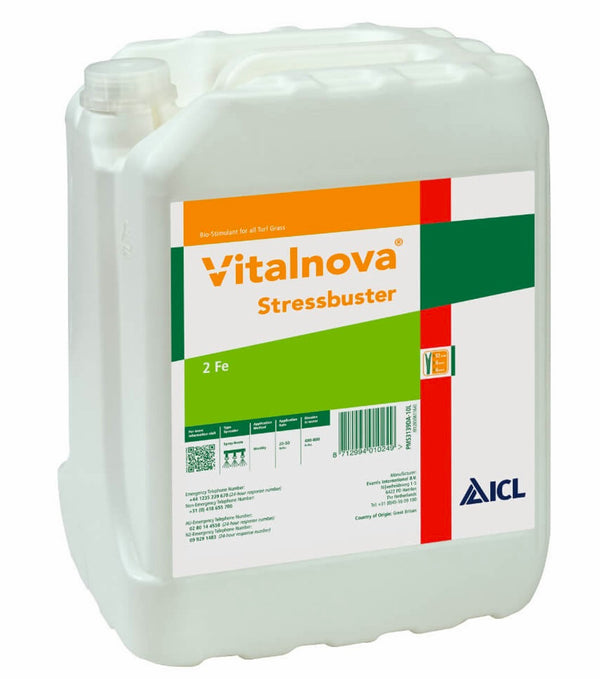
That is why many turf managers start with Soil Testing. Once you understand pH, nutrient reserves, organic matter and the wider soil nutrient balance, it becomes easier to choose the right winter turf fertiliser and apply it at the right rate. In the same programme, biostimulants can also support plant response and recovery; products in Seaweed & Biostimulants are often used to complement nutrition during periods of stress, cold and low light.
From a real-world sports turf point of view, this is how it often works. You carry out aeration where conditions allow, keep on top of surface cleanliness, monitor moisture, then apply Winter Fertiliser to steady the plant before the next block of fixtures. On worn areas, that feeding programme may sit alongside overseeding plans for later in the season, plus ongoing line marking, disease monitoring and moisture management. For cricket outfields and multi-sport sites, it can also connect naturally with Outfield Fertiliser where a broader surface-specific approach is needed.
Seasonal use: from autumn into early spring
Seasonality matters with winter fertiliser. In late autumn, products are often used to prepare turf for colder, wetter conditions and the drop in growth rate. Through winter itself, applications tend to be lighter and more strategic, timed around soil temperature, rainfall, frost risk and the playing calendar. By late winter and early spring, the aim shifts towards bridging the gap into recovery and renovation without creating soft growth too early. At that point, many programmes begin to transition from Autumn Fertiliser and Winter Fertiliser towards spring-led nutrition and, where needed, Fine Turf Fertiliser for more specialist surfaces.
This seasonal timing is especially important around Microdochium patch pressure, waterlogging risk and fixture congestion. Over-feeding in cold, damp weather can leave the plant too soft and more vulnerable; under-feeding can leave it thin, pale and slow to recover. The best results usually come from measured inputs, good record keeping and adjusting the programme to what the turf is actually doing on site.
Choosing the right Winter Fertiliser for your surface
When selecting winter fertiliser, think first about your surface and your objective. A stadium training pitch with heavy wear may need a different analysis from a golf approach, a school rugby pitch or a paddock. Granular winter lawn fertiliser is often ideal where you want even coverage and straightforward application across larger areas. Liquid winter fertiliser can be useful when precision, quick response or compatibility with existing spray operations matters more.
Check the nutrient analysis carefully. Look at nitrogen source, potassium level, iron content and whether the formulation suits your soil moisture and expected weather. Consider safe handling, calibration, storage and application interval too. Professional users will also factor in clipping yield, colour response, sward density, root development and the likely impact on winter disease pressure.
Pitchcare is trusted by turf managers because the range reflects how surfaces are actually maintained. Whether you are feeding a winter games pitch, supporting fine turf presentation or managing hard-wearing amenity grass, the right Winter Fertiliser helps protect performance, improve presentation quality and keep the plant moving in the right direction until stronger growing conditions return.
Recently viewed