











Golf Equipment for Day-to-Day Course Presentation and Practical Ground Care
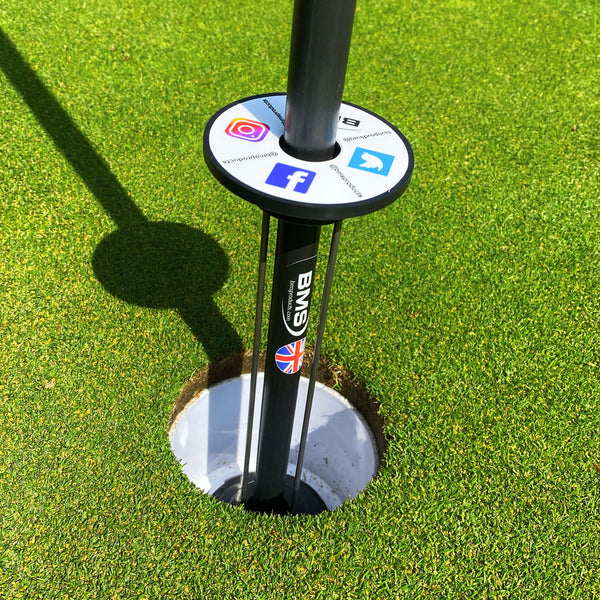
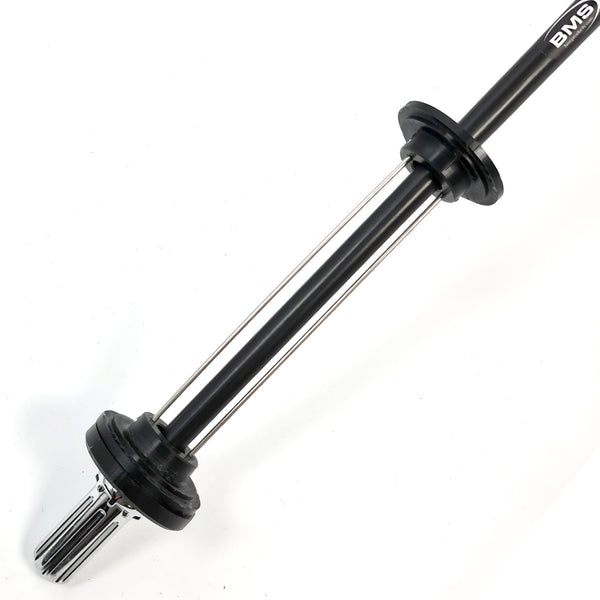
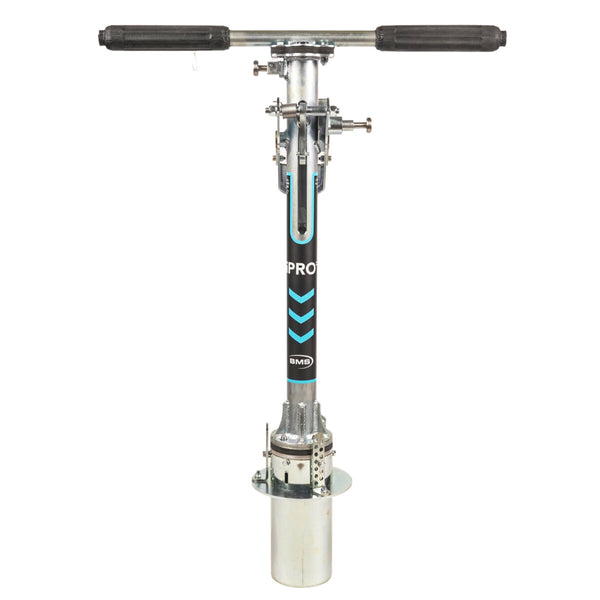
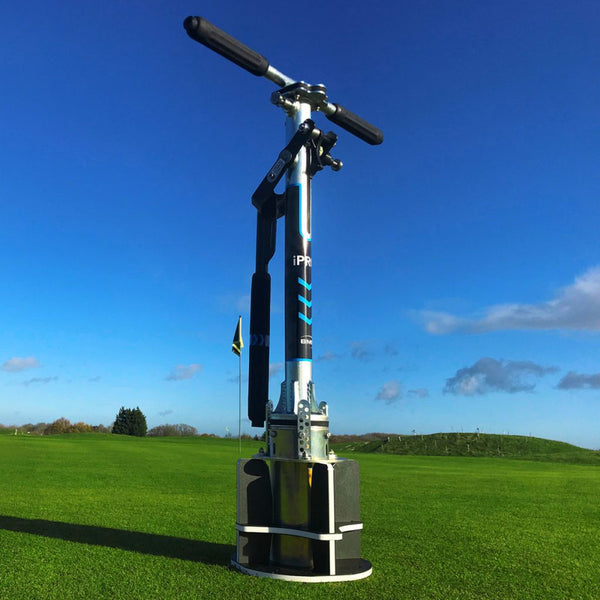
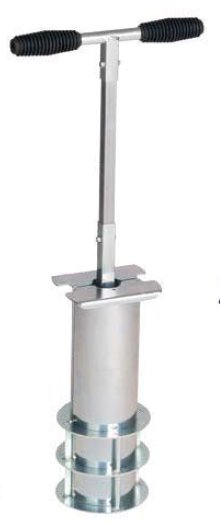
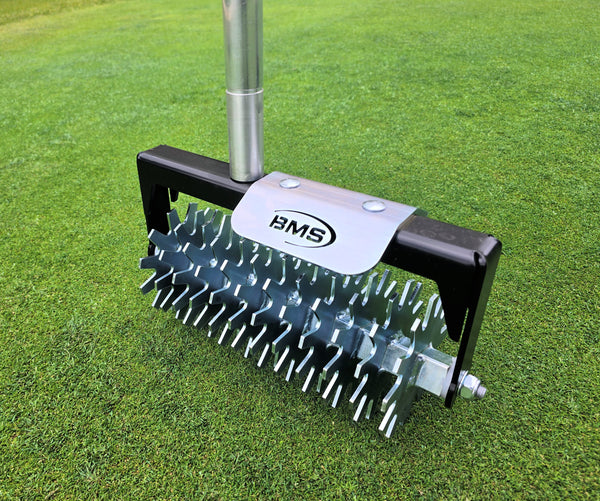
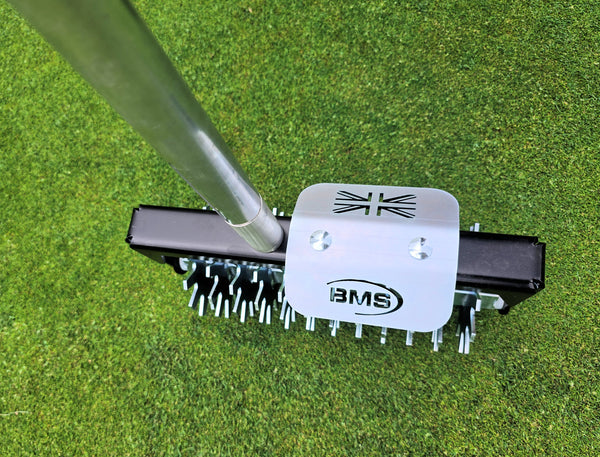
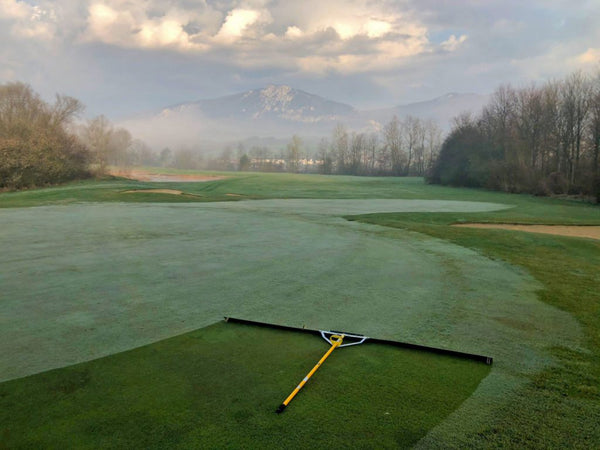
Golf equipment supports far more than basic course setup. Across greens, tees, approaches, surrounds and practice areas, the right kit helps greenkeepers maintain presentation, improve efficiency and keep surfaces ready for play. Items such as hole-changing tools, flagsticks, cups, tee markers, distance markers, litter equipment, ropes, posts, brushes, rollers and course accessories all play a part in daily standards. When those details are handled well, the course feels sharper, runs more smoothly and gives players a better experience from the first tee onwards.
Across a busy golf site, practical equipment often saves as much time as larger machinery. Small tasks never really stop: changing holes cleanly, moving markers, protecting worn routes, tidying edges, managing traffic and keeping presentation standards high. Good golf course equipment helps staff complete those jobs quickly and consistently. That matters because presentation quality is built on repeatable routines, not just on headline renovation work or occasional big interventions.
From a turfcare point of view, golf equipment sits inside the wider maintenance programme rather than outside it. A well-equipped team can manage wear patterns more effectively, protect sensitive areas and maintain stronger visual standards through the season. Teeing grounds, walk-on routes, cup positions and green surrounds all take pressure. If the support equipment is poor, surfaces wear faster and staff spend more time correcting avoidable issues. Reliable golf ground equipment helps reduce that friction.
How golf equipment supports turf performance and presentation
Unlike some categories, golf equipment is used in small but constant ways across the whole site. Hole cups and flagsticks shape daily play on greens. Tee markers influence traffic and wear on tees. Ropes, posts and signage help control movement around weak or recovering turf. Brushes and hand tools support tidiness and finish around holes, paths and presentation areas. None of these jobs are dramatic, yet all of them contribute to playing quality, pace of work and the overall look of the course.
Good practice on a golf course usually comes down to detail: clean hole changes, straight markers, tidy access, visible hazards and sensible traffic control. Those basics help protect fine turf surfaces and reduce scuffing around high-pressure points. On closely mown areas, even small handling improvements can make a difference. That is why experienced greenkeeping teams see golf equipment as part of integrated turf management, not just as a collection of accessories.
Where wear begins to show, the equipment routine often links naturally with Grass Seed for recovery work and Turf Fertilisers to support plant response and consistent colour. The equipment itself does not drive growth; it creates the conditions for better day-to-day management around the surfaces that matter most.
Choosing golf course equipment for practical site use
When selecting golf equipment, the first question should be how the item will be used on the ground. Some products are handled every day, so durability and ease of use matter more than anything else. Others need to stand up to weather exposure, repeated movement or regular cleaning. Aluminium, treated timber, robust plastics, galvanised fittings and weather-resistant finishes all have a place depending on the item and the site conditions. The right choice is usually the one that balances strength, handling and lifespan without complicating the working day.
On larger courses, efficiency becomes a major factor. If staff are moving pins, markers, ropes and presentation equipment across multiple holes every morning, awkward kit soon slows the whole routine down. On smaller clubs, storage and handling are often just as important because labour is tight and tasks overlap. In both cases, good golf maintenance equipment should be simple to deploy, easy to clean and strong enough to cope with repeated use through changing weather.
Another point worth considering is how equipment affects the surface underneath it. Tee markers, rope posts, access guidance and cup-changing tools all influence wear, compaction and finish in subtle ways. Better equipment choices can help spread traffic more evenly, reduce scarring and keep the course looking tidier between major maintenance operations. That is especially useful during busy playing periods, when recovery windows are short and expectations stay high.
Seasonal use across the golfing year
Seasonality matters with this category, even if the products are not tied to one narrow application window. During spring, golf equipment helps staff sharpen presentation as growth picks up and course setup becomes more frequent. Through summer, the pressure is often highest because hole changes, tee movement, traffic control and daily course presentation all happen at pace. In autumn, the same equipment supports tidy setup while surfaces begin to soften and play patterns change. During winter, ropes, markers and protective accessories can become even more important where staff need to guide golfers away from vulnerable ground or manage temporary arrangements cleanly.
Because of that, sensible equipment choices help the course look organised right through the year. They also help staff work safely and consistently when conditions are changing. On sites where moisture management is critical, these practical routines often sit alongside Irrigation and Water Management in summer and closer traffic control in wetter months.
How golf equipment fits into a wider course maintenance programme
Within a full course programme, golf equipment supports the small actions that make bigger agronomic work more effective. After wear appears on tees or approaches, traffic may be redirected while recovery is supported with Loam and Dressing and overseeding work. If green speed, plant health or surface consistency begin to drift, the response may involve nutrition, moisture management and closer observation of daily setup points. Where the cause is less obvious, Soil Testing can help separate wear pressure from deeper rootzone or nutrient imbalance.
Equally important is the way equipment shapes presentation quality across the course. Straight markers, clean cups, visible flags and tidy practice areas all reinforce the work already going into mowing, brushing and surface preparation. On multi-use facilities or academy sites, this programme may also connect with Line Marking Paint where training zones or shared sports areas need clear definition. The point is the same throughout: support equipment works best when it is planned as part of the wider maintenance workflow.
Seen from a professional angle, the value of golf ground equipment is consistency. It helps a team repeat good habits every day: clean setup, sensible traffic management, quicker presentation work and stronger attention to detail. Those habits protect the surfaces, save labour and improve the player experience without needing to overcomplicate the operation.
Getting better value from golf equipment
Before buying new golf equipment, it helps to think about usage rather than just price. Ask how often the item will be handled, where it will be stored, what conditions it will face and how it fits the daily routine of the site. The strongest choices are usually the ones that improve workflow, support presentation and reduce avoidable wear across greens, tees and high-traffic areas. That applies whether you manage a private club, a municipal course, a driving range or a compact academy facility.
Choose golf equipment with the daily routine in mind: how often it will be handled, where it will be stored and how it will stand up to weather, traffic and repeated use. The right kit helps greenkeepers work faster, protect fine turf and maintain stronger presentation standards across greens, tees and high-traffic areas. When those details are backed by sensible recovery work, moisture control and consistent course setup, the whole site becomes easier to manage and better prepared for play through the season.
Recently viewed