




Top dressing for stronger, smoother sports turf
Top dressing is one of the most useful materials in any grounds management programme. Used properly, it helps refine surface levels, improve firmness, support drainage and keep turf healthier through the season. On football pitches, rugby pitches, cricket outfields, golf surfaces and fine turf areas, the right top dressing can make a visible difference to presentation quality and a practical difference to playability.
When we talk about top dressing, we are usually looking at sand-based blends, sand and organic dressings, or finer mixes designed for close-mown turf. These materials are applied in light, regular amounts or as part of heavier renovation work. The aim is simple: fill minor undulations, protect crown tissue, encourage truer surfaces and keep the upper profile open. That matters whether you are managing a winter games pitch, a golf approach, a cricket outfield or a high-wear amenity lawn.
Top dressing also works hand in hand with Rootzone and Sand. If you are building up levels, diluting organic matter or refining a worn surface after play, matching your dressing to the existing profile is vital. A material that is too fine, too coarse or too different from the native rootzone can create layering; that can hold water, slow infiltration and reduce rooting depth over time.
How top dressing works in practice
A good top dressing supports the physical side of turf performance. Particle size, sand content, organic content, moisture retention and compatibility with the existing surface all matter. On fine turf, a 70/30 style sand and soil blend is often chosen to maintain levels while still giving some moisture-holding capacity. On harder-wearing sports areas, sand and organic top dressing can help balance drainage with recovery. For heavier reconstruction or more defined profile work, a compatible dressing may sit alongside Soils or a specialist Rootzone specification.
From a professional point of view, the key is consistency. Grounds teams get the best results when the same type of dressing is used through a planned maintenance cycle rather than changing material every few months. Consistent particle distribution helps maintain surface stability; it also makes aeration, overseeding and moisture management easier. That is a big part of integrated turf management, especially where surfaces need to recover quickly between fixtures.
Application method matters too. Brushing or dragmatting the material into the canopy improves coverage and reduces smothering. Timing around aeration can be even more effective, because dressings help fill tine holes and keep the surface open. That is why many teams use top dressing alongside Aerators during renovation windows. Where materials are being applied across larger areas, accurate application through Seed & Fertiliser Spreaders can also help maintain an even rate and a cleaner finish.
Choosing the right top dressing
The best top dressing depends on the surface, the profile below it and the job in front of you. For golf greens and fine turf, we would usually look for a finer, clean dressing with reliable particle shape and low contamination. For sports pitches and renovated amenity turf, sand and organic blends can be very useful where you want a little more moisture retention and plant support. On newly restored areas, compatibility with the seedbed is as important as appearance.
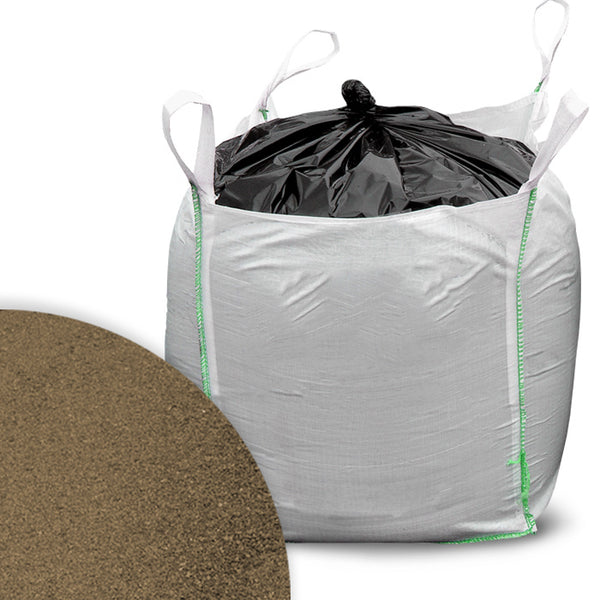
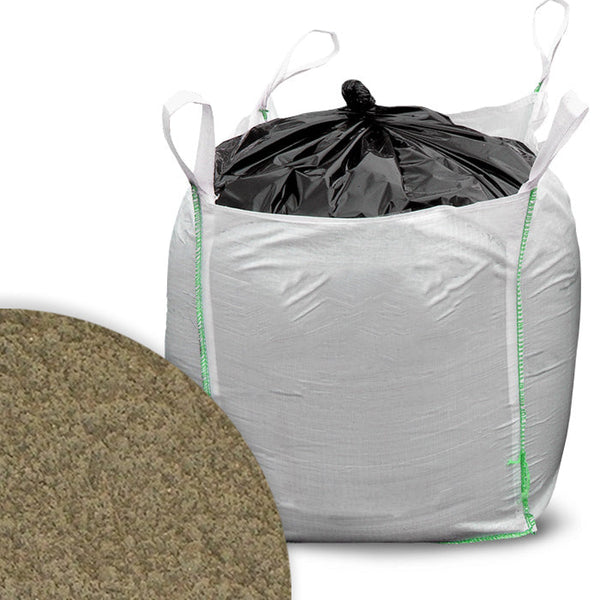
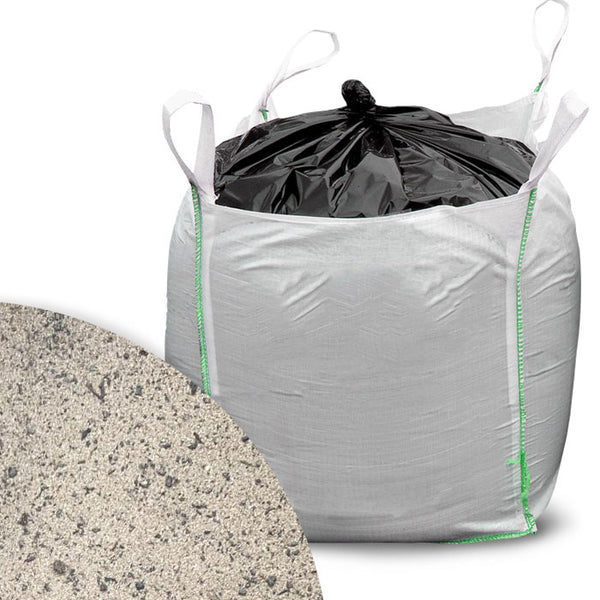
You should also think about bagged versus bulk material. Bagged top dressing is handy for localised repairs, small clubs and touch-up work around high-wear areas. Bulk bags often make more sense for end-of-season renovation, larger football and rugby sites, or broad acre amenity work. In both cases, even spread, clean storage and dry handling conditions are worth paying attention to.
Top dressing through the seasons
Seasonality matters with top dressing because it is tied closely to growth, recovery and surface use. In spring, light applications can smooth winter damage and support early recovery as soil temperatures rise. In summer, top dressing is often used on fine turf and golf surfaces to maintain true levels, manage organic matter and support regular aeration. In autumn, it becomes a major part of surface renovation, especially after scarification, hollow tining and overseeding. Winter use is usually lighter and more selective; the focus is often on tidying worn areas and avoiding unnecessary stress on wet ground.
That seasonal pattern links top dressing directly with other parts of the maintenance programme. After autumn renovation, many grounds teams pair dressing with Football Pitch Grass Seed, Rugby Pitch Grass Seed or Golf Greens Grass Seed, depending on the surface. The dressing protects seed, improves seed-to-soil contact and helps hold moisture around the germination zone. That is especially useful when recovery time is tight and wear tolerance is under pressure.
Where top dressing fits in a full maintenance programme
Top dressing should never be viewed in isolation. It sits in the middle of a wider programme that includes aeration, overseeding, nutrition, water management and presentation work. After decompaction and surface prep, dressing helps restore levels and improve the upper rootzone. Seed follows for recovery; nutrition then supports establishment and tillering. Moisture control is managed with irrigation and wetting agents, while regular presentation continues around fixtures and events.
That is why it is sensible to connect top dressing with Soil Testing, Wetting Agents and Fine Turf Fertiliser. Soil analysis helps you understand texture, pH and nutrient status before you commit to a programme. Wetting agents help manage water movement through sand-dominant profiles. Fine turf fertiliser supports recovery, colour and steady growth without pushing soft, weak leaf. On match and training venues, the final piece is presentation; once surfaces are stable and growing well, clear definition from Line Marking Paint finishes the job.
For professional groundspersons, the real value of top dressing is that it supports both agronomy and play. It helps create a firmer, truer, cleaner surface; it protects long-term grass health; and it gives you a practical way to keep improving the profile year after year. Whether you are working on elite sport, school sport or quality amenity turf, the right top dressing helps turn routine maintenance into lasting surface improvement.
Recently viewed